01
The door feels unusually heavy
A heavy door may indicate that the spring system is no longer supporting the door correctly.

Book a balance adjustment when the garage door feels heavy, drifts up or down, slams closed, moves unevenly, or makes the opener work harder than it should.
A properly balanced door should move smoothly with controlled support from the spring system. Balance problems can affect the opener, cables, rollers, tracks, hinges, panels, and overall safety if they are ignored.
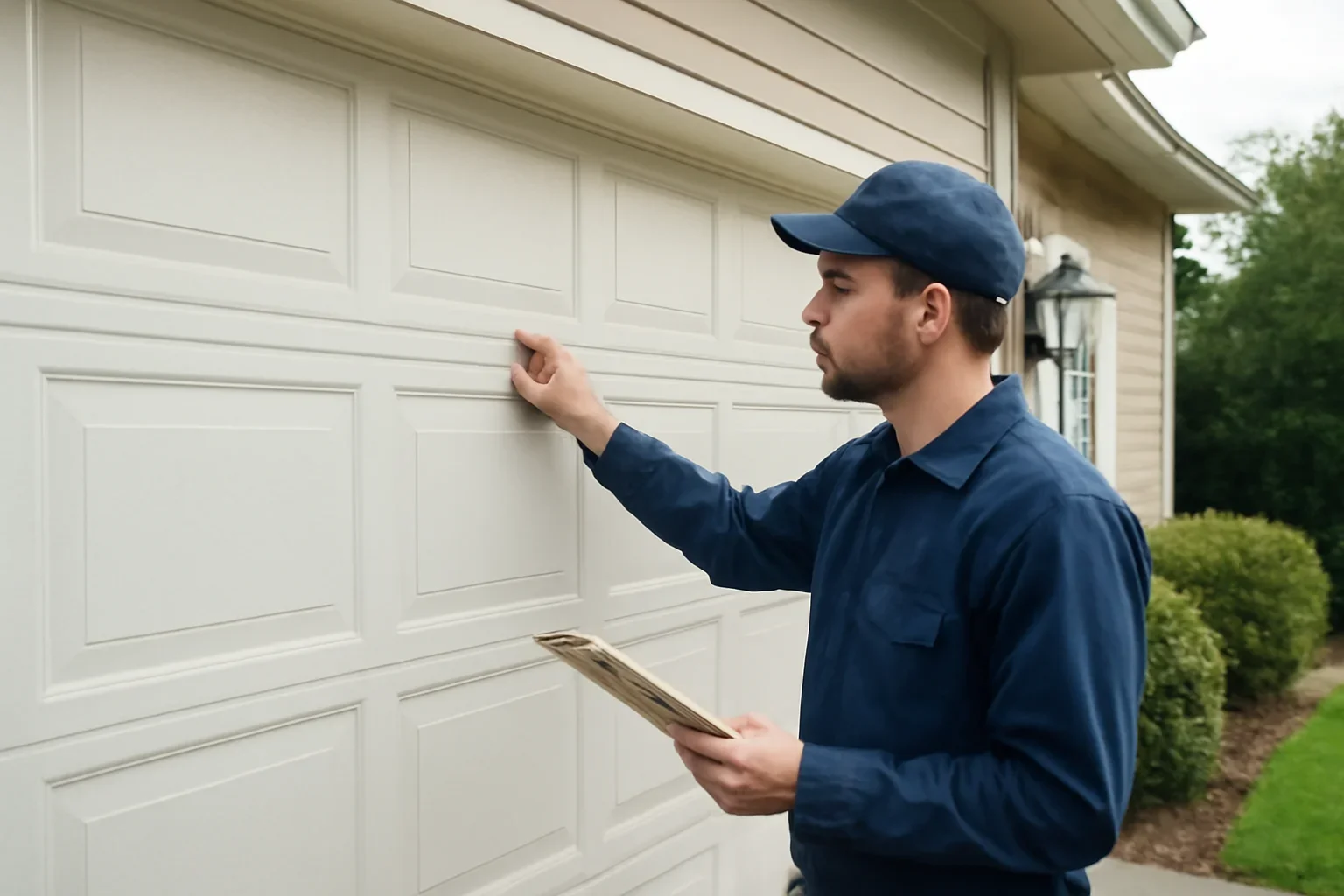
Balance problems often appear gradually, but sudden changes can point to a damaged spring, cable, roller, track, or other connected part.
A heavy door may indicate that the spring system is no longer supporting the door correctly.
A door that will not remain in a stable position may be under-supported or affected by uneven tension.
Too much spring tension or an unsuitable spring setup may pull the door upward instead of holding it steadily.
The opener may hum, hesitate, stop, reverse, or sound louder when it is carrying too much door weight.
Cable, drum, track, roller, spring, or alignment trouble may cause one side to move differently from the other.
A fast or uncontrolled drop can indicate poor support and should be inspected before normal use continues.
Binding tracks, worn rollers, damaged hinges, uneven spring force, or opener strain may interrupt smooth travel.
New springs, cables, panels, opener settings, track work, or hardware changes may require final balance verification.
The spring and cable system stores significant tension. Incorrect adjustment can cause uncontrolled movement, property damage, or serious injury.
Stop using the door if it is hanging unevenly, supported by a loose cable, dropping quickly, or visibly damaged around the spring, drum, track, or bottom bracket.
The opener is designed to guide a properly balanced door. It should not be expected to lift the full weight of a heavy or poorly supported door.
Spring type, condition, size, tension, mounting, and suitability for the door weight are reviewed.
Cables should track correctly on the drums and support the door evenly on both sides.
Binding, misalignment, worn rollers, loose brackets, dents, or debris can imitate or worsen balance problems.
Panel damage, loose hinges, added weight, windows, or structural changes may affect movement and spring requirements.
Travel, force, rail, trolley, drive system, and safety settings are checked after the door moves correctly.
The door is observed through multiple cycles for smooth, even, controlled movement.
Balance is influenced by the full lifting and movement system, not only the opener.
Springs can weaken, break, lose suitable tension, or become mismatched with the door weight.
Review Spring RepairLoose, frayed, uneven, or incorrectly seated cables can cause crooked movement and uneven support.
Review Cable RepairBent tracks, loose brackets, poor alignment, debris, or tight roller movement can make the door feel unbalanced.
Damaged movement hardware can create drag, shaking, noise, and uneven travel.
New panels, insulation, windows, reinforcement, or replacement sections may change the weight the spring system must support.
Incorrect spring selection, track setup, cable position, opener force, or hardware alignment can affect the result.
The exact scope depends on whether the issue is an adjustment problem, a worn component, or a larger mechanical fault.
The door, springs, cables, drums, tracks, rollers, hinges, panels, opener, and controls are reviewed together.
Binding tracks, worn rollers, damaged hardware, unsuitable springs, or cable problems should be corrected before final adjustment.
The lifting system is adjusted or repaired so the door travels evenly without forcing the opener to carry excessive weight.
Movement, balance, travel, force, controls, sensors, closing contact, and final operating behaviour are checked.
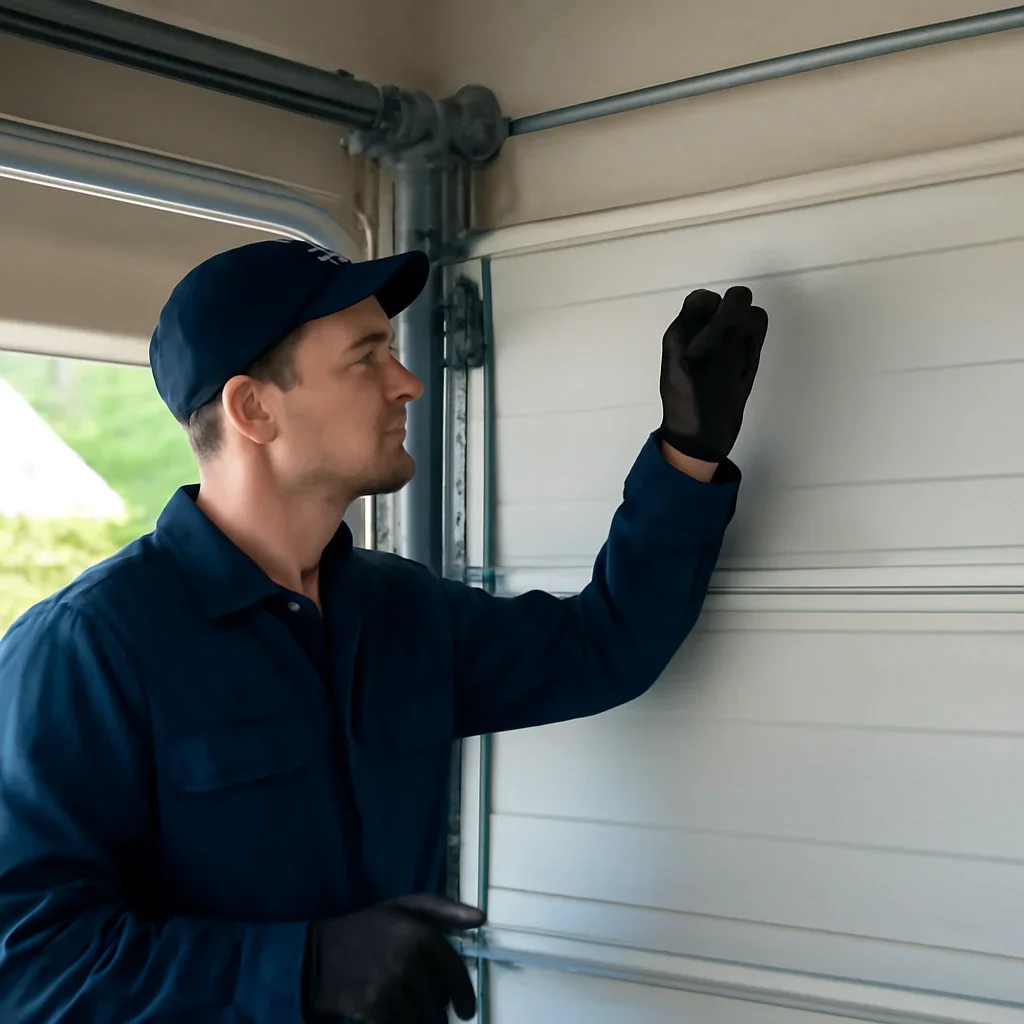
An opener may appear to have a motor problem when the real issue is excessive door weight, binding hardware, or uneven movement.
A balance adjustment cannot correct every condition. Damaged, unsuitable, or heavily worn parts may need replacement first.
The door and hardware may be serviceable when the main issue is minor tension, alignment, or setup correction.
Broken springs, damaged cables, worn rollers, bent tracks, cracked hinges, or unsuitable components should not be adjusted around.
Replacement may be worth comparing when structural panel damage, widespread wear, repeated failures, or major compatibility problems are present.
Review Door ReplacementNewer homes and townhouses may require quiet operation, compact-garage access, and opener compatibility checks.
Established homes may have older springs, rollers, tracks, cables, and openers that affect balance.
Attached garages may place greater importance on smooth movement, noise reduction, and reliable daily use.
Older or customized properties may need careful review of openings, tracks, hardware, and replacement parts.
Workshops, detached garages, acreages, and larger doors may use different spring and opener systems.
A lightweight single door, insulated double door, workshop door, custom wood door, and commercial door can require different springs, hardware, and adjustment methods.
Use the main repair page when balance trouble is combined with track damage, panel problems, noise, opener faults, or several worn parts.
Explore Garage Door RepairUse the same-day repair path when the door is time-sensitive, uneven, jammed, or preventing normal property access.
Explore Same-Day RepairBalance problems can be found during maintenance, but the final price depends on whether adjustment, repair, or replacement parts are required.
Routine checks can identify changes in balance, movement, rollers, tracks, hardware, controls, and weather seals.
Review MaintenancePricing may depend on door size, spring system, damaged components, labour, access, urgency, and final testing.
Review Repair Cost GuidanceRequest an estimate when several parts are involved or when repair and replacement should be compared.
Request a Free EstimateBook an inspection when the door feels heavy, drifts, rises by itself, slams closed, moves unevenly, or causes the opener to strain.
Spring and cable adjustments involve stored tension and should not be treated as a routine homeowner task. Incorrect work can cause uncontrolled door movement and serious injury.
Yes. An opener may wear faster, slow down, stop, reverse, or strain when it is forced to move a heavy, binding, or uneven door.
No. The cause may involve weak or unsuitable springs, cable trouble, track resistance, worn rollers, damaged hinges, changed door weight, or several connected issues.
Only if the underlying cause is suitable for adjustment. Loose cables, damaged drums, bent tracks, worn rollers, or broken components may need repair first.
There is no single fixed period. Results depend on spring condition, door weight, usage, hardware wear, installation quality, maintenance, and whether other problems develop.
Include the address, door size, current position, movement symptoms, unusual sounds, opener behaviour, visible cable or spring concerns, and safe photos.
Use the contact page when you are unsure whether the problem is balance-related or part of a larger garage door issue.
Share the property location, door size, movement symptoms, opener behaviour, visible hardware concerns, and preferred timing so the next step can be planned clearly.