Attached family garage
An insulated steel door may support a more finished interior, greater panel rigidity and reduced sound compared with a basic single-skin configuration.

Compare steel garage doors by construction, insulation, exterior finish, panel design, window options and the opening they must fit. Steel can be a practical choice for many Langley properties, but the best configuration depends on dent exposure, weather sealing, garage use, hardware and opener compatibility.
A strong recommendation should explain the trade-offs instead of treating every steel door as equal. Single-skin, insulated-backed and steel-insulation-steel systems can feel, sound and perform differently even when the exterior style looks similar.
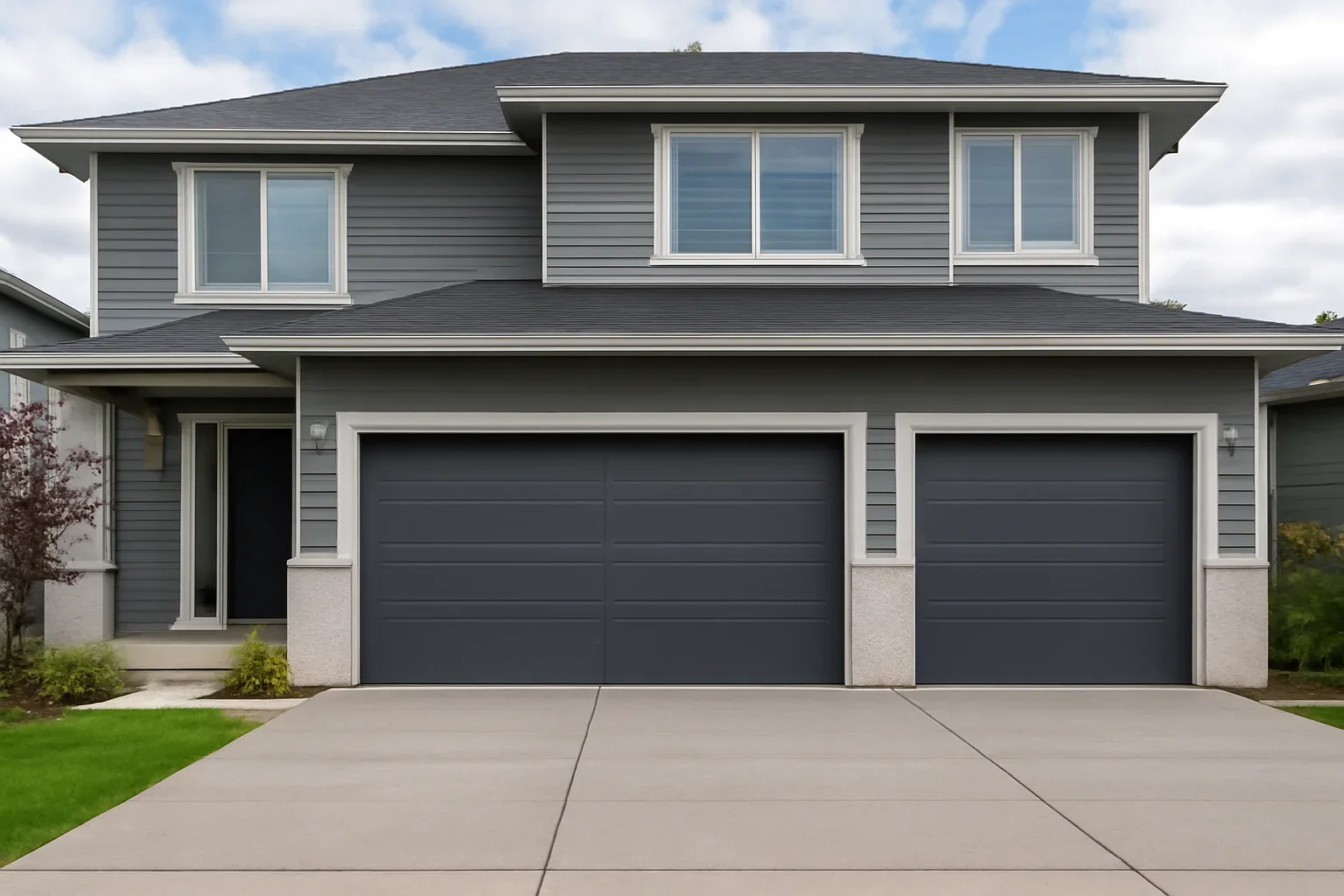
Steel offers broad design and construction choices, but the right version depends on where the garage is located, how often the door cycles and what the exterior is exposed to.
An insulated steel door may support a more finished interior, greater panel rigidity and reduced sound compared with a basic single-skin configuration.
Steel doors provide many coordinated panel and colour options, but the selected finish, windows and hardware may need to follow strata requirements.
Durability, opening size, vehicle clearance, impact exposure and insulation needs may matter more than decorative features.
Door rigidity, balanced hardware, opener compatibility and resistance to everyday bumps should be compared for a frequently used household entrance.
The visible face may look similar while the inside construction changes rigidity, interior finish, sound and insulation. Compare the full assembly rather than relying on one label.
A basic steel exterior without a finished insulated backing can be practical for a detached or lightly used garage where interior appearance and temperature control are lower priorities.
An insulated backing can add support and improve the interior side compared with a basic steel skin. Exact construction and exposed surfaces vary by product.
A steel interior skin encloses the insulation and creates a more finished sandwich-style section. It may offer greater rigidity, but product specifications still need comparison.
A useful comparison connects the exterior design to maintenance, weather exposure, privacy, daily use and the complete door system.
Driveway width, children, sports equipment, bicycles, bins and workshop use can affect how much impact resistance matters.
Attached garages, rooms above and workspaces may place more value on an insulated section and a clean interior-facing surface.
Compare colour, texture, sheen, UV exposure, touch-up requirements and how the finish coordinates with siding, trim and exterior doors.
Window height, glass type, daylight and visibility into the garage should be considered with section reinforcement and exterior balance.
Factory coating, protected cut edges, prompt attention to scratches and keeping debris from holding moisture against the door all matter.
The springs, tracks, rollers, hinges and opener should suit the chosen door’s size, weight, height and expected cycles.
Steel is available across a wide range of residential designs and construction levels. Its value depends on the exact door and how it is installed.
Choosing steel does not remove the need to compare impact exposure, coating condition, insulation, weight, hardware and long-term product availability.
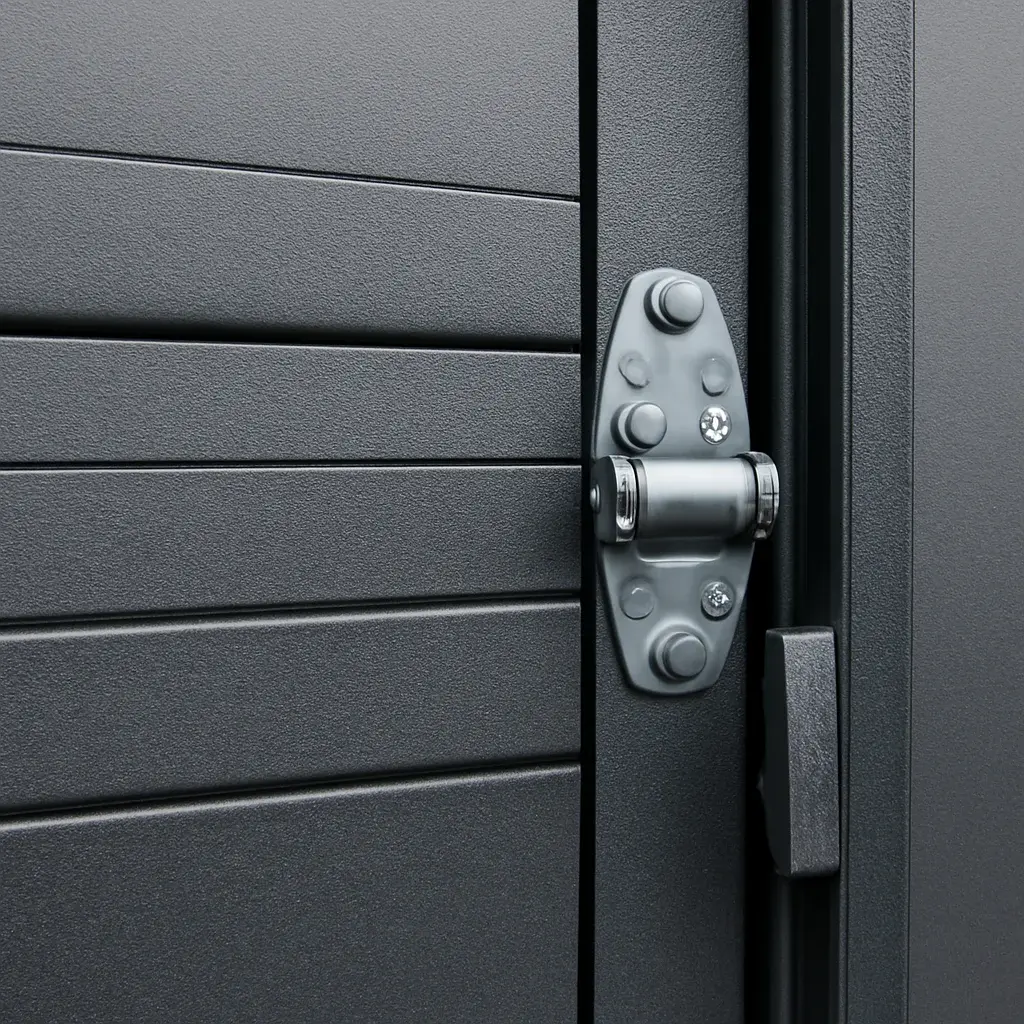
Langley includes newer townhomes and detached homes, established suburban neighbourhoods, older custom properties, acreage-style lots and rural workshops. That variety creates different needs for single, double, oversized and non-standard steel doors.
Compact garages in growing neighbourhoods may place more importance on quiet hardware, ceiling clearance and coordinated strata-approved finishes. Established family homes may prioritize colour matching and replacement-panel compatibility. Workshops and rural buildings may focus more on opening size, impact exposure and dependable operation.
Wet-weather care: inspect scratches, chipped coating, bottom edges and areas where leaves or road grit hold moisture. Cleaning and touch-up methods should follow the door manufacturer’s instructions.
For strata properties: confirm approval for exterior colour, panel profile, window pattern and decorative hardware before ordering the door.
Maintenance should protect the exterior coating while also checking the seals, hardware, balance and opener that keep the door moving correctly.
Use manufacturer-approved cleaning methods to remove dirt and residue without damaging the factory finish.
Look for deep scratches, chipped areas, worn bottom edges and places where moisture remains against the steel.
Review the bottom seal, perimeter weatherstrip, hinges, rollers, tracks and fasteners for visible wear or movement.
Increasing noise, shaking, uneven movement or opener strain should be assessed rather than masked with settings.
The right next step depends on whether damage is isolated, whether matching sections remain available and whether the current door still suits the opening and property.
Repair may fit when one spring, cable, roller, hinge, seal, track area or compatible steel section is causing the issue.
Review garage door repairReplacement deserves comparison when multiple sections are dented, corrosion is spreading, parts cannot be matched or insulation and appearance goals have changed.
Review garage door replacementNew installation may include a renovation, new opening or custom layout where the steel door, tracks, springs, seals and opener are planned together.
Review garage door installationYou do not need to identify a steel gauge or take technical measurements from an unstable door. Property, opening and design details are a better starting point.
These pages connect construction and design choices with the opener, sealing and overall project budget.
Review drive, noise, controls, backup and compatibility before pairing an opener with the new steel door.
Compare garage door openersExplore construction and comfort considerations when insulation is a major project priority.
Explore insulated garage doorsReview bottom and perimeter seals when drafts, light, debris or minor moisture are part of the concern.
Read the weather-stripping guideDoor size, construction, insulation, finish, windows, hardware, opener work and site access can affect scope.
Review garage door pricingThese answers focus on insulation, denting, rust prevention, finish, windows, repairability and the details needed before an estimate.
Compare the opening, property type, single-skin or insulated construction, panel rigidity, exterior finish, window and privacy goals, dent exposure, weather sealing, maintenance expectations, hardware and opener compatibility.
They may be useful when the garage is attached, has a room above it, is used as a workshop or benefits from a more rigid and finished section. Insulation should be compared with perimeter sealing, bottom-seal contact and the complete door construction.
Factory coatings help protect the steel, but deep scratches, chipped finish, exposed cut edges and areas that hold moisture should be addressed. Cleaning and touch-up methods should follow the manufacturer’s instructions.
Dent resistance varies with panel design, steel construction, reinforcement and the force of impact. A driveway exposed to sports equipment, bicycles, bins or workshop activity may require more attention to impact risk.
Sometimes. Panel replacement depends on the manufacturer, model, dimensions, profile, colour, insulation, windows, age and availability. The remaining sections, hinges, reinforcement, door weight and spring balance should also be checked.
Yes, some steel doors use textured or printed finishes designed to resemble wood. Compare the sample with the home exterior in daylight and review colour variation, texture, maintenance and matching options.
Possibly, but compatibility should not be assumed. Tracks, springs, hardware and the opener must suit the new door’s size, weight, balance, travel and manufacturer requirements.
Share the Langley neighbourhood, property type, single or double opening, current door condition, insulation and finish goals, window preference, existing opener, strata requirements and safe photos of the exterior, interior, tracks and ceiling area.
Include your Langley location, property type, opening size, current door condition, insulation preference, panel and finish goals, window needs, opener details and safe photos of the garage.