Attached garage
Noise and vibration may travel into a bedroom, living space or room above. Mounting, door hardware and the drive system all affect the result.
Compare opener systems by the garage door they must move, the property they serve and the access features your household actually needs. Drive type matters, but so do door balance, noise transfer, ceiling clearance, daily use, power-outage access, controls and long-term compatibility.
A practical opener choice should not begin with the highest feature count. It should begin with the door’s size and condition, whether the garage is attached or detached, who needs access and how dependable operation will be tested after installation.
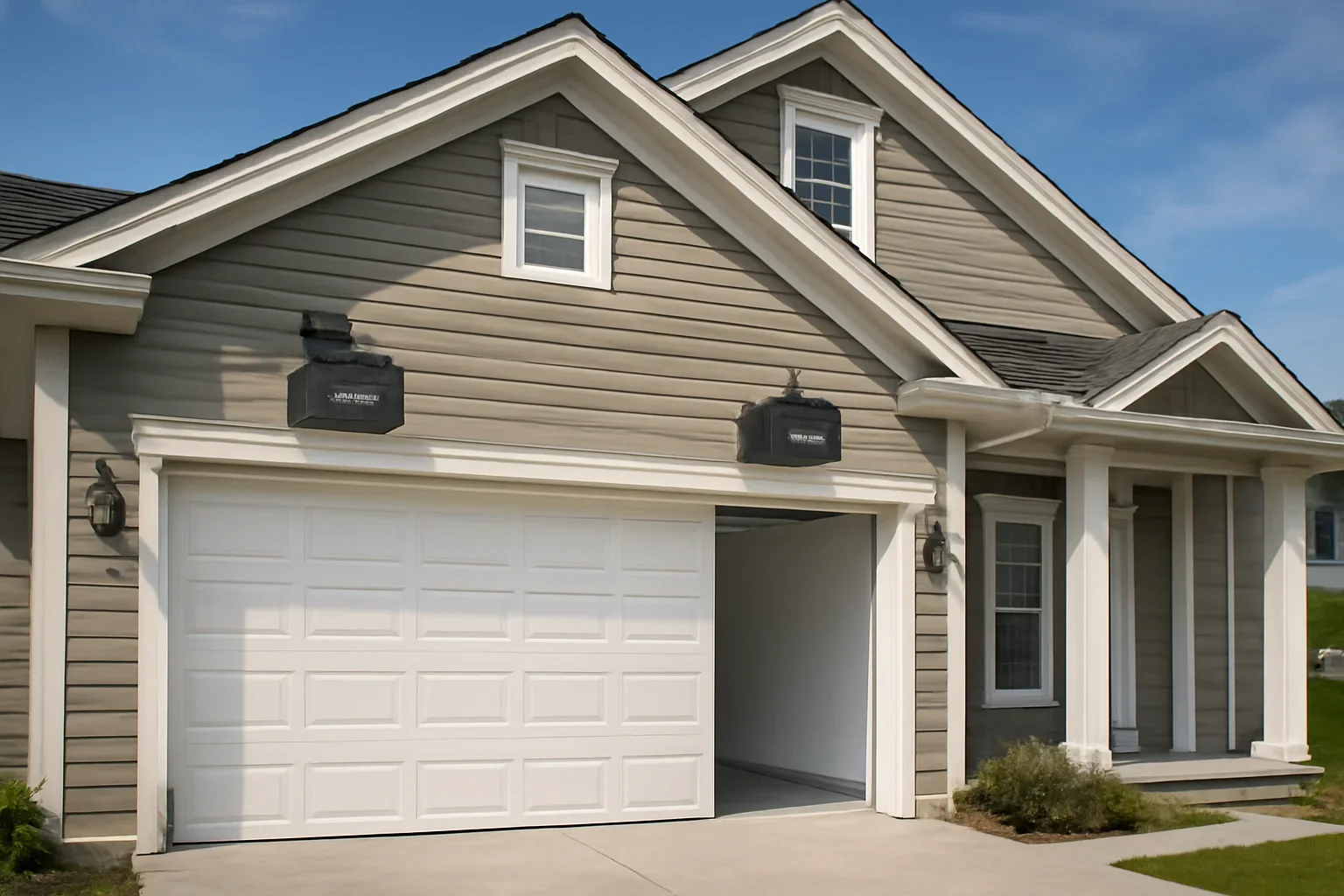
A townhome garage, attached double garage, detached workshop and custom older property can require different noise, clearance, control and backup-access decisions.
Noise and vibration may travel into a bedroom, living space or room above. Mounting, door hardware and the drive system all affect the result.
Compact ceilings, shared access rules, multiple users, remotes, keypads and property approval can shape the practical choice.
Power, network coverage, exterior keypad access and a clear manual-entry plan become more important when there is no interior door.
Door size, weight, balance, track type, spring support and daily cycles should be reviewed before selecting the opener configuration.
No drive type is automatically best for every Langley garage. Noise goals, ceiling layout, door compatibility, maintenance expectations and budget should be compared together.
A chain moves the trolley along the rail. It can be a practical choice where dependable conventional operation matters more than minimizing sound.
A reinforced belt moves the trolley. It is often considered where quieter operation is a priority, especially near occupied rooms.
This configuration mounts beside the door instead of using a centre ceiling rail. It is useful only when the door, shaft, spring system and clearances are compatible.
Features are most valuable when they solve a real access, safety or convenience need. Compatibility, setup and user management matter as much as the feature name.
Sensors, wiring, alignment, travel and reversal response should be tested as part of the complete closing system.
Backup operation can be useful during an outage, but capacity, condition, replacement requirements and manual release still need consideration.
App control can support remote status and user access, provided the opener, network, account permissions and household routines are suitable.
Consider the number of users, vehicles, temporary codes, lost-device removal and access for children, guests or service providers.
Light output, placement, activation and garage layout affect how useful the opener light is for parking, entry and storage access.
Drive type helps, but rollers, tracks, balance, mounting and door construction also influence vibration and operating sound.
Use the support guide when you need general programming steps and model-specific preparation.
Read the opener programming guideReview remote compatibility, learn-button access and safe programming preparation before resetting stored devices.
Read the remote programming guideUse the code guide when updating access after a move, lost device or change in household users.
Read the keypad-code guide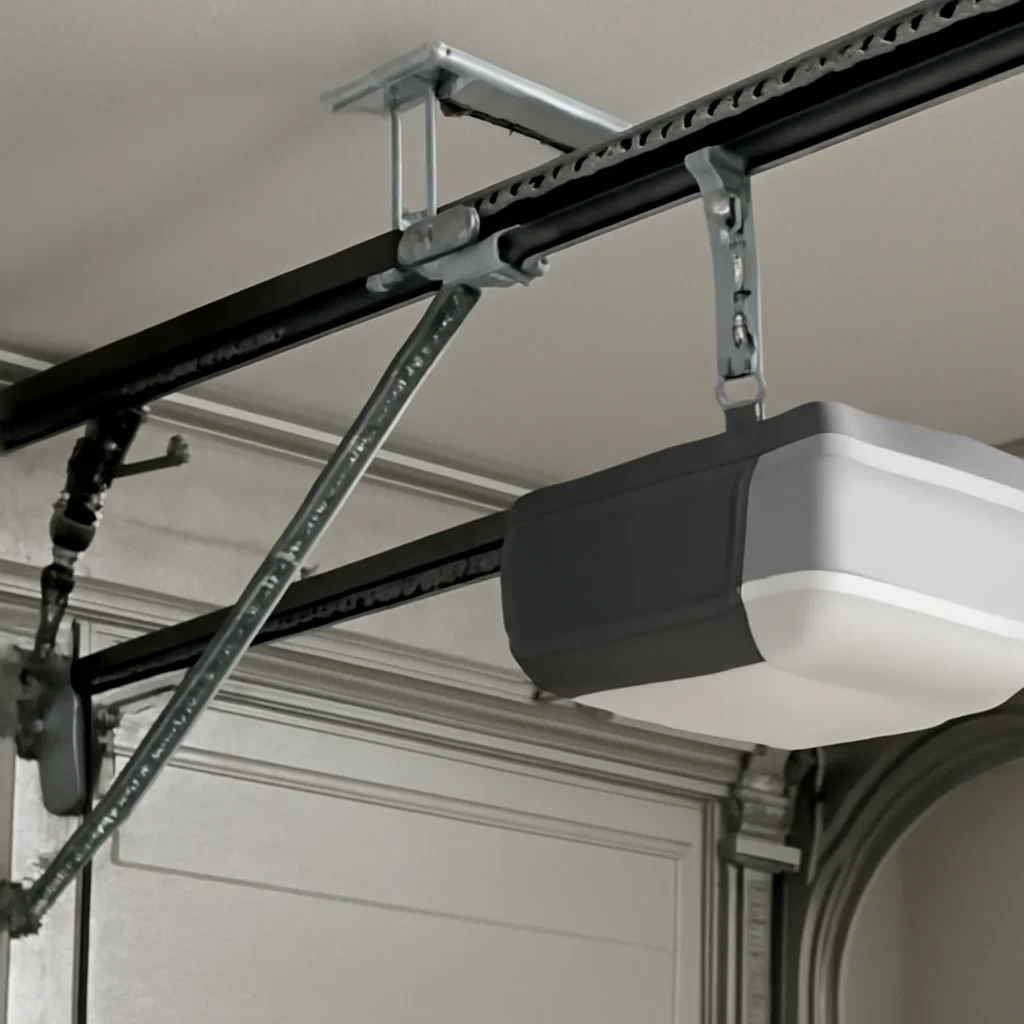
Langley includes newer townhomes and detached homes in Willoughby, established family properties in Walnut Grove, attached garages in areas such as Murrayville, older or custom properties around Fort Langley, and detached buildings or workshops toward Aldergrove and rural parts of the Township.
Those settings can change ceiling clearance, door size, electrical access, network strength, noise priorities, number of users and the need for keypad or manual entry. For strata and rental properties, access ownership and approval should also be clarified before changing controls or the opener.
Power-outage planning: Langley can experience severe weather and outages. A battery-backup feature may help, but every household should also understand the manual release and how the garage can be entered when the opener has no power.
Compact townhome garages: ceiling storage, lighting, ducts, beams, garbage carts and vehicle clearance can affect rail placement, opener access and long-term serviceability.
You do not need to choose a brand or motor size before asking for guidance. Property and door details are a better starting point.
The door should move safely and with appropriate balance before final opener settings are used. Otherwise, a new motor may inherit the old system’s strain.
The product decision depends on whether the current system has an isolated fault, a wider reliability problem or no suitable opener in place.
Repair may fit when the problem involves sensors, controls, wiring, programming, travel, force, trolley or a compatible drive component.
Review opener repairReplacement deserves comparison when several major parts are failing, compatible components are unavailable or required access and safety features are missing.
Review opener replacementA complete installation plan may be needed for a new garage, changed track layout, new door or opening that has not previously used a compatible opener.
Review opener installationA useful recommendation connects the opener to the door and property, then explains why the selected features matter.
Confirm size, balance, hardware condition, tracks, spring support and safe manual movement.
Review attached rooms, ceiling layout, power, network coverage, exterior access and user needs.
Choose drive, controls, backup, lighting and connectivity based on actual daily priorities.
Program controls and test travel, reversal, sensors, manual release and repeated full cycles.
The opener should be considered alongside the door, insulation, project cost and the broader feature set.
Return to the main product category when comparing available opener paths and related services.
View garage door openersReview door construction when the garage is attached, temperature-sensitive or part of a larger upgrade.
Explore insulated garage doorsOpener type, controls, rail or shaft setup, wiring, door condition, access and related repair can affect scope.
Review pricing factorsUse the support guide when the door reverses, will not close normally or shows blinking sensor indicators.
Read the sensor guideThese answers focus on compatibility, drive choice, noise, backup access, smart controls and the difference between product selection and repair.
Compare the door’s size, balance, weight and track system; whether the garage is attached or detached; ceiling clearance; noise goals; operating frequency; number of users; required controls; power-outage access and the condition of the existing door hardware.
No. A belt drive is often considered when quieter operation is important, while a chain drive may be compared for conventional performance and value. Door condition, mounting, rollers, hardware, maintenance and budget can affect which option makes more sense.
The correct opener depends on the complete door, including size, weight, height, balance, spring support, track setup and operating cycles. A properly balanced door should not rely on the opener to overcome excessive weight or resistance.
It can be useful when the garage is a primary entrance or has no convenient exterior manual access, particularly during power interruptions. Battery condition, replacement needs, expected capacity and the manual-release plan should still be understood.
Some compatible openers support app control, status alerts and user access. Reliable use depends on the opener, connected equipment, account permissions, network availability and secure management of household users.
Sometimes the drive type contributes to noise, but rollers, tracks, hinges, mounting, loose hardware, poor balance and door construction may also be involved. The complete system should be checked before assuming the motor is the only source.
Compatibility varies by opener, receiver and accessory. Existing controls should not be assumed reusable. The number of users, lost devices, desired temporary codes and access-management needs should be reviewed during selection.
Share the Langley neighbourhood, property type, door size if known, current opener brand and model, attached or detached garage, rooms above, ceiling obstacles, controls required, outage-access needs and safe photos of the door and opener area.
Include your Langley location, property type, door size, current opener, noise concerns, controls, smart-access goals, ceiling restrictions and whether battery backup or exterior entry is important.