A manual door needs powered access
A balanced manual door may be suitable for an opener after the top section, track layout, ceiling space, electrical supply, and safety-sensor locations are reviewed.

A garage door opener should match the door, the ceiling layout, the available power, and the way the garage is used. Garage door opener installation in Aldergrove can involve adding powered operation to a manual door, replacing an older opener, or planning controls and access for a new garage door system.
The opener cannot correct a heavy, unbalanced, binding, or damaged door. Before installation, the door should move smoothly by hand, remain properly supported, and have suitable tracks, springs, reinforcement, sensors, and ceiling clearance.
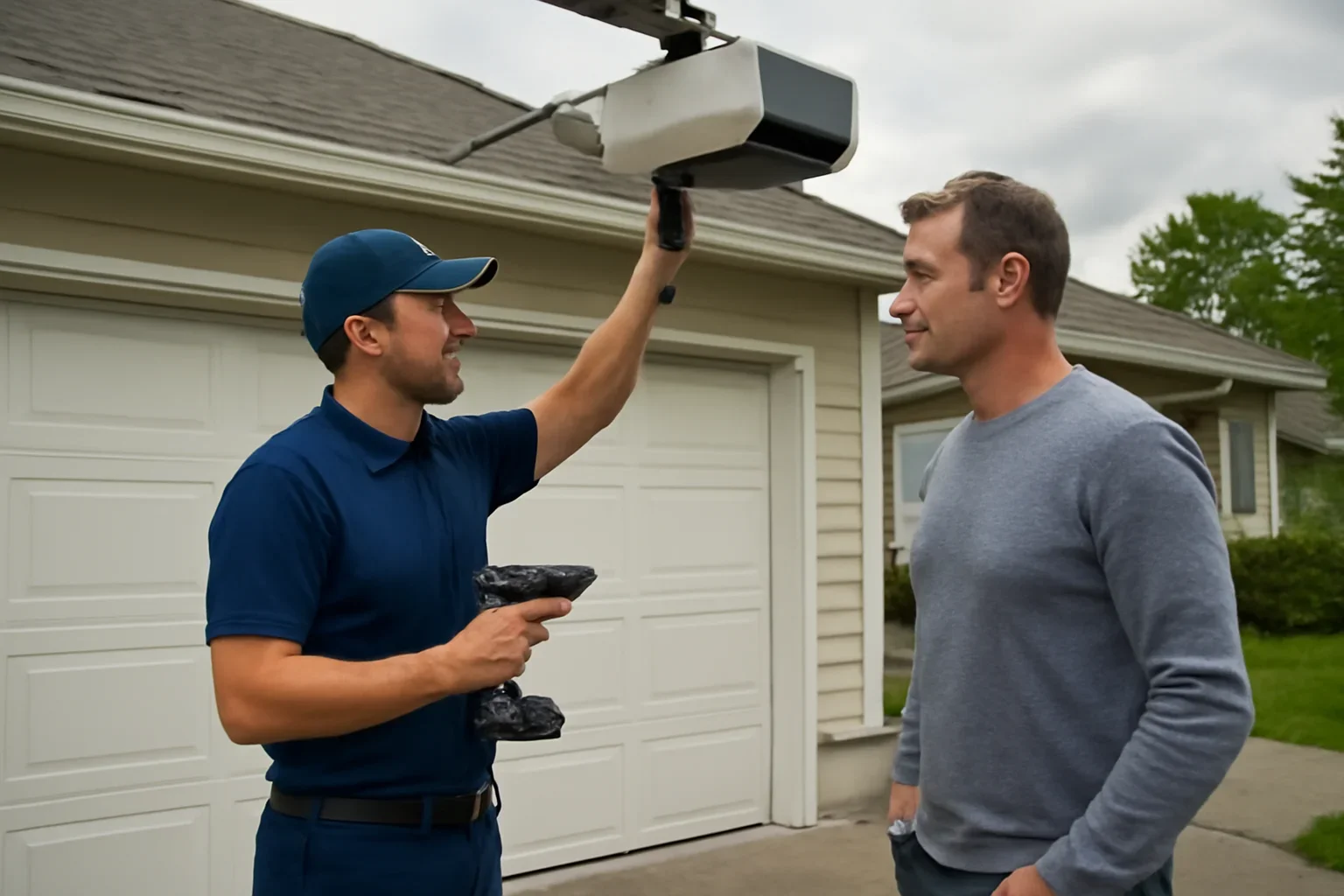
An opener guides a balanced door through its travel path. It should not be used to overcome worn rollers, a broken spring, tight tracks, damaged hinges, or an uneven cable system.
Installation may be part of a new door project or a practical upgrade when the existing opener no longer suits the garage or the household.
A balanced manual door may be suitable for an opener after the top section, track layout, ceiling space, electrical supply, and safety-sensor locations are reviewed.
Repeated failures, unavailable parts, excessive noise, unreliable controls, poor safety behaviour, or limited compatibility can make a new opener worth comparing with repair.
The opener, rail, reinforcement, controls, power, sensors, and ceiling supports can be planned with the new door instead of adapted later.
Wall controls, remotes, keypads, and compatible connected features can be planned around household access, detached buildings, tenants, family members, or work use.
Noise, vibration, room location, ceiling construction, and opener mounting can matter more when bedrooms or living areas are beside or above the garage.
Taller, wider, heavier, or high-cycle doors may need different opener capacity, rail length, mounting, controls, and commercial-style planning.
A useful site review looks at the door, ceiling, electrical setup, access controls, and the space used by vehicles and storage.
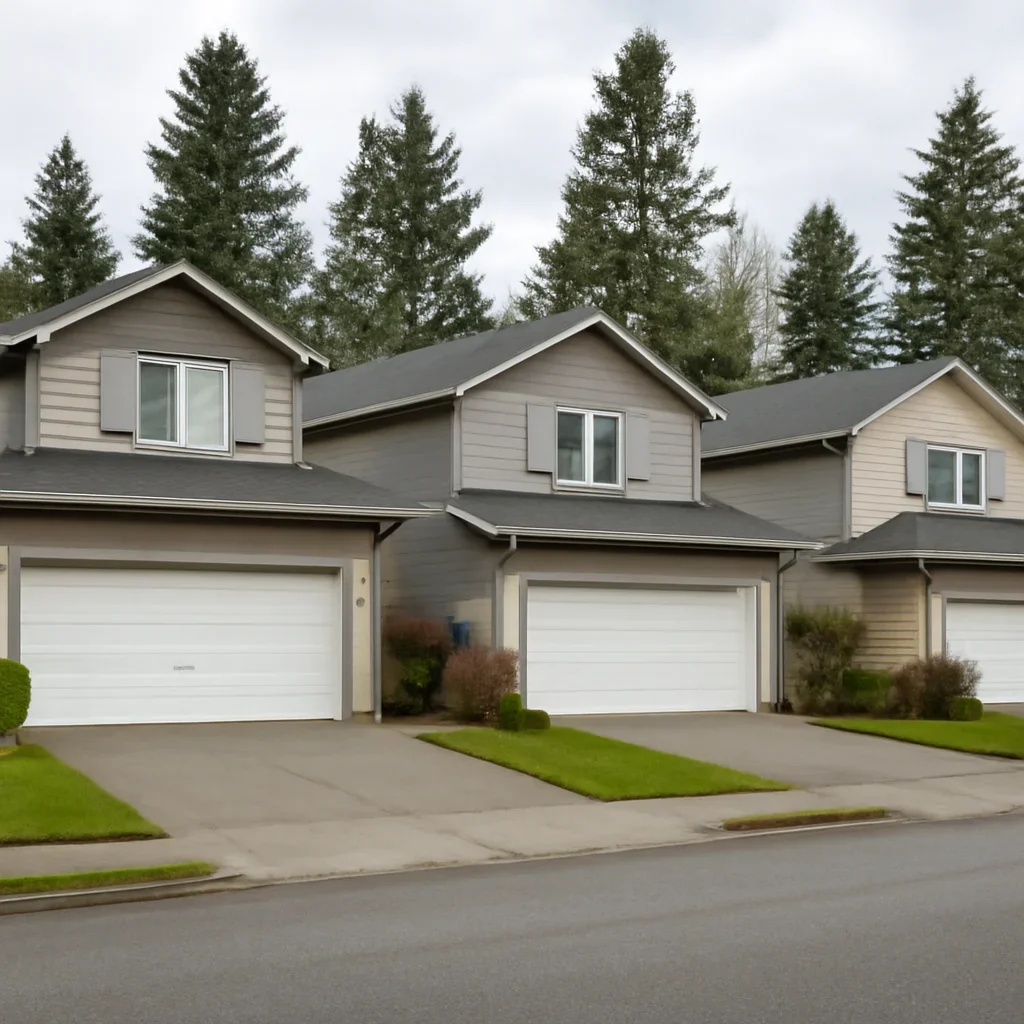
The right system depends on door compatibility, ceiling layout, noise priorities, access needs, and how often the door is used.
Belt, chain, screw, or other drive arrangements have different noise, maintenance, clearance, and compatibility considerations. The rail length must suit the door height.
A standard single door, double door, tall workshop door, or frequently used entrance may require different opener capacity and mounting support.
Wall stations, remotes, keypads, and compatible connected controls should be selected around who uses the garage and how access codes or devices will be managed.
Available features may include lighting and backup options, but compatibility, local power conditions, garage use, and maintenance expectations should be confirmed before approval.
The exact work depends on whether an old opener is being removed, the door needs preparation, and the ceiling already has suitable power and mounting points.
The door is checked for balance, smooth travel, hardware condition, top-section reinforcement, and any repair that should happen before powered operation.
The opener position, rail path, header attachment, ceiling supports, power outlet, lights, beams, and storage clearances are reviewed.
The motor unit, rail, trolley, arm, wall control, photo-eye sensors, remotes, keypad, and compatible accessories are installed as included in the approved scope.
Travel limits, force behaviour, safety reversal, sensor response, manual release, controls, lighting, and full door movement are tested before normal use.
A standard centre-mounted rail may not suit every garage. The existing door and structure determine which layouts are practical.
Low track clearance, beams, soffits, or shallow ceilings can affect rail position, door-arm geometry, lights, and the ability to mount supports correctly.
Tall openings, high-lift tracks, extended vertical travel, or oversized doors may require a different opener layout and more detailed support planning.
Ceiling racks, roof boxes, open tailgates, raised vehicles, trailers, and workshop equipment can conflict with the opener rail or door travel path.
The practical choice depends on the age and condition of the opener, parts availability, safety performance, control needs, and the condition of the door itself.
For an existing failed unit, compare garage door opener repair and garage door opener replacement before approving a new installation.
The complete scope depends on the door, selected opener, controls, ceiling, electrical readiness, and preparation work.
A site-specific estimate should confirm the included equipment and preparation before installation is approved.
Aldergrove garages range from older attached spaces and town-lot garages to detached shops, acreages, barns, and larger workshops. Older buildings may have limited outlets, previous opener wiring, low ceilings, uneven framing, or door hardware that needs repair first.
Detached garages may need a practical plan for keypad or remote access when there is no interior entry. Acreage and workshop doors can be taller, wider, heavier, or used more often, which affects rail length, opener capacity, controls, support, and travel distance for service.
Share gate instructions, driveway conditions, garage use, door size, ceiling height, power location, vehicle clearance, and photos showing the full door and ceiling.
These pages can help compare installation, repair, controls, and local service options.
Springs, cables, drums, and bottom fixtures can remain under high tension. Door preparation should be included in the assessed repair or installation scope.
Use the service booking page when an existing opener or door is currently failing and you need the problem assessed before deciding between repair and installation.
Share whether the door is open or closed, what the motor and lights are doing, any sounds or error behaviour, and whether the door can move smoothly by hand.
If the door is stuck open, trapping a vehicle, off track, hanging crooked, or affected by a broken spring or cable, opener installation should wait until the door is safe.
Review same-day garage door repair for urgent availability factors and safety guidance.
These answers cover door readiness, opener selection, ceiling clearance, controls, detached garages, replacement decisions, and estimate preparation.
The door should be checked for balance, smooth manual travel, spring and cable condition, track and roller movement, top-section reinforcement, ceiling clearance, power, sensor mounting space, and compatibility with the planned opener.
Not automatically. The door must be structurally suitable, properly balanced, compatible with powered operation, and supported by appropriate tracks, springs, reinforcement, and clearances. Damaged or binding doors should be repaired first.
The choice depends on door size, height, weight, track layout, cycle frequency, ceiling space, noise priorities, controls, access needs, and available features. Capacity should be matched to the complete door system rather than selected by motor size alone.
It depends on compatibility and condition. Rails, trolleys, sensors, wall controls, remotes, keypads, wiring, and supports should not be assumed interchangeable between different opener systems.
Yes, when the door, ceiling, power, access, and control plan are suitable. A detached garage may place more importance on keypad access, remote range, exterior entry, lighting, and how the building can be entered if power or the opener fails.
Replacement may be worth comparing when the opener has repeated failures, unavailable parts, major rail or motor damage, unreliable safety behaviour, incompatible controls, or poor suitability for the current door and access needs.
Share your Aldergrove address, garage type, door width and height, current opener details, ceiling height, outlet location, photos of the door and ceiling, control preferences, access concerns, gate or driveway instructions, and preferred timing.
Book an assessment first. The door should be inspected for balance, spring, cable, track, roller, hinge, and panel problems before deciding whether opener repair, replacement, or new installation is appropriate.
Include your address, garage type, door size, current opener details, ceiling height, power location, photos, access-control priorities, vehicle-clearance concerns, gate or driveway instructions, and preferred timing.