01
New or increasing noise
Squeaking, scraping, rattling, grinding, popping, or banging may point to wear, looseness, poor alignment, or opener strain.

Book garage door maintenance for inspections, lubrication, balance checks, hardware review, sensor testing, opener checks, and seasonal wear monitoring.
Maintenance is not only about reducing noise. It helps identify changes in springs, cables, rollers, tracks, hinges, seals, controls, and opener performance before the door becomes unreliable or unsafe.
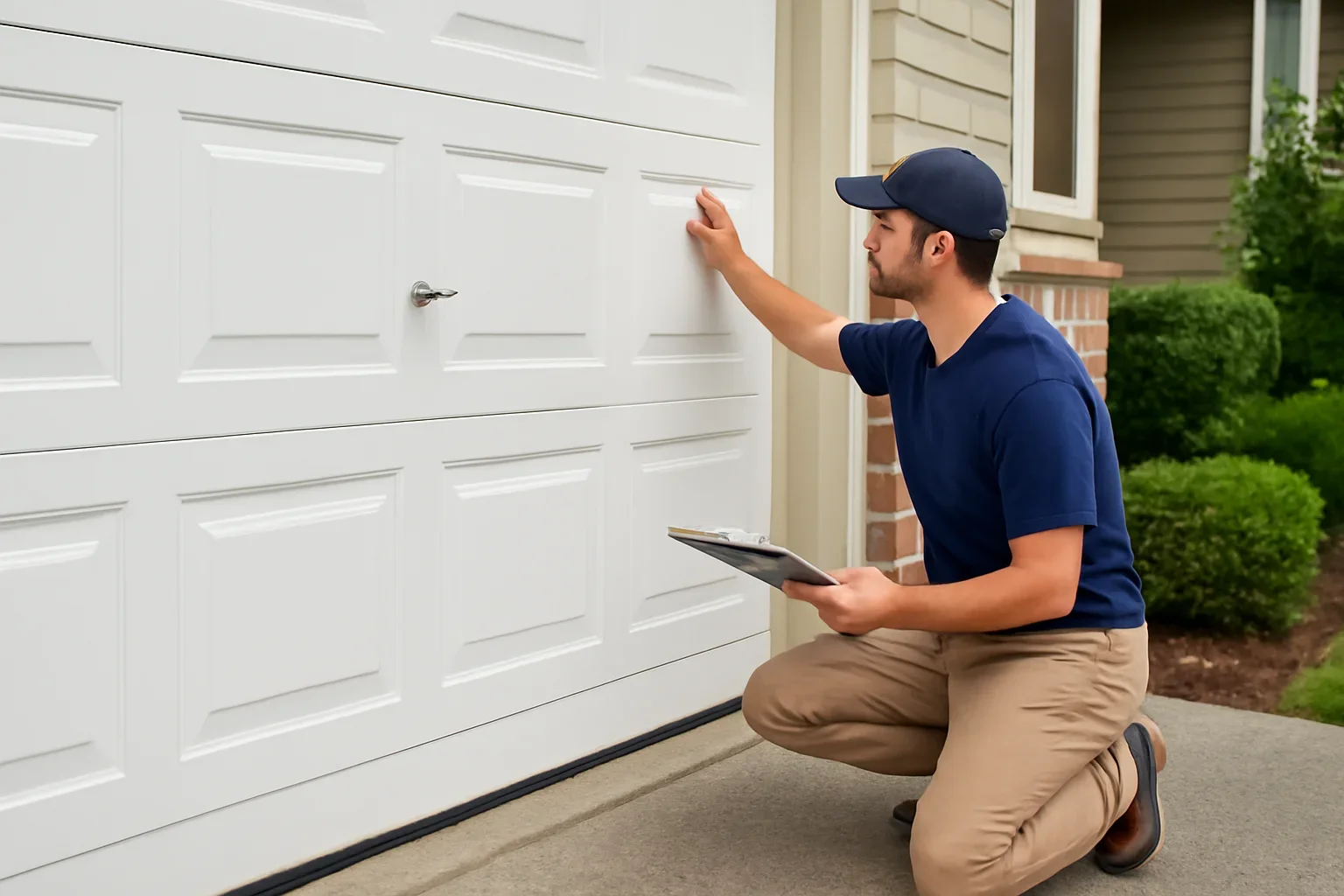
Maintenance is useful for doors that still operate but have started to show changes in sound, movement, sealing, controls, or overall reliability.
Squeaking, scraping, rattling, grinding, popping, or banging may point to wear, looseness, poor alignment, or opener strain.
Changes in speed may involve rollers, tracks, balance, opener settings, drive components, or mechanical resistance.
Worn rollers, loose hardware, track issues, panel movement, spring trouble, or opener strain may interrupt smooth operation.
A change in balance can place extra load on springs, cables, tracks, rollers, hinges, and the opener.
Misaligned sensors, damaged brackets, wiring, door resistance, travel, or force settings may affect closing.
Bottom, side, or top seals may be worn, flattened, damaged, or no longer contacting the opening correctly.
Hinges, brackets, fasteners, rollers, tracks, and panel connections can change over time and with repeated use.
Wet, cold, hot, or windy conditions can expose sealing, corrosion, drainage, lubrication, and opener issues.
Do not loosen, tighten, wind, remove, or reposition springs, cables, drums, bottom brackets, shafts, or other high-tension components.
Stop using the door if it is off track, hanging unevenly, supported by a loose cable, dropping quickly, or visibly damaged around the spring system.
The exact checklist depends on the door, opener, property type, usage, age, and current condition.
Smoothness, speed, shaking, hesitation, closing contact, and changes through the full travel path.
Whether the spring system supports the door without excessive weight, drifting, or uneven movement.
Rollers, hinges, tracks, brackets, fasteners, reinforcement, and visible wear or movement.
Springs, cables, drums, shafts, attachment points, and signs of corrosion or damage.
Drive, rail, trolley, wall control, remotes, keypad, lighting, travel, force, and connected features.
Sensor alignment, wiring, obstruction response, automatic reversal, and safe final operation.
Homeowners can watch for changes without taking apart or adjusting the spring, cable, drum, or track system.
Look for uneven travel, shaking, jerking, hesitation, scraping, or a door that no longer closes squarely.
Note where grinding, squeaking, clicking, rattling, popping, or banging begins during the cycle.
Without touching high-tension components, look for loose hardware, worn rollers, damaged seals, bent tracks, or frayed cables.
Check whether sensor indicators remain steady and whether the door responds normally to an obstruction.
Test the wall button, remotes, keypad, and app access while noting delays, missed signals, or inconsistent response.
Look for light, drafts, water entry, flattened bottom rubber, damaged side seals, or gaps around the opening.
Not every part should be lubricated, and excess product can attract dirt or affect surfaces. Follow the door and opener manufacturer’s instructions for approved products and application points.
Do not lubricate safety sensors, opener belts, electrical parts, track surfaces, or components that the manufacturer says should remain dry.
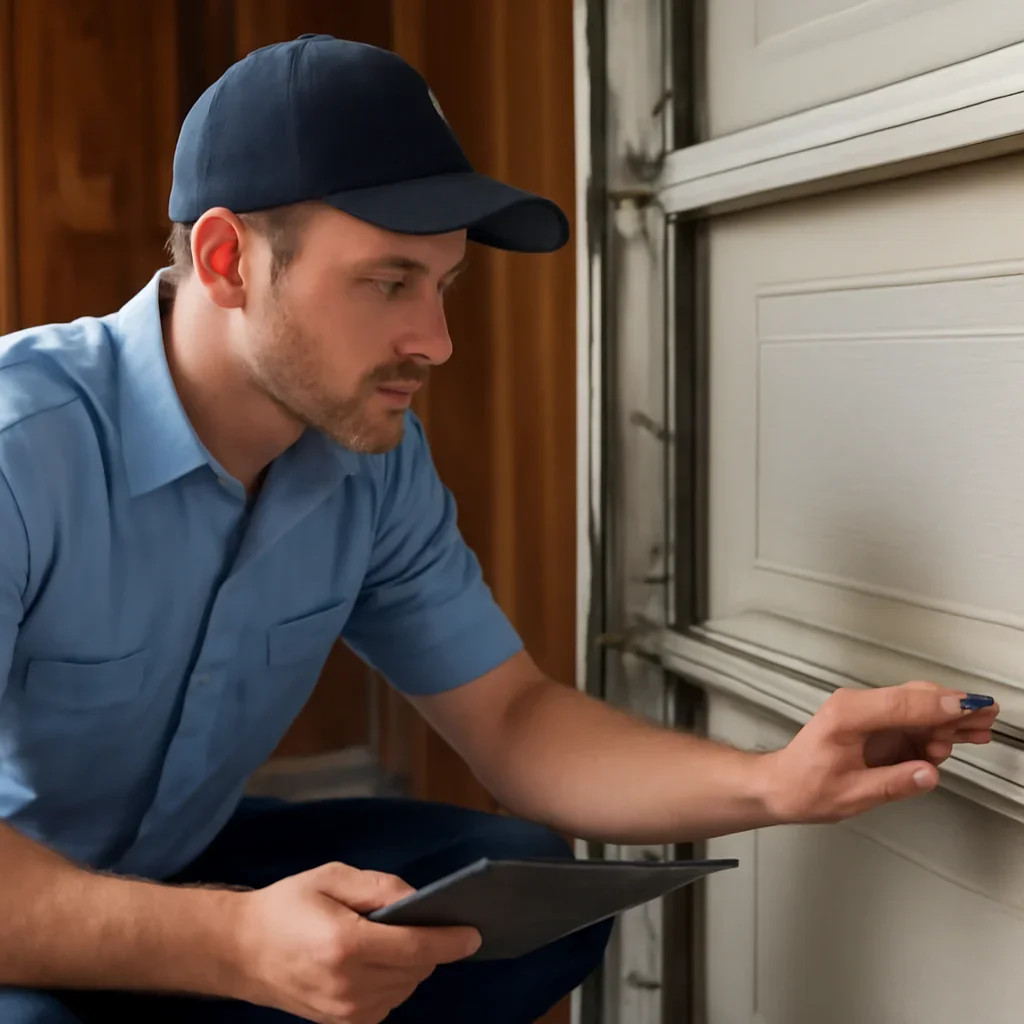
Lubrication may help suitable moving points, but it cannot correct a broken spring, bent track, damaged roller, loose cable, cracked hinge, poor balance, or failing opener.
Seasonal checks can focus on moisture, corrosion, seals, drainage, temperature changes, opener performance, and outdoor controls.
Look for water entry, standing moisture, rust, damaged seals, blocked drainage, swollen materials, and slippery thresholds.
Watch for stiff seals, slow movement, battery weakness, ice near the threshold, and changes in opener behaviour.
Heat and direct sun can affect finishes, seals, electronics, batteries, and material movement.
Inspect the opening, seals, tracks, exterior controls, and door surface after storms or heavy debris exposure.
Maintenance should identify serviceable items, worn parts, safety concerns, and repairs that should be addressed separately.
Movement, noise, speed, vibration, balance, controls, closing, and opener behaviour are reviewed.
Springs, cables, drums, rollers, tracks, hinges, panels, seals, opener parts, and sensors are checked.
Approved adjustments, tightening, cleaning, lubrication, programming, and minor service are completed where appropriate.
The door is cycled and any repair, replacement, safety, or monitoring recommendations are reviewed.
Maintenance can identify wear, but broken, unstable, or unsuitable parts may require a dedicated repair before the door is used normally.
A heavy, drifting, slamming, or rising door may need dedicated balance and spring-system work.
Loose or damaged cables require inspection of the drums, springs, tracks, and lower fixtures.
Motor, drive, rail, controls, travel, force, receiver, lighting, or connectivity may need separate repair.
Misalignment, damaged wiring, brackets, lenses, or control faults may prevent reliable closing.
Major panel, track, framing, or repeated system damage may justify a replacement comparison.
An unstable, unsecured, off-track, or access-blocking door may require same-day service.
Maintenance may reveal a focused balance, cable, opener, sensor, or sealing problem that needs its own repair path.
For doors that feel heavy, drift, rise, slam, move unevenly, or place extra strain on the opener.
Review Balance AdjustmentFor frayed, loose, snapped, or off-drum cables and doors that hang crooked or jam.
Review Cable RepairFor motor, rail, drive, controls, remotes, keypad, travel, force, or receiver problems.
Review Opener RepairFor drafts, light, moisture, pests, damaged bottom rubber, or gaps around the opening.
Review Weather-Seal ReplacementNewer homes and townhouses may focus on quiet operation, smart controls, sensors, keypads, and regular daily use.
Established homes may need closer review of older springs, cables, rollers, tracks, seals, and openers.
Attached garages may prioritize smooth movement, insulation, noise control, weather sealing, and reliable access.
Older or custom properties may have non-standard hardware, openings, tracks, controls, and compatibility needs.
Workshops, detached garages, acreages, and rural properties may use larger doors and face greater weather exposure.
A lightly used single residential door may need a different inspection schedule from a large workshop or commercial door with frequent daily cycles.
Use the same-day repair path if the door is stuck, unstable, unsecured, off track, hanging unevenly, or blocking normal access.
Explore Same-Day RepairRequest an estimate when maintenance reveals widespread wear, repeated failures, structural damage, poor insulation, or unavailable parts.
Request a Free EstimateThe scope depends on the number of doors, size, age, opener type, condition, access, required adjustments, and whether repairs are found.
A basic inspection differs from a visit that includes programming, adjustments, hardware service, lubrication, or multiple doors.
Broken, worn, unsuitable, or unsafe components may require separate parts and labour beyond maintenance.
Review how door size, hardware, opener condition, access, labour, parts, and urgency can affect the final scope.
Review Repair Cost GuidanceBook maintenance when you notice new noise, slower movement, shaking, sealing problems, control issues, visible wear, or when you want a seasonal inspection before a failure occurs.
There is no single schedule for every property. Frequency depends on door age, daily use, size, environment, opener type, manufacturer guidance, and current condition.
No. Components can still wear, break, or be damaged. Maintenance can help identify changes earlier and reduce avoidable strain or neglected wear.
Do not adjust springs, cables, drums, shafts, bottom brackets, or other high-tension components. Keep clear of an unstable or off-track door.
Only use products and application points approved by the door and opener manufacturers. Not every surface should be lubricated, and lubrication cannot repair damaged parts.
It can, depending on the booked scope. Confirm whether wall controls, remotes, keypad, sensors, travel, force, reversal, lighting, and smart features are included.
Share the property address, number of doors, approximate age, opener type, new sounds, movement changes, control issues, visible wear, and preferred timing.
Use the contact page when you are unsure whether the door needs maintenance, repair, opener service, or replacement planning.
Share the property location, number of doors, approximate age, opener type, new sounds, movement changes, control issues, and preferred timing.