01
Repeated opener failures
Recurring motor, drive, rail, trolley, control, sensor, or programming problems may make replacement worth comparing.
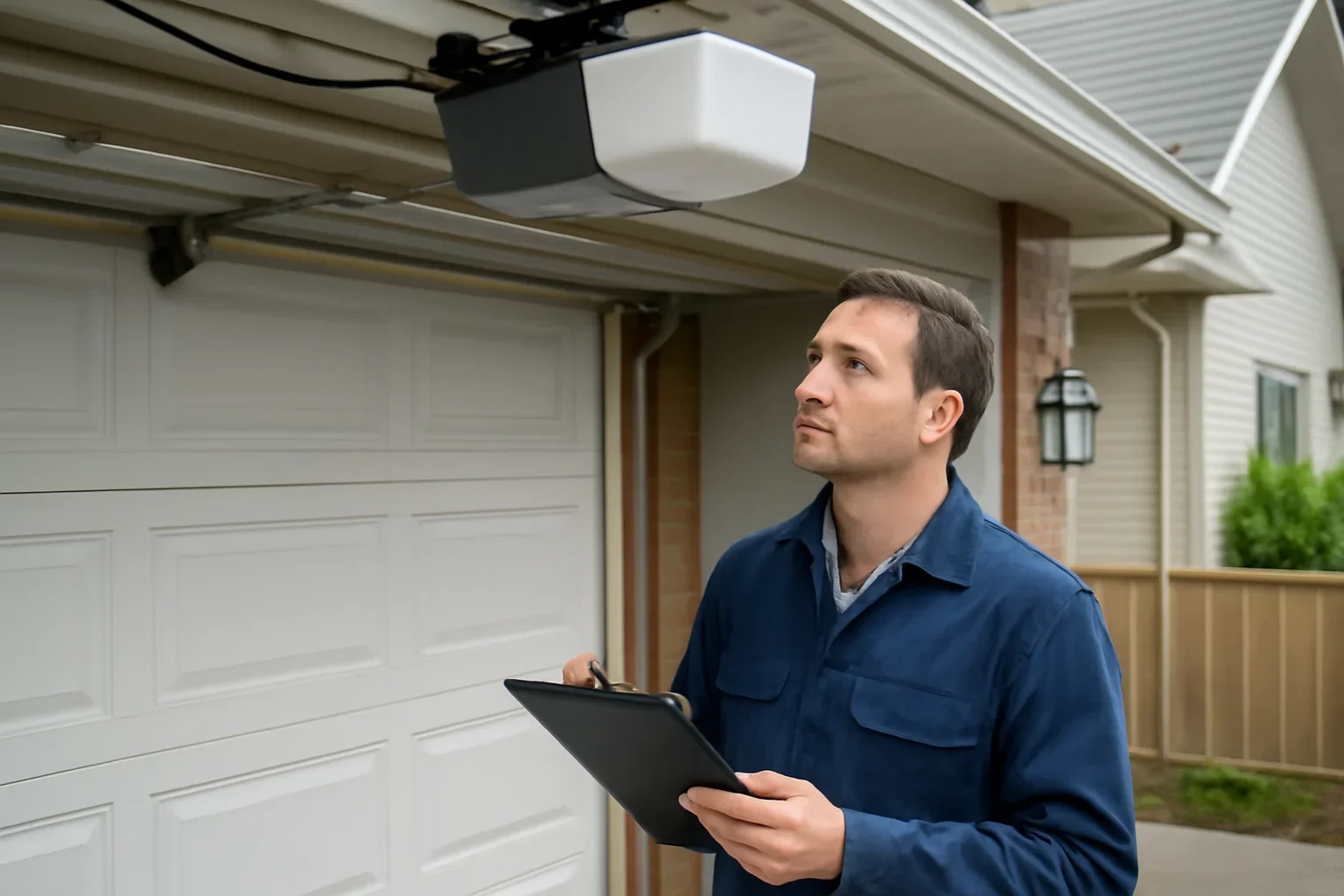
Replace an older or unreliable opener with a system selected for the garage door’s size, weight, balance, track layout, ceiling space, daily use, and access needs.
Replacement should include more than changing the motor unit. The rail, trolley, controls, sensors, mounting, power, accessories, door mechanics, and final safety settings should all be reviewed.
Replacement can be worth comparing when repair no longer provides a practical match for the opener’s condition, compatibility, reliability, or required features.
Recurring motor, drive, rail, trolley, control, sensor, or programming problems may make replacement worth comparing.
Widespread wear or damage to the motor, drive, rail, control board, receiver, or mounting may expand the repair scope.
Some older systems may no longer support suitable controls, sensors, remotes, keypads, or replacement components.
Intermittent stopping, reversal, missed controls, unusual noise, or inconsistent travel may affect normal access.
A household, rental, workshop, or business may need different remotes, keypad access, user permissions, or connected controls.
A replacement system may support backup operation where a power interruption would otherwise limit garage access.
Attached garages may benefit from reviewing the opener type, rail, mounting, door hardware, and vibration sources together.
A changed door size, weight, height, track system, or construction may require a different opener and rail setup.
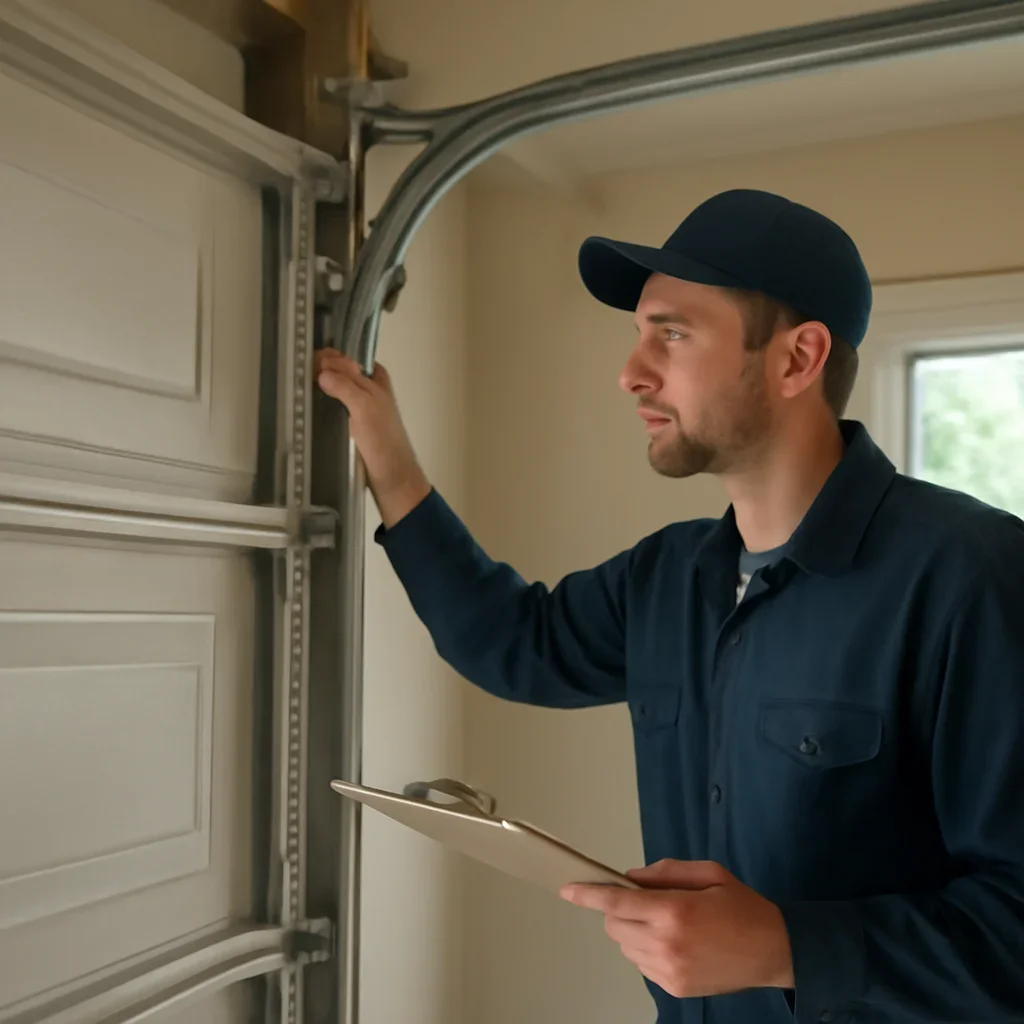
Springs, cables, rollers, tracks, hinges, panels, balance, and manual movement should be checked before replacement.
The opener should guide a serviceable door rather than carry excessive weight or force the door through mechanical resistance.
The failed part matters, but so do the opener’s age, rail, controls, available parts, door compatibility, access needs, and total repair scope.
May make sense when one serviceable component has failed and the remaining opener system is compatible and in suitable condition.
Recurring breakdowns can signal wider wear, compatibility issues, or a system that no longer suits the property.
Controls, keypad access, battery backup, lighting, smart access, or user permissions may influence replacement.
A new or heavier door, different height, changed track layout, or altered use may require a different opener setup.
Repair may be less practical when suitable parts, controls, sensors, or accessories are unavailable or incompatible.
Removal, installation, rail, controls, sensors, programming, door repairs, and final testing should be compared together.
A suitable replacement depends on the door, garage layout, operating cycles, noise priorities, controls, power, and access requirements.
Single, double, oversized, insulated, wood, full-view, and workshop doors may need different opener and rail planning.
The rail must suit the door’s travel and available backroom without interfering with ceiling storage or obstructions.
Drive choice can affect noise, maintenance, operating feel, mounting, speed, and garage compatibility.
Frequently used homes, workshops, shared garages, and commercial spaces may need different durability and control planning.
Beams, ducts, lights, storage, high ceilings, low headroom, and special tracks can affect the replacement layout.
Electrical outlet location, battery backup, manual release, and alternate entry should be considered before installation.
Wall controls, remotes, keypads, vehicle controls, sensors, lighting, and compatible accessories should be confirmed.
App control, alerts, schedules, user permissions, network coverage, and privacy settings may influence product selection.
An opener replacement may change which remotes, keypads, vehicle controls, apps, sensors, and wall stations remain compatible.
The workflow depends on the existing opener, new equipment, rail, mounting, electrical access, controls, and garage-door condition.
Door balance, springs, cables, tracks, rollers, motor, rail, controls, sensors, mounting, and power are reviewed.
The opener, rail, controls, sensors, remotes, keypad, lighting, battery backup, and connected features are selected.
The old system is disconnected and suitable new components are mounted, aligned, wired, and connected to the door.
Travel, force, reversal, sensors, controls, manual release, lighting, battery backup, and several full cycles are checked.
Final setup should confirm that the door is balanced, the opener is aligned, safety systems respond correctly, and approved controls work as expected.
The door should not be excessively heavy, drift sharply, slam, or bind before the opener is configured.
The opener should stop in the correct open and closed positions without forcing the door.
Force should suit a properly operating door and should not be increased to cover mechanical resistance.
Both sensors should remain aligned with clear wiring and correct response when the beam is interrupted.
Users should understand the release and know that an unbalanced or damaged door may be unsafe to move manually.
Approved remotes, keypad, wall control, app accounts, and old-device removal should be reviewed.
The final scope depends on the selected opener, rail, accessories, removal, mounting, power, controls, door condition, and related repairs.
Door height, drive system, rail length, motor unit, expected use, and ceiling layout affect the required equipment.
Remotes, keypad, wall station, battery backup, lighting, smart access, and compatible devices can change the project.
Old-opener removal, mounting support, power, wiring, sensor locations, and ceiling obstructions may affect labour.
Springs, cables, tracks, rollers, hinges, panels, reinforcement, or balance work may be required before installation.
Townhouses and newer homes may prioritize quiet operation, keypads, smart access, shared-driveway use, and compact ceilings.
Established homes may require compatibility checks for older doors, rails, wiring, controls, and mounting points.
Attached garages may place greater importance on noise, lighting, secure access, battery backup, and daily reliability.
Older or custom properties may have non-standard door sizes, ceiling layouts, electrical access, or hardware.
Detached garages, acreages, workshops, and rural buildings may require larger-door compatibility, network review, and backup access.
A townhouse garage, attached double garage, detached building, acreage workshop, and commercial bay can each require different opener, rail, control, and access planning.
Replacement may overlap with a new installation, garage-door repair, access programming, or a larger door project.
For new construction, manually operated doors, detached garages, workshops, and complete opener planning.
Review Opener InstallationFor springs, cables, tracks, rollers, hinges, panels, balance, or other mechanical problems affecting opener operation.
Review Garage Door RepairFor compatible apps, alerts, user permissions, schedules, connected controls, and access planning.
Explore Smart IntegrationsDoor balance, springs, cables, tracks, rollers, sensors, controls, rail, drive, and safety response should be monitored over time.
Review Garage Door MaintenanceConfirm manufacturer, accessory, battery, component, and workmanship terms along with exclusions, registration, and claim requirements.
Review Warranty GuidanceConsider replacement when failures are recurring, major components are damaged, suitable parts are unavailable, compatibility is limited, or the system no longer supports the required access and safety features.
Possibly, but the door, springs, cables, tracks, rollers, hinges, balance, reinforcement, height, and weight should be checked first.
Rail reuse should not be assumed. Compatibility depends on the selected opener, rail design, length, drive system, trolley, mounting, condition, and manufacturer requirements.
Some may not. Compatibility depends on the new opener’s wireless system, model, supported devices, programming method, and accessory condition.
The included equipment depends on the quoted package. Confirm the opener, rail, controls, sensors, remotes, keypad, battery backup, lighting, removal, and programming before approval.
A compatible system may support app control, alerts, schedules, user permissions, and connected features. Network coverage and privacy settings should also be reviewed.
Provide the property address, door size and height, existing opener model, current problems, ceiling photos, power location, preferred controls, and desired timing.
Use the contact page when you need help comparing opener repair, replacement, installation, or related garage-door work.
Share the property location, door size and height, existing opener model, current symptoms, ceiling photos, power access, preferred controls, and project timing.