The opener will not move the door
Loss of power, control faults, a disengaged trolley or a heavy door can all create a no-movement complaint.
- The opener clicks but does not run
- The motor runs but the door stays still
- The door lifts only a few inches

Get help with a Genie opener that will not move, reverses unexpectedly, loses remote connection, ignores the keypad or no longer operates reliably.
A correct diagnosis begins with both parts of the system: the Genie opener and the physical garage door. Sensors, limits, controls and motor operation should be checked alongside springs, cables, rollers, tracks and door balance.
Service guidance for Genie belt-drive, chain-drive, screw-drive and compatible wall-mounted opener systems in Langley homes.
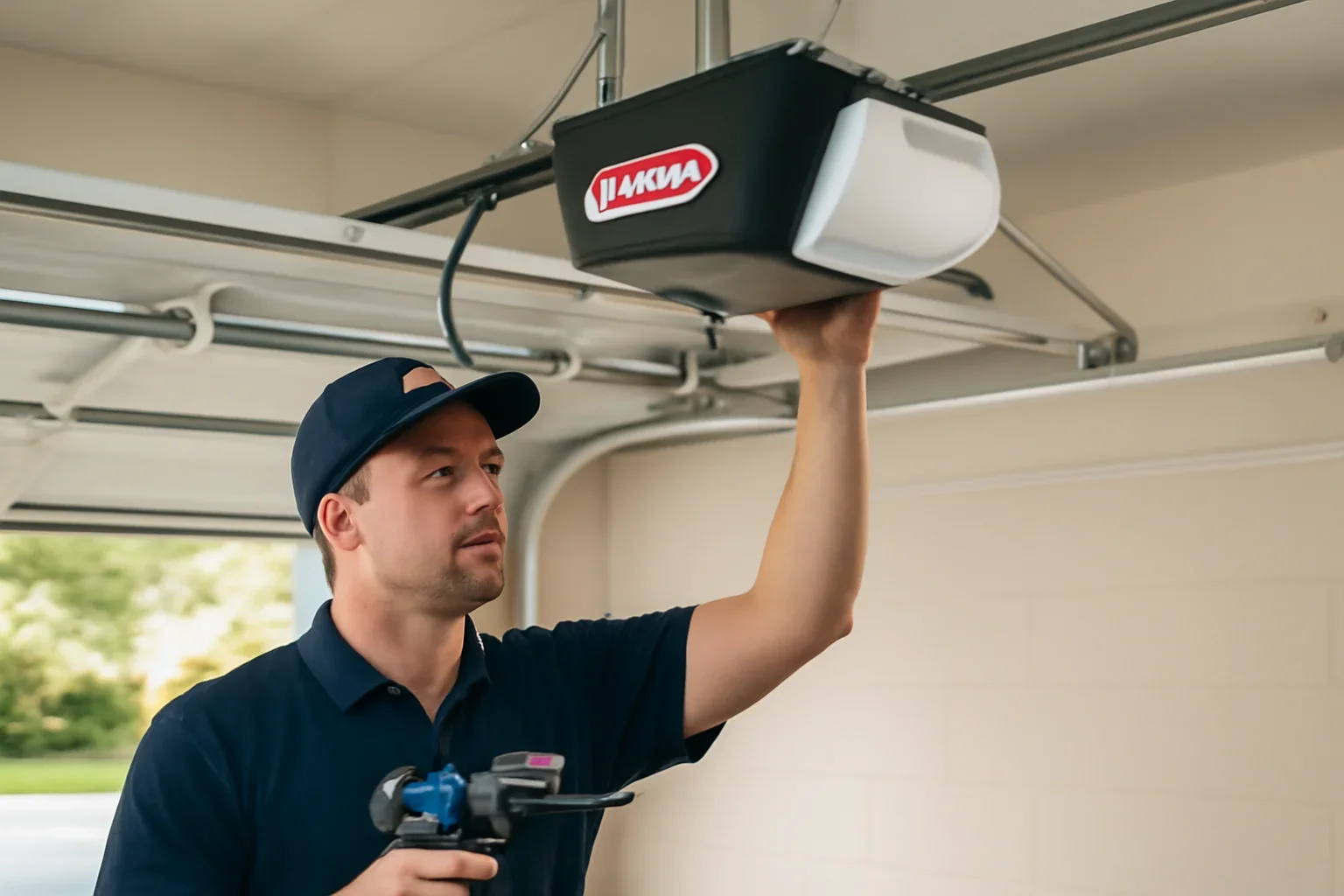
The way the opener responds can help separate a control, sensor or motor issue from a mechanical garage-door problem.
Loss of power, control faults, a disengaged trolley or a heavy door can all create a no-movement complaint.
Sensor alignment, wiring, obstructions, travel settings or resistance in the door can interrupt closing.
Battery condition, programming, radio interference and model compatibility should be checked before replacing the opener.
Stop operating the system when the door is extremely heavy, hanging unevenly, off its track or showing a broken spring or loose cable. These conditions require broader garage door opener and door-system diagnosis before the opener is used again.
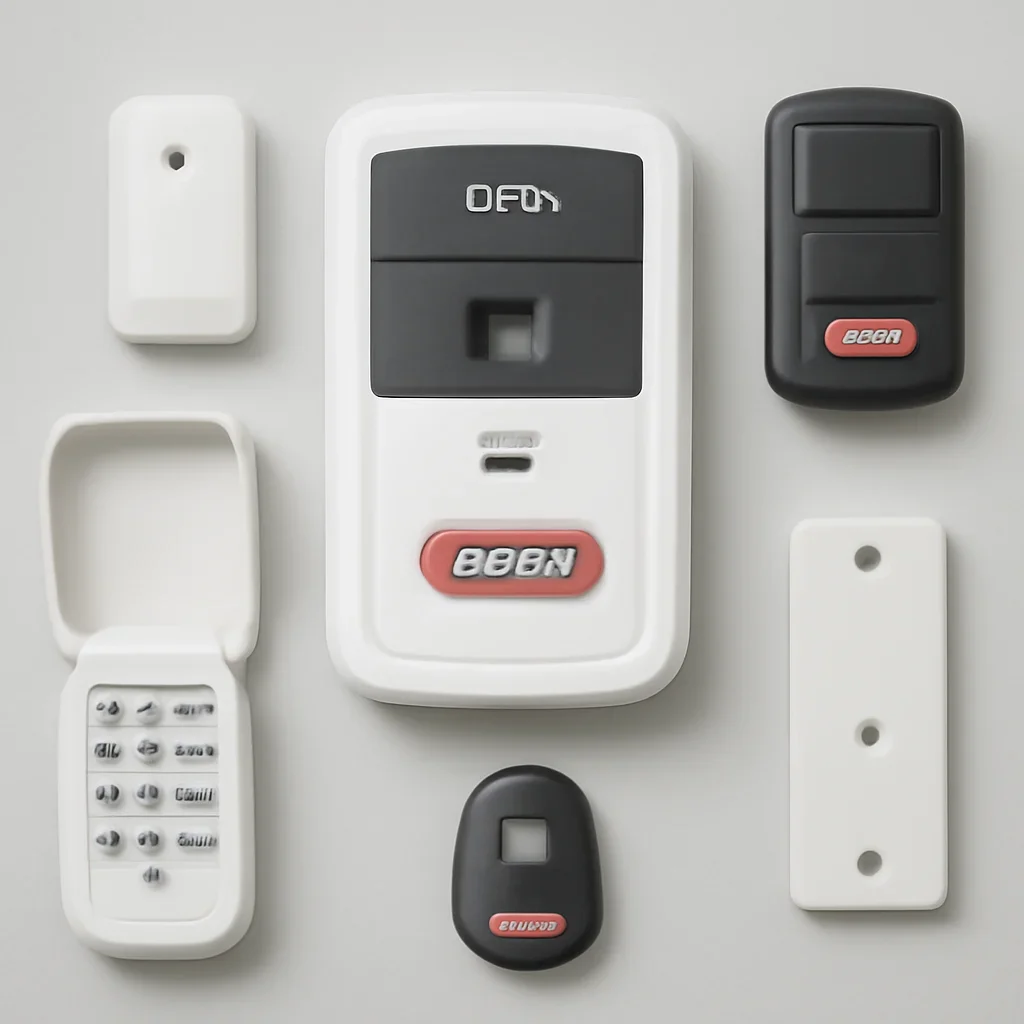
Langley includes compact townhome garages, newer attached garages, established detached homes and larger rural workshops. Opener priorities can change depending on ceiling space, door size, room location and how often the garage is used.
Including the property type and access details helps distinguish a straightforward control issue from a setup that may need different hardware or replacement planning.
The Genie name alone is not enough to select a replacement remote, keypad, sensor or internal component.
A full service assessment can include controls, sensors, drive components, travel settings and the connection between the opener and door.
Sensor alignment, mounting, wiring and indicator lights should be checked when the door refuses to close or reverses unexpectedly.
Remote compatibility depends on the opener generation and radio system. Battery condition and programming should be checked first.
A keypad may need a new battery, PIN reset or model-specific programming sequence rather than complete replacement.
Lock settings, wiring, button faults and control compatibility can affect operation from inside the garage.
Noise, slipping, incomplete travel or trolley movement may involve the drive system rather than the motor alone.
Incorrect limits or resistance in the door can cause incomplete opening, premature stopping or reversal.
Closing problems often involve the safety-sensor system, but wiring, door resistance, travel settings and obstructions may create similar symptoms.
Programming steps and accessory compatibility vary between older and newer Genie opener generations.
Weak batteries may reduce remote range, cause intermittent keypad response or make programming appear unsuccessful.
A remote that resembles the original may still use a different radio or programming system. Match it to the opener model.
Current and older Genie units can use different button locations, LED colours and learning procedures.
Some wall controls can disable remote operation while still allowing the wired wall button to operate the door.
Interference near the opener may reduce remote range even when the remote and receiver are functioning.
Lost remotes or unknown previous users may justify reviewing stored controls and reprogramming authorized devices.
Some Genie openers include compatible Wi-Fi controls, while selected older systems may work with a retrofit controller. Compatibility should be confirmed from the opener model and existing safety system.
The opener is in suitable operating condition, the model supports the intended controller and stable Wi-Fi reaches the garage.
Connected access can then be evaluated for monitoring, alerts and authorized user access.
The existing unit already has significant mechanical or electrical problems, lacks compatible safety equipment or requires several upgrades at once.
Replacement can then be compared with continuing to invest in an aging opener and separate accessories.
The better option depends on the failed component, opener condition, accessory compatibility and whether the door itself operates correctly.
The opener is generally reliable and the issue is limited to sensors, wiring, controls, programming, a trolley component or another serviceable part.
Repair may also be practical when the model remains suitable for the door and replacement accessories are available.
The opener has repeated faults, major internal wear, unavailable components, poor compatibility or no longer provides the access and safety features the household needs.
Door balance and track movement should still be corrected before a new opener is selected.
A structured process helps avoid replacing electronics when the actual cause is the door, controls or sensor system.
The opener label, drive type, controls, indicator behaviour and current door position are reviewed.
Door balance and movement are considered separately from motor, rail, sensor and control operation.
Programming, repair, accessory replacement and complete opener replacement are compared based on the findings.
Clear model details and a short description can reduce uncertainty before the opener is inspected.
Use these pages to compare broader opener choices, diagnosis, replacement and connected-access planning.
Direct answers about sensors, remotes, keypad setup, smart access and repair decisions.
The safety sensors may be blocked, misaligned, damaged or affected by wiring problems. Door resistance, incorrect travel settings and other control faults can create similar symptoms, so both the sensors and mechanical door should be checked.
Possible causes include a control fault, motor or drive problem, disengaged trolley or a garage door that has become too heavy because of a broken spring or balance issue.
It depends on the opener model, manufacturing generation and radio system. Confirm compatibility from the opener label rather than choosing a remote only by appearance.
Check the keypad battery, PIN, programming, opener lock setting and model compatibility. Older and newer Genie systems may use different programming procedures.
Some existing openers can use a compatible retrofit controller, while other models have connected access built in. The opener model, safety system and garage Wi-Fi should be confirmed first.
Noise may come from the opener rail or drive system, but rollers, hinges, springs, tracks and poor door balance can also transfer vibration into the opener and ceiling.
The opener must suit the door size, weight, track arrangement, spring balance and operating condition. A correctly selected opener should not be used to compensate for a heavy or binding door.
Replacement may be practical when major parts are unavailable, faults keep returning, several systems are worn or the opener no longer supports the controls and safety features the household needs.
Send the model label, opener housing, rail, wall control, remotes, keypad, safety sensors and a full view of the garage door. Include any visible light pattern without touching moving or tensioned components.
Send the opener model, your Langley location, the controls that still work and a description of what happens when you try to open or close the door.