Garage door repair
Use this path for a door that is noisy, stuck, heavy, uneven, damaged, off-track, or unreliable during opening and closing.
Explore Brookswood garage door repair
A noisy, stuck, damaged, aging, or unreliable garage door can disrupt parking, storage, security, and family routines. This Brookswood service hub helps you move directly to the repair, opener, installation, or urgent-service page that matches the issue.
Brookswood is known for mature detached homes, larger driveways, established garages, and renovation activity. Door age, daily use, tree debris, moisture exposure, opener noise, and access around parked vehicles can all affect what should be inspected first.
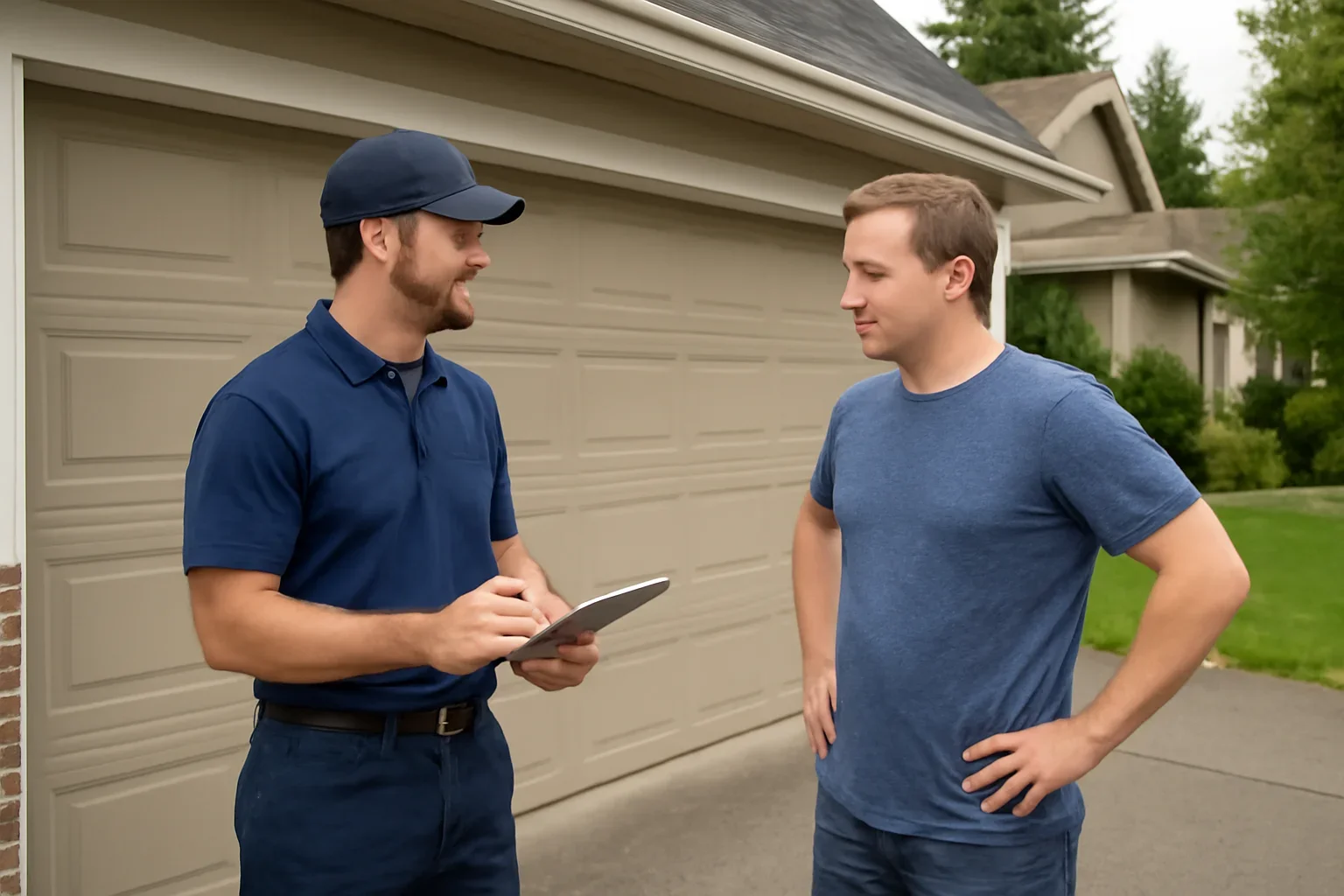
Start with the page that best matches the main symptom or project. A focused local page gives you more useful guidance than a broad service description.
Use this path for a door that is noisy, stuck, heavy, uneven, damaged, off-track, or unreliable during opening and closing.
Explore Brookswood garage door repairUse this page when planning a new door for a renovation, replacement project, detached garage, updated exterior, or improved insulation.
Explore Brookswood garage door installationChoose this service when the motor, rail, trolley, sensors, remote, keypad, travel limits, or controls are not working reliably.
Explore Brookswood opener repairUse this path when the door is stuck open, blocking access, hanging unevenly, or creating a practical security or safety concern.
Explore Brookswood same-day repairSome garage door problems involve heavy sections and high-tension springs, cables, drums, or bottom fixtures. A door that is crooked, partly open, off-track, or hanging unevenly may move without warning.
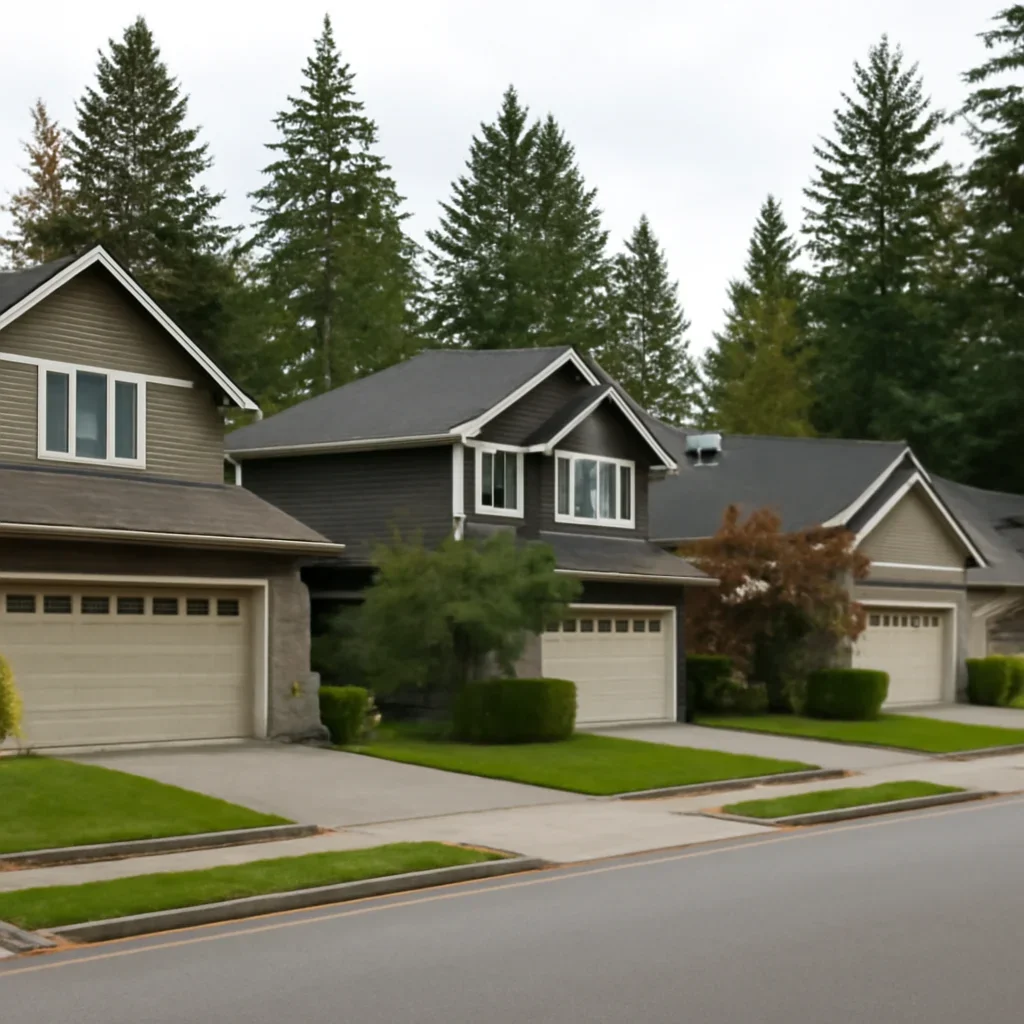
Many Brookswood garages are attached to established detached homes, while others are part of additions, renovations, detached buildings, or larger residential lots. The age and layout of the property can shape the repair or installation plan.
The main symptom gives the first clue, but the door, lifting system, tracks, and opener still need to be considered together.
Grinding, rattling, scraping, or vibration may involve rollers, hinges, loose hardware, track movement, poor balance, or opener strain.
A broken spring, cable problem, jammed roller, damaged track, opener fault, or locked control may interrupt access.
Spring support, cable tension, drum position, balance, track alignment, and roller condition may all affect lifting.
Motor, trolley, belt, chain, rail, sensors, wall control, remote, keypad, wiring, or travel settings may need diagnosis.
Vehicle, bicycle, sports gear, mower, ladder, or stored-item contact can affect panels, hinges, rollers, tracks, and alignment.
Recurring repairs, air leakage, damaged sections, corrosion, poor fit, and limited parts availability may make replacement worth comparing.
Clear booking details help separate a focused repair from a larger door, opener, or installation project.
Explain whether the door is stuck, noisy, heavy, crooked, damaged, reversing, or failing only through the opener.
A fully closed door, partly open door, off-track door, and raised unstable door require different safety and access planning.
Door width, attached or detached location, approximate age, ceiling layout, parked vehicles, and visible damage help clarify scope.
Photos and symptoms may point toward springs, cables, panels, rollers, tracks, seals, sensors, controls, or the opener.
When several parts are aging or damaged, it may be more useful to compare a broader repair with planned replacement.
The service type, parts needs, access concerns, quiet-operation goals, and timing should be explained before approval.
A garage may have an older door with a newer opener, replacement panels with original tracks, or upgraded insulation that changed the door’s weight. These mixed systems should be assessed together.
Share whether the garage supports daily parking, storage, a home workshop, family gear, a renovation, or another high-use purpose.
Older doors may have springs, rollers, hinges, tracks, panels, and seals with related cycle wear and previous repairs.
Larger insulated doors need suitable balance, paired lifting hardware, reinforcement, and opener capacity.
New finishes, added insulation, windows, framing changes, or updated openers may affect weight, fit, and compatibility.
Separate buildings may face more moisture, leaf debris, temperature change, storage interference, and delayed maintenance.
Repair may make sense when the door remains structurally sound and the problem is limited to compatible hardware, alignment, seals, one section, controls, or a serviceable opener component.
A new door may be more practical when several panels are damaged, the system is badly corroded, the opening is poorly fitted, insulation is limited, or springs, cables, tracks, panels, and the opener all need major work.
For a planned upgrade, compare door size, insulation, windows, exterior style, track layout, ceiling clearance, weather sealing, opener compatibility, and the noise level expected inside the home.
Exact pricing depends on the condition found at the property. The same symptom can involve a small adjustment or several connected components.
Single, double, insulated, reinforced, windowed, and custom doors may use different hardware and handling requirements.
Remote, sensor, opener, roller, hinge, spring, cable, track, panel, and seal problems have different service scopes.
A closed door differs from one that is stuck open, crooked, off-track, hanging, or blocked by a vehicle or storage.
Door age, panel profile, spring setup, roller size, track design, opener model, and previous updates affect suitable options.
Parked vehicles, shelving, finished ceilings, storage, narrow side clearance, and detached buildings can affect service planning.
A focused repair differs from panel matching, complete-door replacement, new installation, or opener-upgrade planning.
Only collect details when the door and surrounding area are stable. Do not move an unsafe door to take better photos.
These broader pages can help when you already know the failed component or want to compare cost, maintenance, repair, and replacement options.
These answers help you choose a service, understand urgency, and decide when repair or replacement should be compared.
The main service paths include garage door repair, opener repair, new installation, replacement planning, and prompt help for doors that are stuck, open, damaged, or unsafe. The correct page depends on the main symptom or project.
Stop using the door when it is crooked, off-track, partly unsupported, unusually heavy, hanging open, or has loose cable, a broken spring, unstable panels, or severe track damage. Keep people, pets, and vehicles away.
Many garages are attached to living areas or used early and late in the day. Rollers, hinges, tracks, balance, opener type, vibration, and loose hardware can all affect noise. The cause should be identified before choosing an upgrade.
Choose general repair when the door is heavy, crooked, noisy, damaged, off-track, or difficult to move. Choose opener repair when the door appears mechanically sound but the motor, rail, sensors, wall control, remote, or keypad is unreliable.
Many older doors can be repaired when the structure remains sound and compatible parts are available. Replacement is worth comparing when several systems are worn, panels are badly damaged, corrosion is advanced, or the opening is poorly fitted.
Leaves, needles, dirt, and moisture can collect near tracks, seals, sensors, and the floor line. Debris may interfere with closing, increase corrosion, or create sensor and weather-seal problems if it is not cleared.
Share the Brookswood location, garage type, door width, current position, main symptom, visible damage, opener behaviour, recent impact, access details, preferred timing, and clear photos when it is safe to take them.
Start with garage door repair for a general mechanical problem, opener repair for an automatic-operation issue, installation for a planned new door, or same-day repair when a stuck, open, or unsafe door needs prompt assessment.
Send the garage type, door width, current position, main symptom, visible damage, opener behaviour, access details, and photos when safe. Keep the door unused if it is crooked, heavy, off-track, partly open, or unstable.