01
The motor runs but the door does not move
The trolley, drive system, emergency release, rail, door connection, spring system, or balance may be involved.

Book opener repair when the motor hums, the rail or trolley is not moving correctly, the door reverses, controls stop responding, sensors blink, or the opener operates without moving the door.
The opener should be diagnosed together with the garage door. Broken springs, loose cables, poor balance, bent tracks, worn rollers, and damaged hardware can make a working opener appear faulty or place unnecessary strain on it.
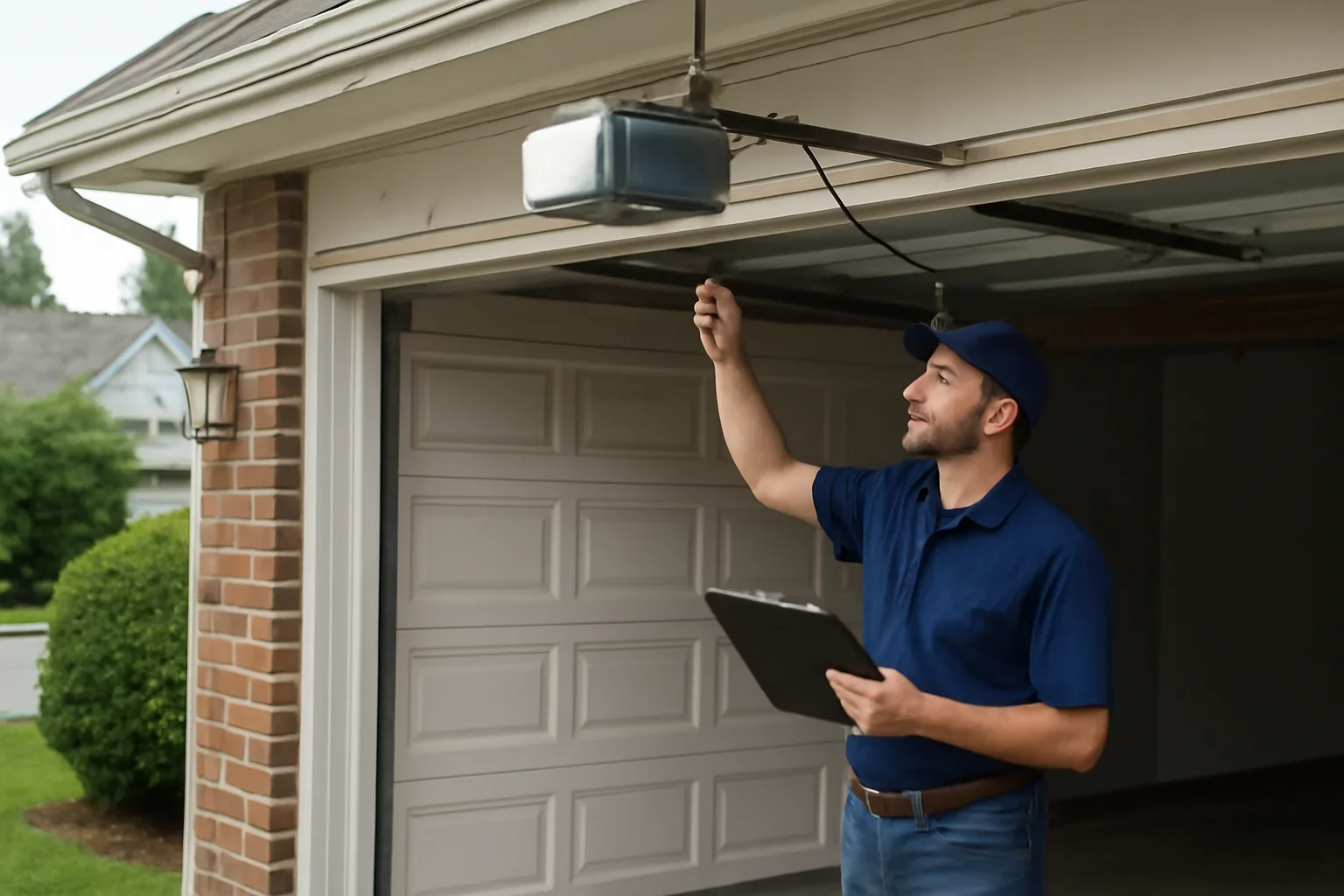
Opener problems can involve power, controls, electronics, the drive system, the rail, settings, safety equipment, or the garage door itself.
The trolley, drive system, emergency release, rail, door connection, spring system, or balance may be involved.
Electrical, motor, capacitor, control-board, drive, trolley, or mechanical door resistance may be preventing operation.
Sensor alignment, wiring, travel, force, track resistance, poor balance, or an obstruction may trigger reversal.
Batteries, programming, lock mode, compatibility, receiver response, or device memory may need attention.
Travel settings, force, rail resistance, damaged hardware, balance, overheating, or a drive problem may be involved.
New grinding, rattling, squealing, or vibration can come from the drive, rail, motor, mounting, rollers, or door hardware.
Flashing patterns may point to sensor, travel, force, control, wiring, or internal fault conditions.
Network access, account permissions, compatibility, gateway status, opener power, or the door system may need review.
A heavy, binding, uneven, or off-track door should be repaired before opener settings are changed.
Excessive force can increase strain and may affect safe reversal. Door balance, tracks, rollers, springs, cables, and hardware should be checked first.
The opener and door work as one system. Diagnosis should confirm whether the problem begins in the motor and controls or in the moving door.
Outlet power, wall control, lock mode, remotes, keypad, app, receiver, and stored devices are reviewed.
Motor response, gears, belt, chain, screw, shaft, carriage, or other drive components are checked as applicable.
Alignment, mounting, wear, travel, door connection, release position, and physical damage are inspected.
Opening and closing limits should match the door without forcing it into the floor or stopping too early.
Sensor lights, wiring, alignment, obstruction response, and automatic reversal are checked.
Balance, springs, cables, tracks, rollers, hinges, panels, and resistance are reviewed before final opener settings.
The same symptom can come from controls, settings, electronics, mechanical parts, safety equipment, or the garage door.
The outlet, breaker, cord, internal power supply, control board, or wiring may interrupt opener operation.
Belts, chains, gears, sprockets, screws, shafts, or carriages can wear, loosen, break, or move out of position.
The opener may run without moving the door if the trolley is disconnected, damaged, or not engaging correctly.
Misalignment, dirty lenses, damaged brackets, wiring trouble, or control faults may prevent normal closing.
Review Sensor RepairSettings may cause stopping, reversal, incomplete closing, excessive floor pressure, or unreliable movement.
A heavy, uneven, binding, or damaged door can overload the opener and create symptoms that look electrical.
Review Balance Adjustment
Testing more than one control helps show whether the problem is limited to a device or affects the opener receiver and complete system.
The repair should correct the confirmed cause rather than changing settings to cover up resistance, poor balance, or damaged door parts.
Controls, sounds, lights, movement, stopping, reversal, and door position are observed.
Balance, tracks, rollers, springs, cables, rail, trolley, drive, motor, controls, and sensors are reviewed.
Suitable components, wiring, controls, sensors, drive parts, settings, or mounting are corrected as required.
Travel, force, reversal, sensors, wall control, remotes, keypad, app, lighting, and several full cycles are tested.
Do not operate the opener when the door is off track, hanging unevenly, supported by a loose cable, visibly damaged around the spring system, or moving without control.
Keep people, pets, and vehicles away until the door has been stabilized and inspected.
The decision depends on the failed part, overall condition, compatibility, features, reliability, available components, and the garage door itself.
A focused sensor, control, wiring, trolley, drive, travel, force, or programming problem may be repairable when the remaining system is suitable.
Replacement may be worth comparing when the opener is unreliable, incompatible, heavily worn, damaged, or unable to support required access and safety features.
Review Opener ReplacementA new garage, manual door, changed track layout, or major door project may require a complete opener installation plan.
Review Opener InstallationTownhouses and newer homes may involve quiet openers, keypads, remotes, app access, sensors, and shared-driveway considerations.
Established homes may use older openers, wiring, controls, rails, and replacement parts that require compatibility checks.
Attached garages may prioritize noise control, lighting, battery backup, secure access, and dependable daily operation.
Older or custom properties may have non-standard doors, ceiling layouts, electrical access, and opener mounting.
Detached garages, workshops, acreages, and rural buildings may require larger-door, network, power, and backup-access planning.
A compact townhouse garage, attached double garage, detached building, workshop, acreage, and commercial bay may use different controls, rails, power, and door systems.
Use the main repair page when the opener problem is connected to springs, cables, tracks, rollers, hinges, panels, balance, or an unstable door.
Explore Garage Door RepairUse the same-day repair path when the door is stuck, unsecured, trapping a vehicle, or preventing normal use of the property.
Explore Same-Day RepairThe final scope depends on the opener, failed component, door condition, controls, parts, labour, access, compatibility, and whether replacement is more practical.
Motor, drive, rail, trolley, sensor, control, wiring, travel, force, and door-mechanical issues can affect the work required.
Review Repair Cost GuidanceRequest an estimate when repair and replacement should be compared based on condition, features, compatibility, and available parts.
Request a Free EstimateDoor balance, hardware, sensors, controls, rail, drive, travel, and safety response should be monitored over time.
Review Garage Door MaintenanceUse the support page when you are unsure whether the problem involves the opener, controls, sensors, programming, or the garage door itself.
Visit Garage Door SupportManufacturer, component, accessory, battery, and workmanship terms may differ. Confirm written coverage, exclusions, registration, and claim steps.
Review Warranty GuidanceBook opener repair when the motor hums or clicks, the door stops or reverses, controls fail, sensors blink, the opener runs without moving the door, or operation becomes unreliable.
The trolley may be disconnected, the drive system may be damaged, or the door may have a spring, cable, balance, track, or hardware problem.
Possible causes include sensor alignment, wiring, obstruction, travel settings, force settings, track resistance, poor balance, or incorrect closing contact.
Yes. A broken or weak spring can make the door too heavy for the opener, causing slow movement, stopping, humming, reversal, or no movement.
No. Increased force can hide mechanical resistance and affect safe reversal. The door, tracks, rollers, springs, cables, and balance should be checked first.
They can be diagnosed as part of the opener system. The final scope depends on batteries, programming, compatibility, receiver response, account access, and device condition.
Share the opener manufacturer and model, current door position, sounds, lights, controls that still work, sensor behaviour, recent power issues, and safe photos.
Use the contact page when you are unsure whether the problem involves the opener, controls, sensors, programming, or the garage door.
Share the property location, opener model, door position, sounds, flashing lights, controls that still work, sensor behaviour, and preferred timing.