A new or replacement remote will not pair
The transmitter may use a different code system or frequency than the opener accepts. The model information on both devices should be compared before repeated pairing attempts.
A garage door remote should open and close the correct door with a reliable signal. When a new remote will not pair, an old remote stops responding, or a lost remote creates a security concern, the opener, remote, and stored access codes need to be checked together.
Garage door remote programming may be all that is required, but weak range, an incompatible transmitter, a locked wall control, receiver trouble, or an opener memory issue can create similar symptoms. A focused assessment helps avoid replacing a working remote or repeatedly attempting to program a device the opener cannot accept.
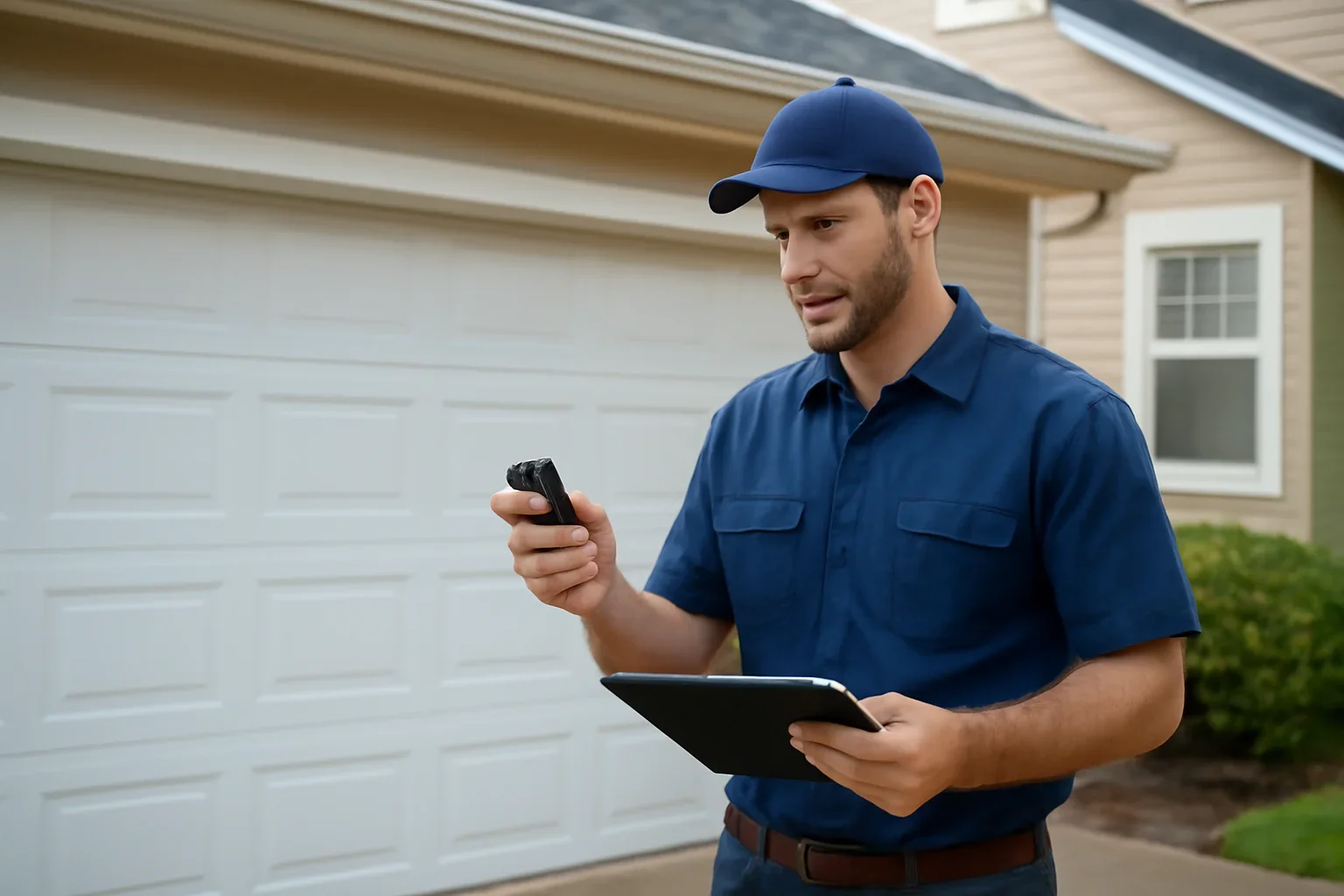
Remote problems are not all the same. The pattern of what works, what fails, and how close you must be to the garage can point toward programming, compatibility, power, controls, or receiver condition.
The transmitter may use a different code system or frequency than the opener accepts. The model information on both devices should be compared before repeated pairing attempts.
A depleted battery, damaged button, changed opener memory, wall-control lock setting, antenna issue, or receiver fault can make a previously working remote appear unprogrammed.
Very short range can be related to a weak battery, damaged antenna, radio interference, or a failing transmitter. Programming alone may not correct a range problem.
This usually narrows the issue to the non-working remote, its battery, or its compatibility. The working device also helps confirm that the opener receiver is still responding.
The missing device may still have access to the garage. Clearing stored remote access and pairing only the approved devices can help restore control over who can operate the door.
Settings can be disturbed after control-board work, accessory changes, or some opener faults. The opener should be tested before assuming every remote simply needs to be paired again.
If a remote is lost, stolen, or left in a vehicle that is no longer under your control, do not rely only on replacing its battery or buying another transmitter. The missing remote may remain authorized until the opener’s stored remote access is cleared and the remotes you still control are programmed again.
Until access is reset, use another secure entry method and keep the connecting door between the garage and home locked. For strata or shared-garage situations, confirm whether building management controls any part of the access system before changes are made.
Successful programming depends on more than pressing a button. The opener must have power, accept the remote’s code type, respond through its receiver, and remain safe to operate.
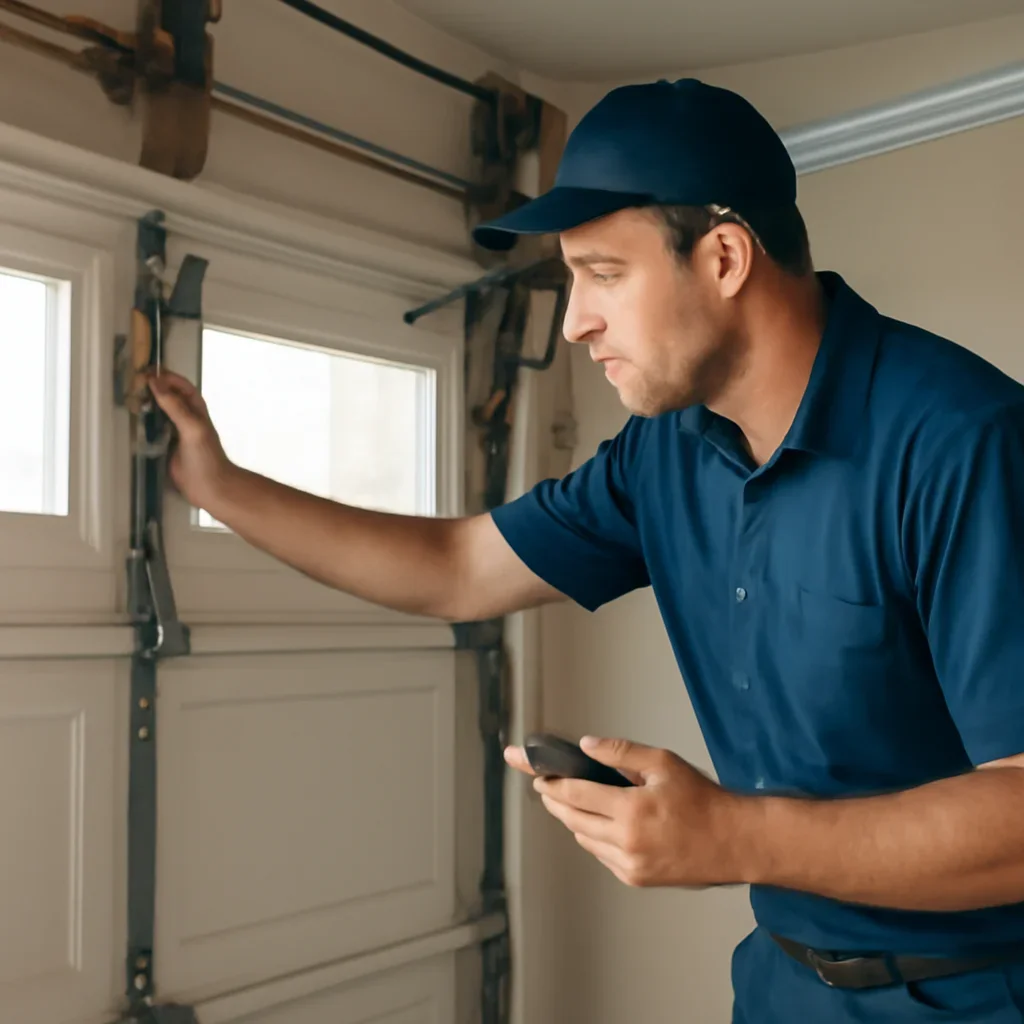
The aim is to restore dependable access without removing devices that should stay active or masking a larger opener problem.
We separate no-response, intermittent response, short range, wrong-door activation, and lost-remote concerns because each points to a different next step.
Model details, code type, frequency, and accessory compatibility are checked so the remote is suitable for the opener.
When security or memory is a concern, old access may need to be cleared before approved remotes and controls are paired again.
Each requested device is tested from practical positions, and the door’s normal movement and safety functions are confirmed before the work is considered complete.
Clear details can help distinguish a simple programming request from a remote, receiver, wall-control, or opener repair issue.
A transmitter sends the command, but the opener must receive it, accept the stored code, and safely move the door. That means several connected parts can affect the result.
Battery strength, worn buttons, internal damage, and compatibility can affect whether a valid signal is sent.
The opener’s receiver and hanging antenna influence whether the signal is detected consistently and from a useful distance.
Some wall controls can disable handheld remotes while the hardwired button continues to operate the door.
A receiver or control-board fault may require garage door opener repair, while an unsafe or poorly balanced door should be addressed before repeated powered operation.
The most practical solution depends on which part is failing and whether the opener can support the access devices you want to use.
When the opener is outdated or repeatedly unreliable, opener installation options may be worth comparing instead of adding more accessories to a failing unit.
A straightforward pairing request is different from diagnosing poor range, clearing multiple devices, or repairing a receiver. Confirm the scope before approving additional work.
For broader budgeting information, see the garage door repair cost guide.
For fixed outdoor access, garage door keypad programming may be a more practical option than adding another handheld remote.
Property type, garage layout, opener age, shared access, and the distance from the driveway to the opener can all influence the programming request.
Tell us whether the garage is attached, detached, part of a strata complex, used as a workshop, or fitted with more than one overhead door. These details help identify the controls that need to remain active.
A remote may be the visible problem even when the opener, safety controls, or door movement needs attention.
Use this path when the door is noisy, uneven, stuck, damaged, or has a broader mechanical problem beyond the remote.
View repair serviceChoose this when the remote starts the door but it reverses, refuses to close, or the opener lights indicate a sensor issue.
View sensor repairUse this page when the door is stuck open, the property cannot be secured, or the issue involves more than remote access.
Review urgent repair optionsThese answers cover compatibility, lost remotes, weak range, opener problems, and what to provide before booking.
Book remote programming when a compatible new remote needs to be paired, an approved remote has lost its connection, opener memory has been cleared, or a lost remote must be removed from access. If the remote only works at very close range or no controls respond, diagnosis may be needed before programming.
No. A remote must support the opener’s code type, frequency, and model generation. Some multi-system remotes cover several opener families, but appearance alone does not confirm compatibility. The remote and opener model information should be checked first.
Treat the missing remote as an access concern. The opener’s stored remote access may need to be cleared, followed by reprogramming the devices you still control. Keep the door between the garage and home locked until the missing device can no longer operate the opener.
Short range can come from a weak battery, damaged remote, poor antenna position, radio interference, or receiver trouble. Reprogramming may not improve range if the opener is already receiving the correct code but cannot detect the signal reliably from farther away.
Often, yes. A compatible remote can usually be added while existing approved devices remain active. However, if a remote is missing or unknown access must be removed, clearing opener memory may also erase current remotes and keypads, which then need to be programmed again.
Not always. If the wall control and another remote work, the issue is more likely tied to the non-working remote, its battery, or compatibility. If all wireless controls fail or range is poor across several devices, the receiver, antenna, wall-control settings, or opener logic should be inspected.
Send photos of the remote and opener model label, explain which controls still work, note how close you must be for a response, and say whether a remote was lost. Your Langley neighbourhood, garage type, number of doors, and preferred timing also help define the likely scope.
Use the contact page for general compatibility or service questions. Include the opener and remote model details where possible so the request can be reviewed more accurately before an appointment is arranged.
Share your neighbourhood, opener model, remote model, number of devices, which controls still work, whether a remote was lost, and any range or error-light symptoms. Photos of the remote and opener label can make the next step easier to confirm.