Extensive panel damage
Multiple cracked, bent, rusted or deteriorating sections can make full replacement more practical than repeated panel repairs.

Replace an aging, damaged or inefficient garage door with a system selected for the opening, the home and the way you use the garage.
A replacement decision should consider more than appearance. Door condition, opening size, hardware, opener compatibility, insulation, noise, weather sealing and exterior design all influence which option will be suitable.
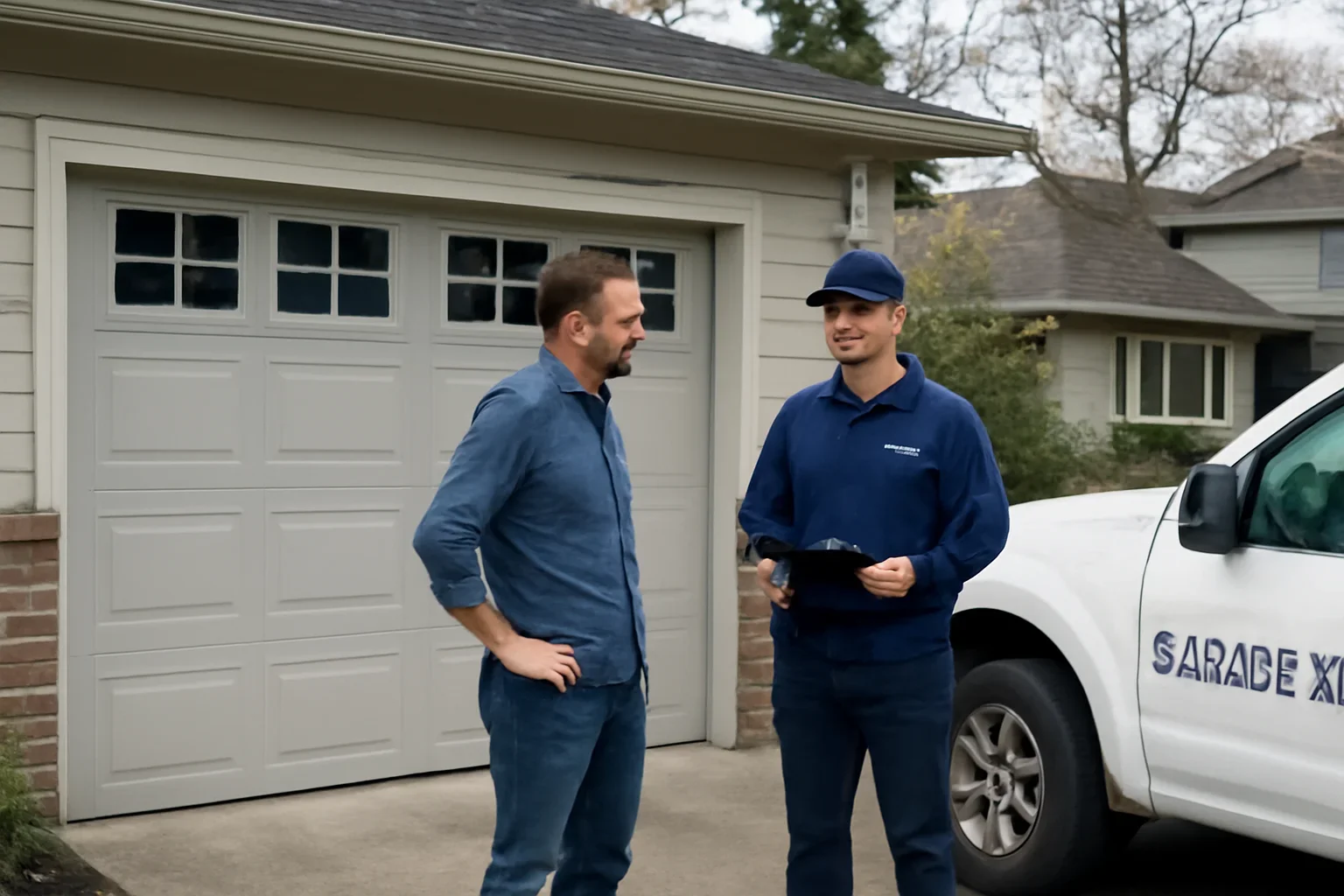
Share the door size, visible condition and the features you want from the new system.
Review whether the current issue may be limited to repairable hardware or opener components.
Check timely repair options when the opening cannot be accessed or secured while replacement is considered.
Replacement may be worth comparing when problems affect the door itself rather than one isolated component. The condition of the panels, tracks, frame and supporting hardware should be considered together.
Multiple cracked, bent, rusted or deteriorating sections can make full replacement more practical than repeated panel repairs.
Frequent repair needs may indicate that several parts of an older system are reaching the end of their useful life.
Gaps, worn seals and thin door construction may affect comfort in an attached garage or nearby living spaces.
Replacement can improve operation while providing a design that works more naturally with the existing exterior.
Describe the age, damage and operating problem when you submit your request. Repair and replacement considerations can then be reviewed before a final decision.
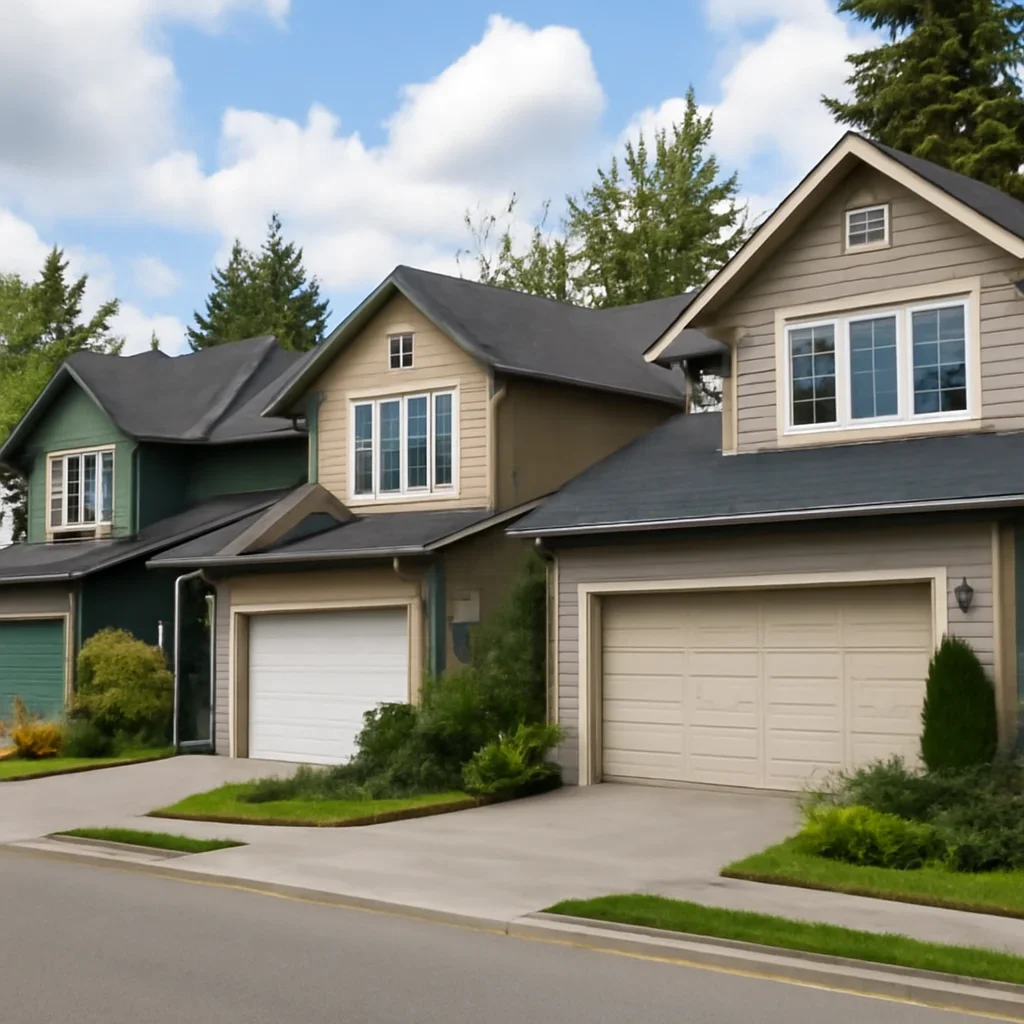
Fort Langley includes homes near the historic village core, established residential streets and properties in surrounding Township areas. Garage openings, exterior finishes and architectural details can differ considerably between homes.
The best replacement is not automatically the most decorative or expensive. It should fit the opening correctly, operate reliably, complement the home and provide an appropriate balance of insulation, natural light, privacy and maintenance.
Some Fort Langley properties are within a heritage conservation area, but this does not mean every property has the same requirements. Property-specific rules should be confirmed before visible exterior changes are planned.
A useful replacement plan balances everyday performance with the appearance, construction and practical needs of the home.
Compare materials, panel construction, expected maintenance and how the finish will respond to regular weather exposure.
Consider whether the garage is attached, heated, used as a workspace or located below or beside occupied rooms.
Window placement can add daylight, but glass type, privacy and the exterior proportions of the door also matter.
The existing opener should be checked for condition, capacity, rail configuration and compatibility with the replacement door.
Not every damaged or unreliable garage door requires full replacement. The right choice depends on how much of the system is affected and whether the current door still meets the property's needs.
A focused repair may be appropriate when the door sections and structure remain serviceable and the issue is limited to specific hardware or opener components.
Replacement may be worth prioritizing when several major components are deteriorating or the door no longer provides the operation, sealing or appearance the property requires.
Garage door springs, cables and supporting hardware operate under significant tension. Do not disconnect or remove these parts without appropriate training, equipment and safety procedures.
A few useful details can make the initial conversation more focused and help identify which options may suit the opening.
Mention visible damage, recurring problems, approximate age and whether the door can still be opened and secured.
Note whether it is attached to the house, used as a workspace or located below or beside occupied rooms.
Photos of the full exterior, interior tracks, opener and surrounding trim can help identify planning details.
Include your Fort Langley location, the current door condition and your priorities for style, insulation, windows, noise and maintenance.
These answers cover common decisions homeowners face when comparing repair, replacement and new-door features.
Replacement may be more practical when several panels or major components are damaged, the door has recurring failures or it no longer provides suitable sealing, operation or appearance. An isolated hardware or opener issue may still be repairable.
Not always. The opener should be checked for condition, capacity, rail configuration, safety features and compatibility with the weight and movement of the new door.
Insulation may be useful when the garage is attached, used as a workspace or located beside occupied rooms. Framing, seals and other parts of the garage also affect comfort.
Many garage door designs offer window options. Consider daylight, privacy, glass type, exterior proportions and how the window arrangement relates to the rest of the home.
No. Requirements depend on the property's location, designation and the work being proposed. Property-specific requirements should be confirmed before visible exterior alterations are made.
Door dimensions, framing, tracks, headroom, hardware, opener compatibility, electrical access, trim, disposal and the selected door configuration can all affect the project.
Include your Fort Langley location, photos of the existing door, its approximate age, visible damage, opening configuration and the features you want from the replacement.
Share the existing door condition, the way the garage is used and your priorities for appearance, insulation, windows and quieter operation. These details help narrow down suitable replacement options.