01
Identify the symptom
Begin with what the door is doing, such as moving unevenly, stopping partway, reversing, shaking, making noise, or failing to respond.

See how common garage door symptoms can be assessed, which service options may be considered, and what information helps guide the next decision.
Every garage door problem is different. Door size, age, hardware, daily use, property layout, and visible damage can all affect whether repair, maintenance, opener work, or replacement makes the most sense.
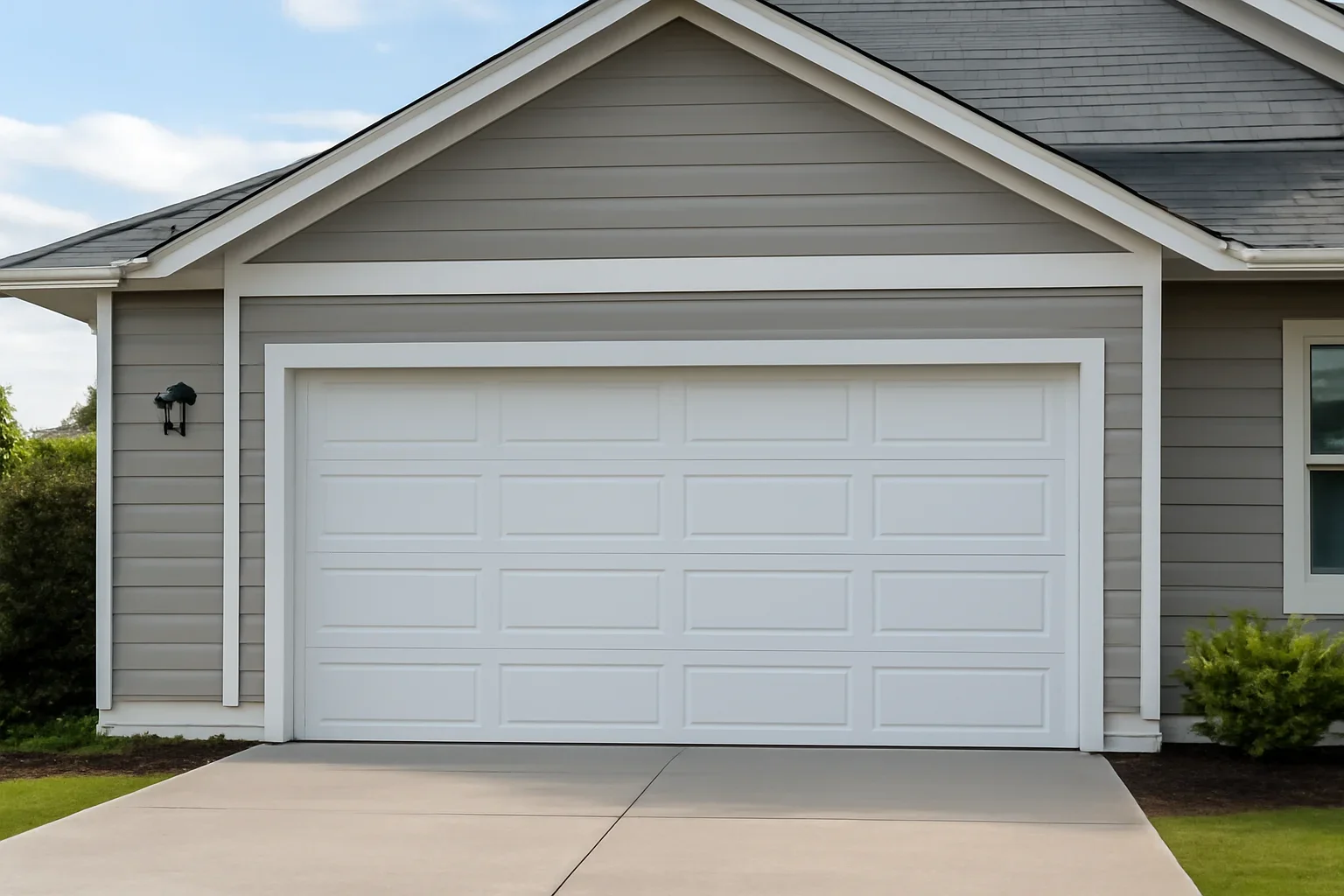
A useful garage door case study explains the original symptom, what should be inspected, the available options, and why one path may be more practical than another.
Begin with what the door is doing, such as moving unevenly, stopping partway, reversing, shaking, making noise, or failing to respond.
The visible symptom may involve more than one component, including springs, cables, rollers, tracks, sensors, controls, or the opener.
The decision may include a direct repair, preventive work, opener service, component replacement, or planning for a new door.
Door condition, safety, reliability, expected use, and future repair needs should be considered before choosing the next step.
Important: The scenarios below describe common service situations for educational purposes. They do not represent named customers or claim specific completed projects.
These examples show how symptoms can lead to different inspections and service decisions. The final recommendation depends on the actual condition of the door.
The homeowner notices that one side appears lower and the door becomes difficult to lift manually.
The spring system, cable condition, drums, rollers, tracks, and door balance may all need to be checked before the cause is confirmed.
A damaged cable and a weakened spring can create similar symptoms. Replacing one visible part without checking the connected system may leave the original problem unresolved.
The service plan may involve correcting the balance, replacing damaged hardware, and testing the door through a complete operating cycle.
The motor responds to the wall control, but the door stops or returns upward before closing fully.
The safety sensors, alignment, wiring, travel settings, force settings, door balance, tracks, and opener system may need review.
A reversal may be caused by blocked or misaligned sensors, resistance in the door system, incorrect settings, or an opener-related fault.
The service may involve sensor correction, opener adjustment, control testing, or repairing the door condition that is creating resistance.
The door still operates, but damaged panels, worn hardware, drafts, noise, and repeated service needs are becoming more frequent.
The complete door system should be reviewed, including panel condition, tracks, rollers, seals, hardware, balance, opener compatibility, and opening dimensions.
A focused repair may still be reasonable when the remaining door is sound. Replacement may offer better value when several major parts are worn or damaged.
The homeowner can compare immediate repair costs with replacement goals such as reliability, insulation, appearance, security, and opener compatibility.
Langley includes newer developments, established residential areas, townhouses, commercial properties, acreages, workshops, and rural outbuildings. The same garage door symptom may require a different approach depending on the property.
Newer homes and townhouses may prioritize quiet operation, modern controls, and practical use of compact garage space.
Established detached homes may have older door systems where repair history and hardware condition affect the decision.
Residential garages may require a balance between dependable operation, appearance, insulation, and long-term value.
Older or customized properties may require careful measurement and compatibility planning before installation or replacement.
Detached garages, workshops, and rural properties may use different door sizes, access layouts, and operating systems.
Use these pages to compare service information, visuals, customer feedback, and support before requesting an appointment.
Start here when the cause is unclear or more than one component may be involved.
Explore Repair ServicesView available garage door images and project visuals.
Visit the GalleryRead available customer feedback about communication and service experience.
Read Customer ReviewsFind useful information about garage door concerns and next steps.
Explore SupportThe examples describe common garage door situations for educational purposes. They are not presented as named or verified customer projects.
Yes. A door that is uneven, noisy, slow, or reversing may have problems involving several connected components. Inspection is needed before the cause can be confirmed.
The decision depends on the extent of damage, overall condition, compatible parts, repair history, safety, reliability, and property goals.
Yes. Keep people, pets, and vehicles away from a door that is hanging unevenly, off its tracks, or otherwise appears unstable.
Include your location, what the door is doing, whether it is open or closed, visible damage, unusual sounds, opener behaviour, and whether the problem is urgent.
Share the symptoms, property location, visible damage, and preferred timing so the next step can be planned clearly.