01
A cable is visibly frayed
Broken wire strands, rust, flattening, kinks, or wear near the drum and lower fixture can indicate cable damage.

Book cable repair when a garage door cable is frayed, snapped, loose, slipped off a drum, or causing the door to hang unevenly.
Garage door cables work with the spring system to guide and support the door. A cable problem can quickly affect balance, tracks, rollers, drums, brackets, panels, and opener performance.
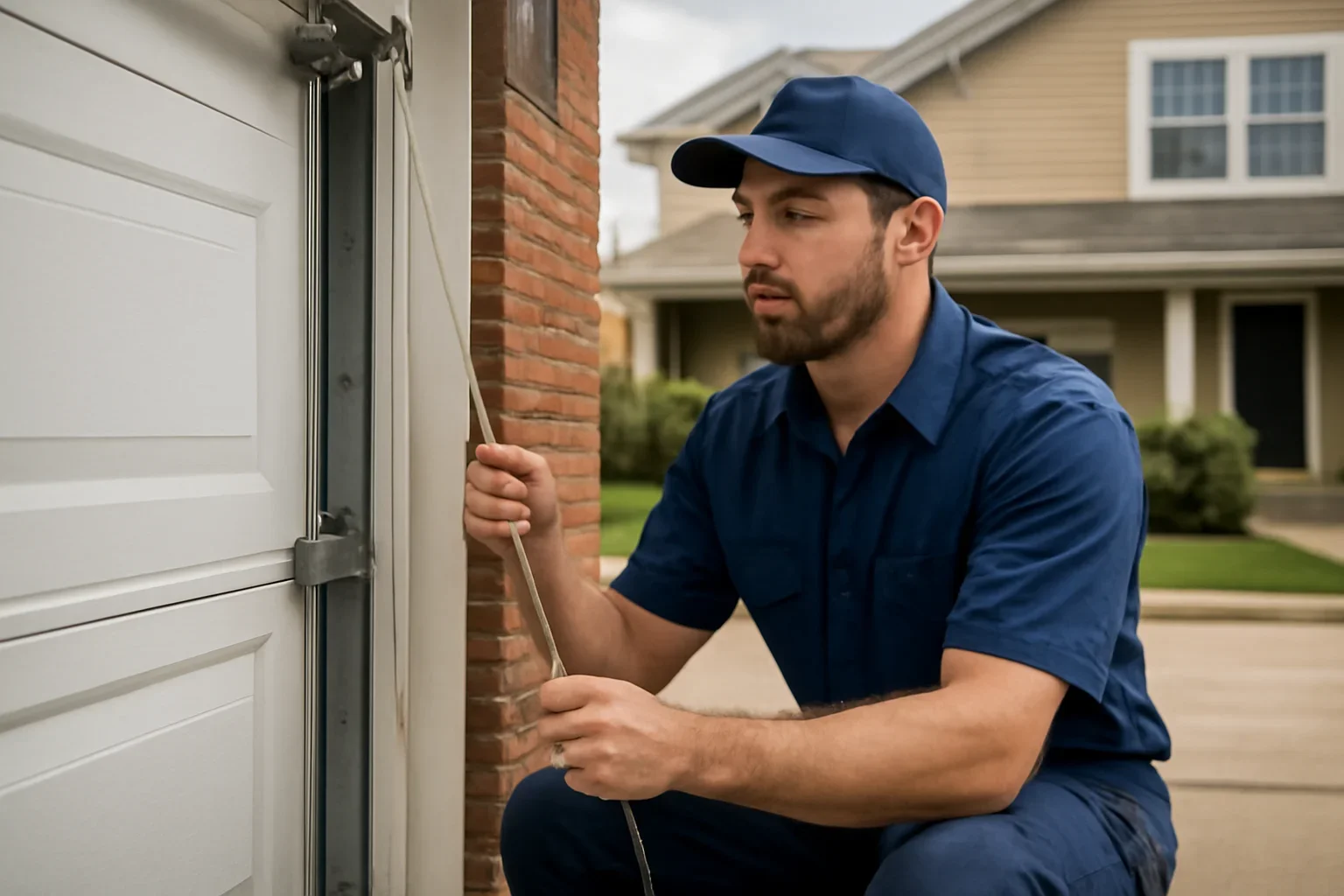
Cable trouble often affects one side of the door first, but it can also appear after a spring failure, track problem, impact, or uncontrolled movement.
Broken wire strands, rust, flattening, kinks, or wear near the drum and lower fixture can indicate cable damage.
One side may sit lower, move differently, or appear crooked when a cable loses tension or leaves the drum.
A slack cable may be connected to spring, drum, track, door-position, or balance trouble.
Uneven cable tension can twist the door in the opening and stop the rollers from moving normally.
A broken cable or spring-related failure may allow one side or the full door to move without normal support.
A cable can slip or unwrap after impact, obstruction, poor balance, damaged hardware, or uncontrolled movement.
The opener may not be able to move a crooked, heavy, jammed, or poorly supported door safely.
A sudden sound may point to a cable, spring, drum, bracket, or other lifting-system problem.
Cables work beside high-tension spring components and can move suddenly. Keep people, pets, and vehicles away from an uneven, off-track, or unstable door.
Do not force the door, pull the cable, turn the drum, remove the bottom bracket, or repeatedly operate the opener.
A damaged cable may be the result of another problem. The lifting system, door balance, tracks, rollers, hardware, and opener should be reviewed together.
Fraying, rust, flattening, kinks, broken strands, length, and compatibility are reviewed.
The cable grooves, drum position, shaft, fasteners, and cable path are checked for damage or movement.
A broken, weak, unsuitable, or unevenly adjusted spring can cause cable problems or poor door support.
Lower brackets, attachment points, fasteners, and surrounding panel structure are checked for damage.
Misalignment, impact damage, worn rollers, loose brackets, and binding may contribute to uneven cable tension.
The door should move evenly and remain properly supported before opener settings are finalized.
Normal wear is one possibility, but cable trouble can also develop because another part of the door system is no longer operating correctly.
Cables bend around drums and carry load during every cycle, which can gradually wear individual strands.
Water, road salt, condensation, and damp conditions can weaken cable strands and nearby hardware.
A broken or unsuitable spring can change door support and create slack, overload, or uneven cable movement.
Review Spring RepairA binding roller, bent track, impact, or loose bracket can twist the door and disturb the cable path.
A door closing onto an object or being struck can create uneven loading and force a cable off its drum.
Wrong cable length, unsuitable drums, poor alignment, or incorrect spring setup can affect tension and tracking.
The repair should address both the damaged cable and the condition that allowed it to fail, loosen, or leave the drum.
The current door position, cable condition, spring support, tracks, rollers, drums, and hardware are reviewed.
Bent tracks, worn rollers, broken springs, damaged brackets, panel movement, or opener strain may need attention.
Suitable cable and related parts are installed or corrected based on the door size, weight, drum, and spring system.
Door alignment, cable tracking, balance, opener travel, controls, sensors, and several operating cycles are checked.
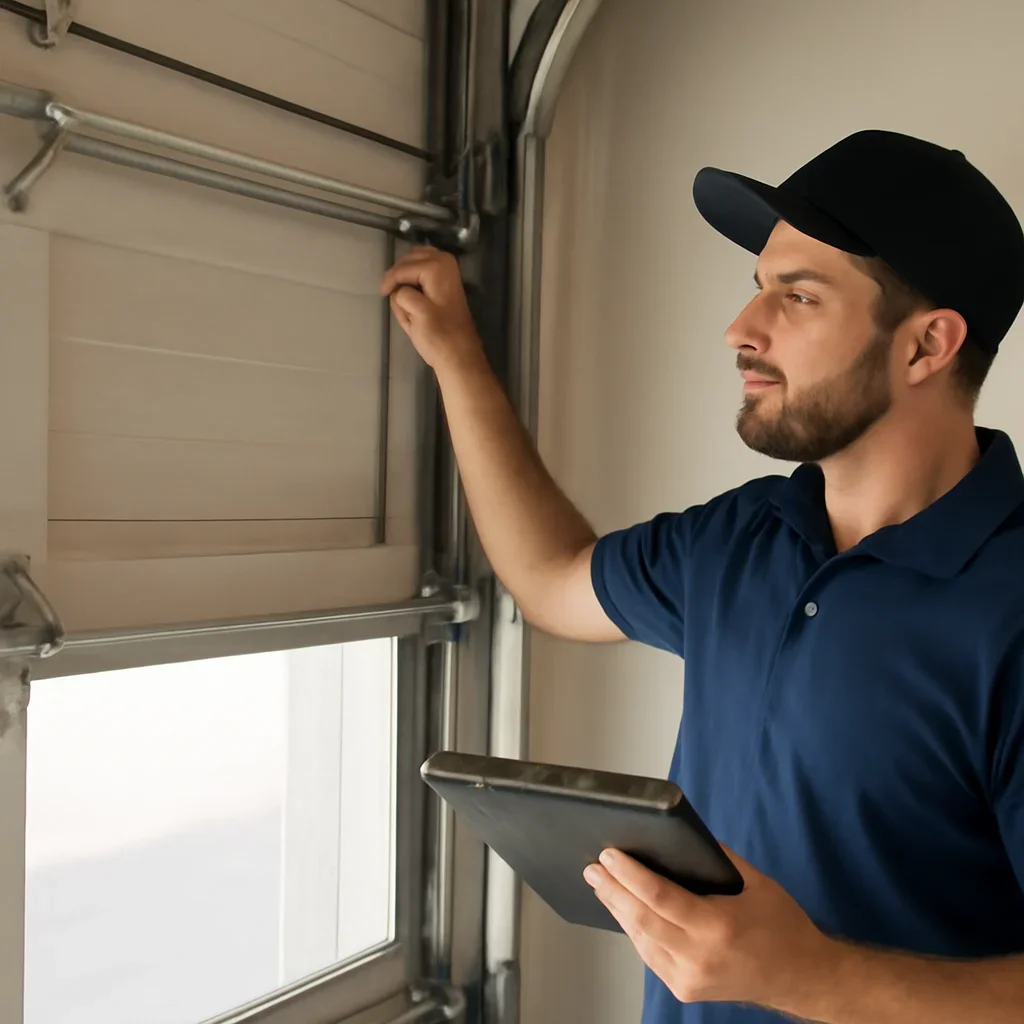
An opener may appear to have a motor or control problem when it is actually trying to move a crooked, heavy, or jammed door.
Cable replacement alone may not provide a safe result when other lifting or movement components are damaged.
Cables often have the same age, load history, and exposure. The remaining cable should be inspected for similar wear.
Worn grooves, bent fixtures, loose fasteners, or panel damage can affect how the cable connects and tracks.
Replacement may be worth comparing when cable failure is combined with structural panel damage, bent tracks, repeated breakdowns, or widespread wear.
Review Door ReplacementTownhouses and newer homes may require careful access, compact-garage setup, and quiet opener checks.
Established homes may have older cables, drums, springs, rollers, tracks, and opener systems.
Attached garages may place more importance on dependable daily access, smooth travel, and security.
Older or custom doors may require compatibility checks for cables, drums, springs, and hardware.
Workshops, acreages, and larger doors may use heavier-duty lifting systems and different cable arrangements.
Cable selection and repair scope depend on the door’s weight, height, track arrangement, spring system, usage, and property conditions.
Use the same-day repair path when the cable problem has left the door crooked, jammed, unsecured, or unable to provide normal access.
Explore Same-Day RepairUse the main repair page when cable damage is combined with tracks, rollers, panels, opener trouble, or several worn parts.
Explore Garage Door RepairThe final scope depends on the door, cable system, connected damage, labour, parts, access, and urgency.
Door size, weight, height, spring system, track arrangement, drums, and required cable specifications affect the job.
Springs, drums, brackets, rollers, tracks, panels, and balance work may add to the scope.
Review Repair Cost GuidanceRequest an estimate when cable repair is part of a larger hardware, opener, or replacement project.
Request a Free EstimateBook cable repair when a cable is frayed, snapped, loose, off the drum, or causing the door to hang unevenly, jam, or move crookedly.
Continuing to operate the door can increase instability and damage tracks, rollers, panels, drums, hardware, or the opener. Stop using an uneven or unsupported door.
No homeowner repair guidance is recommended because the cable and drum work beside high-tension spring components. Incorrect handling can cause uncontrolled movement and serious injury.
Possible causes include spring failure, obstruction, impact, track misalignment, worn rollers, poor balance, damaged drums, incorrect setup, or uncontrolled door movement.
That depends on age, wear, corrosion, compatibility, and the condition of the remaining cable. Both sides should be inspected before the repair scope is confirmed.
Yes. The opener may strain, stop, reverse, or wear faster when it tries to move a crooked, heavy, jammed, or poorly supported door.
Include the address, door position, visible cable condition, whether the door is crooked or jammed, any loud sound, opener behaviour, and safe photos.
Use the contact page when you are unsure whether the problem involves the cable, spring, track, opener, or another part.
Share the property location, current door position, visible cable condition, uneven movement, opener behaviour, and preferred timing so the next step can be planned clearly.