Damage across several sections
Multiple bent, cracked, rusted, or delaminating panels can affect how the sections hinge together and move through the tracks. A single panel may sometimes be replaced, but widespread damage changes the comparison.

A garage door replacement should solve more than an appearance problem. The new door must suit the opening, spring system, tracks, opener, ceiling layout, weather exposure, daily use, and the way the garage connects to your home.
Replacement may be worth comparing when a door has widespread panel damage, recurring hardware problems, poor insulation, heavy corrosion, an outdated design, or a size and weight that no longer work well with the rest of the system.
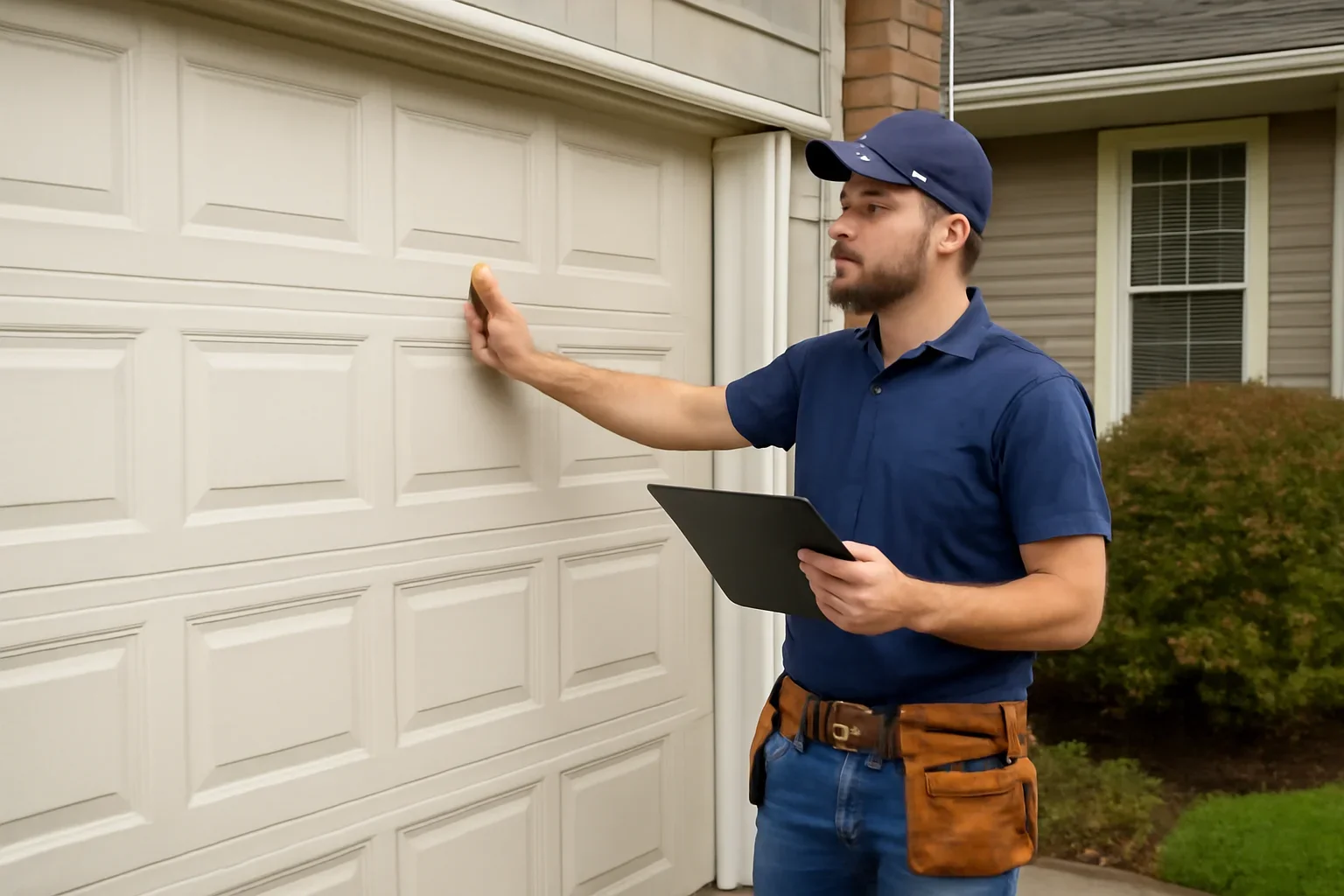
One damaged component does not always mean the whole door needs to go. Replacement becomes more reasonable when several concerns are present at the same time or when the existing door cannot be restored safely and economically.
Multiple bent, cracked, rusted, or delaminating panels can affect how the sections hinge together and move through the tracks. A single panel may sometimes be replaced, but widespread damage changes the comparison.
If rollers, hinges, cables, springs, panels, and seals are all reaching the end of their useful condition, replacing one part at a time may not address the overall wear.
Large gaps, damaged seals, thin construction, drafts, road noise, and temperature swings can matter more when the garage is attached, heated, used as a workspace, or located below living space.
Stop using the door if sections are folding, the door is hanging unevenly, rollers have left the tracks, cables are loose, or the door feels unusually heavy. Keep people, pets, and vehicles clear. Do not pull cables, adjust springs, loosen bottom brackets, or force the door back into position.
Garage door replacement in Langley starts with the opening and the connected system. The goal is to confirm that the proposed door can travel correctly, balance properly, seal reasonably, and work with the available space.
A new door can be heavier, taller, more insulated, or built differently from the old one. The opener should guide a properly balanced door, not carry the full weight.
Before reusing an existing opener, its condition, rail, trolley, travel limits, force behaviour, safety reversal, sensor alignment, and compatibility with the new door setup should be checked.
When the opener is also unreliable or poorly matched, it may be useful to compare garage door opener replacement at the same planning stage.
The best option depends on the home, the garage, the opening, and how the door is used. These choices can change door weight, hardware requirements, appearance, comfort, and installation complexity.
Single-layer and insulated doors perform differently. Attached garages, rooms over the garage, workshops, and frequently used spaces may place more value on insulation and quieter operation.
Panel profile, colour, decorative hardware, and window placement affect curb appeal. Natural light and privacy should be considered alongside the exterior design.
Low ceilings, storage racks, beams, ducts, car lifts, and door openers can limit track choices. A non-standard layout may need a different installation plan.
A main household entrance, rental property, acreage shop, or busy workshop may place different demands on cycles, seals, hardware, and impact resistance.
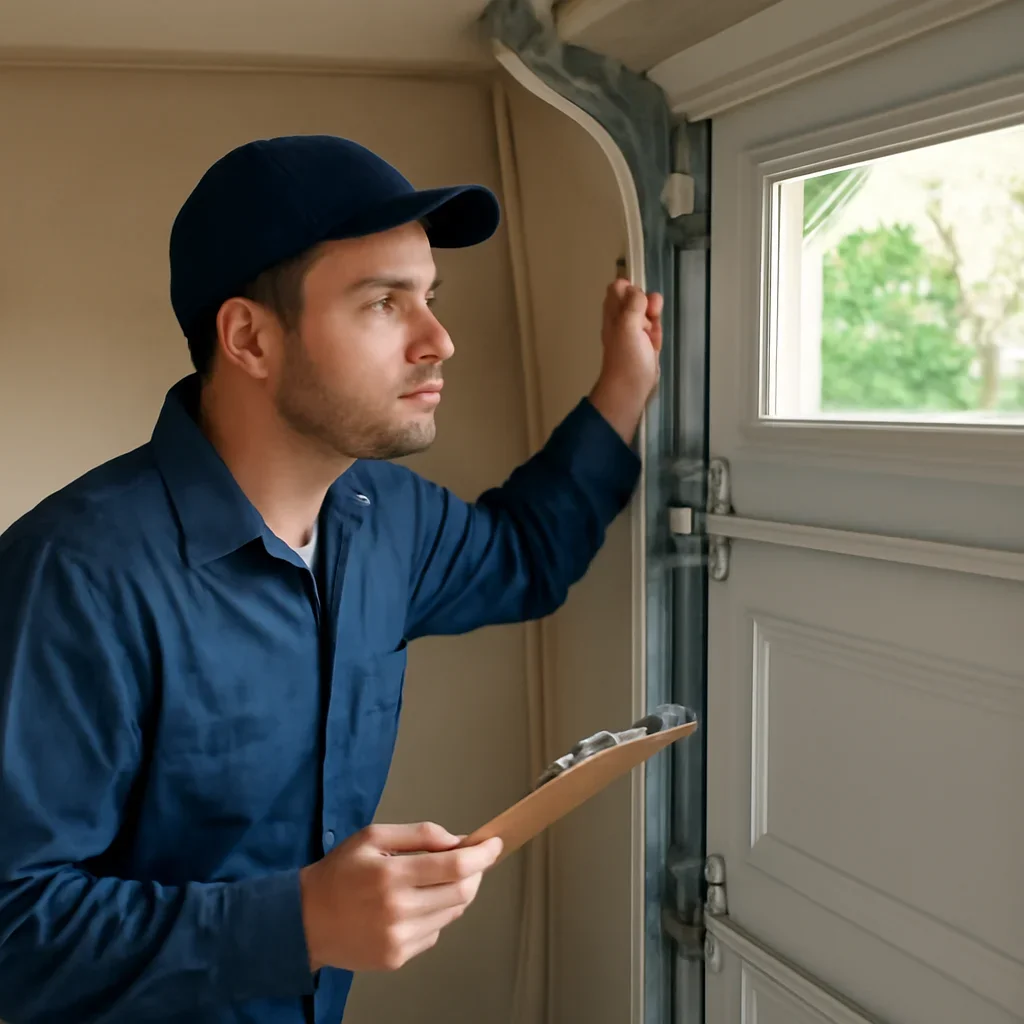
A focused garage door repair or garage door panel replacement may be the better path in these situations.
The final choice depends on condition, compatibility, planned use, and the complete cost of restoring the existing system.
Single doors, double doors, custom widths, tall openings, low-headroom setups, and non-standard tracks can require different materials and installation planning.
Insulation, windows, panel design, exterior finish, reinforcement, seals, and decorative details can all change the replacement scope.
Tracks, springs, cables, drums, brackets, opener components, framing, and electrical access should be reviewed rather than assumed reusable.
Pricing depends on the opening size, door construction, insulation, windows, finish, track arrangement, required hardware, opener compatibility, removal conditions, site access, and whether framing or other connected components need attention. General planning information is available in the garage door cost guide, but a replacement scope should be confirmed for the actual opening before approval.
Newer townhouses in Willoughby may involve strata appearance rules, compact driveways, shared access, and limited ceiling space. Established homes in Walnut Grove may have older openings where framing, tracks, and opener compatibility deserve a closer look.
Attached garages in Murrayville may place more value on insulation, sealing, and noise control. Older or custom properties around Fort Langley can have non-standard sizes or architectural details. Acreages, workshops, and detached garages in Aldergrove may use taller, wider, or more heavily cycled doors.
These are planning examples, not assumptions about a specific property. The opening, use, access, and existing equipment should be reviewed directly.
Replacement is not always the only option. These pages can help separate a whole-door project from a focused repair or installation need.
For an active booking request rather than an estimate, use the service booking page.
These answers cover the main decisions that come up before replacing a residential garage door.
Replacement may be worth comparing when several panels are damaged, corrosion or separation is widespread, compatible parts are unavailable, the door has repeated problems across multiple components, or you need a major change in insulation, size, layout, or appearance.
Sometimes. A single panel may be replaceable when the rest of the door is structurally sound and a compatible panel can be sourced. Panel profile, height, colour, insulation, windows, hinges, reinforcement, door weight, and spring balance should all be considered.
It depends on the opener's condition and compatibility with the new door. The rail, trolley, lifting capacity, travel limits, force behaviour, safety reversal, sensors, controls, and the new door's balance and weight should be checked before the opener is reused.
Do not use the door if it is crooked, folding, off track, unusually heavy, supported by loose cables, or visibly unstable. Keep people, pets, and vehicles clear, and avoid repeatedly operating the opener or handling springs, cables, drums, and bottom brackets.
Cost depends on the opening size, door construction, insulation, windows, finish, track layout, hardware, opener compatibility, removal conditions, site access, and whether framing or connected components need attention. The full scope should be confirmed before approval.
The schedule depends on the door configuration, product availability, opening condition, track requirements, opener work, access, and whether additional repairs are found. Timing should be confirmed for the selected door and property rather than assumed in advance.
Insulation may be more valuable for attached garages, rooms above the garage, heated spaces, workshops, or homes where temperature and noise transfer matter. The right level depends on how the garage is built and used.
Share the Langley neighbourhood, property type, approximate opening size, photos of the inside and outside, visible damage, current door position, opener details, ceiling obstructions, preferred style or insulation goals, and any strata or access requirements.
Send the opening size, neighbourhood, photos, current door condition, opener information, preferred style, insulation goals, ceiling restrictions, and timing needs so the replacement options can be reviewed more accurately.