The door is stuck open
An open garage can expose vehicles, tools, bicycles, stored property, and an attached entrance. The cause may involve sensors, tracks, cables, springs, or the opener.

A garage door problem becomes urgent when the opening cannot be secured, a vehicle is trapped, the door is hanging unevenly, or damaged hardware makes continued use unsafe. Emergency garage door repair in Brookswood starts with understanding the current door position, the immediate risk, and the access or security problem the failure is causing.
Brookswood has many mature detached homes, attached garages, larger driveways, and family properties where the garage may be a main daily entrance. Older doors, previous repairs, tree debris, tight storage, and vehicles parked close to the opening can all affect the safest repair plan and first-visit scope.
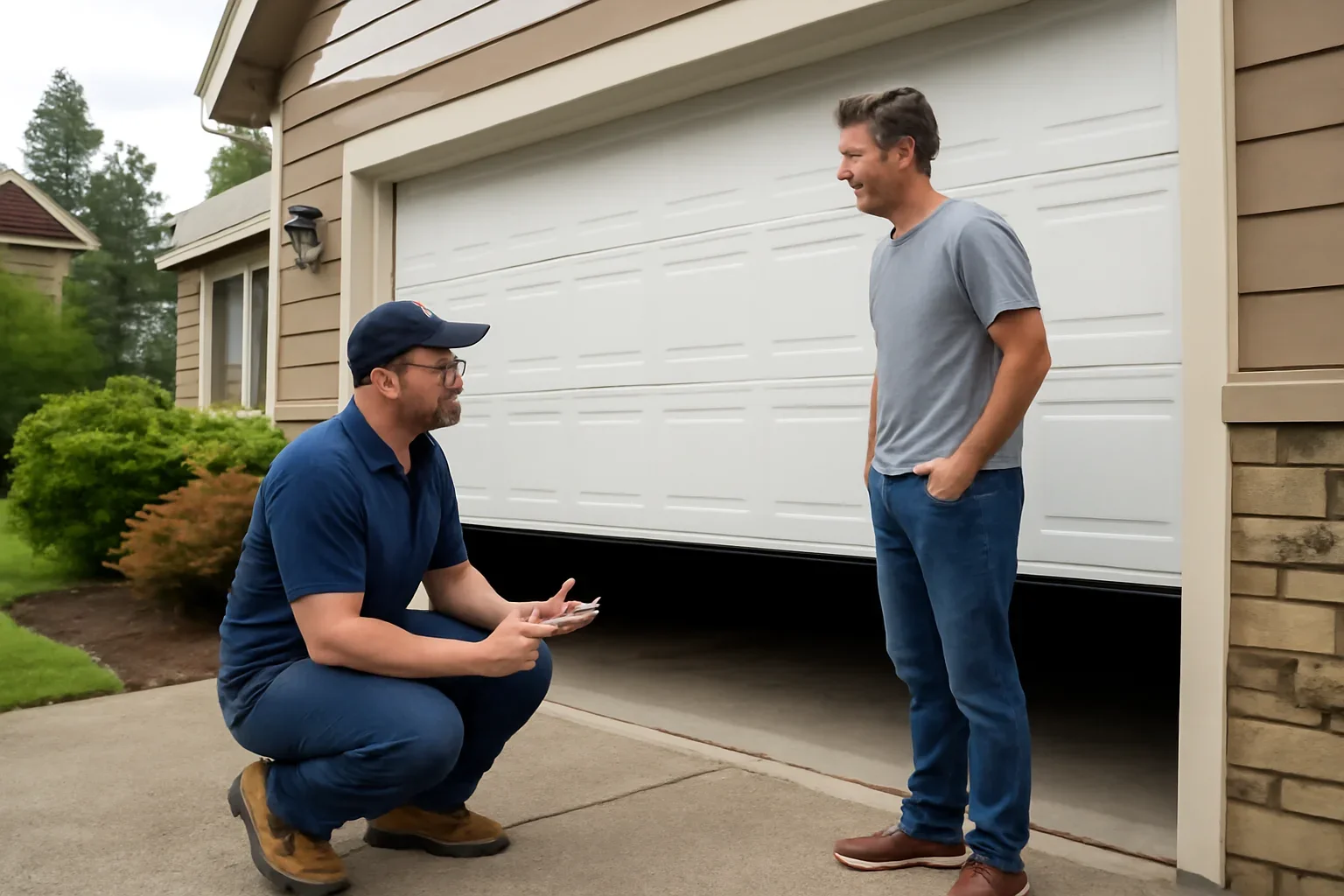
Trying the opener repeatedly can turn a limited failure into wider damage. High-tension parts and a heavy door can move suddenly when cables, springs, rollers, tracks, or bottom fixtures are damaged.
Urgency is usually based on safety, security, blocked access, and the chance that continued operation will worsen the failure.
An open garage can expose vehicles, tools, bicycles, stored property, and an attached entrance. The cause may involve sensors, tracks, cables, springs, or the opener.
A broken spring, failed cable, opener fault, or off-track door can prevent safe opening. Avoid forcing the door to create clearance.
A tilted door may have a cable, roller, track, hinge, or balance failure. Movement can place more load on the remaining hardware and sections.
A loud snap, visible spring gap, loose cable, heavy door, or uneven lift points to a high-tension repair rather than a DIY adjustment.
The trolley, drive system, release mechanism, lifting hardware, or door balance may be involved. Continued motor operation can add strain.
A vehicle, ladder, bicycle rack, storage bin, or yard equipment can bend panels, tracks, brackets, or rollers even when the visible damage looks limited.
Emergency service should begin with the condition that presents the greatest risk. The goal is to identify whether the door can be assessed in place or must first be stabilized.
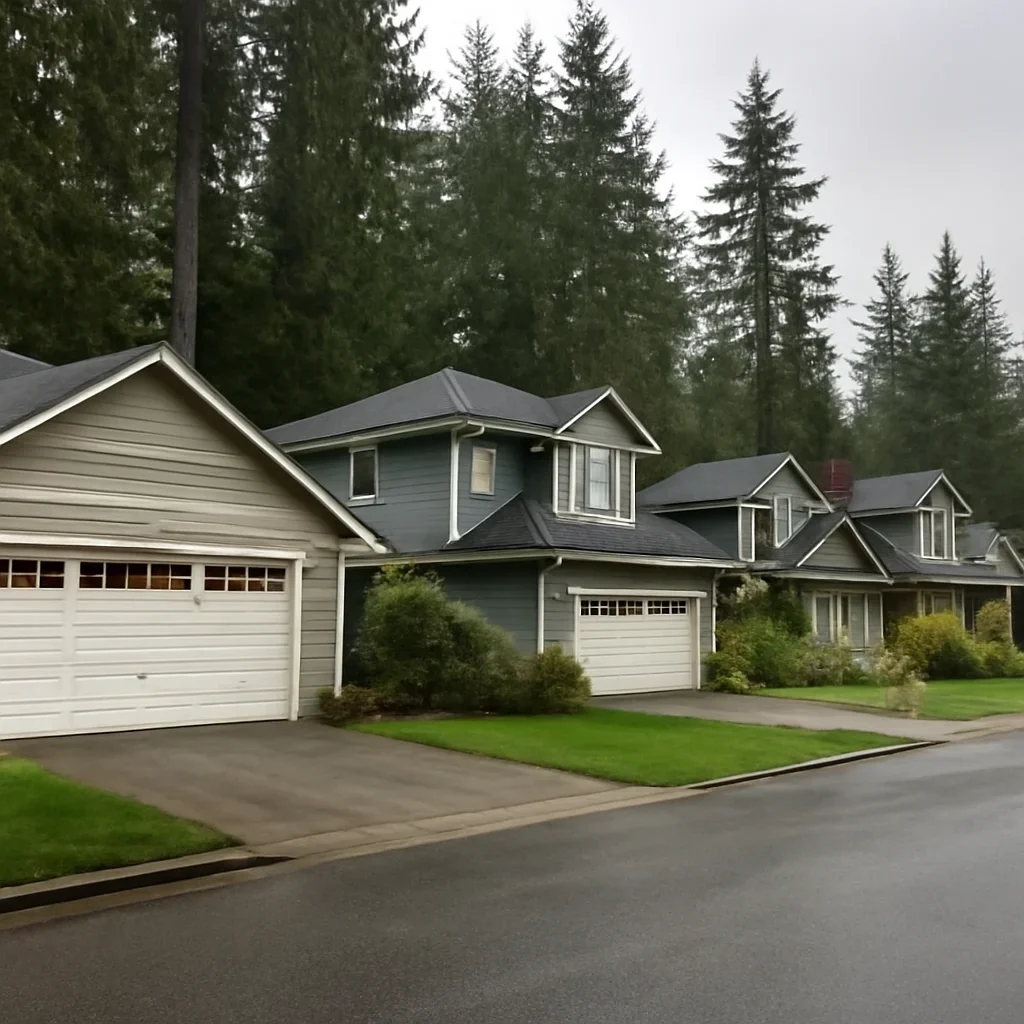
The same mechanical failure can require a different plan depending on the home, driveway, garage layout, and how the door is used.
Older garages may have worn rollers, fatigued springs, previous repairs, outdated openers, or non-standard framing that should be identified before parts are selected.
When the garage is a main household entrance, a stuck or unsecured door can affect school, work, deliveries, and daily vehicle access.
Multiple vehicles, trailers, storage, and narrow work clearances can affect access to tracks, springs, the opener, and the damaged area.
Leaves, small branches, dirt, moisture, and material tracked into the garage can affect sensors, seals, lower tracks, and safe closing conditions.
An urgent request can be prioritized, but arrival and completion should not be treated as automatic guarantees.
The time the request is received and previously booked service calls affect which appointment windows may still be available.
Local traffic, weather, driveway access, parked vehicles, gates, and the ability to reach the garage safely can affect timing.
Standard residential parts may be more readily available than custom panels, unusual springs, special tracks, or older opener components.
A badly damaged or unstable door may need careful stabilization before a full diagnosis or lasting repair can be completed.
The safest first-visit result may be a complete repair, restored access, a secured opening, or temporary stabilization while a required part or wider repair is arranged.
The work should move from immediate risk to diagnosis, repair options, and final testing without forcing a damaged system.
The door position, blocked access, security concern, visible damage, recent events, opener behaviour, and property details are reviewed.
A hanging, off-track, heavy, or partly open door should be made stable before components are adjusted, removed, or tested.
Springs, cables, drums, tracks, rollers, hinges, panels, sensors, opener travel, and balance may all contribute to the failure.
The available repair, required parts, temporary safety option, and any replacement comparison should be explained before work is approved.
A symptom such as “the door will not move” can involve several systems. Checking related parts reduces the chance of treating only the visible failure.
The spring system supports much of the door weight. A broken or fatigued spring can leave the door too heavy for safe manual movement or normal opener operation.
Cables work with springs and drums to lift the door evenly. A failed cable can leave one side unsupported and pull rollers or panels out of position.
Impact, loose brackets, seized rollers, cable problems, or imbalance can cause a roller to leave its path and make the door unstable.
Motor, gear, belt, chain, rail, trolley, release, wall control, remote, keypad, sensor, or power issues can prevent powered operation.
Misaligned sensors, damaged wiring, obstruction, track resistance, or incorrect travel settings can make the door reverse or remain open.
A bent section can change hinge and roller alignment, affect the tracks, reduce security, and make continued travel unsafe.
The correct recommendation depends on the door structure, connected damage, available parts, and whether a lasting repair can be completed safely.
The final scope depends on the failure and the condition of the connected door system.
For broader cost factors, review the garage door repair cost guide.
Useful details can reduce back-and-forth and help the request reach the right repair path.
These related pages can help identify the most likely repair category.
Use the contact page for a non-urgent planning question that is not creating an immediate safety, access, or security problem.
For an unsafe door, blocked vehicle, unsecured opening, broken spring, loose cable, or off-track condition, use the service booking page and include photos and urgency details.
These answers explain when a problem is urgent, what affects availability, and how to keep the area safer before inspection.
Request emergency garage door repair when the door cannot close, a vehicle is trapped, the opening cannot be secured, the door is crooked or off track, a spring or cable has failed, or continued use may worsen the damage.
Immediate availability cannot be assumed. Timing depends on the time of the request, existing appointments, property access, door safety, repair complexity, and whether compatible parts are available.
Keep people, children, pets, vehicles, and stored items away from unstable hardware. Do not repeatedly use the opener, pull cables, adjust springs, or stand under the door while trying to secure the area.
A door with a broken spring may be extremely heavy and difficult to control. Do not try to lift it alone or disconnect the opener while the door is in an unsafe position. Arrange an assessment instead.
It may be possible when the failure is identified, the door can be handled safely, and suitable parts are available. Custom hardware, extensive damage, or an unstable door may require temporary stabilization and planned follow-up work.
They can. Leaves, small branches, dirt, wet surfaces, parked vehicles, and limited workspace can affect sensors, tracks, safe access, and how quickly the damaged area can be reached and tested.
Share your Brookswood address, access instructions, door position, whether a vehicle or household entrance is blocked, visible damage, recent impact or loud sounds, door size, opener details, clear photos, and preferred timing.
The scope should be based on the failed component, connected damage, door condition, required parts, property access, and whether repair, temporary stabilization, panel work, or replacement is recommended. Confirm the work before approval.
Include your address, driveway or parking instructions, the current door position, whether access or security is affected, trapped vehicles, visible spring, cable, track, panel, sensor, or opener damage, recent sounds or impact, photos, and preferred timing.