The door will not open
A broken spring, loose cable, jammed roller, damaged track, opener fault, or locked control may prevent normal movement.

A noisy, stuck, crooked, heavy, damaged, or unreliable garage door may involve more than one part. Proper garage door repair starts by checking how the panels, hinges, rollers, tracks, springs, cables, opener, and safety controls work together, especially when vibration or noise carries into nearby living space.
Brookswood includes mature detached homes, double garages, renovated properties, and larger residential lots where quiet, dependable access matters. The right repair depends on the main symptom, current door position, door weight, visible damage, garage layout, and whether the lifting system is stable.
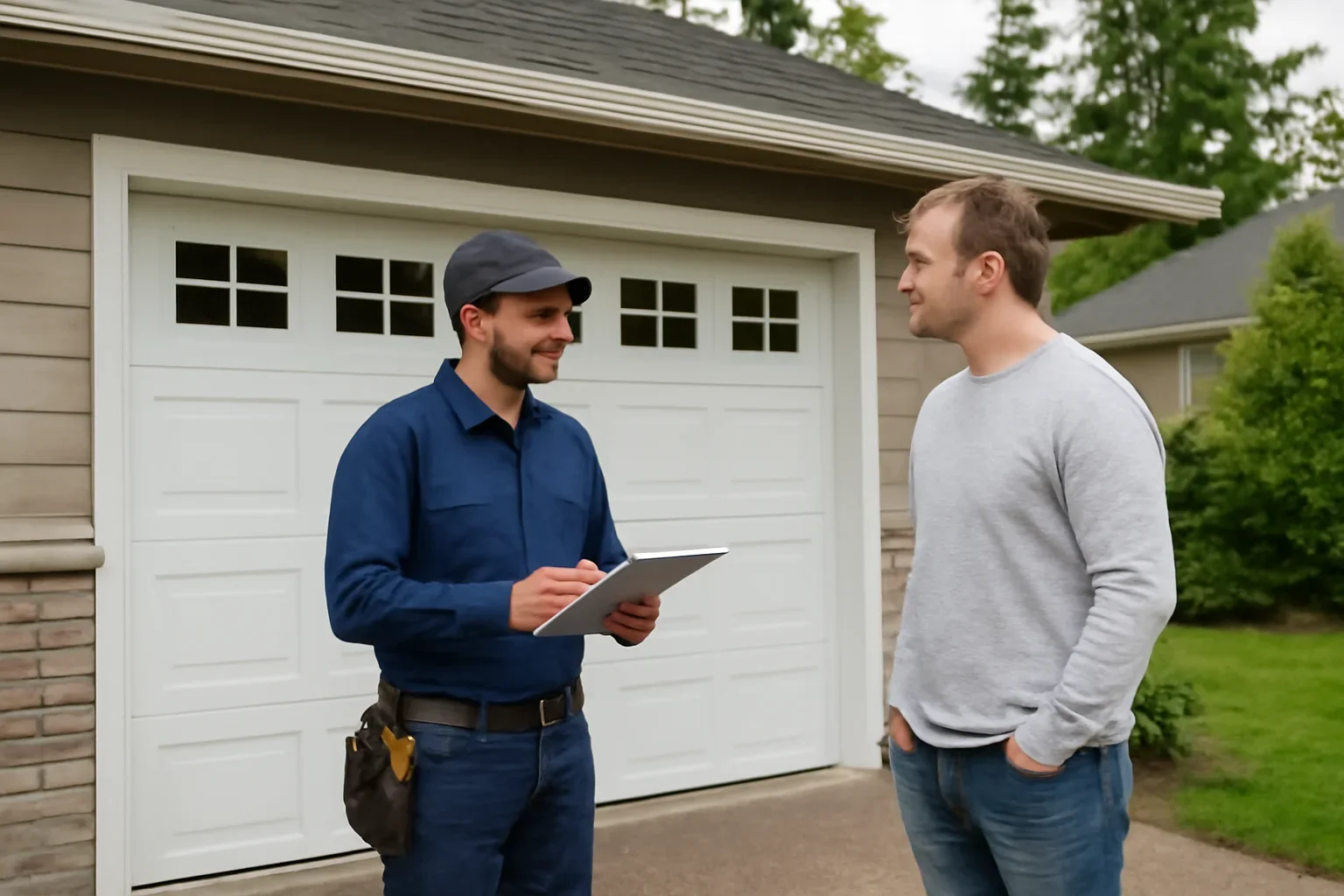
The clearest symptom helps identify the first inspection point, but connected parts still need to be ruled in or out.
A broken spring, loose cable, jammed roller, damaged track, opener fault, or locked control may prevent normal movement.
Uneven travel can involve cables, drums, springs, tracks, rollers, hinges, or a section that has shifted out of alignment.
Heavy movement often points to weak spring support, balance trouble, cable problems, or resistance in the tracks and rollers.
Noise at the same point may come from rough rollers, track contact, loose hinges, panel movement, opener strain, or vibration travelling into an attached home.
The issue may be electrical, but poor balance, track resistance, sensor trouble, or a damaged door should be checked first.
Dents, cracks, loose hinges, bent tracks, displaced rollers, rust, and impact damage can affect safe travel and alignment.
A crooked, partly open, off-track, hanging, or unusually heavy door may move without warning. Springs, cables, drums, shafts, and bottom fixtures can also hold significant tension.
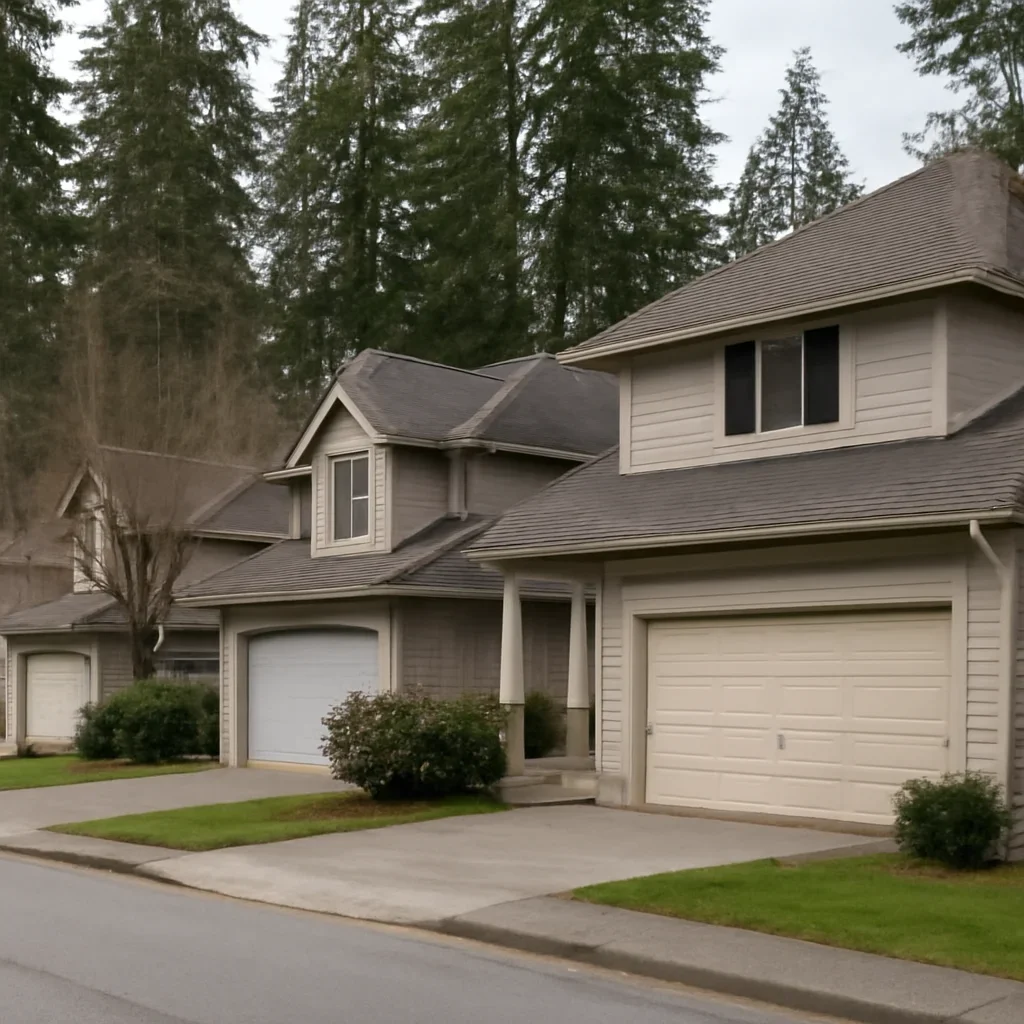
A visible problem may be only one part of the failure. The inspection should identify the cause, connected wear, safety risk, and whether the opener has been compensating for a mechanical issue.
The repair scope depends on which component failed and whether another part caused the damage or has been carrying extra load.
Broken, weak, corroded, or mismatched springs can leave the door heavy, uneven, or difficult for the opener to move.
Frayed, snapped, loose, or off-drum cables can make the door crooked and may leave one side unsupported.
Bent tracks, loose brackets, seized rollers, cracked wheels, and displaced roller stems can cause scraping or derailment.
Loose hinges, bent sections, cracks, reinforcement damage, and impact can change door alignment and operating weight.
Motor, trolley, rail, belt, chain, gear, control-board, travel, and force problems may interrupt automatic operation.
Misaligned sensors, wiring faults, remotes, keypads, wall controls, lock mode, and receiver memory can affect access and closing.
Damaged seals, debris, uneven floor contact, and opening changes may interfere with closing, weather protection, or reversal.
Loose wall brackets, ceiling supports, shifted framing, or previous incorrect adjustments can affect the complete travel path.
The process should separate the symptom from the underlying cause and confirm the repair scope before work is approved.
The door position, sounds, movement, visible damage, controls, and opener response help identify the systems involved.
Crooked doors, loose cables, broken springs, displaced rollers, and unstable panels require a safety-first plan.
The suspected failure should be checked with the lifting system, tracks, rollers, panels, balance, opener, and controls.
The recommended repair, compatible parts, connected damage, pricing factors, and replacement considerations should be clear first.
The scope may involve adjustment, hardware replacement, lifting components, panel work, track correction, or opener service.
The door should be observed for balance, alignment, sound, travel, stopping, reversal, sensor response, and opener interaction.
Garage door parts share the door’s weight and movement. Continued use after one part fails can spread the damage.
Loss of lifting support can make the door heavy or crooked, loosen cables, change drum winding, overload rollers, and strain the opener.
Binding hardware can push panels sideways, damage hinges, increase opener load, and eventually pull a roller out of the track.
A shifted section changes roller position and may create recurring track contact, poor sealing, or a weak point during travel.
An opener that pulls against a heavy or damaged door may develop trolley, rail, belt, chain, motor, or internal drive problems.
Repair may make sense when the door remains structurally sound and the failed part can be corrected without leaving major balance, alignment, safety, or compatibility issues unresolved.
Replacement may be worth comparing when several panels are damaged, the door is badly corroded, compatible parts are limited, the opening is poorly fitted, or springs, cables, tracks, panels, and the opener all need major work.
For a wider project, review garage door replacement rather than continuing a series of unrelated repairs.
The same symptom can come from a small adjustment or several connected failures. Exact pricing depends on the door and condition found at the property.
A sensor, remote, roller, hinge, spring, cable, track, panel, seal, or opener repair has a different parts and labour scope.
Single, double, insulated, reinforced, oversized, and workshop doors may use different hardware and handling requirements.
A closed door differs from one that is stuck open, crooked, off-track, hanging, or blocked by a vehicle or equipment.
Impact, loose cable, broken springs, bent tracks, damaged panels, and opener strain can expand the repair beyond one component.
Door age, panel profile, spring setup, roller size, track design, opener model, and previous repairs affect suitable options.
Long driveways, gates, parked vehicles, high ceilings, finished garages, storage, and detached buildings may affect service planning.
Brookswood service needs are shaped by mature homes, attached double garages, larger driveways, tree debris, renovation history, nearby living space, and daily family use. Door age, access, ceiling layout, and noise transfer all affect the repair plan.
Share whether the garage is attached, detached, renovated, finished, connected to bedrooms or living space, or used heavily for parking and storage.
Older springs, cables, rollers, tracks, hinges, panels, and openers may show related cycle wear or a mix of previous repairs.
Frequent family use, heavier insulated doors, nearby living areas, storage, and parked vehicles can make smooth, quiet, dependable operation especially important.
Added insulation, replacement sections, new windows, ceiling finishes, or updated openers may change door weight, clearance, and compatibility.
Separate garages may face more moisture, leaf debris, temperature change, storage interference, and delayed maintenance.
A more specific service page can help when the damaged component or urgent condition is already visible.
Do not touch unstable parts or move the door to take better photos. From a safe position, note:
Routine garage door maintenance can identify balance changes, cable wear, spring corrosion, rough rollers, loose hinges, track movement, seal damage, sensor trouble, and opener strain.
Keep tracks and the doorway clear. Stop using the opener when the door becomes heavy, crooked, or rough, and avoid temporary adjustments to high-tension parts.
These answers explain urgency, safety, diagnosis, repair decisions, and what helps before an appointment.
Repair is urgent when the door is stuck open, crooked, off-track, hanging unevenly, blocking access, no longer securing the garage, or has loose cable, a broken spring, unstable panels, or severe track damage. Stop using the door and keep the area clear.
Do not keep operating the opener if the door feels heavy, moves only a few inches, or looks crooked. The cause may involve a spring, cable, track, roller, opener, control, or lock issue. Share the current door position and visible symptoms when booking.
Grinding, scraping, banging, rattling, or shaking can come from rollers, hinges, tracks, loose hardware, springs, cables, panel movement, poor balance, opener strain, or vibration at mounting points. The location and timing of the sound help narrow the cause.
Yes. A broken spring or loose cable can affect balance, tracks, rollers, and the opener. A bent track or rough roller can damage panels and hinges. Continued use after a failure may expand the repair scope.
Many older doors can be repaired when the main structure remains sound and compatible parts are available. Replacement is worth comparing when several systems are worn, panels are badly damaged, corrosion is advanced, or the opening is poorly fitted.
Pricing depends on the failed component, door size and weight, current position, safety risk, connected damage, parts compatibility, property access, and whether the work is a focused repair or a broader restoration.
Share the Brookswood location, garage type, door width, current position, main symptom, visible damage, recent impact, opener behaviour, cable or spring concerns, access details, preferred timing, and clear photos when safe.
Use the contact page for questions about symptoms, safety, property access, urgency, or the most suitable repair path. Do not move or touch an unstable door just to collect more information.
Send the property type, door width, current position, main symptom, sounds, visible damage, cable or spring concerns, opener behaviour, recent impact, access details, and photos when safe. Keep the door unused if it is crooked, heavy, off-track, partly open, or unstable.