Remote or keypad not working
Start here if the wall button works but the remote or keypad does not, or if the opener only responds intermittently.
Review keypad issues
Get practical help when your garage door opener will not respond, reverses before closing, stops partway, makes unusual noise, or no longer works reliably with the remote, keypad, wall control, or safety sensors.
Murrayville homes can have attached garages, older door systems, newer opener setups, and daily-use family garages where smooth access matters. The right repair starts by checking whether the issue is truly the opener or whether door balance, tracks, rollers, sensors, or hardware wear are adding strain to the system.
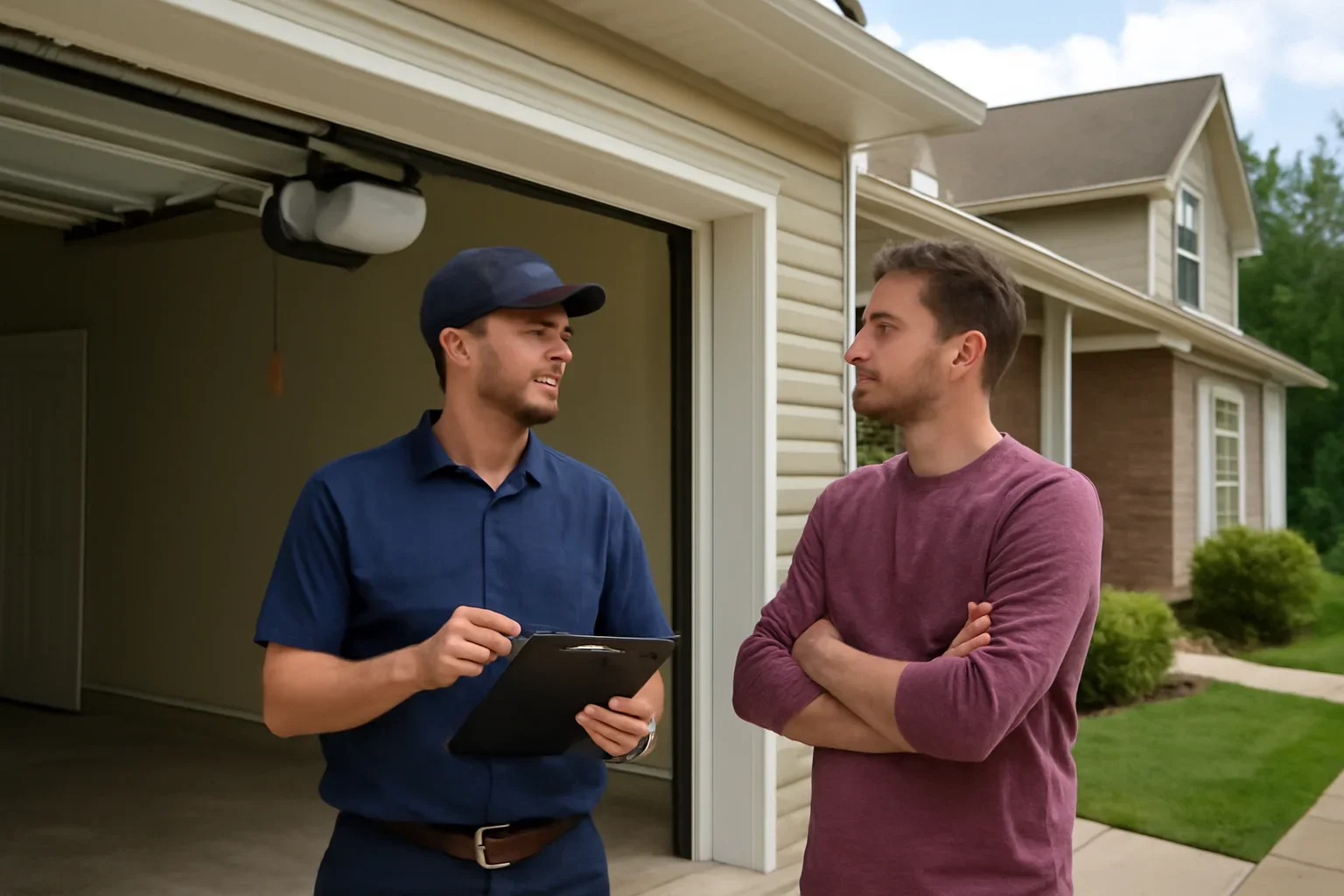
Start here when the motor, remote, keypad, wall control, or smart control is not working as expected.
Review sensor-related causes when the door begins closing and then returns upward.
Use this path when the garage is blocked, unsecured, or the opener problem is disrupting access.
An opener problem can involve the motor unit, rail, trolley, travel limits, force settings, safety sensors, remotes, keypad, wall control, wiring, or the door itself. A careful review helps avoid replacing the wrong part.
Start here if the wall button works but the remote or keypad does not, or if the opener only responds intermittently.
Review keypad issuesSensor alignment, blocked sensor eyes, wiring concerns, or resistance in the door can cause the opener to reverse.
Check sensor guidanceThis can point to trolley, rail, gear, sprocket, release cord, or door-balance issues that need a full system check.
View opener repairIf the opener strains, shakes, or stops partway, the door may be heavy, uneven, misaligned, or affected by worn hardware.
Compare door repairDescribe what happens when you press the wall button, remote, or keypad. Include whether the door moves, reverses, makes noise, or stays fully closed.
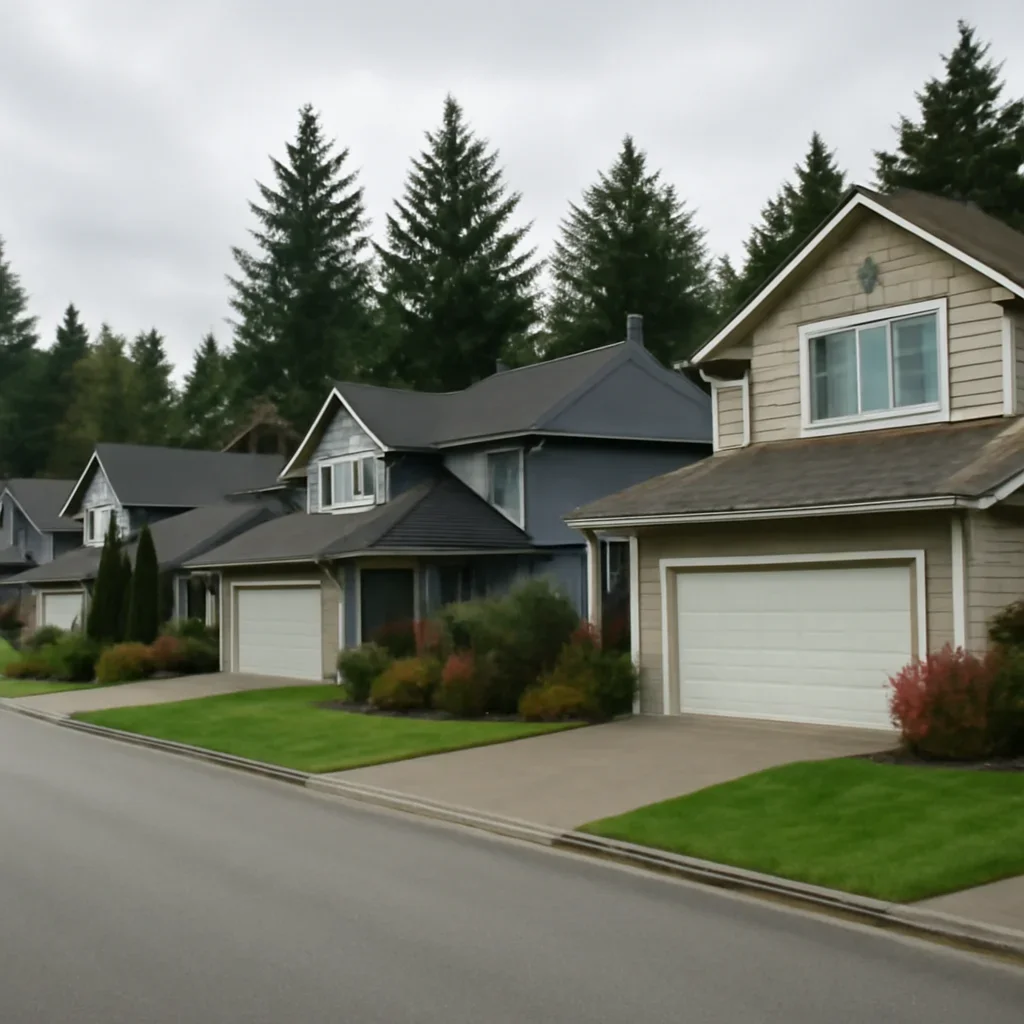
Murrayville has a mix of established residential streets, family homes, attached garages, and properties where the garage is used for daily entry, storage, parking, or workshop access. That means an opener issue may affect convenience, security, noise, and access to the home.
Older doors may put more strain on the opener if rollers, tracks, hinges, springs, or weather seals are worn. Newer setups may involve smart controls, battery backup, keypad programming, or sensor alignment. A useful recommendation should look at both the opener and the door it is lifting.
Small opener issues can become more disruptive when the garage is used every day. Service is worth arranging when the door becomes unreliable, unpredictable, or difficult to secure.
The remote, keypad, or wall control may not trigger the opener, or the motor may not show normal signs of power.
The opener may close partway and reverse because of sensor alignment, resistance, track issues, or travel settings.
Grinding, humming, clicking, or slow movement can suggest opener wear or a door that is too heavy for the opener to move safely.
Intermittent operation may involve remotes, keypad batteries, signal range, wiring, sensor position, or control-board issues.
Do not loosen, pull, or adjust garage door springs and cables while troubleshooting an opener. If the door feels unusually heavy, hangs unevenly, or will not stay in position, keep the area clear and arrange service.
Opener replacement is not always the first answer. The door, opener, controls, sensors, and hardware should be considered together before choosing the next step.
Explain whether the opener is silent, humming, clicking, reversing, stopping partway, or working only with certain controls.
The opener, safety sensors, rail, trolley, controls, door balance, tracks, rollers, and springs may all affect operation.
Depending on age, condition, noise, reliability, and parts availability, the next step may be adjustment, repair, or replacement.
You do not need to know the part name. A simple description of the symptom is usually more useful than guessing whether the motor, sensor, remote, keypad, or door hardware has failed.
These pages can help if your opener issue may involve sensors, the door itself, same-day access needs, or general booking questions.
These answers help narrow down the likely service path without overcomplicating the issue or guessing at the failed part.
Opener repair becomes more urgent when the garage door is stuck open, blocking a vehicle, preventing normal access, or no longer securing the garage. If the door is uneven, hanging, or unstable, keep the area clear and arrange service.
Yes. A heavy, unbalanced, misaligned, or damaged door can make the opener struggle, stop, reverse, or sound like the motor is failing. The full door system should be checked before assuming the opener alone is the cause.
Reversing can be related to safety sensors, blocked sensor eyes, wiring, door resistance, travel limits, opener force settings, or track alignment. If the door keeps reversing, avoid forcing it closed.
Repair may make sense when the opener is generally reliable and the issue is isolated. Replacement may be worth comparing when the opener is older, noisy, inconsistent, missing features you need, or affected by repeated failures.
Mention your Murrayville location, whether the door is open or closed, which controls work, what sound the opener makes, and whether the door stops, reverses, or does not move at all.
Tell us what the opener is doing, which controls respond, and whether the garage is currently accessible. This helps route the request toward opener repair, sensor troubleshooting, door repair, or same-day service when needed.