The door feels unusually heavy
The issue may involve spring balance, cables, drums or connected hardware rather than the opener motor alone.

Understand the springs, cables, rollers, tracks, hinges, seals, opener components and supporting hardware that keep a garage door moving safely and reliably.
A garage door is a connected system. A worn roller can place extra pressure on a track, a weak spring can make the opener work harder, and a damaged cable can leave the door uneven or unsafe to operate. Replacing the visible part without checking the surrounding system may not correct the real cause.
Share the symptom, door size, opener information and any visible damage. These details help determine whether the problem involves one replaceable component, several connected parts or a broader garage door repair.
Need help identifying the service category? Send a service question
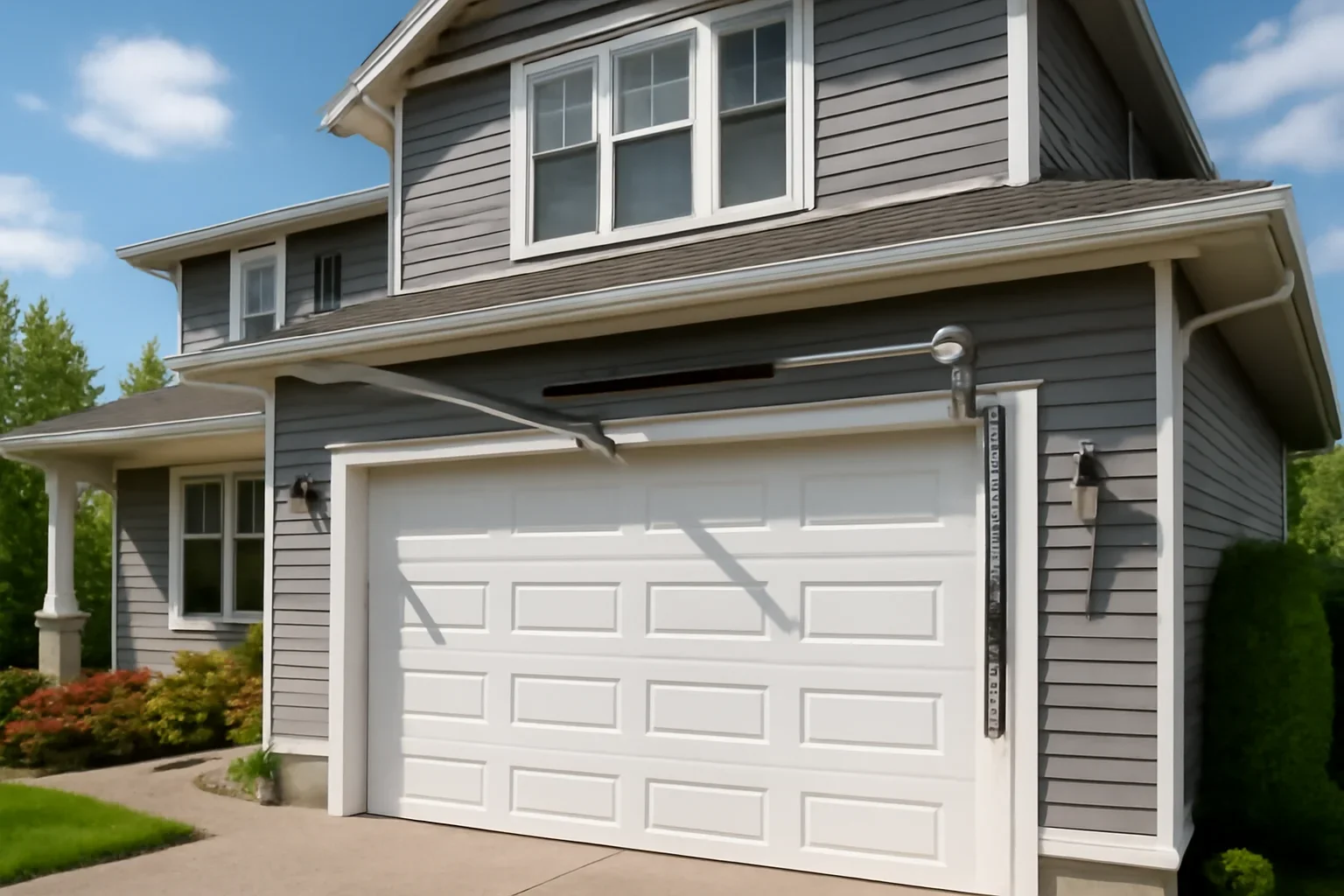
Similar symptoms can come from different components. Use these examples as a starting point rather than a final diagnosis.
The issue may involve spring balance, cables, drums or connected hardware rather than the opener motor alone.
Rollers, hinges, bearings, tracks or loose hardware may be creating friction and vibration during travel.
Uneven movement can be connected to cable tension, roller position, track damage or other balance problems.
The cause may involve the opener drive system, trolley, release mechanism, spring balance or door hardware.
Worn bottom seals, perimeter weatherstripping or poor closing alignment may be leaving gaps around the opening.
Batteries, programming, compatibility, receivers, controls or the opener itself may need to be checked.
Describe what the door is doing, where the sound or damage appears and whether the problem affects safety, security or vehicle access.
Each component performs a different job. Correct identification, sizing and compatibility matter before any replacement is selected.
Springs help counterbalance the weight of the door so it can move with controlled effort.
Cables and drums help lift both sides of the door together and maintain controlled movement.
Rollers guide the door through the vertical, curved and horizontal track sections.
Tracks guide the rollers while brackets secure the system to the surrounding structure.
Hinges allow sectional door panels to move through the curved portion of the tracks.
Bearings support rotating components and help the counterbalance system move smoothly.
Seals help limit drafts, moisture, debris and light around the sides and bottom of the opening.
Panels form the visible door surface, while reinforcement supports attachment points and opener connection.
The opener system may include the motor, rail, trolley, sensors, wall controls, remotes and keypads.
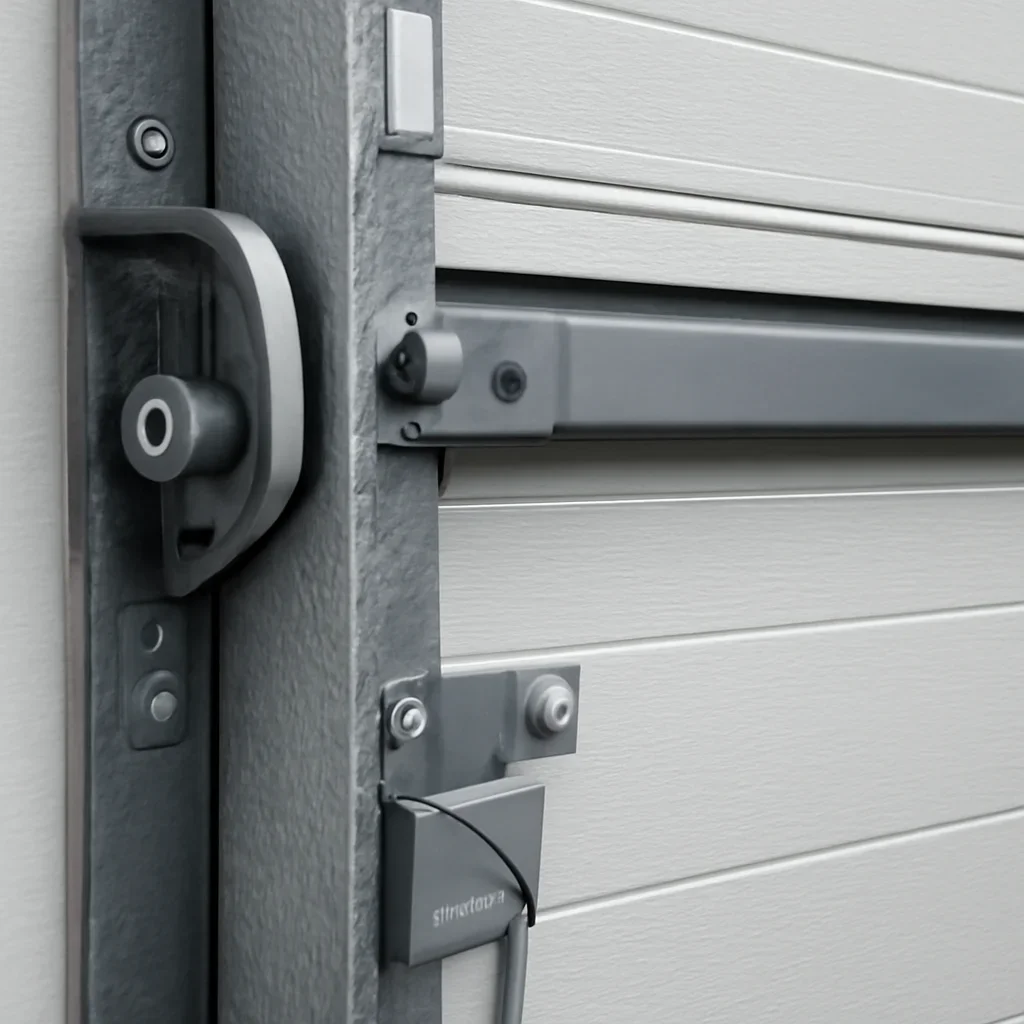
Langley service requests can involve older detached homes, newer townhomes, strata garages, rural properties, workshops and attached garages used as regular household entrances.
The correct part depends on the door rather than the neighbourhood name alone. Door width, height, weight, construction, spring setup, opener model, ceiling clearance and daily use all influence the repair plan.
Garage door parts are not automatically interchangeable. The part must match the door system and the job it performs.
Door dimensions, insulation, panel material and total weight can affect springs, cables, rollers and opener requirements.
Track radius, spring setup, roller diameter, shaft arrangement and mounting points should be identified before parts are selected.
Remotes, keypads, sensors and internal opener components often depend on the specific manufacturer and model.
A failed component may have affected nearby tracks, hinges, brackets, cables or the opener before service is requested.
Attached living space, frequent cycling and comfort goals can influence the most suitable repair or upgrade choice.
Clear photos of the full door, affected part and opener label can help narrow down the likely service scope before the visit.
The decision depends on safety, compatibility, overall condition and whether repairing one component is likely to restore dependable use.
The process begins with the symptom and complete door condition, rather than selecting a part from appearance alone.
Explain what the door is doing, when the issue occurs and whether access, security or safe operation is affected.
Review the door size, construction, spring arrangement, opener model and visible hardware configuration.
Check whether the visible failure has affected tracks, rollers, hinges, cables, balance or opener operation.
Match the proposed component to the existing system and the approved repair scope.
Replace or adjust the required parts without treating unrelated components as automatically interchangeable.
Review door travel, balance, controls, closing position and connected hardware after the work is completed.
Door size, part availability, spring configuration, opener model, connected damage, property access and whether several components need attention can all affect the final scope.
Review the pricing page for general planning, then request an estimate based on the actual door and parts involved.
Garage door counterbalance components can remain under substantial tension even when the door is not moving. Do not loosen springs, cables, drums or lower fixtures. Keep clear of a crooked, hanging or unsupported door.
Use these pages to review doors, openers, insulation, pricing and broader service options before making a product decision.
Compare complete residential door options when panels, structure, appearance or overall performance need a wider upgrade.
Explore garage doorsReview powered operation, controls, drive systems and smart-access options for compatible garage doors.
Explore garage door openersCompare insulation, comfort and door-construction considerations for attached and frequently used garages.
Explore insulated doorsStart here when several parts may be involved or the exact source of noise, resistance or uneven movement is unclear.
Review garage door repairReview priority service when the door is stuck, unstable, blocking a vehicle or leaving the garage unsecured.
Review same-day serviceCompare additional product features, performance considerations and system-planning resources.
Browse all featuresThese answers cover compatibility, common symptoms, replacement planning and the information worth providing before service.
The main components can include springs, cables, drums, rollers, tracks, hinges, bearings, shafts, brackets, panels, reinforcement, weather seals and opener controls. The exact setup varies by door.
Start with the symptom and take clear photos of the full door, affected area and opener label. Measurements, door construction and hardware configuration may also be needed before compatibility can be confirmed.
Not automatically. Springs, rollers, hinges, cables, tracks, seals, remotes and opener parts may depend on specific dimensions, ratings, positions, brands or models.
Yes. A binding roller, weak spring, damaged cable or misaligned track can place added pressure on surrounding hardware and the garage door opener.
Not automatically. The decision depends on age, condition, compatibility and whether wear is isolated or present across several positions.
No. Garage door springs must be matched to the door and counterbalance system. Appearance alone does not confirm the correct size, rating or configuration.
Seek prompt help when a spring or cable has failed, the door is crooked or off track, a vehicle is trapped, the opening cannot be secured or the system is moving unpredictably.
Include your Langley location, property type, door size, current position, symptoms, opener brand or model, visible damage and safe photos of the complete door and affected area.
Share what the door is doing, the visible component, opener details and whether the issue affects access or safety. You do not need to identify the exact replacement part before requesting an estimate.