Garage Door Seals Langley | Bottom & Perimeter Seals
Bottom and perimeter weather seals

Garage Door Seals in Langley

Reduce drafts, daylight gaps, wind-blown rain, leaves and insects with garage door seals selected for the actual door and opening.

The correct solution may involve the bottom seal, side and top weatherstripping, a threshold seal or an adjustment to the door itself. Before replacing material, it is important to check the floor, seal retainer, door position and driveway drainage.

Seal planning for attached garages, detached garages, workshops and residential properties across Langley.

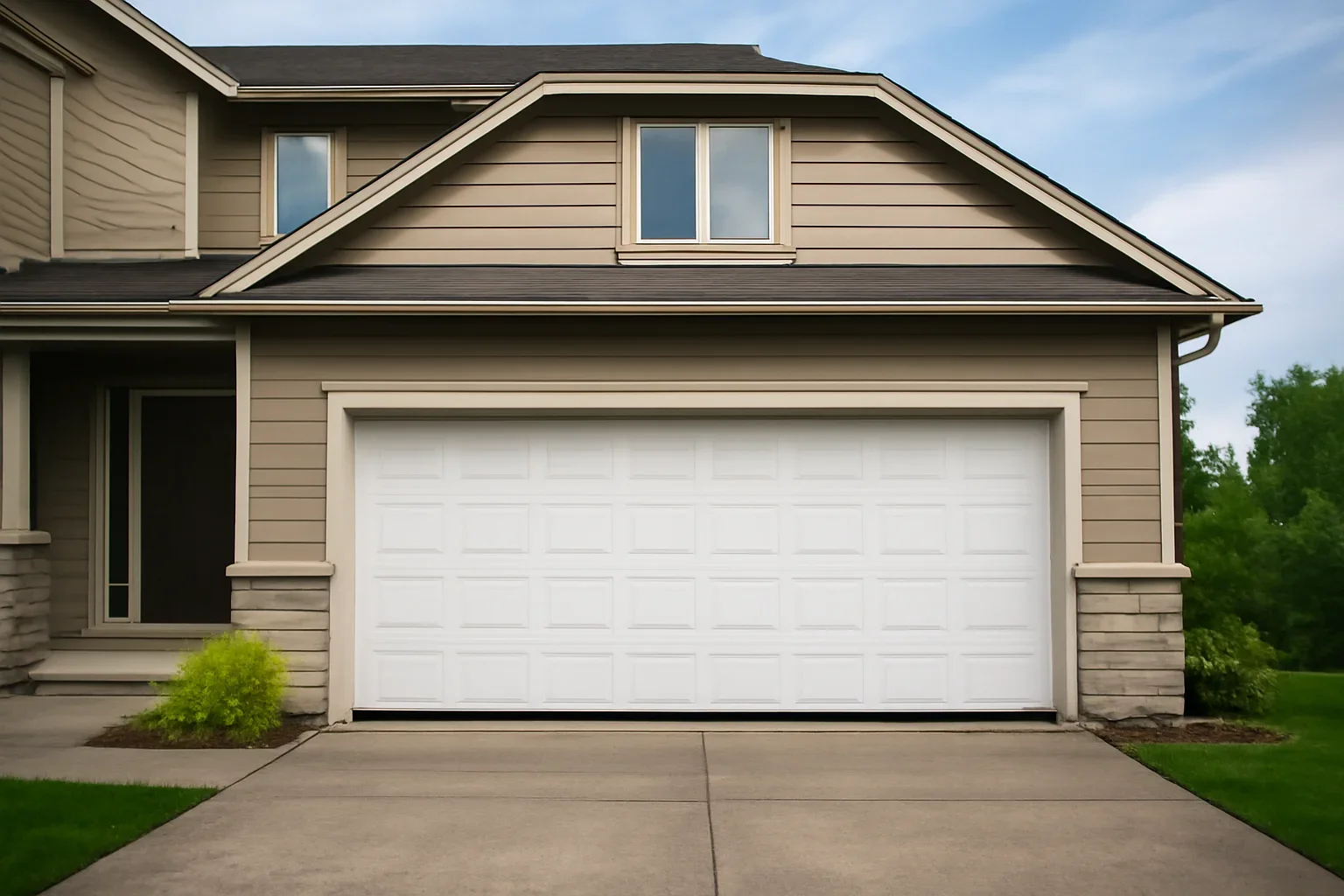
Garage door seals fitted around a residential garage door in Langley
A visible gap is not always caused by the seal Uneven concrete, incorrect door travel or poor alignment can leave gaps even when new weatherstripping is installed.
Bottom seal options Selected according to the retainer, door width, floor contact and size of the gap.
Side and top weatherstripping Helps close perimeter gaps where the outside face of the door meets the opening.
Drainage and alignment checked A seal cannot correct every driveway, concrete, track or door-position problem.
Common warning signs

Does your garage door need new seals?

Weatherstripping should remain flexible and make consistent contact around the closed door. These signs may indicate that the existing material is no longer sealing effectively.

Daylight around the door

Visible light can point to compressed weatherstripping, an uneven floor, loose perimeter trim or a door that is not sitting correctly.

Light appears beneath one corner
A gap runs along the side edge
The top seal no longer touches the door

Rain, dirt or leaves enter

Damaged seals can leave a direct path for wind-driven moisture, dust, leaves and other outdoor debris.

Dampness appears near the threshold
Leaves collect inside the closed door
Rain enters near the lower corners

The material is worn out

Rubber and vinyl can harden, flatten, crack, tear or pull away from the retainer and perimeter trim.

The bottom seal is split or hanging
Side trim feels hard or brittle
Sections of weatherstripping are missing

Garage door seals are not a drainage system

A new seal can reduce water entering directly through ordinary perimeter gaps. It may not stop water flowing toward the garage because of driveway slope, blocked drainage, a deep concrete depression or severe weather exposure.

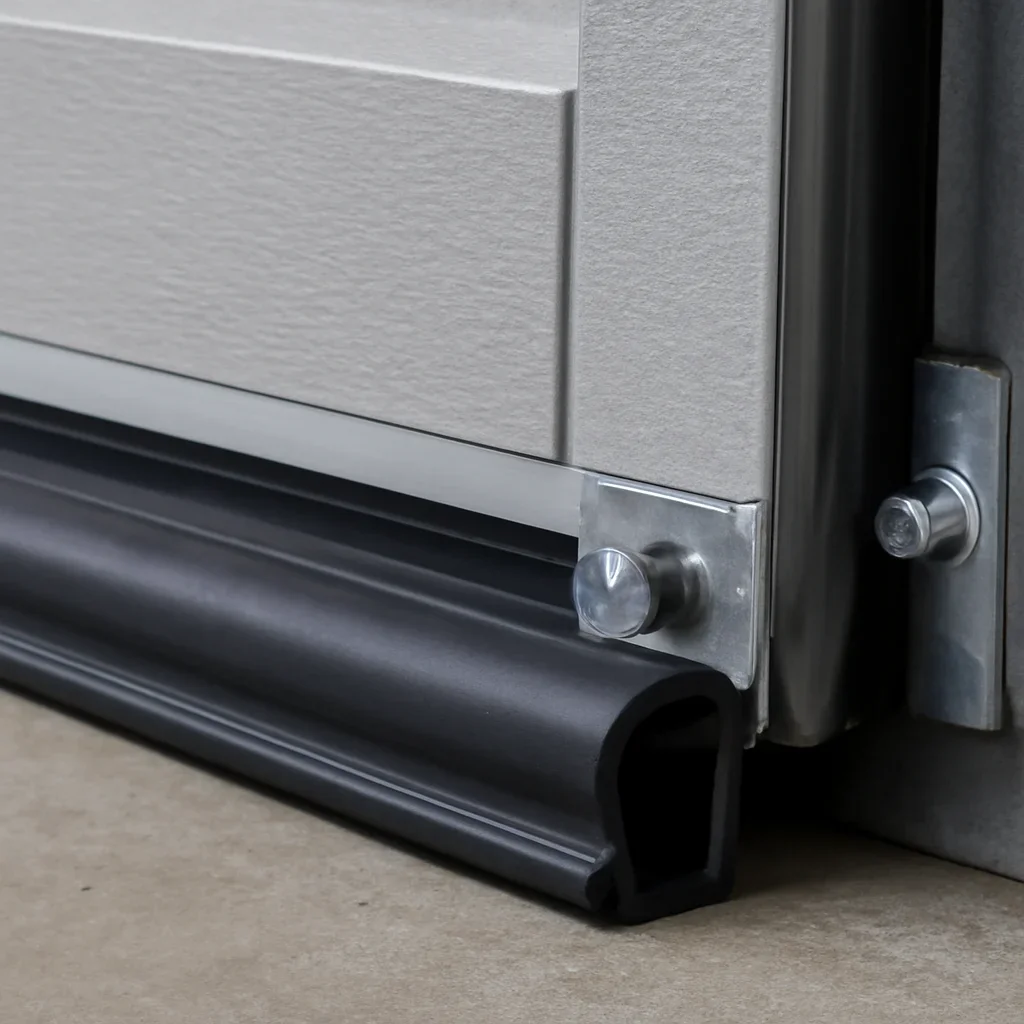
Close view of a garage door bottom seal and perimeter weatherstripping
Langley property context

Sealing decisions shaped by local rain and property design

Langley’s wet fall and winter weather can make small perimeter gaps more noticeable. Wind-driven rain, damp leaves and grit may collect near the bottom corners where an older seal no longer meets the floor.

The right solution also depends on the property. Newer attached garages, established detached homes, townhome garages and rural workshops can have different doors, concrete conditions and exposure to weather.

Attached residential garages Reducing air gaps may make the garage feel less drafty, particularly where the garage shares walls or a ceiling with living space.
Double-width garage doors The bottom seal needs consistent contact across a wider opening, including the centre and both lower corners.
Older concrete floors Settling, wear and previous repairs may create low areas that an ordinary shallow seal cannot follow evenly.
Rural garages and workshops Flexible sealing may help reduce dust, leaves and insects where the opening faces an exposed driveway or yard.
Seal types explained

Which garage door seal do you need?

Different seals protect different parts of the opening. The existing retainer, floor condition and location of the gap help determine the appropriate option.

1

Garage door bottom seal

A flexible strip attached to the lowest door section. It compresses against the garage floor when the door closes.

The replacement must match the retainer channel or attachment method used by the door.

2

Side and top weatherstripping

Perimeter trim seals the outside edges where the closed door meets the jambs and header.

It should make light, consistent contact without folding into the opening or restricting door movement.

3

Garage floor threshold

A threshold attaches to the concrete floor and works with the bottom seal to close certain low-level gaps.

Floor preparation, vehicle clearance, drainage direction and door contact must be considered before installation.

4

Flexible bulb seal

A rounded or bulb-shaped seal can compress into minor variations along the floor.

A larger seal is not automatically better because excessive compression can affect closing and opener travel.

5

T-style and bead-style seals

Bottom retainers may accept T-shaped ends, round beads or other manufacturer-specific profiles.

The channel width and seal profile should be identified before replacement material is ordered.

6

Section-joint weather seals

Some insulated doors use seals or shaped joints between sections to reduce air movement through the door itself.

Visible gaps between sections may also indicate hinge, panel or alignment problems rather than missing weatherstripping.

Inspect before replacing

What should be checked before choosing a seal?

Replacing the rubber without checking the door and opening can leave the original gap unresolved.

Door and existing seal

Compatibility and fit

Door width The seal must cover the complete opening without being stretched or cut too short.
Retainer profile The channel or attachment method determines which bottom-seal profile can be installed.
Required compression The seal should close the gap without being crushed so tightly that it affects normal operation.
Retainer condition Bent, loose or corroded retainers may need attention before a new seal can sit correctly.
Opening and property

Floor, alignment and drainage

Concrete level Low corners, cracks and dips can create gaps that require more than ordinary weatherstripping.
Door position A crooked or incorrectly adjusted door may not meet the floor or perimeter evenly.
Driveway slope Water flowing toward the opening may overwhelm a seal even when it fits correctly.
Perimeter condition Loose trim, damaged jambs and open corners can allow air and moisture around the sides.
Set realistic expectations

What can garage door seals fix?

Weatherstripping is useful for ordinary gaps, but it should not be used to hide a larger door, floor or drainage problem.

New seals may help reduce

Daylight along the bottom or perimeter, small drafts, wind-blown leaves, dust, insects and moisture entering directly through ordinary gaps.

A deeper or more flexible bottom seal may also follow minor changes in the concrete when the correct profile is selected.

Seals may not correct

Major floor depressions, driveway drainage toward the garage, a crooked door, bent tracks, damaged panels or an incorrectly adjusted closing position.

These conditions may require concrete, drainage or broader garage door repair before sealing can work properly.

Seal selection process

How garage door seal replacement works

The goal is to match the seal to the door while maintaining reliable opening, closing and safety-reversal performance.

1

Inspect the closed door

Daylight, floor contact, corner gaps, perimeter trim, door level and signs of moisture entry are reviewed.

2

Identify the correct seal

The door width, retainer, gap depth, material flexibility and surrounding conditions are considered.

3

Fit and test the door

The seal is installed and the door is checked for consistent contact, smooth operation and correct closing behaviour.

Budget considerations

What affects garage door seal pricing?

The cost depends on the parts required and whether the opening needs additional repair or preparation.

Single or double door A wider door requires more material and may take longer to prepare and fit.
Seal and retainer type Some profiles fit an existing channel, while others require a replacement or additional retainer.
Bottom or full perimeter Replacing only the bottom strip differs from renewing the bottom, sides and top together.
Uneven floor conditions Larger gaps or irregular concrete may require a different profile or additional threshold planning.
Door alignment Track, travel or closing-position corrections may be needed before weatherstripping can seal evenly.
Access and preparation Stored items, damaged trim, old adhesive and retainer corrosion can affect the service scope.

Garage door seal FAQ

Questions about garage door seals in Langley

Direct answers about water, uneven floors, drafts, insects, seal profiles and replacement timing.

Will a new garage door seal stop water from entering?

It may reduce water entering directly through ordinary gaps beneath or around the door. It cannot guarantee a waterproof opening or correct water flowing toward the garage because of driveway slope, drainage or a deep floor depression.

How do I know when the bottom seal needs replacement?

Common signs include cracks, stiffness, flattened material, missing sections, daylight beneath the closed door or a strip that has pulled away from its retainer.

Are all garage door bottom seals the same?

No. Bottom seals use different profiles, bead sizes, T-shaped ends and attachment methods. The existing retainer should be identified before replacement material is selected.

Can a thicker seal fix an uneven garage floor?

A deeper or more flexible seal may follow minor floor variation. It may not close a large depression or compensate for a door that is crooked or incorrectly adjusted.

Do garage door seals help keep insects and rodents out?

Closing ordinary perimeter gaps can reduce common entry points. A seal cannot correct damage to the building, large holes, open wall cavities or gaps elsewhere in the garage.

Will new weatherstripping make an attached garage warmer?

Reducing air gaps may make the space feel less drafty. Overall temperature also depends on the garage door construction, walls, ceiling, windows and connection to the home.

Why does my garage door reverse after touching the floor?

The seal may be too compressed, the closing travel may be incorrect or the door may be meeting an obstruction. The door and opener settings should be checked rather than repeatedly forcing it closed.

Can the seals along the sides and top be replaced?

Yes. Perimeter weatherstripping can be renewed when it is cracked, loose, hardened or no longer making suitable contact with the closed door.

What information helps with a garage door seal estimate?

Include the door width, location of the gap, whether water or debris enters, photos from inside and outside, and a close view of the bottom retainer when visible.

Find the right garage door seal for your Langley property

Send photos of the closed door from inside and outside, the approximate door width and details about daylight, drafts, moisture or debris. These details help identify the likely seal and whether another adjustment may be needed.