The door closes and reopens
The sensor beam may be blocked or unstable, but travel settings, floor contact, track resistance and door balance can create a similar symptom.

Does your garage door start closing and then reverse, refuse to close from the remote or show blinking sensor lights? The problem may involve blocked, dirty, misaligned, damaged or incompatible safety-reversing sensors.
We help Langley homeowners understand whether the next step is simple troubleshooting, sensor alignment, wiring repair, bracket correction or replacement with a compatible sensor set. The opener, door movement and reversal response should be considered together rather than treating every closing problem as a failed sensor.
Serving Langley City and Township of Langley communities. The recommended next step depends on the opener model, sensor condition, wiring, mounting and the way the door behaves while closing.
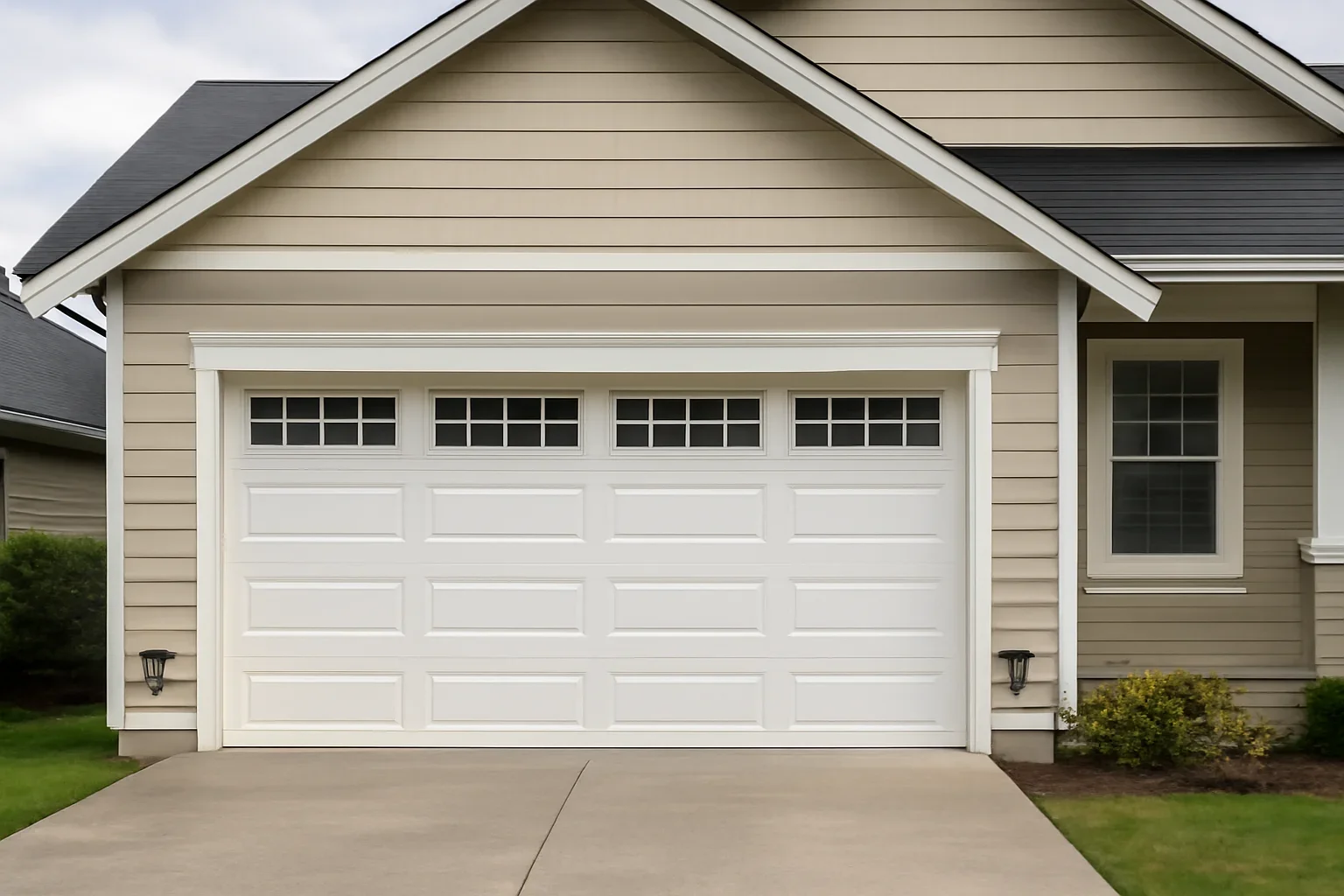
The sensor system is part of the opener’s closing and reversal protection. A recurring sensor fault should be diagnosed rather than hidden by changing force settings or disabling equipment.
Safety-reversing sensors sit near the bottom of the garage opening and face each other across the doorway. They create a monitored beam. When that beam is blocked or the sensor system cannot confirm proper alignment, the opener may stop the door from closing or cause it to reverse. Sensor behaviour varies by opener, so the indicator lights and model-specific diagnostics should be reviewed.
Sensor problems usually appear while the door is closing. Explain whether the issue is consistent, happens only at certain times or began after something changed near the door opening.
The sensor beam may be blocked or unstable, but travel settings, floor contact, track resistance and door balance can create a similar symptom.
The opener may refuse a normal closing command when the safety sensor circuit cannot confirm a clear and aligned beam.
Misalignment, a loose bracket, damaged wire, power interruption or sensor failure may affect the indicator light.
Door vibration, direct sunlight, moisture, a shifting bracket or an unreliable wire connection may interrupt the beam only at certain times.
A closing problem should be diagnosed rather than covered up. Bypassing sensors, increasing opener force or repeatedly forcing the door can affect safe operation and may leave another mechanical problem unresolved.
Langley includes newer residential communities, established neighbourhoods, townhouse developments and rural properties. Sensor placement and exposure can vary depending on the driveway, garage width, storage layout and age of the opener system.
Compact garages in Willoughby and other townhouse areas may have bicycles, recycling bins, sports equipment and shelving close to the sensor path. Even a small object or shifted item can interrupt the beam when the door is closing.
Established homes in Walnut Grove, Brookswood, Murrayville and Langley City may use older opener generations where sensor design, wiring and replacement compatibility require closer review. Rural Township garages and workshops may also have greater exposure to dust, moisture and changing light conditions.
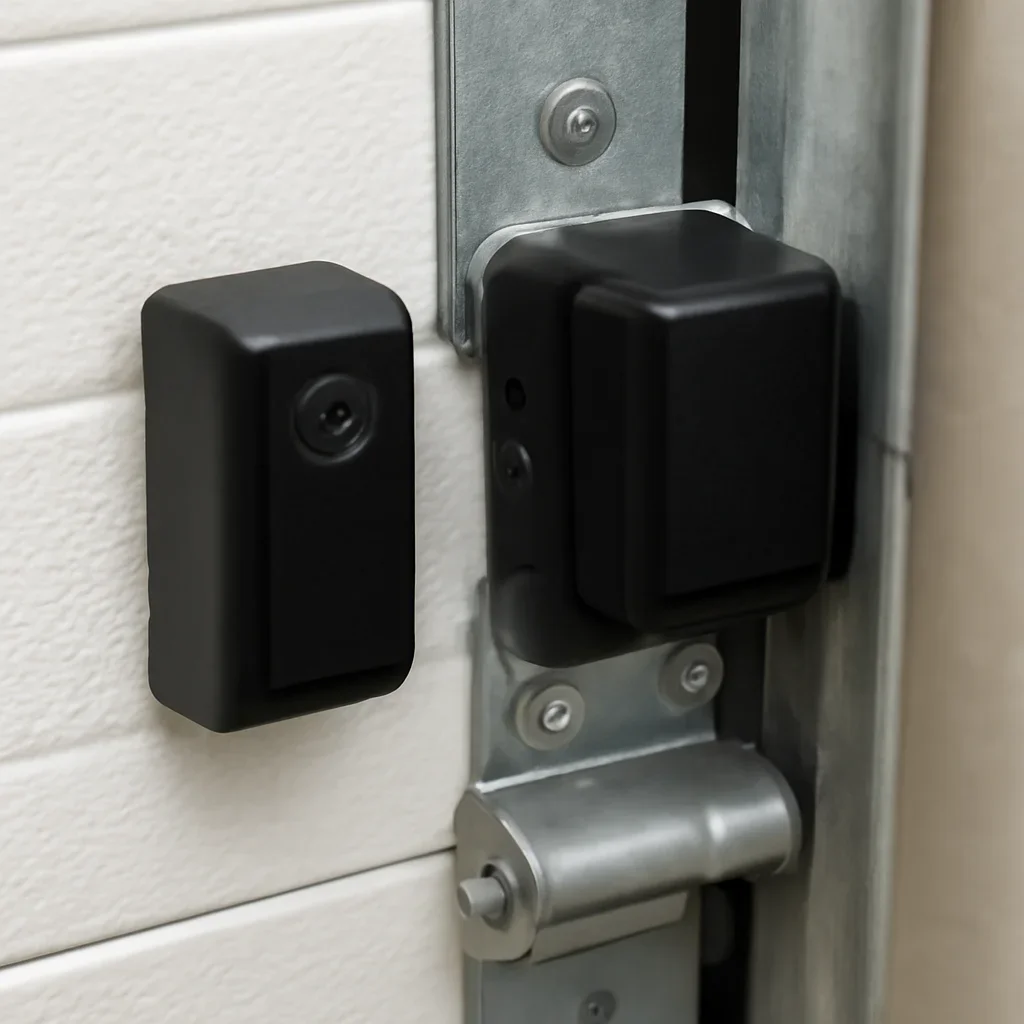
Similar closing symptoms can come from several areas. Inspection should begin with visible and low-risk causes before moving to wiring, opener diagnostics or sensor replacement.
A vehicle tire, storage bin, bicycle, garden tool, cobweb or debris may be interrupting the beam across the opening.
Dust, moisture, residue or a small obstruction on the lens can reduce the sensor’s ability to communicate across the doorway.
A bracket can be bumped, bent or loosened, leaving the two sensor lenses at different heights or angles.
Damaged low-voltage wire, loose connections, corrosion or failed sensor components may prevent a stable signal.
A door may also reverse because of track resistance, incorrect travel settings, force settings, an obstruction under the door, poor balance or mechanical damage. Review garage door opener repair when flashing lights, controls, settings or closing behaviour remain unreliable after the visible sensor path has been checked.
Replacement is not always the first step. The indicator lights, alignment, mounting, wire condition and opener compatibility should be reviewed before new sensors are selected.
Removing the object and confirming a clear path may restore normal closing without changing the sensor set.
Dust, residue or moisture may be affecting the beam while the sensors and wiring remain serviceable.
Alignment may be restored when the brackets and sensor housings are undamaged and can remain secure.
The sensors may still function correctly after an accessible low-voltage wiring fault is identified and repaired.
Cracked housings, impact damage, corrosion or water entry may prevent dependable alignment and operation.
Persistent loss of the signal after alignment and wiring checks may indicate a failed sensor component.
A damaged bracket or mounting point can allow alignment to shift during normal door movement.
Sensors should be matched to the opener model and supported system rather than selected only because the plug or housing looks similar.
The sensor pair, wiring, opener and moving garage door should be reviewed together so the repair addresses the confirmed cause rather than only the most visible symptom.
Check for dirt, moisture, cobwebs, stored objects and anything else interrupting the line across the doorway.
Observe whether each sensor light is steady, blinking, intermittent or completely off.
Confirm that the sensors face each other securely and are not being moved by a loose or damaged mounting bracket.
Review visible wiring for loose connections, damaged insulation, corrosion, staples or sections affected by impact.
Identify the opener model, flashing-light pattern and supported sensor system before selecting replacement parts.
Confirm that the door moves without binding and that the closing and reversal response works correctly after service.
You do not need to diagnose the sensor yourself. Share what happens when the door closes and what you can see without disconnecting equipment.
Clear overview photos can help identify alignment, mounting and compatibility without removing the opener cover or disconnecting wiring.
Do not remove sensors, join wires together or change opener force settings to take a photo or test the system. Leave the equipment connected and describe the observed behaviour.
The process begins with the closing symptom, checks the complete sensor circuit and finishes by confirming controlled door movement and reversal response.
Explain the door movement, sensor lights, opener flashes and which controls still work.
Review the lenses, beam path, brackets, alignment, wiring and opener diagnostics.
Determine whether the issue requires cleaning, alignment, mounting, wiring repair, sensor replacement or opener service.
Confirm steady sensor response and dependable automatic closing after the completed service.
Sensor symptoms can overlap with opener settings, control faults, track resistance and wider garage door problems.
These answers cover sensor alignment, indicator lights, compatibility, replacement and common closing problems.
The sensor path may be blocked, one sensor may be misaligned or the wiring may be unreliable. The door can also reverse because of travel settings, force settings, track resistance, floor contact or poor door balance.
A blinking light commonly points to misalignment, an interrupted beam, bracket movement, damaged wiring or another sensor fault. Light meanings vary by opener, so model-specific diagnostics should also be reviewed.
The sensor may not be receiving power, a wire may be loose or damaged, the connection may be affected or the sensor itself may have failed.
Direct sunlight shining into the receiving sensor can interrupt communication on some systems. A problem that occurs mainly at the same time of day may be connected to light exposure, alignment or a sensor already operating near its tolerance limit.
Visible dust or residue can be carefully removed without changing the mounting position. Avoid harsh chemicals, scratching the lens or moving a bracket that is already aligned.
No. Replacement sensors should be confirmed for the opener manufacturer, model and supported generation. Similar housings or wire colours do not guarantee compatibility.
This behaviour can indicate that the opener is not receiving a normal clear signal from the safety-sensor system. The sensors, alignment, brackets and wiring should be checked rather than relying on the wall-control behaviour as a permanent solution.
Yes. A loose, bent or unstable bracket can allow the sensor to move during door operation, vibration or contact with stored items, interrupting the beam only at certain times.
Replacement may be appropriate when a sensor housing or lens is damaged, corrosion or moisture has entered the unit, indicator response remains unreliable or a compatible sensor has failed after alignment and wiring have been checked.
Include your Langley location, opener manufacturer and model, sensor-light behaviour, what the door does while closing, which controls still work and photos of both sensors, their brackets and the opener label.
Share your property location, opener manufacturer and model, whether each sensor light is steady or blinking, what the door does while closing and whether the problem happens consistently or only at certain times. Clear photos can help identify the likely service path.