The opener clicks or hums
The opener may be receiving a command while the motor, drive, trolley, rail or heavy garage door prevents normal movement.
Is your LiftMaster opener humming, reversing, losing remote connection, showing flashing lights or no longer moving the garage door reliably? The cause may involve the motor, rail, trolley, controls, sensors, smart connection or the garage door itself.
We help Langley homeowners arrange LiftMaster opener diagnosis, accessory setup, programming, repair and replacement planning. The model number, door condition and connected controls should be checked before a part, reset or complete opener upgrade is recommended.
Service scope depends on the opener model, garage door condition, compatible parts, property access and current appointment availability. Manufacturer affiliation is not implied.
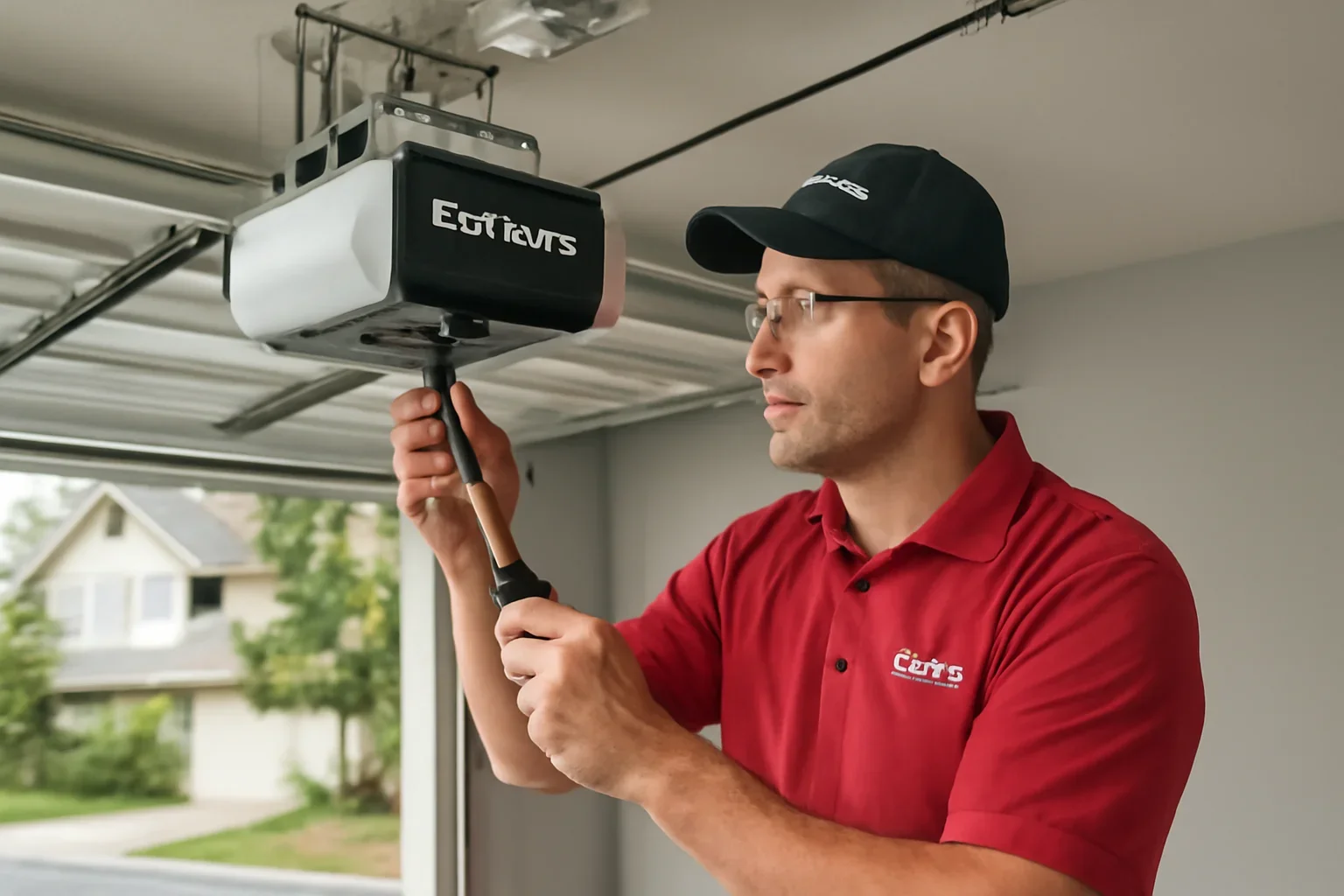
LiftMaster openers span different drive systems, control generations, accessories and connected features. A similar-looking remote, sensor or circuit board may not be compatible.
Many LiftMaster opener problems can be repaired when the rail, motor system and major components remain serviceable and compatible parts are available. Repair may involve sensors, controls, wiring, remotes, keypads, drive components, travel settings or smart access. Replacement may be more practical when failures repeat, parts are unavailable or the system no longer meets the household’s access and backup needs.
The symptom helps narrow the likely cause. Mention when the problem happens and whether the wall control, remote, keypad, vehicle control or myQ app still responds.
The opener may be receiving a command while the motor, drive, trolley, rail or heavy garage door prevents normal movement.
Safety sensors, wiring, travel settings, an obstruction, track resistance or poor door balance may be involved.
Battery condition, programming, lock mode, device compatibility, receiver response or stored-device memory may need review.
Network strength, opener compatibility, account settings, power or the opener’s connection status can affect app operation.
A LiftMaster opener can strain, stop or reverse when the garage door is heavy, crooked, binding or poorly balanced. Repeated use can increase damage to the motor, rail, trolley and door hardware.
Langley includes newer townhouses, established detached homes, custom properties, workshops and rural outbuildings. The most useful LiftMaster service path depends on the garage layout, door weight, opener generation, network reach and daily household routine.
Newer homes in Willoughby may already use Wi-Fi-connected openers, keypads and app access. Compact garages can also have ceiling storage, lighting, ducts and limited room around the opener rail.
Attached garages in Walnut Grove, Murrayville, Brookswood and Langley City may place greater value on quiet operation, dependable lighting and access during a power interruption. Older systems may need exact model matching before remotes, sensors or control parts are selected.
Fort Langley, Aldergrove and rural Township properties may include detached garages or workshops farther from the home router. Network coverage, exterior keypad access and a practical outage-entry plan can be as important as smartphone features.
A useful inspection separates an opener fault from a garage door problem and confirms whether the issue affects one control or the complete system.
Record the model, approximate age, drive type, indicator lights, error messages and any recurring diagnostic pattern.
Test the wall control, remotes, keypad, vehicle controls and myQ access to identify which part of the system is affected.
Review the motor response, trolley, door arm, rail, belt, chain or wall-mounted drive components as applicable.
Check the sensors, reversal, springs, cables, tracks, rollers and whether the door moves without excessive resistance.
A heavy or binding door should be assessed before travel or force settings are changed. Excessive force may increase strain and affect dependable reversal. Use garage door opener repair when the cause has not been confirmed.
LiftMaster systems are available in different drive and mounting configurations. The correct choice depends on the physical garage door, ceiling layout, noise goals and feature requirements.
A belt-drive system is often considered for attached garages where operating noise and vibration can travel into a bedroom, office or room above the garage.
A chain-drive opener can be considered where dependable operation and product value are more important than minimizing every source of sound.
A wall-mounted opener sits beside the garage door rather than using a central ceiling rail. It is not suitable for every spring, shaft, track or clearance arrangement.
The decision should consider the failed component, overall reliability, parts compatibility, desired features and the condition of the moving garage door.
The unit normally operates correctly and the problem is limited to a sensor, control, wire, setting, accessory or serviceable drive component.
The exact model can be matched to an appropriate replacement component or supported accessory.
The garage door remains balanced, aligned and mechanically serviceable without forcing the opener through resistance.
Existing noise level, controls, lighting, backup and connected access still meet the property’s needs.
Repeated motor, receiver, control-board, trolley or drive problems may make continued repair less practical.
An older product generation may no longer support the required control, remote, keypad, sensor or replacement part.
Excessive noise, limited lighting, poor backup access or an unsuitable drive arrangement may justify a different system.
Built-in Wi-Fi, battery backup, camera support, improved lighting and modern access controls may be easier to plan together.
LiftMaster products span multiple generations. Model-specific checks help avoid incompatible remotes, keypads, sensors, batteries, controls and internal parts.
Record the full number from the exterior product label. A small model difference can identify another drive or control system.
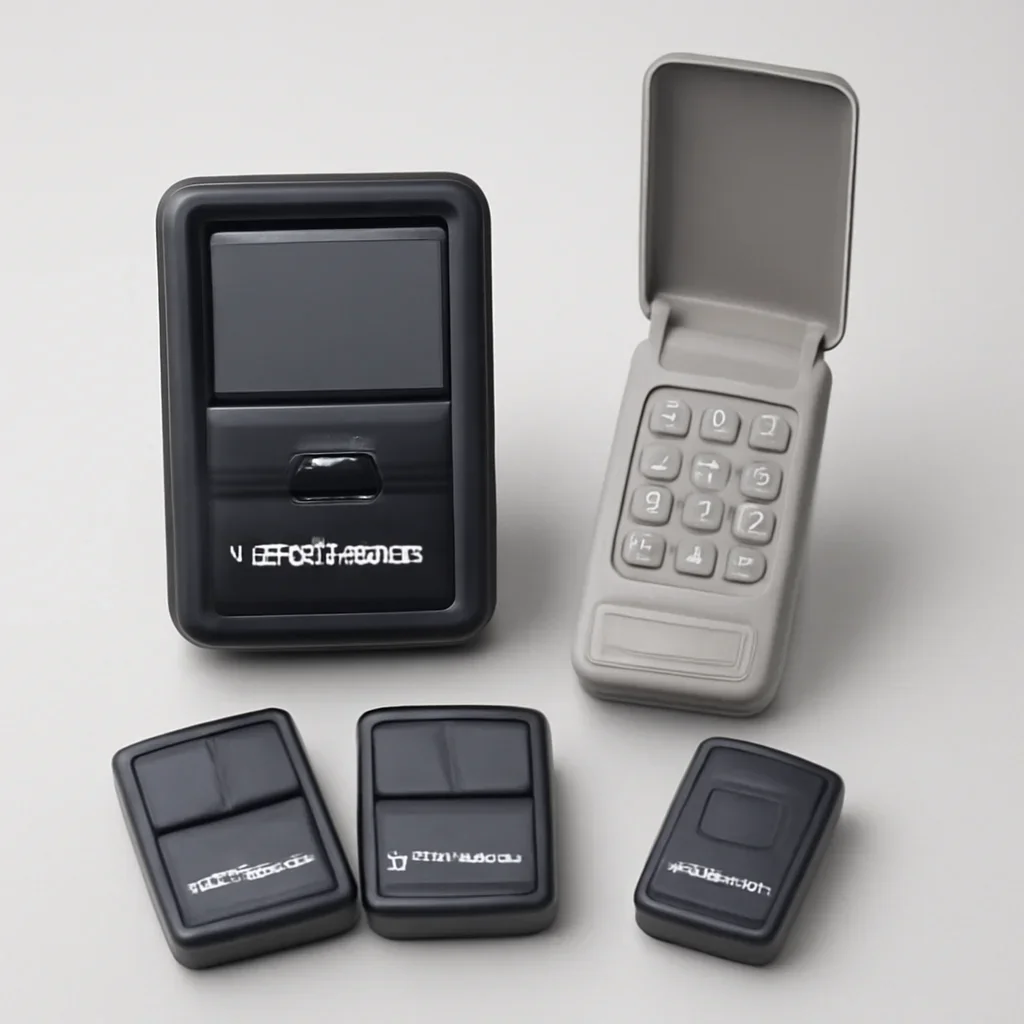
Button colour and programming type can help identify compatible remotes, keypads and vehicle controls.
Approximate age can help distinguish older radio, sensor, accessory and control-board generations.
Drive parts, rails, trolleys and mounting components are not automatically interchangeable between opener types.
Replacement sensors should be confirmed for the opener rather than selected only by housing shape or wire colour.
myQ, cameras, locks, keypads, battery backup and lighting capabilities vary between LiftMaster models.
myQ features can provide door-status information, notifications and compatible access tools. Reliable operation depends on the opener model, account setup, network connection and supported accessories.
You do not need to identify the failed component. Share the opener information and what happens when a normal command is sent.
Clear images can help identify the system without removing covers or touching internal electrical and high-tension door parts.
Use labels and components visible from outside the opener housing. Do not remove electrical covers or touch springs, cables, drums and lower brackets to identify the system.
The process should identify the opener, reproduce the symptom and separate motor or control faults from garage door problems.
Confirm the model, drive type, controls, accessories and available diagnostic information.
Review the motor response, controls, sensors, door balance, hardware and normal movement.
Explain programming, focused repair, compatible parts or complete opener replacement.
Confirm travel, closing, reversal, controls and supported connected features after service.
Use these pages to compare opener systems, replacement options and connected access requirements.
These answers cover model identification, controls, sensors, myQ, drive systems, repair and replacement.
Look for a product label on the exterior of the opener housing. Depending on the model, it may be on the side, back or near the light cover. Record the full model number rather than only the LiftMaster name.
The opener may be receiving a command while the motor, drive, trolley or rail cannot move normally. A broken spring, heavy door or disconnected trolley can create a similar symptom.
Possible causes include blocked or misaligned safety sensors, wiring problems, travel settings, an obstruction, track resistance or poor garage door balance.
The cause may involve the battery, programming, lock mode, device compatibility, stored-device memory or opener receiver. Check whether the wall control and other devices still operate the door.
It depends on the opener model, generation and programming system. Compare the complete model and learn-button information with the keypad’s supported compatibility before selecting it.
The issue may involve model compatibility, Wi-Fi strength, router settings, account setup, opener power or the connection status. Include the model, LED behaviour and app message when requesting support.
No. Battery backup is included on selected models and may use a model-specific replacement battery. Confirm the exact opener specifications before assuming backup operation is available.
No. Wall-mounted systems require a compatible door, spring and shaft arrangement, suitable side clearance, electrical access and appropriate installation conditions.
Repair may fit when the problem is limited and compatible parts are available. Replacement may be more practical when failures repeat, major parts are unavailable or several newer access and backup features are needed.
These devices can be assessed as part of the complete opener system. The final solution depends on battery condition, programming, model compatibility, wiring and device condition.
Include your Langley location, opener model, current symptom, flashing lights, controls that still work, garage door movement and clear photos of the opener label and relevant accessories.
Share your property location, LiftMaster model number, what happens when the opener is activated, which controls still work and any flashing-light or myQ information. These details help narrow down repair, setup, accessory and replacement options.
LiftMaster and myQ are trademarks of their respective owner. Brand references identify compatible product service and do not state or imply manufacturer ownership, authorization or affiliation.