Daylight is visible under the door
A flattened bottom seal, uneven floor, damaged retainer, or door-balance issue may leave a gap when the door is closed.

Worn, cracked, flattened, missing, or poorly fitted garage door seals can allow drafts, rainwater, dust, leaves, insects, and small pests into the garage. Proper weather seal replacement starts by identifying whether the gap is caused by the seal, the retainer, the floor, the door position, or the opening itself.
Aldergrove homes, detached garages, acreages, and workshops may face different exposure to wind, moisture, gravel, dust, and uneven concrete. The right solution depends on the bottom seal profile, side and top trim, door width, floor condition, jamb spacing, and how evenly the door closes.
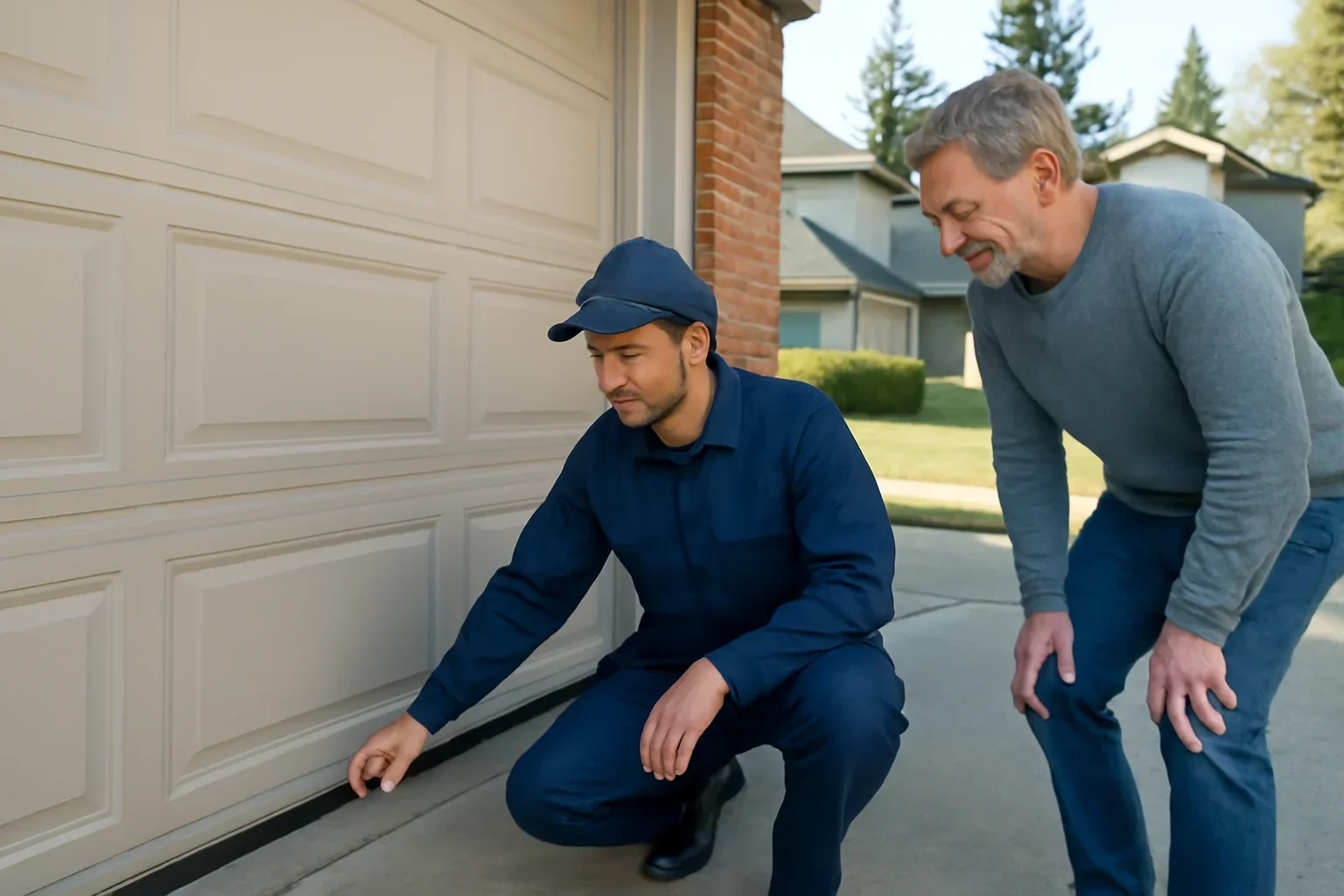
Seal wear is often easiest to notice from light, air, water, debris, or visible damage around the closed door.
A flattened bottom seal, uneven floor, damaged retainer, or door-balance issue may leave a gap when the door is closed.
Worn side or top weatherstripping may no longer press evenly against the door sections.
Rainwater may enter beneath the door because of seal wear, floor slope, drainage, wind direction, or an uneven closing line.
Age, cold, heat, friction, impact, and UV exposure can make the material brittle, torn, loose, or partly detached.
Open corners and worn edge seals create direct paths for outdoor debris and small pests.
A crooked door, track issue, loose cable, poor balance, or floor variation can create a sealing problem that new material alone will not solve.
Weather seal replacement is generally lower risk than spring or cable work, but the door itself should remain unused if it is crooked, off-track, unusually heavy, or not closing evenly.
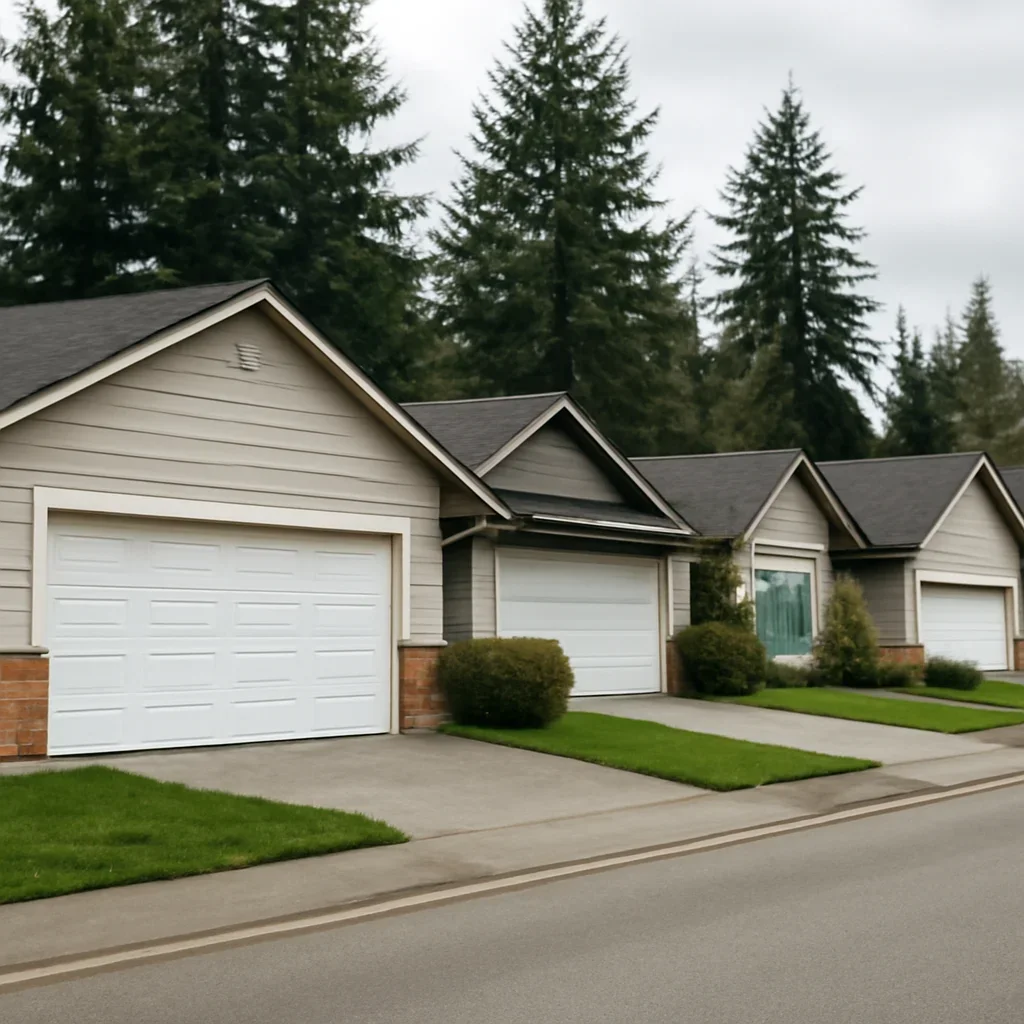
The best seal cannot correct every gap. The door, opening, floor, retainers, and closing position should be checked before selecting new weatherstripping.
Bottom, side, and top seals perform different jobs and need to match the door, retainer, jamb, and opening condition.
The bottom seal sits along the lower edge of the door and compresses against the floor. It helps close small gaps and reduce air, water, dust, and pest entry.
The replacement must fit the existing retainer profile or be paired with a suitable new retainer when the old channel is damaged or incompatible.
Side seals mount to the jamb and lightly contact the door face when closed. They should follow the opening without rubbing so tightly that they interfere with travel.
Loose trim, warped jambs, shrinkage, paint buildup, and door misalignment can all affect contact.
Top weatherstripping closes the gap between the upper door section and the header. The fit depends on door position, top fixtures, opening shape, and how far the door settles when closed.
A persistent top gap may point to adjustment, panel, track, or closing-limit issues rather than material wear alone.
Weatherstripping can wear normally, but poor fit, movement, and opening conditions can shorten its service life.
Repeated closing pressure can flatten flexible material until it no longer fills the gap.
Temperature changes and UV exposure can make seals shrink, harden, crack, or lose flexibility.
Low corners, floor cracks, slope, settling, or heaving can leave gaps that one uniform seal cannot fully match.
Bent, corroded, split, or loose bottom channels may not hold the replacement material evenly.
A crooked or poorly balanced door may contact one side of the floor before the other and create an uneven seal line.
A seal that does not match the retainer, door thickness, gap, or exposure may fit poorly or pull out early.
Rough concrete, gravel, ice, dirt, paint, and stored items can tear or drag the bottom seal.
Vehicles, tools, mowers, rodents, and pets can tear, crush, or pull weatherstripping away from the door.
The correct process depends on the seal location, existing retainer, door alignment, floor condition, and the type of gap being addressed.
Light, drafts, water, debris, or pest entry at the bottom, sides, top, or corners helps locate the main sealing problem.
The door should be square, stable, and closing evenly before new material is expected to seal the opening.
Bottom channels, side moulding, top trim, fasteners, jambs, and damaged mounting points should be checked.
Seal profile, width, flexibility, retainer style, compression, and exposure should match the door and opening.
The scope may involve bottom seal, side and top weatherstripping, retainers, trim, fasteners, or minor fit correction.
The finished seal should contact the opening evenly without excessive drag, bunching, large daylight gaps, or unnecessary opener force.
New material helps only when the door closes in the correct position and the opening can support a continuous seal.
A bottom seal can close small variations, but it cannot redirect significant runoff or correct a floor that slopes water into the garage. Drainage, grading, and threshold conditions may need separate attention.
A door that closes crooked or rests unevenly may have cable, spring, track, roller, hinge, or panel issues. Weatherstripping should not be used to hide a mechanical problem.
Damaged bottom channels, loose side trim, warped jambs, and uneven header surfaces can prevent new seal material from staying aligned.
The opener should close the door firmly enough for normal seal contact without forcing the door against the floor or causing the rail and top section to flex.
A focused weather seal replacement may be practical when the door is square, the opening is stable, the retainers are usable, and the gap is mainly caused by worn or missing material.
Seal replacement alone may not solve a large corner gap, crooked bottom edge, bent panel, shifted track, loose cable, weak spring, damaged retainer, or floor-drainage problem.
When the door itself does not close correctly, compare the seal work with broader garage door repair. If the door is aging, badly damaged, or poorly fitted, garage door replacement may also be worth reviewing.
The final scope depends on the seal location, door width, material profile, retainer condition, opening fit, and whether related repairs are needed.
Each area uses different material, mounting, measurements, and fit considerations.
Single, double, insulated, custom, oversized, and workshop doors need different material lengths and handling.
A usable channel differs from one that is bent, rusted, split, missing, or incompatible with available profiles.
Uneven concrete, wide corner gaps, sloped floors, warped jambs, and header movement may affect material choice and results.
Crooked travel, uneven cable tension, poor balance, bent panels, and track issues may require correction before sealing.
Detached garages, high-use workshops, blocked doors, gravel approaches, and exposed openings can change service planning.
Local context matters because exposure to wind-driven rain, damp air, gravel, dust, temperature change, and uneven concrete can vary across Aldergrove properties.
Share whether the garage is attached, detached, acreage-based, rural, workshop-focused, heated, finished, or used for equipment and storage. Door width, floor condition, and the exact location of the gap also help frame the service plan.
Older bottom retainers, hardened side seals, settled concrete, and worn doors may create several small gaps at once.
Moisture, temperature change, dust, leaves, and less frequent inspection can speed up cracking and seal shrinkage.
Gravel, wind, debris, rodents, uneven slabs, larger doors, and longer exterior exposure can affect sealing needs.
Wider doors, repeated cycles, equipment traffic, floor wear, and heated or finished interiors may make consistent sealing more important.
A sealing problem may be limited to worn material or may involve door alignment, panels, balance, opener travel, or a larger repair need.
With the door fully closed and stable, note:
Keep gravel, ice, leaves, paint buildup, and stored items away from the closing line. Address track, roller, cable, spring, and balance issues that make the door close unevenly.
Routine garage door maintenance can identify seal wear, retainer damage, opener travel issues, and alignment changes before larger gaps develop.
These answers explain replacement timing, seal types, floor gaps, moisture, and what helps before an appointment.
Replacement is worth considering when the material is cracked, hard, flattened, torn, missing, hanging loose, or no longer closing visible gaps. Drafts, daylight, dust, leaves, insects, and light water entry are also common signs.
A new seal can reduce water entry through small gaps, but it cannot correct major floor slope, drainage, runoff, heaving, or a door that closes unevenly. The floor, opening, and door position should be checked together.
Flexible material can close limited variation, but a wide low corner or major slab change may remain. The correct option depends on the size and shape of the gap, retainer, door alignment, and water path.
Yes. Bottom seals use different shapes and retainer profiles. The existing channel, door thickness, gap, material width, and exposure should be identified before replacement material is selected.
Only when those seals are worn, loose, cracked, shrunken, or no longer contacting the closed door correctly. Bottom, side, and top seals can be assessed separately because each area may age differently.
Yes. Uneven cable tension, poor spring balance, bent tracks, damaged rollers, shifted panels, or opener travel issues can make the door rest unevenly. The mechanical problem should be corrected before relying on new seal material.
Share the Aldergrove location, property type, door width, gap location, visible seal and retainer condition, floor slope or cracks, water-entry area, whether the door closes evenly, opener behaviour, access details, and clear photos.
Use the contact page for questions about bottom, side, or top seals, uneven floors, moisture, access, or whether weather seal replacement is the right service.
Send the property type, door width, gap location, seal and retainer condition, floor slope or cracks, water or draft symptoms, whether the door closes evenly, opener behaviour, access details, and clear photos.