The existing opener has recurring problems
Repeated control, motor, receiver, travel, or reliability issues can make replacement more practical than continuing to repair an aging unit.

Choose and install an opener that matches the weight, size, condition, and daily use of your garage door. The right setup should provide dependable access without forcing an undersized motor to compensate for a heavy, unbalanced, or poorly moving door.
Fernridge homes may have attached garages, detached shops, longer driveways, larger doors, separate electrical service, and more exposure to damp weather, dust, or debris. These details can affect opener type, remote range, lighting, controls, mounting, and the work required before installation.
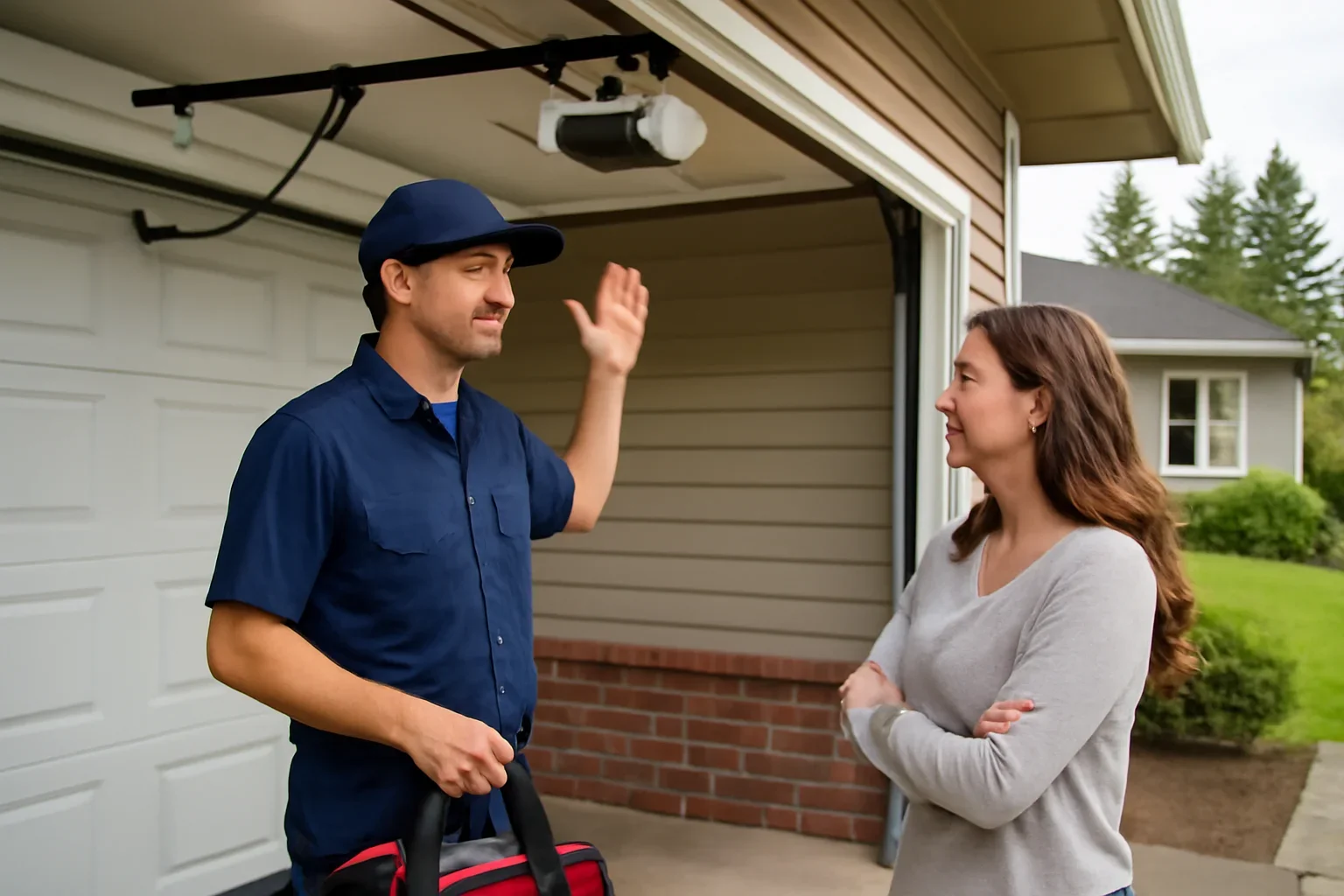
Not every unreliable opener needs replacement. Installation becomes more reasonable when the existing unit cannot support the door, access features, or dependable operation the property now requires.
Repeated control, motor, receiver, travel, or reliability issues can make replacement more practical than continuing to repair an aging unit.
A detached garage, shop, storage building, or frequently used overhead door may benefit from powered operation and properly planned controls.
A larger, heavier, insulated, high-lift, or frequently used door may require a different drive system, mounting arrangement, or performance level.
Additional household users, a workshop, a rental unit, vehicle controls, keypads, or improved access management may change the best opener setup.
Ceiling storage, lighting, insulation, renovations, door replacement, or changes around the rail can affect opener clearance and installation choices.
Longer driveways and detached buildings can make range and antenna position more important, although interference or receiver issues should also be ruled out.
An opener is designed to move a properly operating door. It should not be used to overcome broken springs, loose cables, damaged tracks, seized rollers, unstable panels, or a door that is unusually heavy by hand.
Door condition and property layout help determine whether the planned opener can be installed safely and whether it will support the way the garage is used.
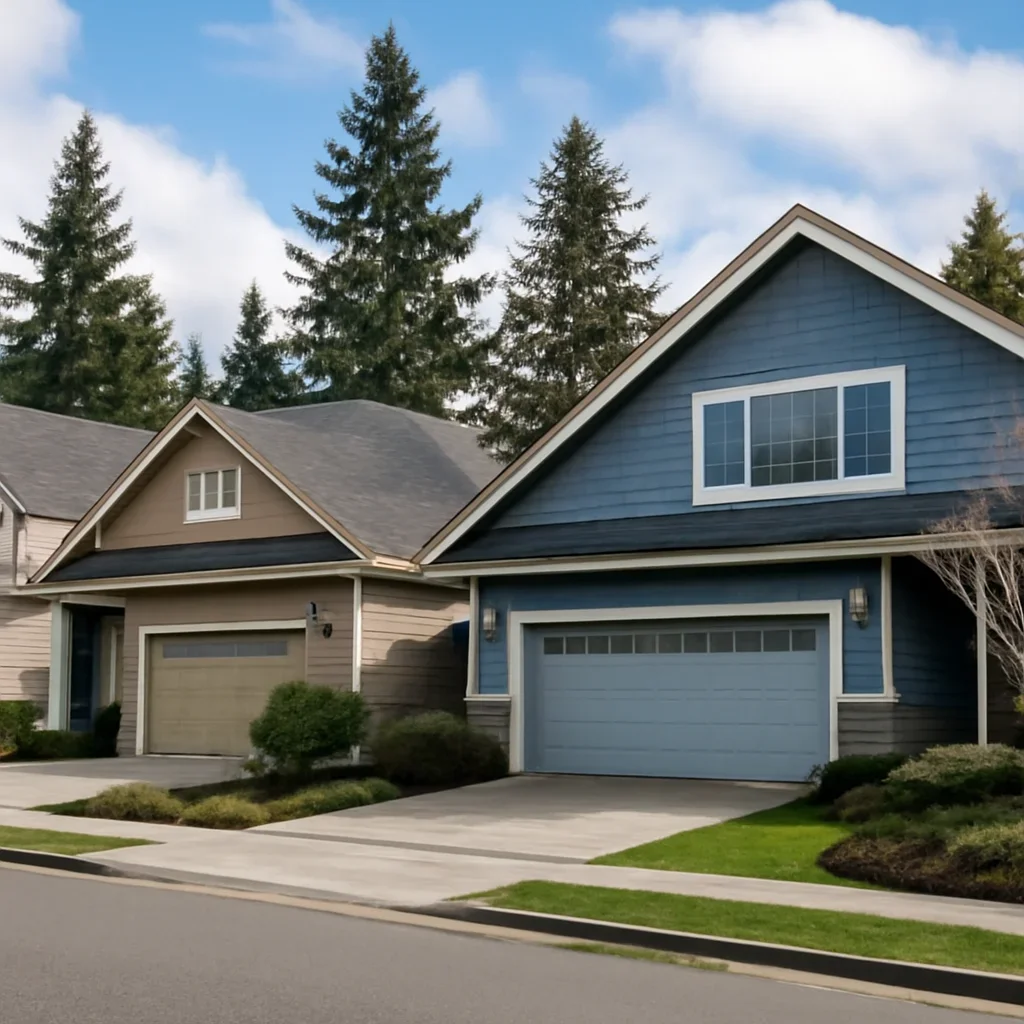
The best opener is not selected by motor label alone. Noise, ceiling space, door construction, maintenance needs, access features, and installation conditions all matter.
Often considered where quieter operation is important, particularly when living or sleeping space is near or above an attached garage.
A familiar option for many standard residential doors and detached garages where sound may be less important than straightforward operation.
May free ceiling space when the door, shaft, headroom, and garage layout are suitable. It is not automatically compatible with every door system.
Older screw-drive or less common systems may affect replacement planning, rail removal, controls, parts compatibility, and the final installation scope.
The process should confirm that the door is ready, the opener fits the space, and every requested control operates the correct door before the work is complete.
The door size, construction, spring balance, garage type, ceiling layout, power access, and daily use are reviewed.
The drive system, rail or mounting arrangement, controls, lighting, and access features are matched to the door and garage.
The opener, rail or wall-mounted components, controls, sensors, and requested access devices are positioned and connected.
Open and close positions, force behaviour, safety reversal, sensor response, remotes, keypad, wall control, and practical range are checked.
The right path depends on the condition of the current opener, the door itself, and whether the existing system still supports the access and performance the property needs.
Start with garage door opener repair when the cause is unclear or the existing unit may still be serviceable.
The opener should support the people, vehicles, building type, and daily routine connected to the garage.
Confirm the number of users, doors, vehicles, and required transmitters so each remote is assigned and tested correctly.
A keypad can provide fixed access without handing out another remote, depending on compatibility and how access should be managed.
Control location, lock settings, lighting functions, wiring condition, and ease of use should be considered during installation.
Built-in vehicle controls may require compatible equipment and separate programming after the opener is installed.
Garage size, ceiling height, work areas, storage, and nighttime use can affect the value of integrated lighting.
Power-outage planning and connected controls should be compared with the building, network access, and the household’s actual needs.
Fernridge properties are not limited to one garage style. A standard attached garage, detached workshop, larger overhead door, or semi-rural property can create different requirements for access, range, power, clearance, and daily use.
Share the building type and how the door is used. That context can help identify whether the request is a straightforward opener replacement or a broader door-and-access project.
Remote range, gate access, parking position, and where the signal is expected to work may need attention.
Separate power, ceiling structure, lighting, tools, equipment, and storage can affect installation access.
Door weight, balance, construction, track arrangement, and daily cycles matter more than choosing by appearance.
Damp conditions, wind-driven rain, dust, leaves, and debris can affect door movement, sensors, wiring, and hardware.
An older door paired with newer controls, added insulation, or past repairs may require a closer compatibility check.
Vehicles, trailers, shelves, ceiling storage, and shop equipment may need to be considered before installation day.
The final scope depends on the opener, the door, the garage layout, and whether repair or modification is needed before the new system can be installed.
A finished installation should include functional testing, not only mounting the opener and connecting power.
An opener request may overlap with a mechanical repair, an urgent access problem, or broader local service planning.
Review the main garage door service options available for Fernridge properties.
Browse Fernridge servicesUse this path when the door is heavy, noisy, uneven, damaged, off-track, or mechanically unreliable.
View repair serviceUse this page when the door is stuck open, blocking access, hanging unevenly, or creating a practical security concern.
Review urgent serviceSend door photos, property details, opener information, and questions before arranging the next step.
Send service detailsThese answers cover door readiness, opener selection, detached garages, remote range, repair comparisons, and booking details.
The decision should consider door width, height, weight, construction, spring balance, track layout, headroom, ceiling space, frequency of use, and the controls you need. The opener should be matched to a door that already moves safely and smoothly.
Possibly, but the older door should be checked first. Worn springs, loose cables, damaged tracks, weak panels, poor balance, or previous modifications can affect whether opener installation is appropriate and what work is required beforehand.
It can. A detached shop may have a larger door, higher ceiling, separate power, longer remote distance, more equipment, different daily use, and less protection from damp weather or debris than an attached residential garage.
No opener should be used to compensate for a door that is unusually heavy because of spring, cable, roller, track, or balance problems. The mechanical door issue should be corrected before a new opener is selected or installed.
A compatible new system may provide dependable access, but range also depends on the remote, receiver, antenna position, building materials, electrical equipment, lighting, interference, and where the opener is located. The expected operating distance should be discussed before installation.
Repair may make sense when the unit is compatible with the door and the fault is limited to a serviceable control, sensor, wiring, receiver, travel, or accessory issue. Installation may be more practical when the opener is repeatedly unreliable, unsuitable, unsupported, or no longer meets the property’s access needs.
Opener type, rail or mounting arrangement, door height and weight, removal of old equipment, wiring, controls, sensors, ceiling access, remotes, keypads, and any door repair required before installation can all change the scope.
Share your Fernridge location, building type, gate or driveway details, approximate door size, existing opener information, main reason for replacement, number of controls needed, ceiling or storage restrictions, and clear photos of the inside of the door and opener area when safe.
Send your location, garage type, approximate door size, existing opener details, access needs, ceiling conditions, driveway or gate information, and photos when safe. Mention whether the door moves smoothly or has a separate mechanical problem.