Daylight is visible around the door
Light along the bottom, sides, or top can indicate a worn seal, poor contact, door misalignment, an uneven slab, or a shifted stop moulding.

Worn, hardened, torn, loose, or missing garage door seals can allow drafts, rain, dust, leaves, insects, and small pests into the garage. A proper replacement should match the door, retainer, opening, floor condition, and the type of exposure around the property.
Fernridge homes may have attached garages, detached shops, gravel driveways, larger doors, uneven slabs, and more direct exposure to wind, damp weather, dust, and debris. These local conditions can affect whether the bottom seal, side seals, top seal, retainer, door alignment, or surrounding opening needs attention.

Visible wear is one clue, but airflow, light, water, dirt, and pest activity can also show where the opening is no longer sealing correctly.
Light along the bottom, sides, or top can indicate a worn seal, poor contact, door misalignment, an uneven slab, or a shifted stop moulding.
A split bottom seal, damaged retainer, poor floor contact, drainage problem, or wind-driven rain can allow water beneath or around the door.
Cold or warm air moving around the door may point to hardened seals, gaps at corners, side-seal wear, or a door that does not sit evenly.
Loose or missing seals can allow wind-blown dirt and debris into detached garages, workshops, and storage spaces.
Age, sunlight, moisture, temperature changes, repeated compression, and contact with the floor can reduce flexibility and sealing performance.
Open corners, damaged side seals, bottom gaps, or an uneven floor can create entry points even when the door appears closed.
Weather seal replacement works best when the door closes evenly and the opening is in suitable condition. A seal should not be used to hide a crooked door, damaged track, failed cable, broken spring, severely uneven slab, or incorrect travel setting.
The best replacement depends on where the gap is located and whether the door, floor, retainer, stop moulding, and opening allow the new seal to make consistent contact.
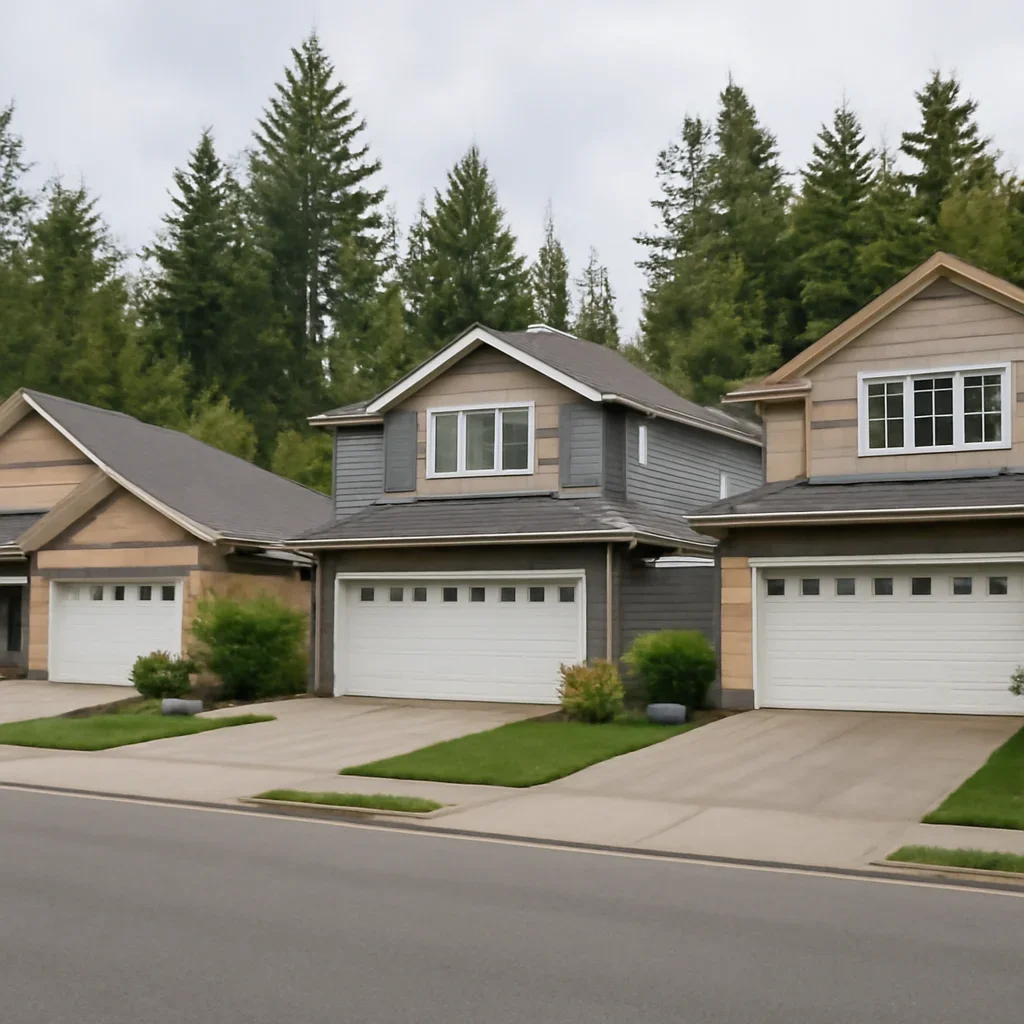
A bottom seal, side stop, top seal, retainer, and threshold each address a different part of the opening. The visible gap should be matched to the correct component.
The bottom seal compresses against the floor and helps reduce drafts, moisture, dirt, leaves, and pest entry beneath the door.
Side seals contact the exterior face of the closed door and help close vertical gaps caused by wear, movement, or damaged stop material.
The top seal helps close the horizontal gap above the door and should maintain contact without interfering with door movement.
A floor threshold may help in some suitable openings, but drainage, slab shape, vehicle clearance, and door travel should be considered first.
The aim is to improve contact around the opening without masking a mechanical, drainage, floor, or alignment issue.
Light, water, air, debris, staining, and pest entry are used to identify whether the problem is at the bottom, sides, top, corners, or surrounding structure.
The seal, retainer, stop material, floor, door alignment, track position, and closing travel are reviewed for related issues.
The seal profile, size, material, retainer fit, door width, and exposure conditions are considered before replacement.
The door is operated to confirm that the new seals make useful contact without folding incorrectly, binding the door, or disrupting closing and reversal.
The correct service depends on whether the sealing material is worn or whether the door, tracks, cables, opener, floor, or surrounding opening is creating the gap.
Use garage door repair when a mechanical door problem must be corrected before effective sealing is possible.
A garage door seal is one part of moisture control. The direction and volume of water, slab slope, nearby grading, gutters, drains, and wind exposure can all affect the result.
Rain pushed directly against the door can enter through worn bottom seals, corner gaps, damaged side seals, or openings around the perimeter.
If the driveway or slab directs water toward the opening, the source and drainage path may need attention in addition to the seal.
A low spot, crack, slope, or irregular slab can leave part of a new bottom seal compressed while another area remains open.
The lower corners are common entry points where the bottom seal, side stop, track clearance, and floor meet.
Moisture on interior surfaces may also come from temperature differences, stored wet items, ventilation, or humidity rather than rain entering around the door.
Detached shops and garages may face more direct wind, rain, soil moisture, dust, and temperature variation than an attached garage.
Fernridge garage doors may serve attached homes, detached workshops, storage buildings, hobby spaces, and larger residential lots. Exposure, driveway surface, floor condition, door size, and surrounding vegetation can all affect how seals wear and what enters the garage.
Share the building type and the exact problem you are trying to reduce. That context helps identify whether the service should focus on one seal, the complete perimeter, the retainer, door alignment, or a separate drainage or repair concern.
Dust, loose gravel, and wind-blown debris can collect near the opening and wear or obstruct the bottom seal.
More direct exposure to wind, rain, dirt, leaves, and pests can make complete perimeter sealing more important.
Older or working surfaces may have cracks, low spots, repairs, or slopes that prevent consistent bottom-seal contact.
Leaves, seeds, soil, insects, and organic material can collect along the floor and side seals.
Wider openings require longer seals, consistent retainers, even floor contact, and correct door alignment across the full width.
Temperature changes, sunlight, damp air, and repeated compression can harden, shrink, flatten, or split sealing materials.
The final scope depends on the number of seals, door size, retainer condition, opening alignment, floor contact, access, and whether another repair is required first.
A finished seal replacement should improve contact without interfering with the normal movement and safety functions of the garage door.
A sealing concern may overlap with a mechanical repair, urgent access issue, broader Fernridge service request, or a question that needs photos before booking.
Review the main repair, opener, installation, and urgent service options for Fernridge properties.
Browse Fernridge servicesUse this page when the weather gap is connected to door alignment, tracks, rollers, cables, springs, panels, or opener travel.
View repair serviceUse this path when the door is stuck open, unstable, unable to close, or creating an immediate access or security concern.
Review urgent repairSend photos of the door, seal, floor, retainer, visible gap, and surrounding opening before arranging service.
Send service detailsThese answers cover bottom, side, and top seals, water entry, uneven floors, detached garages, urgency, replacement scope, and booking details.
Replacement may be appropriate when seals are torn, flattened, hardened, cracked, loose, missing, or no longer contacting the door and opening correctly. Daylight, drafts, moisture, dirt, leaves, insects, and pest entry can also indicate sealing gaps.
A properly fitted bottom seal can reduce water entering beneath the door, but it cannot correct every moisture problem. Water flowing toward the garage, a severely uneven slab, damaged drainage, wind-driven rain, or gaps at the sides and corners may require additional attention.
The bottom seal compresses against the floor. Side and top seals usually contact the exterior face of the closed door around the perimeter. Each seal addresses a different gap and must fit the door and opening correctly.
No. A seal should not be used to hide a door that is crooked, off-track, uneven, damaged, or affected by spring, cable, roller, track, or opener problems. The mechanical cause should be repaired before sealing is evaluated.
A flexible seal may improve contact across minor variation, but a severe low spot, crack, slope, or damaged threshold can leave gaps. The floor condition and drainage direction should be reviewed before choosing the replacement approach.
They can. Detached garages and shops may face more direct wind, rain, dust, leaves, insects, pests, temperature changes, and gravel-driveway debris than an attached garage. The full perimeter and floor contact may need closer review.
Most worn-seal requests can be scheduled normally. It becomes more urgent when the door will not close, is unstable, is stuck open, allows significant water entry near stored property or equipment, or cannot secure the opening. Mechanical safety problems should take priority over the seal.
Share your Fernridge location, building type, approximate door size, whether the issue involves water, air, light, debris, insects, or pests, the location of the gap, floor and drainage conditions, door operation, preferred timing, and clear photos when safe.
Send your location, building type, door size, gap location, seal condition, floor and drainage details, door operation, gate or driveway information, and clear photos when safe. Mention whether the main concern is drafts, moisture, light, debris, insects, or pests.