Bottom weather seal
The flexible seal along the bottom of the garage door can crack, shrink, flatten or pull away from its retainer after years of use and exposure.
Request bottom seal service
Replace cracked, flattened or missing garage door seals that allow drafts, rainwater, dirt, leaves and small pests to enter around the door opening.
Fort Langley homes include older character properties, heritage-inspired residences, newer homes and detached garages with different door styles, floor conditions and exposure to seasonal rain. The correct sealing approach depends on where the gap appears, the condition of the door and whether alignment or floor variation is contributing to the problem.
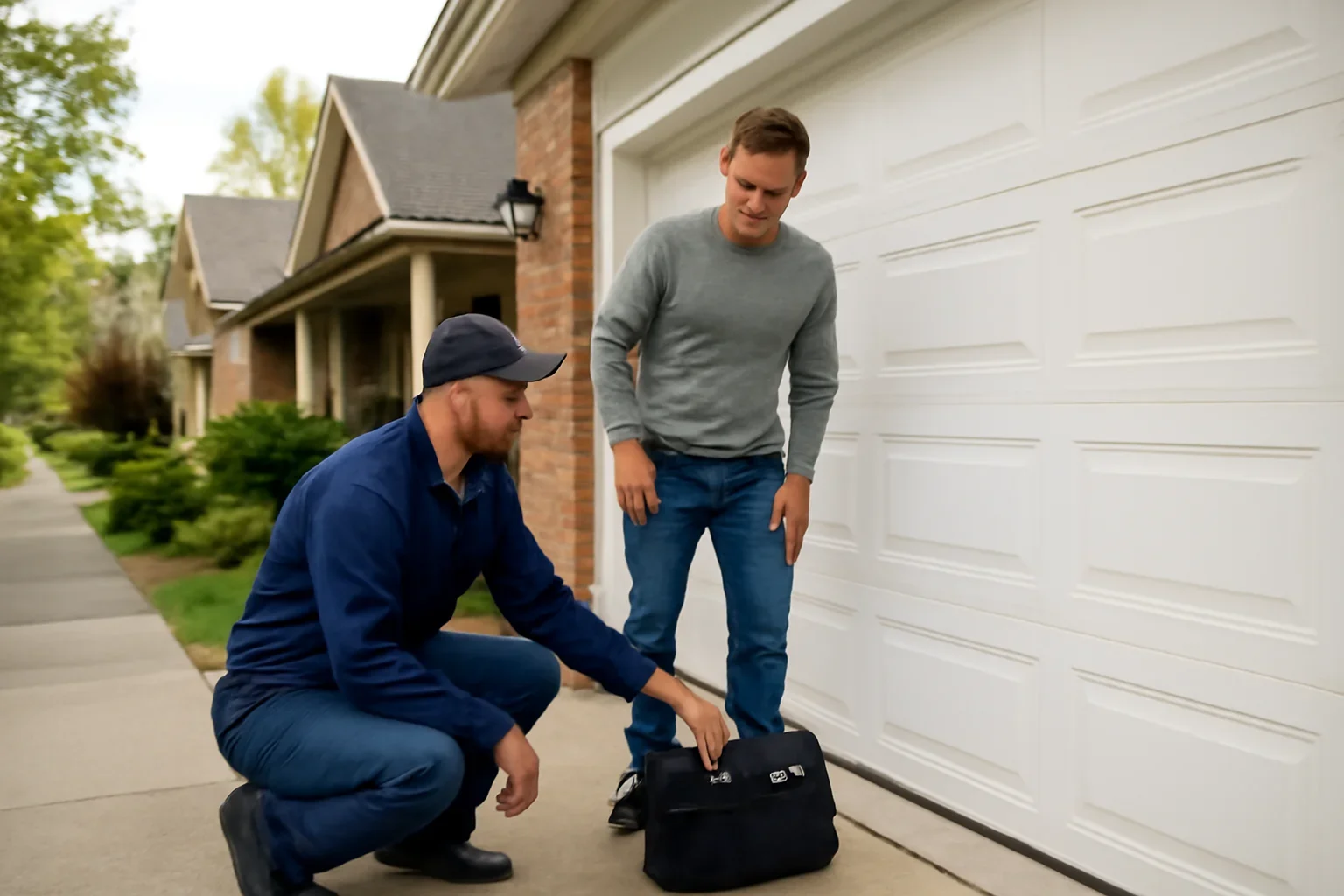
Review common signs of a flattened bottom seal, uneven floor or door-position problem.
Request an assessment of the bottom seal, side seals and contact around the garage opening.
Start with garage door repair when uneven sealing may involve alignment, tracks, cables or door balance.
A garage door may have a seal along the bottom edge as well as weatherstripping around the sides and top of the opening. The right replacement depends on the location of the gap and the condition of the surrounding door system.
The flexible seal along the bottom of the garage door can crack, shrink, flatten or pull away from its retainer after years of use and exposure.
Request bottom seal serviceSide and top seals help close the space between the moving door and the framed opening. Worn or loose material can leave visible gaps around the perimeter.
Describe the perimeter gapsA sloped, worn or uneven garage floor can leave part of the bottom seal touching firmly while another area remains open.
Request a sealing assessmentA new seal may not solve the problem if the door sits crooked, stops too high or no longer follows the opening evenly.
View garage door repairNote whether the gap is under the door, along the sides or across the top. Photos taken from inside the garage during daylight can help show where outside light is entering.
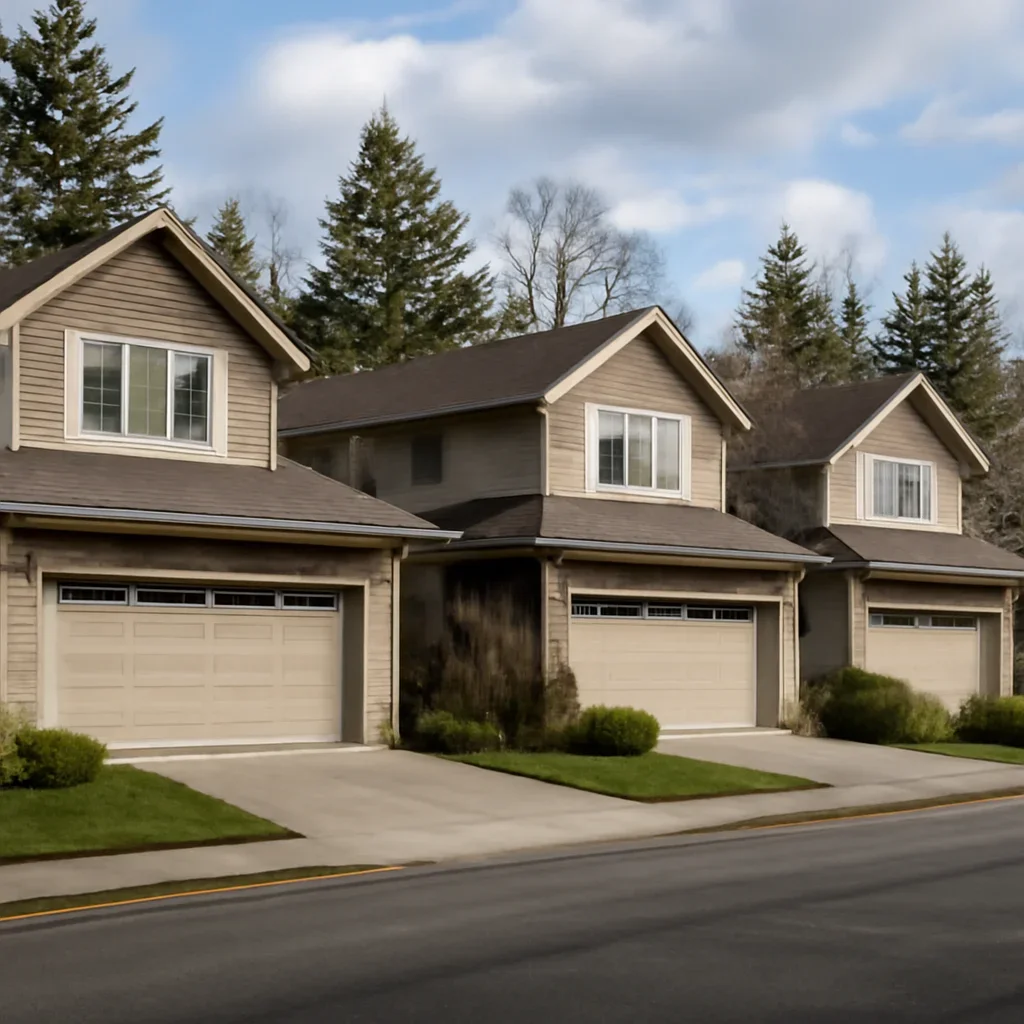
Fort Langley properties can include older homes near the village, heritage-inspired residences, newer construction and detached garages on larger lots. The age of the door, garage-floor condition and exposure to wind-driven rain can all affect where gaps develop.
A garage used for parking may have different sealing priorities than one used for storage, a workshop or an entrance into the home. In an attached garage, reducing drafts and moisture entry may be especially important, while a detached garage may need stronger protection against leaves, dirt and small pests.
Service availability can depend on the exact address and current scheduling. Review the Fort Langley service area or include your address when requesting an appointment.
Weatherstripping gradually loses flexibility and contact. These signs can indicate that the seal is no longer closing the garage opening as effectively as it should.
Light showing under or around the door usually indicates a gap between the seal and the opening.
Splitting, hardening or missing sections can prevent the seal from forming continuous contact.
Moisture marks, leaves, dust or grit near the door can point to weak sealing along the bottom or perimeter.
Weatherstripping may detach from its retainer or framing and hang into the opening.
If the garage door is crooked, the floor is significantly uneven or the door stops above the normal closed position, the underlying alignment or operating problem may need attention before the opening can be sealed properly.
The process starts by identifying where outside air, moisture or debris is entering and whether the door closes evenly against the opening.
The bottom seal, retainer, side weatherstripping and top seal can be reviewed for cracks, compression, missing sections and poor contact.
Door alignment, closing position, floor variation and the condition of the surrounding framing should be considered before selecting a replacement.
The appropriate seal can be installed and checked for consistent contact without creating unnecessary resistance during operation.
The correct material and installation approach depend on more than the width of the garage door.
Bottom seals connect to different retainer profiles. The existing channel and door construction affect which replacement can be used.
Cracks, slopes and low areas can create irregular gaps even when the seal is new and correctly installed.
A door that closes unevenly may need adjustment or repair before a weather seal can make consistent contact across the opening.
A straightforward replacement may be appropriate when the door operates normally and the problem is limited to worn, hardened or missing sealing material.
A seal alone may not correct the issue when the door position or opening prevents consistent contact.
In these situations, start with garage door repair so the complete system can be reviewed.
You do not need to identify the exact weatherstripping profile yourself. These details can help explain the problem before service is arranged.
These related pages can help when the sealing problem may involve the door itself or when you need to confirm local coverage.
These answers help identify whether the problem is likely limited to weatherstripping or connected to the door's position and operation.
Common signs include visible daylight, cracked or hardened material, water marks, debris inside the opening and sections of seal that have pulled loose or no longer touch the floor.
A new seal may reduce water entry when the old material is worn and the floor is reasonably even. It cannot guarantee a watertight opening, especially where the driveway slopes toward the garage or the concrete has low areas.
An uneven gap may involve floor variation, door alignment, cable tension, track position or damage to the bottom section. The cause should be reviewed before assuming a thicker seal will solve it.
Yes. Perimeter weatherstripping along the sides and top may need replacement when it is cracked, loose, missing or no longer contacts the closed door properly.
Closing gaps can reduce common entry points for insects and small pests. The complete perimeter should be checked because openings may exist under the door, along the sides or around damaged framing.
It is usually less urgent than a broken spring or off-track door, but faster attention may be useful when water is entering, stored items are being affected or a large opening is allowing ongoing pest or debris entry.
Include your Fort Langley address, where the gap appears, what is entering the garage and whether the door closes evenly. Photos of the existing seal and the opening can also help.
Service coverage depends on the exact address and current scheduling. Check the Fort Langley service-area page or include your address when submitting a booking request.
Tell us where the gap appears, whether moisture or debris is entering and whether the garage door closes evenly. Photos can help identify the likely sealing or repair requirements.