One side rises or drops
A damaged or displaced cable can prevent both sides of the door from lifting together. Continued operation may pull the door farther out of alignment.

A loose, frayed, slipped or broken cable can leave a garage door uneven, difficult to move or completely stuck. Arrange an assessment before continued operation causes additional strain on the door, tracks, opener or remaining hardware.
Glen Valley service requests may involve attached garages, detached workshops, barns or outbuildings on rural and acreage properties. When booking, mention the type of building, the size of the door, whether the door is open or closed and any access details that could affect the visit.
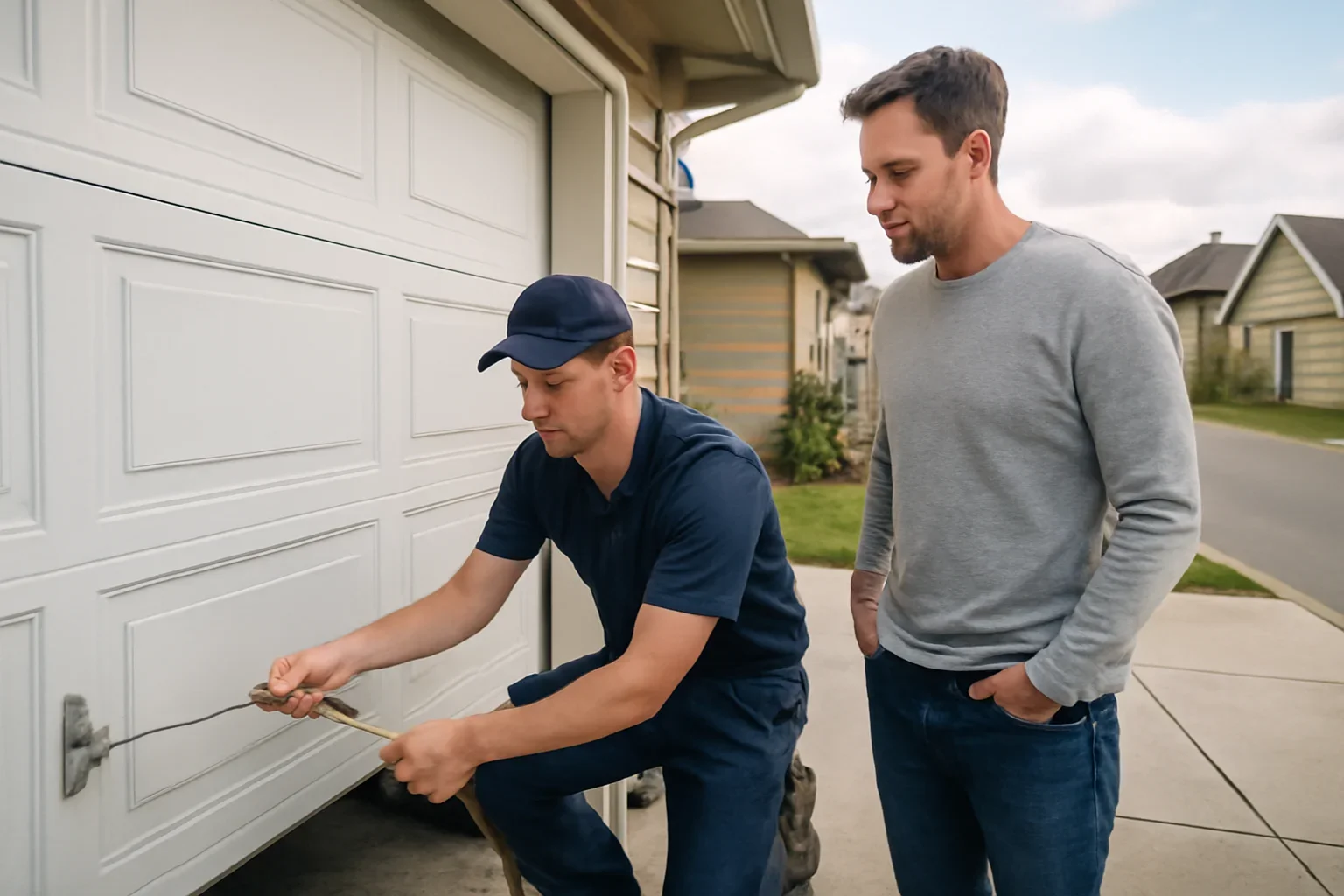
One side may sit lower, rise faster or appear unsupported during movement.
A cable may appear slack, tangled, off position or no longer seated correctly.
Stop operating the system if the door binds, drops, jams or no longer moves evenly.
Cable repair begins with identifying why the lifting system is no longer operating correctly. The cable itself, cable drums, springs, tracks, rollers, bottom brackets and door balance should be considered together before a repair recommendation is made.
Garage door cable repair may involve replacing a damaged cable, correcting a cable that has slipped from position and checking the related lifting hardware for wear or misalignment. Because cables and springs operate under significant tension, this is not a safe do-it-yourself adjustment.
A damaged or displaced cable can prevent both sides of the door from lifting together. Continued operation may pull the door farther out of alignment.
Loose strands, slack cable or cable hanging near the track should be treated as a warning that the lifting system needs inspection.
A cable problem may leave the garage inaccessible, prevent the door from closing securely or cause it to stop partway through a cycle.
The opener may still respond even when the door is no longer balanced correctly. The lifting system should be checked before the opener is used again.
Describe what you can see and hear without touching the cable or spring system. The complete door can then be assessed before the repair scope is confirmed.
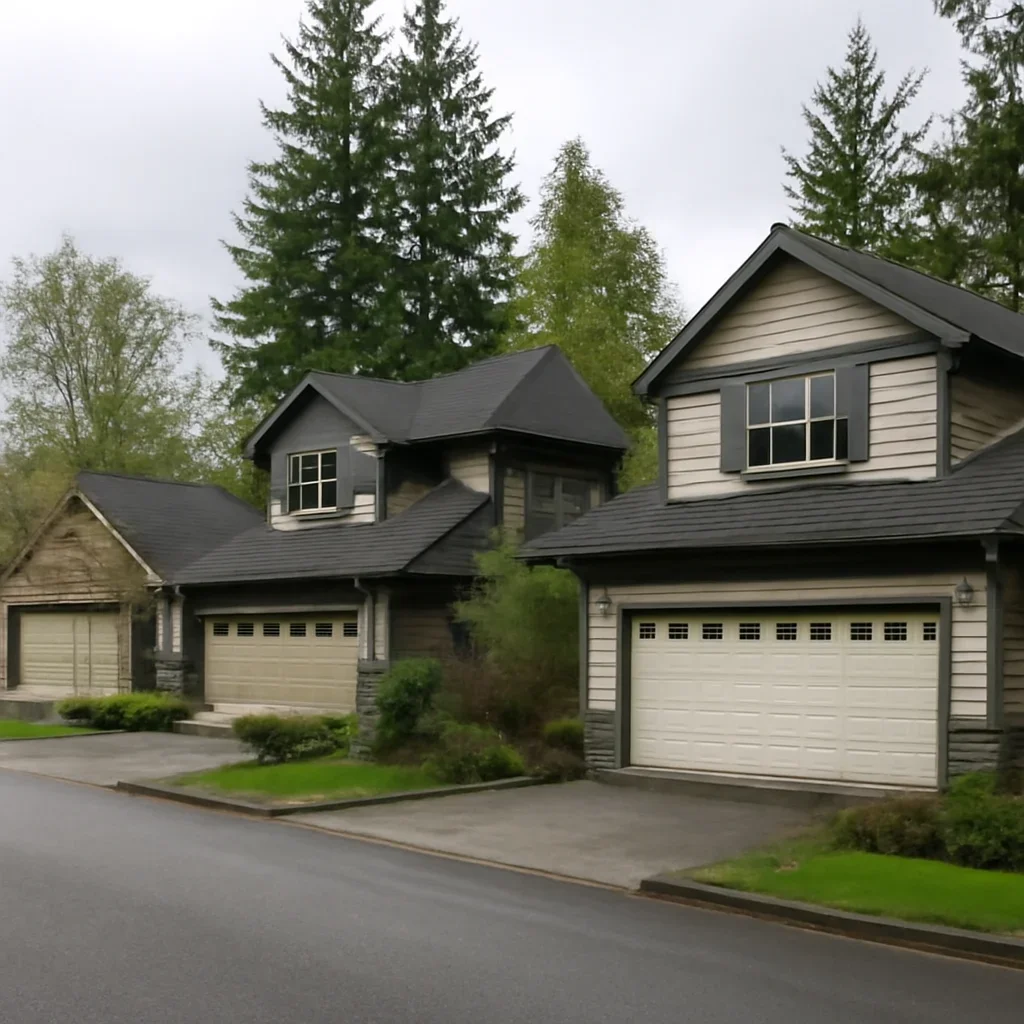
Glen Valley is part of the rural Township of Langley. Local service calls may involve acreage homes, detached garages, workshops, agricultural buildings or doors that are used to protect vehicles, tools and equipment.
These properties can have different door sizes, building layouts and access conditions. Providing practical details before the appointment helps the service request reach the right repair category.
Mention whether the door is on the main residence or a separate building. Include gate instructions, driveway limitations or other details that may affect access to the garage.
Stop operating the door when its movement is no longer controlled or balanced. Repeated use can place additional stress on other parts of the system.
One side is visibly lower, the bottom edge is uneven or the door binds against a track.
A cable is visibly slack, frayed, tangled or no longer aligned with the lifting hardware.
The door fell, shifted or became difficult to control during an opening or closing cycle.
The door is stuck open, will not close fully or leaves the garage exposed.
Garage door cables, springs and bottom brackets can remain under substantial tension even when the door is not moving. Keep people, pets and vehicles away from an unstable door and avoid operating the opener.
The goal is to identify the cause, review related components and recommend only the work needed to restore safe, balanced movement.
Explain whether the door is open, closed, uneven or stuck. Mention when the problem started and whether the opener was running when it occurred.
The cables, drums, springs, tracks, rollers, brackets and door balance should be reviewed together rather than treating the visible cable as an isolated part.
The next step may involve cable replacement, correcting alignment or addressing related wear that could prevent the new cable from operating correctly.
A cable-focused repair may be appropriate when the door panels, tracks and other lifting components remain serviceable and the issue is limited to a worn, broken or displaced cable.
A visible cable failure may occur alongside other wear or damage. Broader repair may be recommended when several parts are affecting the door’s balance, alignment or safe operation.
These answers explain the safest next step when a cable appears damaged, loose or out of position.
It is safer to stop using the door. A broken cable can leave the door unbalanced and may cause it to move unevenly, jam or place additional strain on the opener and remaining hardware.
Common signs include visible fraying, slack cable, uneven door movement, a door that sits crooked or a cable that appears to have moved away from its normal position. Avoid touching the cable to inspect it.
A cable may move out of position when the door becomes unbalanced, encounters an obstruction, develops track or hardware problems or is operated while another part of the lifting system is not working correctly.
Yes. Both sides contribute to balanced movement. Even when the visible problem is limited to one side, the condition and alignment of the complete lifting system should be reviewed.
The opener may add strain when a door is already unbalanced or restricted, but cable problems can also develop from wear, alignment issues or other lifting-system faults. The complete system should be assessed before identifying the cause.
Explain whether the door is open or closed, describe any uneven movement and mention visible cable damage. Photos, building type, door size and access details can also help prepare for the visit.
Availability depends on scheduling, property location, access, door condition and the parts required. Provide the Glen Valley address and current door condition when requesting an urgent appointment.
Share your location, building type and what the garage door is doing. Mention whether it is stuck open, stuck closed, hanging unevenly or showing visible cable damage so the request can be directed appropriately.