The door sits unevenly
One side appears higher or lower, or the bottom edge no longer sits evenly across the opening.

An off-track garage door can become crooked, jammed or unstable. Stop operating the door and request an assessment before the panels, rollers, tracks, cables or opener experience additional strain.
Glen Valley service calls may involve attached garages, detached workshops, barns or other outbuildings. When booking, explain which building is affected, whether the door is open or closed and whether any part of the door appears unsupported or displaced.
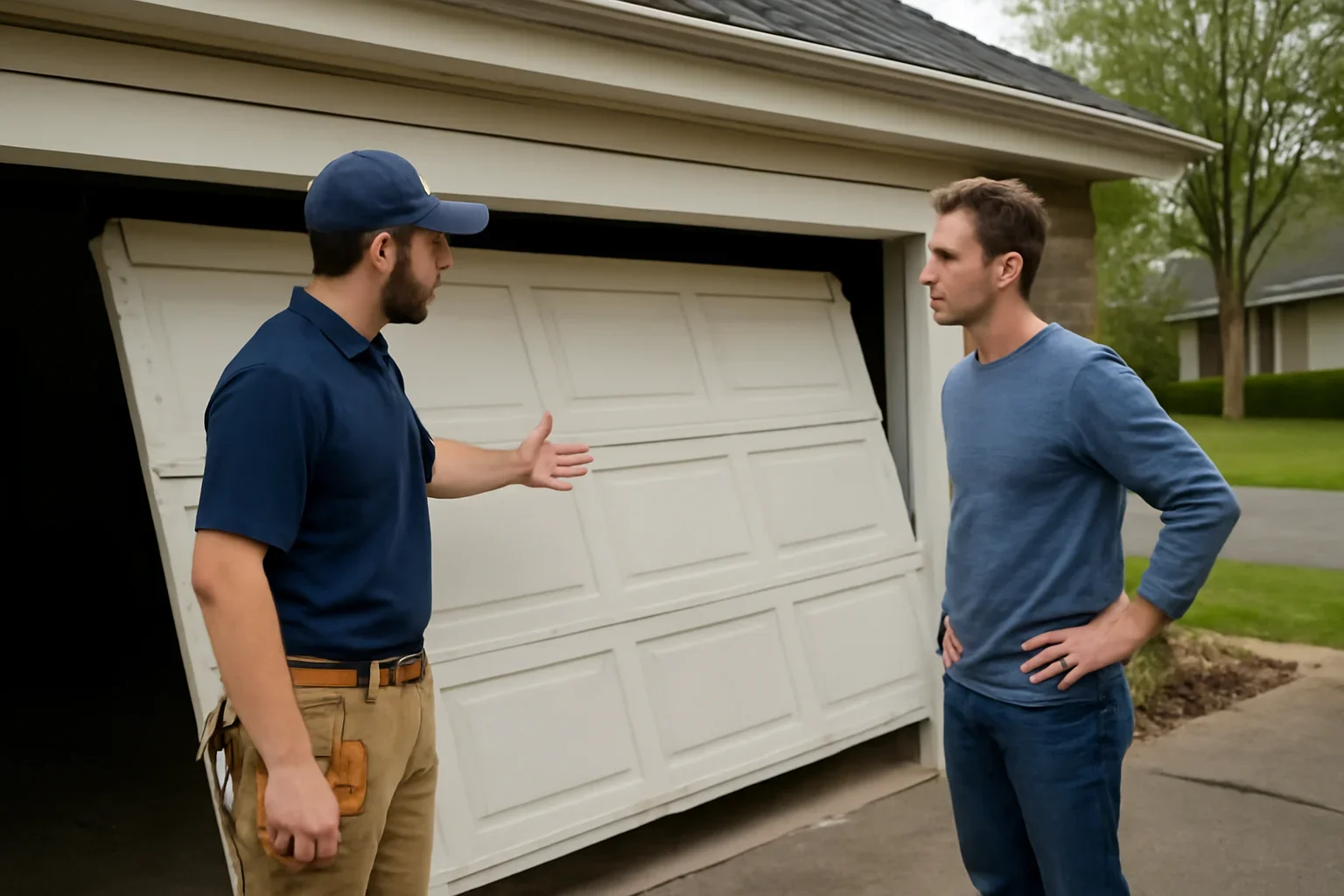
One side may be higher, lower or farther forward than the other side of the door.
A roller may be outside the track, binding near a curve or no longer guiding the door correctly.
The door may stop during movement, jam at an angle or leave the opening unsecured.
Repair begins by stabilizing the door and identifying why it moved out of alignment. The rollers, tracks, hinges, cables, brackets, panels and door balance should be reviewed before the system is operated again.
Garage door off-track repair may involve returning displaced rollers to the correct position, correcting track alignment and repairing or replacing damaged related parts. The door must also be checked for balance and safe movement before normal use resumes.
One side appears higher or lower, or the bottom edge no longer sits evenly across the opening.
A roller is visibly displaced, angled incorrectly or no longer travelling inside its intended track.
The door is jammed, binds during movement or stops before reaching the fully open or closed position.
A track may have shifted, twisted or pulled away from its supporting brackets or mounting surface.
Do not force the door with the opener or attempt to push it back into place. Keep people, pets and vehicles away from the opening when the door appears unstable or unsupported.
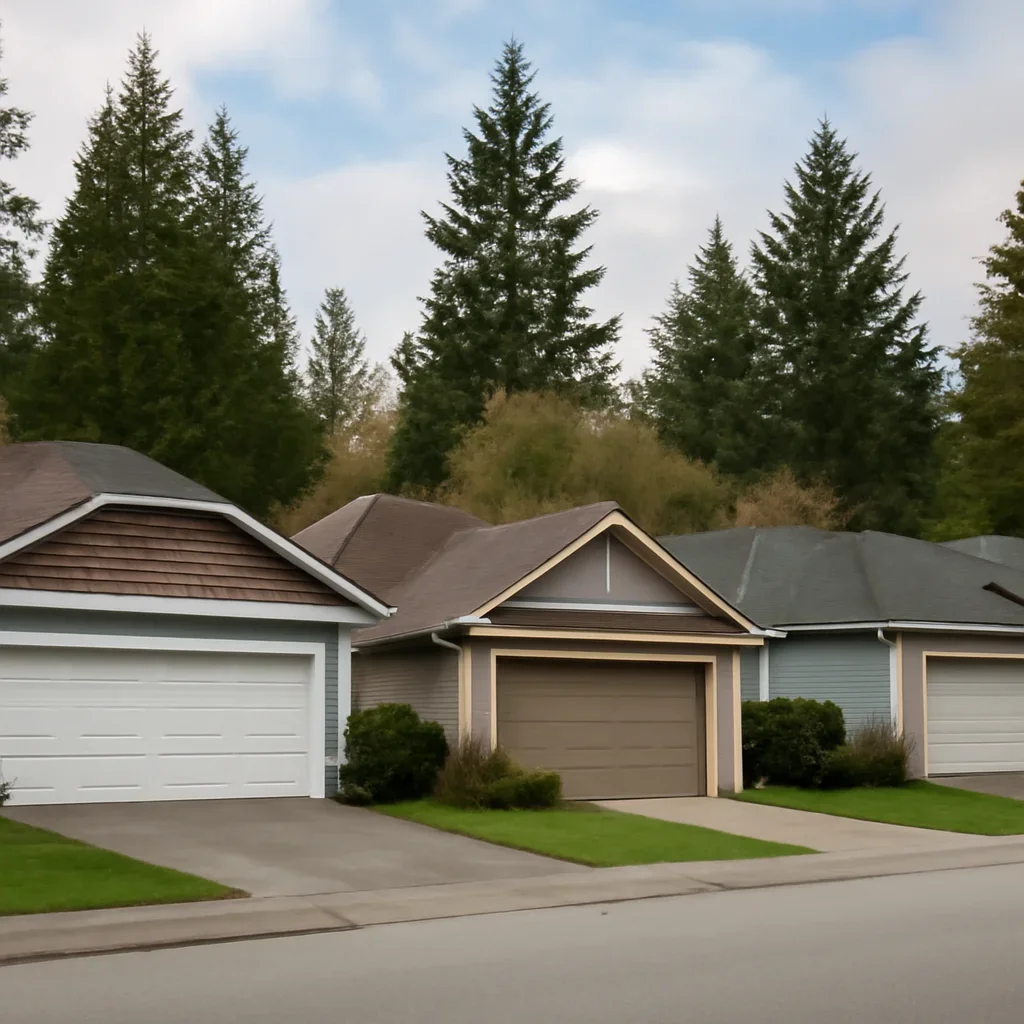
Glen Valley is within the rural area of the Township of Langley. Service requests may involve a main residence, detached garage, workshop, barn or another building located elsewhere on the property.
Door size, building use and property access can affect how the repair is prepared. A wide or tall door may use heavier components, while an outbuilding may have a different track arrangement from an attached residential garage.
Mention whether the affected door is on the main residence or a separate building. Include gate instructions, driveway limitations or other information that may help locate the correct entrance.
An off-track door is usually a symptom of another problem. The cause should be identified before the door is returned to service so the same issue does not immediately happen again.
Contact with the bottom section, track or door edge can move rollers out of position or distort supporting components.
A cable or balance problem can cause one side of the door to rise differently and pull the rollers out of alignment.
Track brackets, fasteners or track sections may shift, bend or separate enough to interrupt the roller path.
Worn, damaged or loose movement components can make the door less stable and increase the chance of binding or displacement.
Describe what the door looks like and where it stops. Photos of the tracks, rollers and overall door position can help explain the visible problem before the appointment.
Realignment may be possible when the door panels and major lifting components remain usable and the issue is limited to displaced rollers, loose tracks or a localized alignment problem.
Additional repair may be necessary when the off-track event has damaged the door or when another system problem caused the door to leave its track.
A responsible repair should address the immediate alignment problem and the condition that caused it, rather than only forcing the door back into position.
Mention whether the door is open, closed or stuck partway. Describe which side appears displaced and whether any rollers are outside the track.
The tracks, rollers, hinges, cables, springs, brackets and door panels should be checked together before the repair scope is confirmed.
After the necessary corrections are made, the door should be checked for alignment, balance, smooth travel and secure closing.
Prompt service may be important when the door is unstable, blocks access or leaves the property unable to be secured.
Clear details can help identify the likely repair category before the visit and reduce confusion about which building or door is affected.
Review local coverage, general repair information or urgent service options based on the current condition of the door.
These answers explain what to do when a door appears crooked, jammed or displaced from its track.
It is safer to stop using the door. Operating the opener or forcing the door can increase damage to the tracks, rollers, cables, panels and other components.
Common signs include a crooked door, a visible roller outside the track, binding during movement, an uneven gap or a door that stops at an angle.
An off-track door may be unstable and connected to components under significant tension. Avoid repositioning rollers, tracks, cables or brackets without suitable training and equipment.
Possible causes include impact, a displaced cable, poor balance, worn rollers, loose track brackets, bent tracks or operating the door while another component was failing.
No. The tracks may only require alignment or secure mounting, but bent, twisted or heavily damaged sections may need replacement. The condition should be inspected before deciding.
Yes. The opener can experience additional strain when it attempts to move a jammed, uneven or unbalanced door. Avoid running it again until the door has been assessed.
Explain whether the door is open or closed, which side appears displaced and whether any roller is outside the track. Include photos, the building type and property-access details when possible.
Availability depends on scheduling, location, access, door condition and the parts required. Provide the Glen Valley address and current door position when requesting urgent service.
Tell us whether the door is open, closed or stuck partway. Include the building type, visible track or roller problem, photos and any access instructions that may help prepare for the service request.