Balance and movement
A door that is unusually heavy, crooked, binding or difficult to move may have a spring, cable, roller, track or alignment problem that should be addressed first.

Get help selecting and installing a garage door opener for an attached garage, detached workshop or other residential garage building in Glen Valley.
The right opener depends on more than the motor. Door height, weight, balance, hardware condition, daily use and the location of the garage all affect which setup is suitable. Reviewing those details first can help prevent an opener from being installed on a door that already has a separate mechanical problem.
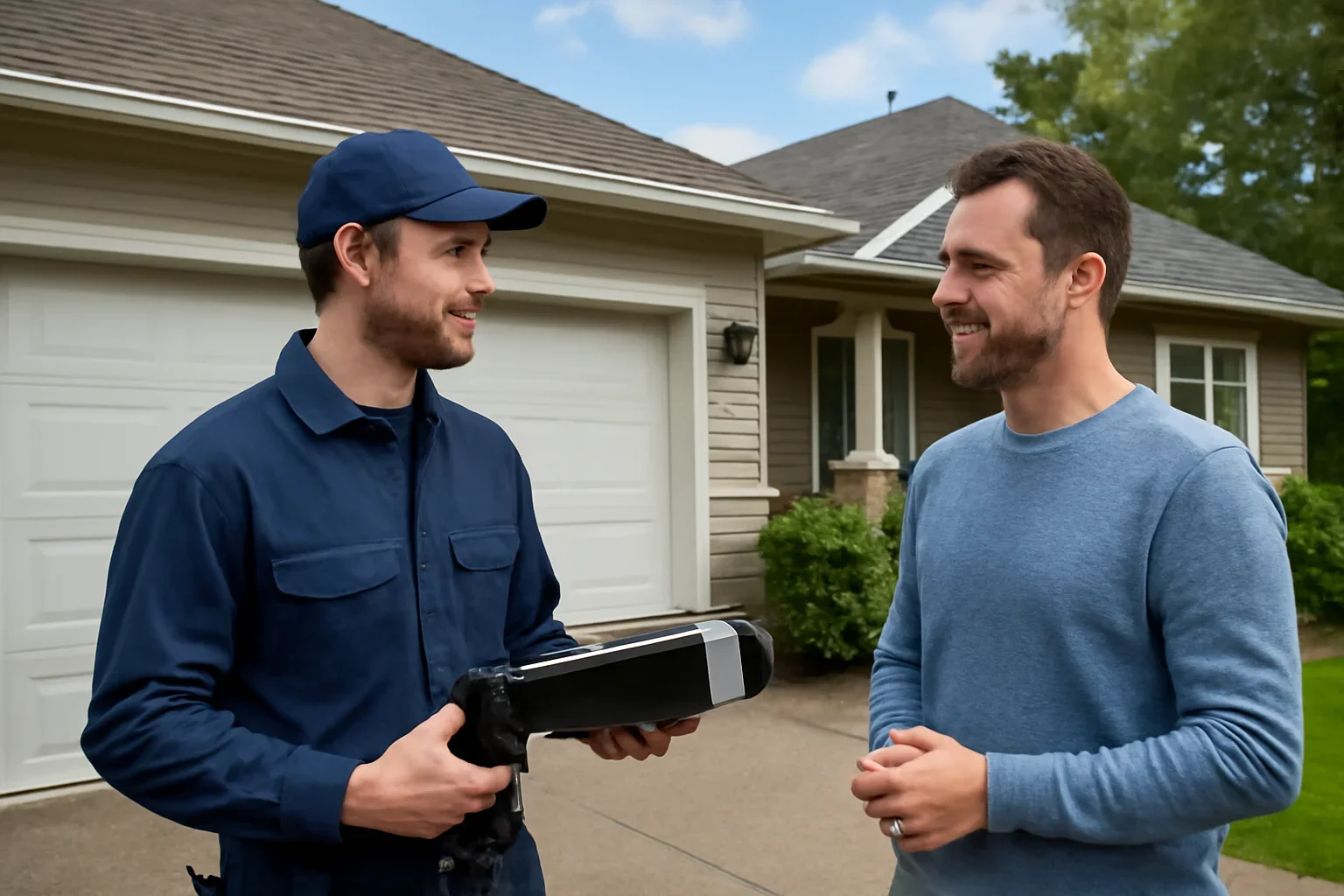
Start with opener repair when the motor, remote, wall control or safety sensors are no longer responding correctly.
A door problem should be reviewed before a new opener is expected to lift and control the system.
Check current service availability when the door is blocking access or cannot be closed securely.
A suitable installation begins with the garage door itself. The door should travel properly, remain balanced and be compatible with the opener, mounting system and controls being considered.
A door that is unusually heavy, crooked, binding or difficult to move may have a spring, cable, roller, track or alignment problem that should be addressed first.
Standard residential doors, taller garage doors and heavier insulated doors may require different lifting capacity, rail length or mounting arrangements.
Noise level, operating speed, expected use and whether the garage is attached to a living area can influence the type of opener worth considering.
The installation may include wall controls, remotes, an exterior keypad, safety sensors, battery backup or compatible smart features, depending on the chosen system.
Describe what happens when you use the remote or wall control. Mention whether the motor runs, whether the door moves and whether it reverses, stops or makes an unusual sound.
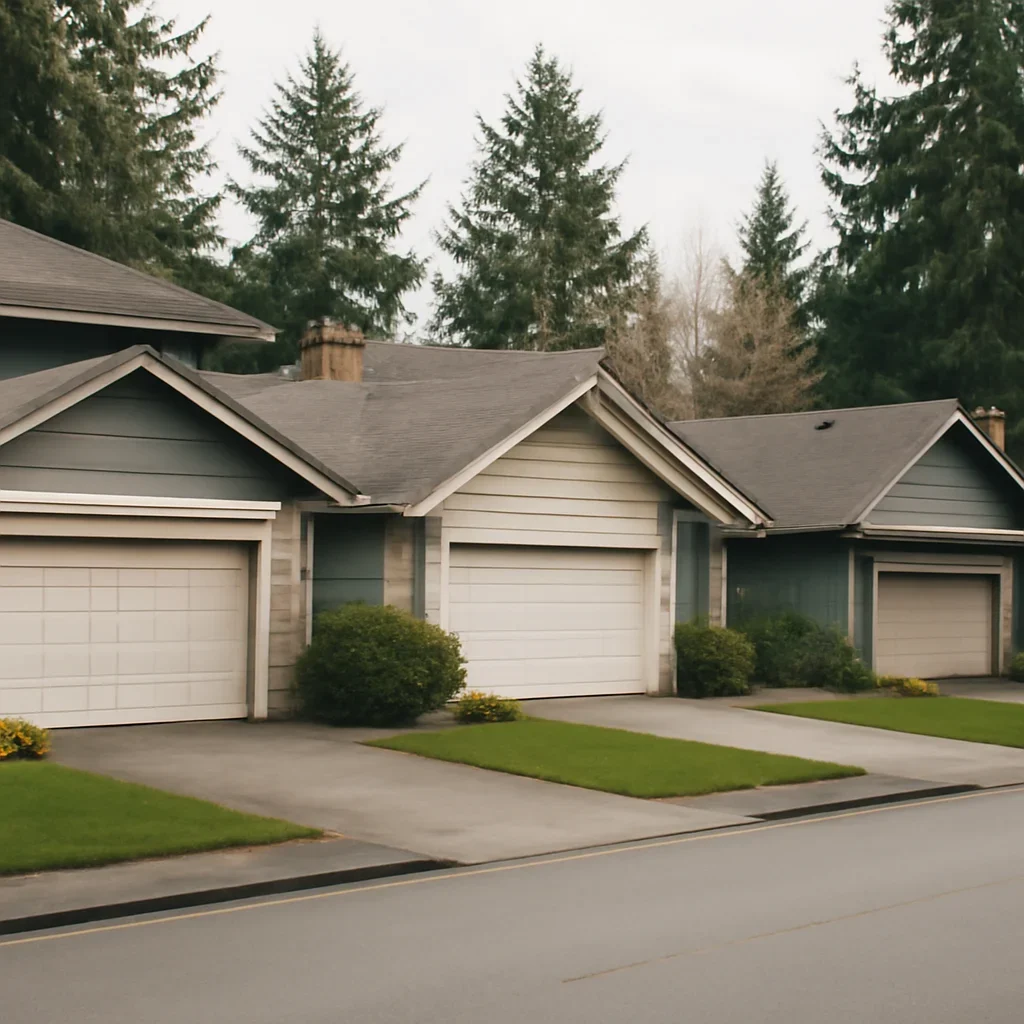
Glen Valley includes rural and acreage properties where the garage may be attached to the house, set farther down the driveway or located in a separate workshop or outbuilding. The building and door location can change the installation requirements.
For a detached garage, it is useful to confirm the available power, ceiling and mounting space, wall-control location and how the opener will be used. When smart controls are being considered, Wi-Fi coverage should also be checked at the garage rather than assumed from coverage inside the house.
If the property has more than one garage or outbuilding, mention which building needs service and whether electrical power is currently available there.
Providing a few useful details at the beginning makes it easier to identify the likely service path and avoid choosing equipment before the door has been considered.
Explain whether the garage is attached or detached, how many doors it has and whether the opening is a standard residential size or a taller workshop-style opening.
The door movement, balance, tracks, rollers, springs, cables, sensors, mounting area and current opener should be considered before selecting a replacement.
Opener capacity, drive style, controls, battery backup, smart features and access needs can then be compared against the actual door and building.
A complete replacement is not automatically required whenever an opener stops responding. The condition, age and compatibility of the existing equipment should guide the decision.
A garage door opener is designed to control a properly balanced door. Do not loosen or adjust springs and cables yourself. These components operate under significant tension and require appropriate training, tools and safety procedures.
Exact technical measurements are not required. A few basic details and clear photos can help show whether the request is likely to involve opener installation, opener repair or a separate door issue.
Include a photo from inside the garage that shows the door, tracks, ceiling area, current opener and rail where possible.
Mention whether the opener is silent, runs without moving the door, stops partway, reverses or works only from one control.
Note whether the garage is attached, detached, inside a workshop or located behind a gate or along a longer driveway.
These answers explain the main factors that affect opener selection and installation for residential garages and detached buildings.
No. The opener must be suitable for the door's height, weight, balance, track arrangement and expected use. A taller, heavier or unusual door may need different equipment or mounting requirements.
The answer depends on the door size, available mounting space, operating frequency, electrical supply and desired controls. The door should also be checked for smooth movement and correct balance.
Smart controls may be possible when the opener supports them and a dependable connection reaches the garage. Check Wi-Fi coverage at the building itself before relying on app-based access.
A heavy or difficult-to-move door may have a balance, spring, cable, roller or track problem. That issue should be reviewed before a new opener is installed.
Battery backup may be useful when the garage is a regular entry point or when continued powered operation during an outage is important. Compatibility and available features vary by opener.
Same-day availability depends on scheduling, property location, equipment requirements and whether the door needs separate repairs. Provide the address and door details when booking to check the available service path.
Include the Glen Valley address, whether the garage is attached or detached, photos of the door and opener, the current symptom and any access information that may be helpful.
Tell us which garage needs service, what type of door is installed and whether an existing opener is being replaced. Photos and a brief description can help identify the appropriate next step.