Blocked or dirty sensor lenses
Stored items, debris, cobwebs, mud splash or residue near the floor can interrupt the beam or make the sensor response inconsistent.
Review sensor troubleshooting
Get practical help when the garage door will not close, reverses before reaching the floor, shows blinking sensor lights or responds differently from one control to another.
Safety-sensor symptoms can come from blocked lenses, shifted brackets, damaged wiring, lost power or a wider opener and door problem. The useful next step is to confirm whether the sensor system is causing the reversal before changing settings or replacing parts.
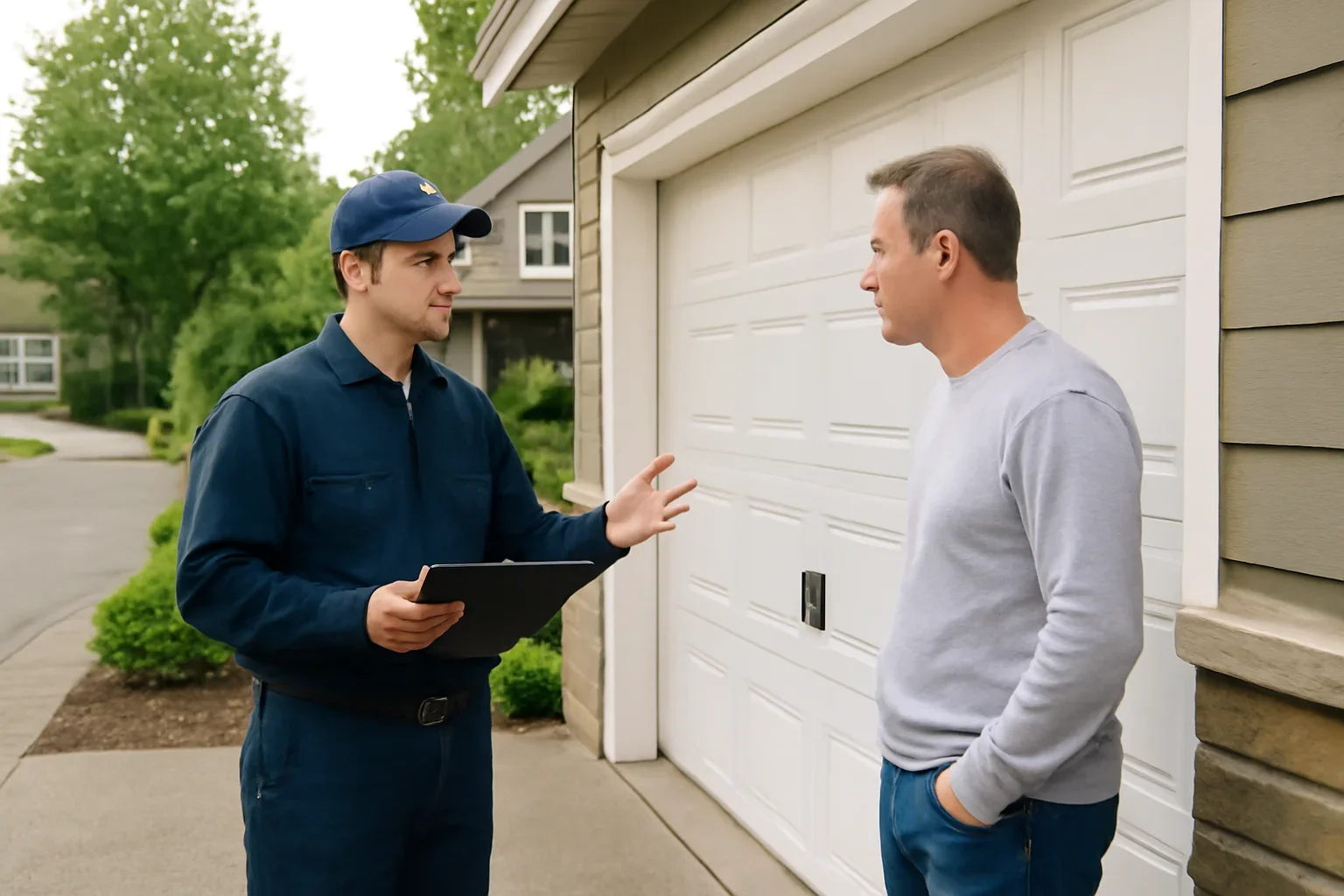
Sensor alignment, an obstruction, wiring, travel settings or mechanical resistance may be interrupting the closing cycle.
The lens, bracket, wiring connection, power path or sensor pair may need to be checked before the opener is reset.
Check same-day availability when the door remains open, access is blocked or the closing problem creates an immediate security concern.
The same closing symptom can come from the photo-eye sensors, opener settings, floor contact, track resistance or the moving door. A careful check avoids replacing sensors when another part is causing the reversal.
Stored items, debris, cobwebs, mud splash or residue near the floor can interrupt the beam or make the sensor response inconsistent.
Review sensor troubleshootingA bumped bracket, loose mounting point or uneven sensor height can move the lenses out of alignment even when both units still appear attached.
Review sensor repairPinched low-voltage wire, loose terminals, corrosion, damaged insulation or an opener-side connection can interrupt one or both sensor signals.
Review opener repairBent track, poor balance, damaged rollers, incorrect travel settings or an obstruction at the floor can also make the door stop or reverse.
Review closing problemsDescribe the light colours or blinking pattern, whether the wall control, remote and keypad behave the same way, and where the door reverses. Safe photos of both sensor areas can also help explain the setup.
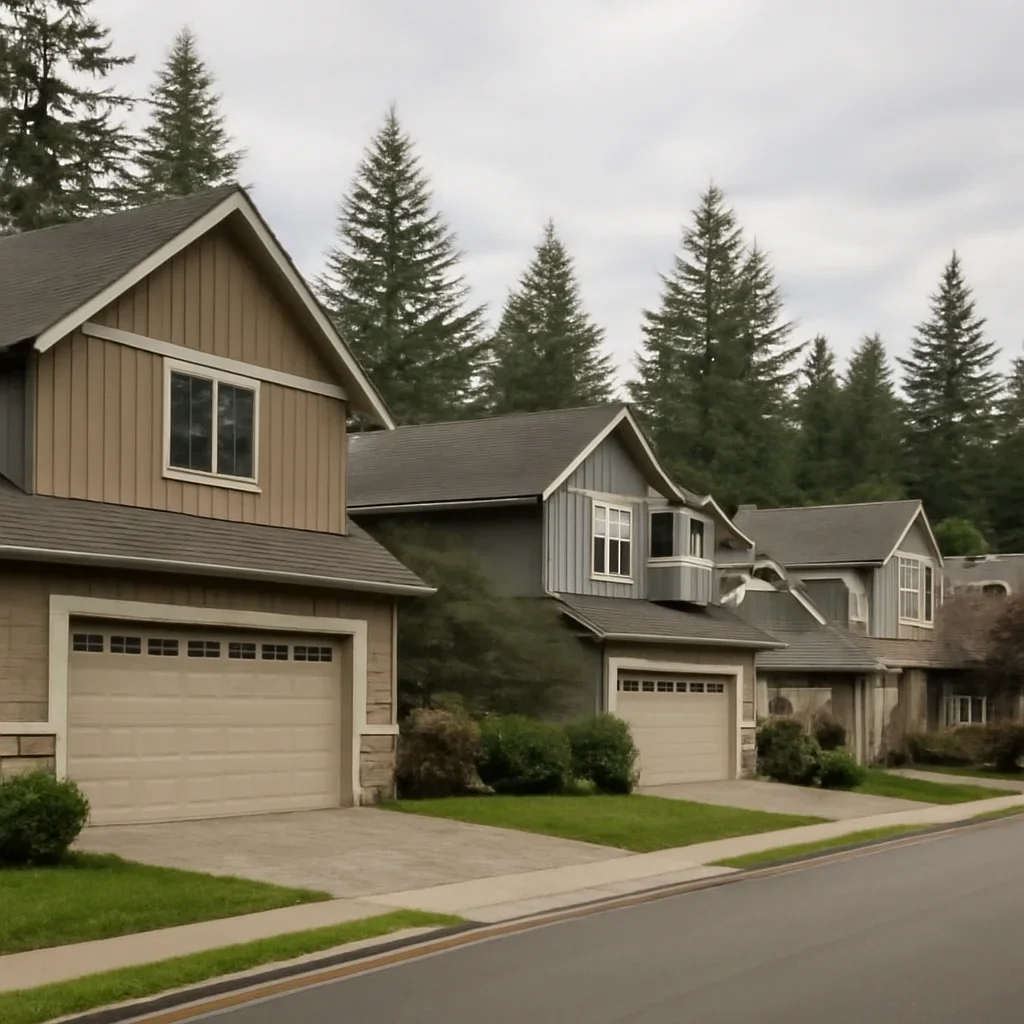
Glen Valley is part of the Township of Langley's rural area, where homes on acreages, farms and working properties are common. A service address may involve an attached garage, detached shop, storage building or equipment bay.
Sensors mounted close to the floor can be exposed to dust, cobwebs, moisture, mud, stored materials and accidental contact from tools or equipment. Longer driveways, gates and separate buildings are also useful to mention when arranging access for the visit.
Share the full service address, gate instructions, which building contains the opener, whether the garage has power, the door's current position and whether vehicles, equipment or stored items limit access to either sensor.
Book service when the closing problem repeats, the sensor lights remain inconsistent or the cause cannot be confirmed through simple visible checks.
A repeated reversal may involve the sensor beam, closing travel, floor contact or resistance in the tracks and moving hardware.
Intermittent lighting may point to alignment, wiring, mounting, power or a failing component rather than a one-time obstruction.
A loose, bent or repeatedly bumped bracket can prevent the sensor pair from maintaining a dependable beam across the opening.
Light patterns and control messages may help identify sensor, wiring, travel, force or another opener-related fault.
Safety sensors are part of the automatic reversal system. Avoid taping over lenses, permanently holding controls, moving sensors above their intended position or increasing opener force without identifying the cause. Stop using the opener if the door is also crooked, off track, heavy or visibly damaged.
The goal is to confirm whether the fault belongs to the lenses, brackets, wiring, opener controls or the mechanical door before parts are replaced.
Review door position, control response, sensor lights, opener flashes, reversal point and whether the issue occurs during every closing cycle.
Check lens condition, alignment, mounting, wire routing, connections, visible damage and communication with the opener.
Review floor contact, track resistance, door balance and opener settings, then test dependable closing and reversal after the approved repair.
A targeted repair may be appropriate when the closing fault is confirmed within the sensor system and the door and opener remain otherwise suitable.
A wider repair may be needed when the door is binding, stopping at the floor, moving unevenly or showing an opener, track or balance problem.
Sensor systems vary by opener model and generation. The correct repair depends on how the existing pair is powered, mounted and interpreted by the opener control system.
Sensor designs, indicator lights, wiring arrangements and compatible replacement parts can differ between opener families and production years.
A sound sensor may still fail to stay aligned when the bracket, fastener, wall surface or lower track area is loose or damaged.
Staples, sharp edges, moisture, pests, stored equipment and accidental contact can damage or interrupt low-voltage sensor wiring.
Closing resistance, incorrect travel, floor pressure and mechanical problems can create reversal symptoms that resemble a sensor fault.
The final scope depends on diagnosis, wiring, mounting, compatible parts, opener condition, access and whether another door problem is involved.
Basic visible checks may identify an obvious obstruction, but repeated or unclear faults should move to service rather than repeated adjustment.
Remove visible objects, leaves, cobwebs or stored materials from the opening without placing hands near moving hardware or standing under the door.
From a safe position, note whether both lenses are clean, both brackets appear secure and either indicator light is off, blinking or changing.
Note whether the wall control, remote and keypad produce the same result. Do not repeatedly cycle the opener if the door is binding or unstable.
If cleaning an obvious obstruction does not resolve the issue, share the symptoms and light behaviour rather than moving brackets repeatedly, splicing wires or increasing force settings.
Clear details can help identify whether the likely visit involves alignment, wiring, sensor replacement, opener settings or a broader closing problem.
Explain how far the door travels, where it reverses, whether the opener flashes and if the issue occurs every time or only under certain conditions.
Mention the colour, blinking pattern and whether either light changes when the bracket or nearby wiring is touched accidentally.
Include both sensor areas, the opener model label, full door views, the Glen Valley address, gate instructions and the building location.
These answers explain common sensor symptoms, safe visible checks and when the problem may involve the opener or moving door instead.
The sensor beam may be blocked or misaligned, but reversal can also involve damaged wiring, incorrect travel, floor contact, track resistance, poor balance or another obstruction. The complete closing system should be checked.
A blinking or missing light can indicate misalignment, interrupted power, damaged wiring, a loose connection or a sensor fault. Indicator meanings can vary by opener model, so the opener information is useful.
Yes. Material on a lens or directly across the beam can interrupt the safety signal. If gentle cleaning and clearing the opening do not resolve the issue, alignment, wiring and opener response may need service.
Strong light, moisture, physical movement and changing obstructions can contribute to intermittent symptoms in some setups. Repeated problems should be diagnosed rather than handled by bypassing the sensors.
The sensors should remain installed in the intended safety position. Moving them to avoid the problem can reduce protection and may hide alignment, wiring or mechanical trouble.
Sensor faults usually affect automatic closing rather than one specific handheld control, but opener logic and control behaviour can vary. Report which controls work and whether the wall control behaves differently.
That behaviour can point to a sensor or safety-circuit problem on some openers, but the exact cause depends on the model, lights, wiring and closing behaviour. It should be assessed without bypassing the system.
Yes. Mechanical resistance, poor balance, damaged rollers, bent track or incorrect floor contact can cause stopping or reversal even when the sensor beam is clear.
Share the service address, gate and building instructions, current door position, reversal point, sensor-light behaviour, controls that work, opener brand and model, safe photos and preferred timing.
No. Availability depends on scheduling, access, diagnosis and suitable parts. Clearly state when the door cannot close, the property is unsecured or the opening is preventing normal use.
Tell us how the door behaves while closing, whether either sensor light blinks or turns off, which controls respond and whether the property can currently be secured. Include safe photos and Glen Valley access details.