Sensor alignment review
Service may be needed when one sensor has shifted, the brackets are loose, the lights blink, or the beam no longer connects cleanly across the opening.
Book sensor assessment
Get practical help for garage door sensor issues in Milner when the door will not close, reverses suddenly, sensor lights blink, or the opener behaves like something is blocking the opening.
Sensor problems often involve more than the small photo-eye units near the bottom of the garage door. The issue may be alignment, wiring, brackets, dirt, sunlight interference, opener settings, track resistance, door balance, or a real obstruction. Milner homes and detached garages can also deal with moisture, dust, driveway debris, storage near the door path, and everyday bumps that can move the sensor brackets out of position.
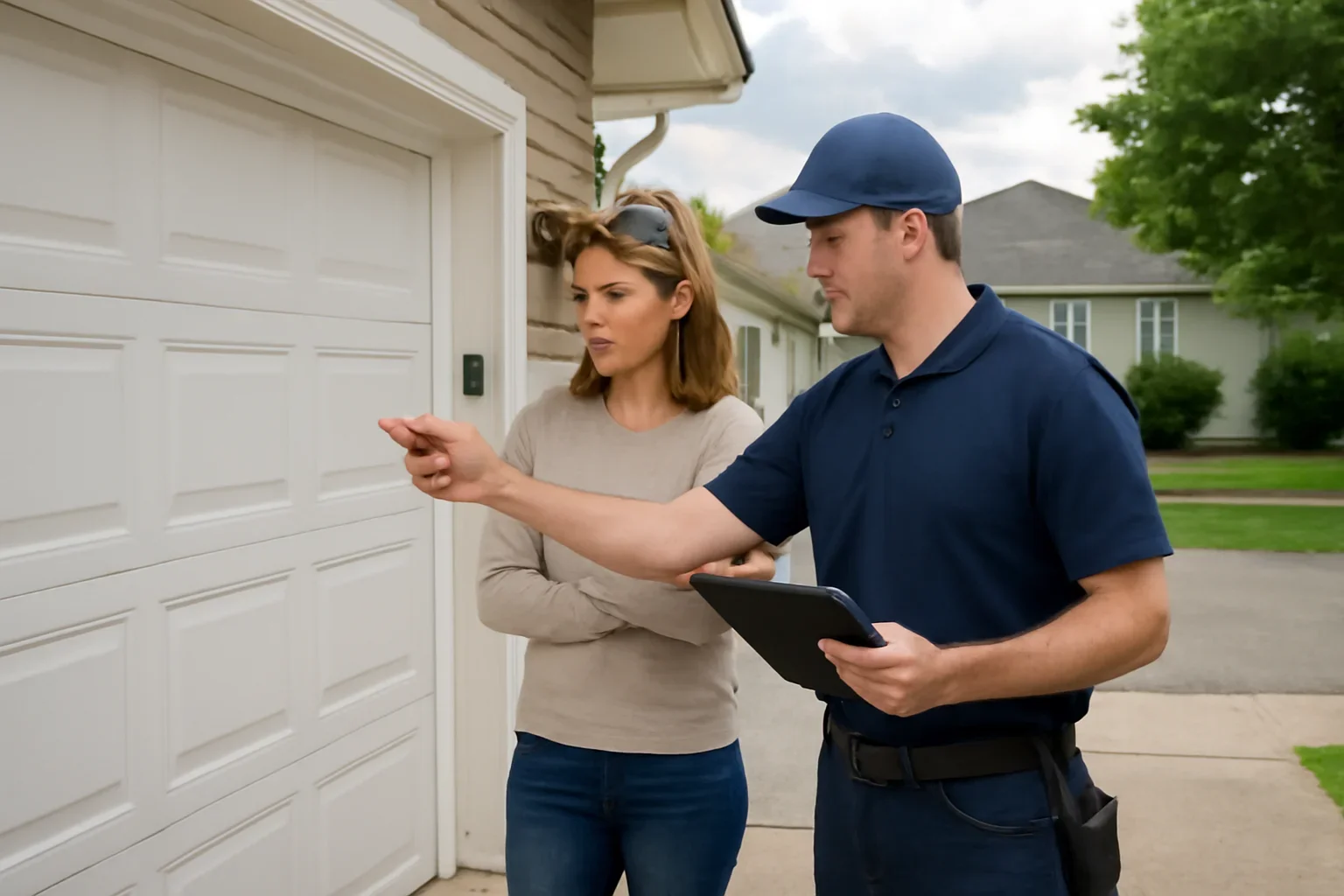
Book service when the door starts closing, stops, then returns upward even when nothing obvious is in the way.
Review sensor guidance when the photo-eye lights blink, turn off, look misaligned, or do not respond consistently.
Check closing-problem guidance when the opener runs but the door will not finish closing or keeps stopping near the floor.
Safety sensors are part of the opener system, but their behaviour can be affected by the door, track, opener settings, wiring, brackets, alignment and what is stored near the opening.
Service may be needed when one sensor has shifted, the brackets are loose, the lights blink, or the beam no longer connects cleanly across the opening.
Book sensor assessmentWires, connectors, brackets, sensor housings and opener terminals may need review when the sensor signal cuts in and out.
View opener repairA reversing door may involve sensors, track resistance, travel settings, force settings, obstruction response, or a door that is not moving smoothly.
Review closing problemsIf the door is heavy, uneven, binding or noisy, the sensor may not be the only problem. The moving hardware should be checked before settings are changed.
View garage door repairSend photos of both sensors, the opener light pattern, the wall-control response and the full door opening. This helps separate a simple sensor alignment issue from wiring, opener, track or door movement problems.
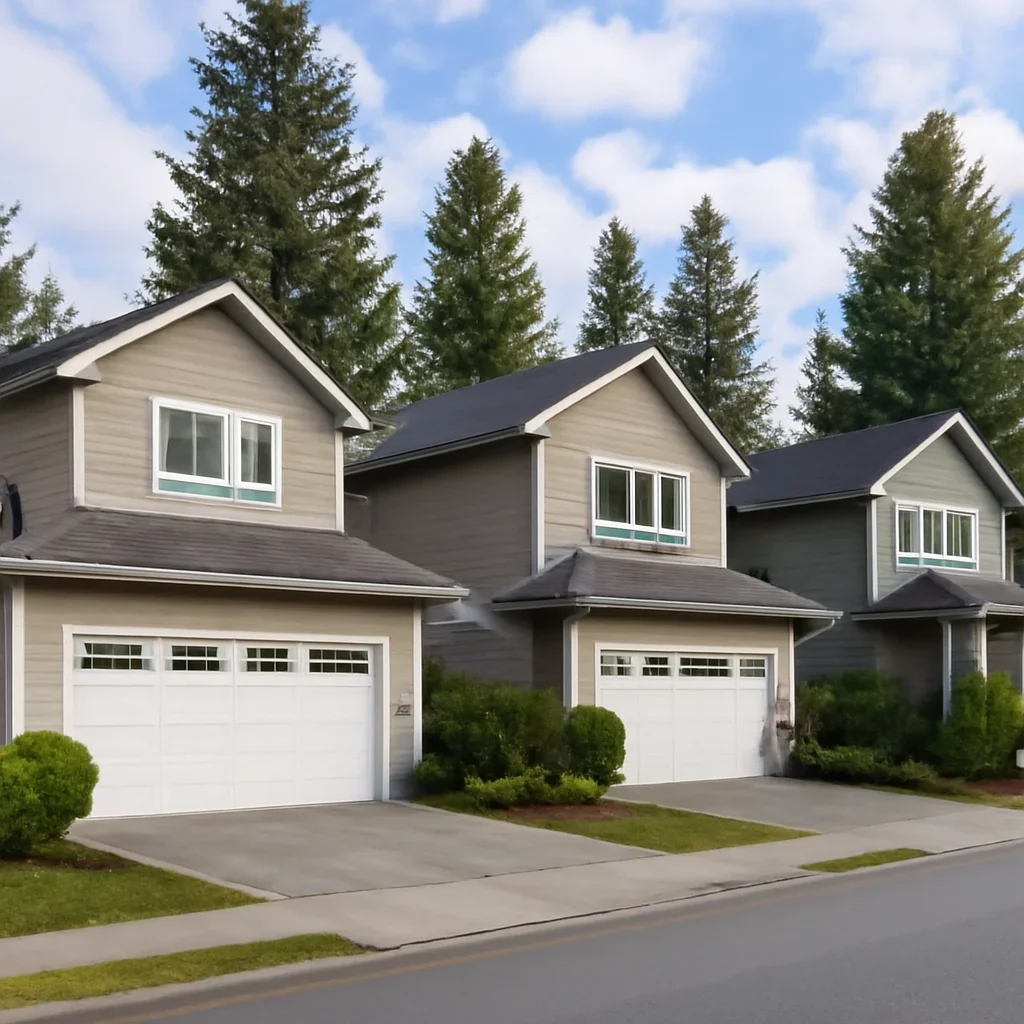
Milner properties can include attached garages, detached garages, shop-style spaces and storage-heavy garages. Sensor brackets can get bumped by bins, bikes, tools, landscaping equipment or vehicles. Dirt, spider webs, moisture and changing light near the bottom of the door can also make a sensor problem seem random.
In attached garages, a door that will not close can quickly become a security and comfort concern. In detached garages or shops, the problem may affect equipment storage, access to vehicles or daily use of the space. A useful repair recommendation should check the sensor system and the door movement together before assuming the opener is the only cause.
If the door reverses but the sensor lights look normal, the issue may still involve resistance in the door, track, rollers, opener travel or force settings. The full system should be reviewed before changing opener settings.
Sensor issues often appear as closing problems. If the door opens normally but will not close properly, the sensors, opener logic and door movement should be reviewed together.
Reversal can be caused by sensor alignment, an obstruction, wiring trouble, opener settings or resistance in the moving door.
Blinking, dim or inconsistent lights can point to alignment, wiring, dirty lenses, bracket movement or a failing sensor.
This can suggest the opener is not receiving the expected safety sensor signal during normal closing.
Repeated sensor faults may involve loose brackets, wiring damage, vibration, opener issues or something affecting the door path.
Do not bypass or disable garage door safety sensors. If the door will not close, the safer next step is to identify whether the problem is sensor alignment, wiring, opener behaviour, obstruction response or door movement.
The goal is to confirm whether the issue starts at the sensors, the opener, the wiring or the door itself.
Note whether the door reverses immediately, stops near the floor, only closes while holding the wall button, or will not move down at all.
Sensor alignment, lights, lenses, brackets, wiring and opener connection points should be checked before assuming the sensors need replacement.
Tracks, rollers, travel limits, force settings, door balance and real obstructions should be considered before the repair path is finalized.
Sensor repair may be the right path when the door otherwise moves smoothly and the main issue is a sensor signal, alignment or wiring concern.
If the door is heavy, uneven, rubbing, noisy or stopping because of resistance, the sensors may be reacting to a deeper door or opener issue.
These related pages can help you decide whether the issue is a sensor repair, opener repair, general garage door repair or closing-problem troubleshooting.
Sensor issues are easier to review when your request includes what the door does, what the sensor lights show and whether the problem happens every time.
These answers help you understand common sensor symptoms and prepare useful information before booking service.
It becomes urgent when the door will not close, the garage cannot be secured, the door keeps reversing, or the opener will not complete a normal closing cycle. If the door is also crooked, heavy or stuck, same-day repair may be more appropriate.
The opener may be reacting to a blocked or misaligned sensor beam, a wiring issue, a real obstruction, track resistance, travel settings or force settings. The sensors and door movement should be reviewed together.
Blinking lights often point to alignment, obstruction, dirty lenses, loose brackets, wiring or sensor communication issues. The exact meaning can vary by opener model.
No. Safety sensors are part of the garage door opener’s protection system. If the door will not close normally, the safer next step is to diagnose the sensor, opener or door movement issue.
Yes. A door that binds, rubs, shakes, sits unevenly or meets resistance can make the opener reverse even if the sensors appear to be working. The full system may need to be checked.
Send photos of both sensors, the sensor brackets, the bottom of the door, the full opening, and the opener light pattern if visible. Mention whether the sensor lights are solid, blinking or off.
Tell us whether the door reverses, will not close, or only closes while holding the wall button. Photos of both sensors and the full door opening help confirm whether the next step is sensor repair, opener repair or full garage door service.