Bottom weather seal replacement
Replace the bottom seal when it is brittle, split, flattened, chewed, loose or no longer making consistent contact across the opening.
Book bottom seal service
Replace worn, cracked or missing garage door weather seals in Milner so your garage is better protected from rain, drafts, dust, leaves, insects and small debris.
Milner homes can include attached garages, detached shops, older doors, newer doors and rural-style driveways where moisture, uneven concrete and daily use can wear down bottom seals faster. A proper weather seal replacement should look at the seal, the door fit, the floor contact and whether another issue is creating the gap.
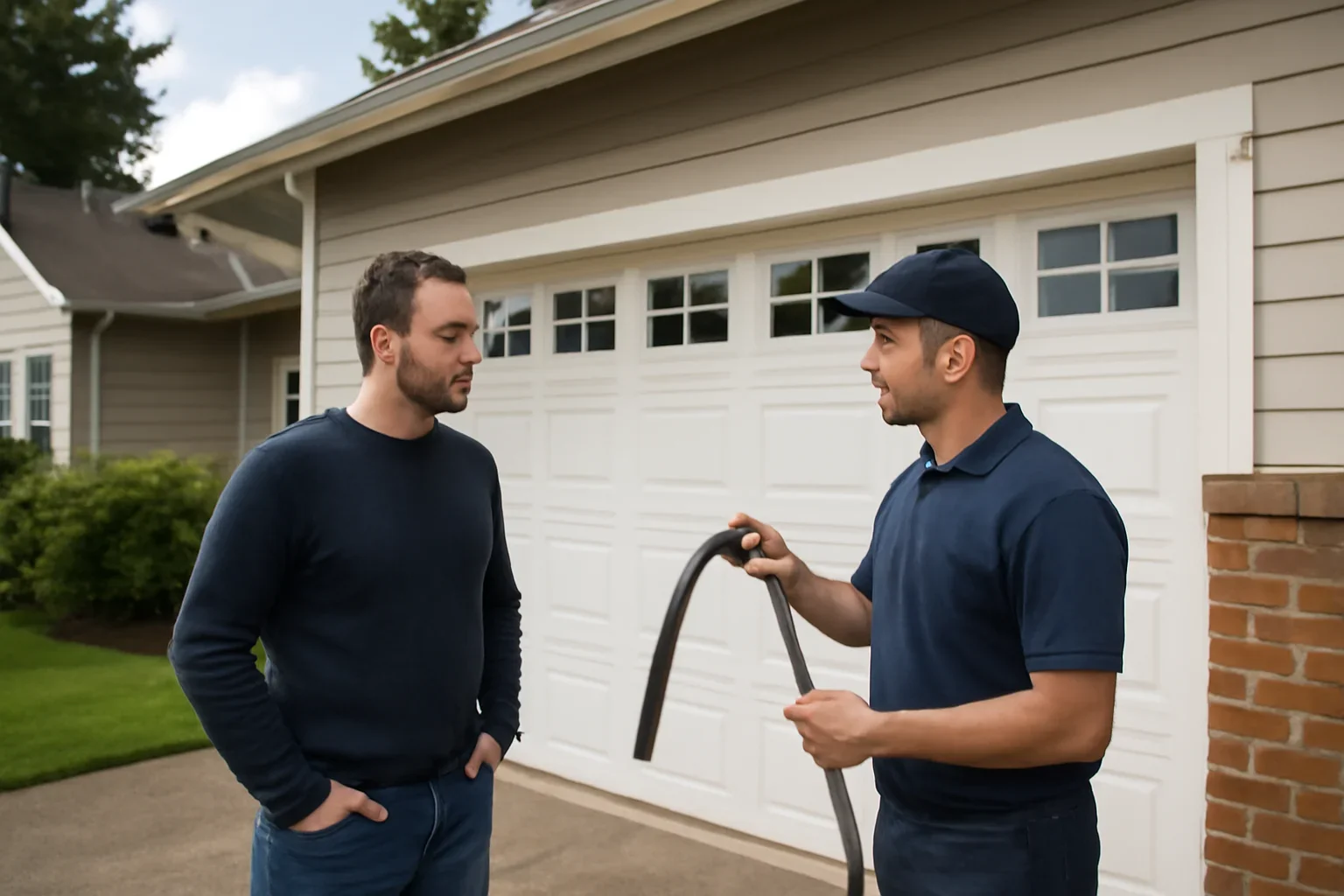
Book service when the bottom rubber is cracked, flattened, missing, pulling out of the retainer or no longer touching the floor evenly.
Review sealing guidance when rain, cold air, dust, leaves or insects are entering around the bottom or sides of the garage door.
If one side has a larger gap, the seal may not be the only issue. The door, tracks, rollers and balance may need to be checked.
A good seal replacement is not only about sliding in new rubber. The right approach depends on where the gap is, how the door meets the floor and whether the seal is hiding a larger door alignment problem.
Replace the bottom seal when it is brittle, split, flattened, chewed, loose or no longer making consistent contact across the opening.
Book bottom seal serviceCheck the side and top weatherstripping when daylight, drafts, insects or rain appear around the frame instead of under the door.
Read weatherstripping guideA sloped or uneven garage floor can leave gaps even after a new seal is installed. The door fit should be reviewed before assuming the seal alone will solve it.
View garage door repairIf seal damage is connected to a crooked, stuck, damaged or unsafe door, a same-day repair request may be more appropriate than routine seal replacement.
Check same-day repairSend a short description and photos of the bottom of the door, both side edges and the full garage opening. This helps separate normal seal wear from a door fit or hardware issue.
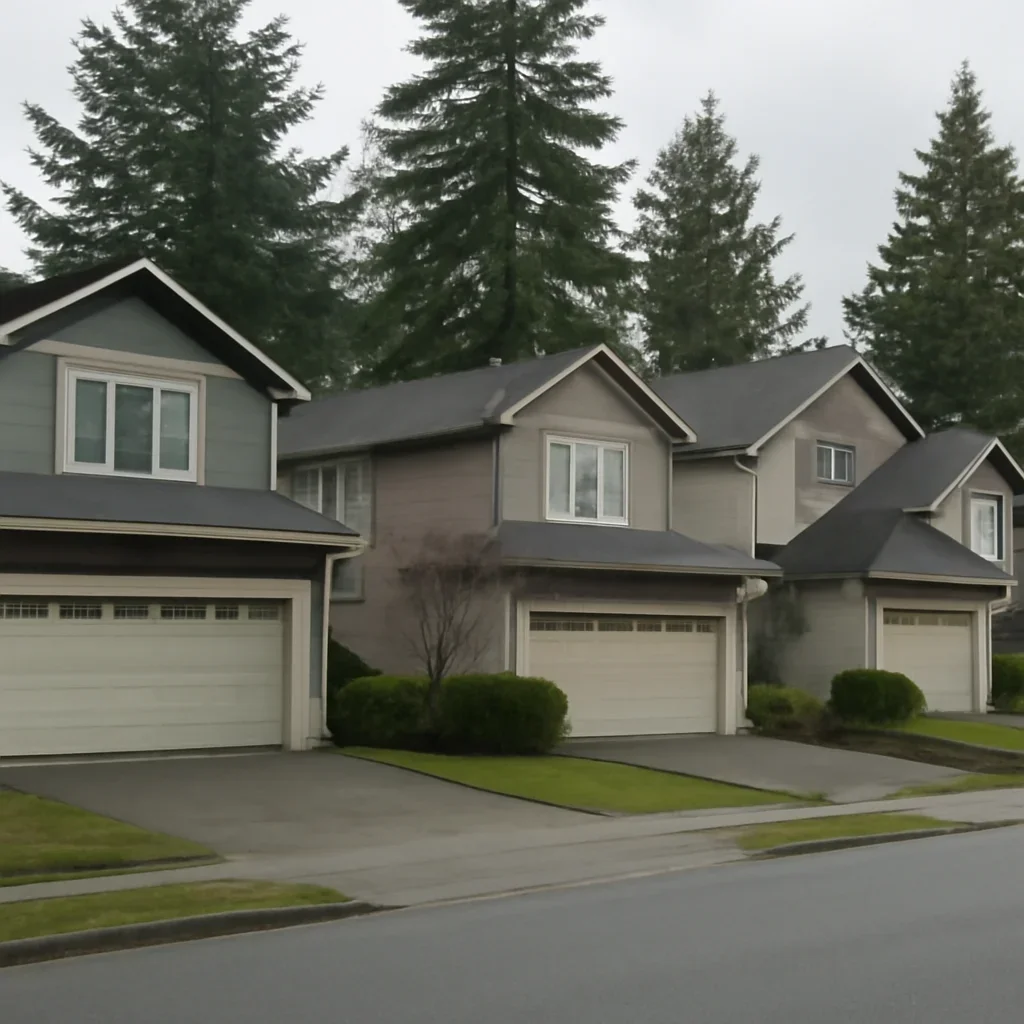
Milner has a practical mix of residential properties, detached garages, workshops, older homes and newer builds. Some garages are used mainly for parking, while others protect storage, tools, equipment or household access.
That matters because a worn seal can create different problems depending on how the garage is used. In an attached garage, drafts and noise may be more noticeable. In a detached garage or shop, moisture, leaves, dust and pests may be the bigger concern. On older doors, the retainer, bottom section or door alignment may also need attention before a new seal performs properly.
If the door has a visible gap on one side only, the problem may involve alignment, rollers, tracks, cable tension or the garage floor rather than the seal alone.
Weather seals wear down gradually, so the first sign is often a small change: daylight under the door, more debris inside the garage or water showing up near the threshold after rain.
Light under the door usually means the seal is compressed, torn, missing or not touching the floor evenly.
Moisture near the threshold can point to a worn bottom seal, uneven floor contact or a gap at the side jambs.
Small debris along the inside edge of the door often means the bottom seal or side weatherstripping is no longer closing the gap.
Rubber that is brittle, split, curled, chewed or pulling away from the retainer should be reviewed before the gap gets worse.
If the door is crooked, heavy, jammed, off track or hanging unevenly, stop using it and book a repair assessment. A new seal should not be used to cover a mechanical problem that affects safe door movement.
The goal is to confirm where the gap is coming from, choose a suitable sealing path and avoid replacing a seal when the real issue is door alignment or hardware wear.
Check whether the issue is at the bottom, sides, top corners, threshold area or only on one side of the opening.
The door, tracks, rollers, bottom section, retainer and floor contact should be considered before installing a new seal.
Depending on the condition, the next step may be seal replacement, weatherstripping, adjustment, repair or a broader replacement conversation.
Weather seal replacement may be the right service when the door still moves properly and the issue is limited to worn rubber or minor perimeter gaps.
A new seal may not perform properly if the door is out of level, the tracks are misaligned, the bottom section is damaged or the floor contact is uneven.
These related pages can help you decide whether the issue is simple weather seal wear, a general garage door repair problem or something that needs quicker attention.
Clear details help the request get routed properly, especially when the seal issue may be connected to door fit, floor slope or damaged hardware.
These answers help you understand whether a worn weather seal is likely the main issue or whether the garage door should be inspected more broadly.
Common signs include daylight under the door, water coming in after rain, drafts, dust, leaves, insects, cracked rubber, flattened rubber or a bottom seal that is sliding out of its retainer.
A new bottom seal can help when the seal is worn and the door meets the floor properly. If the floor slopes, the door is uneven or water drains toward the garage, sealing may need to be reviewed with the door fit and threshold conditions.
A one-sided gap can be caused by uneven floor contact, worn rollers, track alignment, cable tension, door balance or a damaged bottom section. In that case, garage door repair may be needed before or along with seal replacement.
It depends where air, water or debris is entering. If the bottom seal is worn but the frame seals are still tight, only the bottom seal may need attention. If daylight appears along the sides or top corners, perimeter weatherstripping should also be reviewed.
It is usually a routine service unless the door is unsafe, stuck, crooked, not closing, or unable to secure the garage. If the seal issue is connected to an unsafe door condition, same-day repair may be more appropriate.
Send photos of the full garage door from outside, the bottom seal, the inside threshold, both side gaps and any damaged retainer or bottom section. A short video of the door closing can also help if the gap changes during movement.
Tell us where the gap is, what is getting into the garage and whether the door still closes evenly. Photos help confirm whether the next step is seal replacement, weatherstripping, adjustment or repair.