Light under the garage door
A visible gap along the floor may mean the bottom seal is worn, compressed, torn, or no longer matching the floor surface.
View weather stripping guide
Improve your garage door seal when you notice drafts, rain blowing in, daylight under the door, leaves, dust, insects, rodents, or cold air entering your Murrayville garage.
Weather seal problems are common on older doors, attached garages, sloped driveways, and homes where the garage is used for storage, parking, tools, bikes, or daily home access. The right solution depends on the bottom seal, side seals, top seal, door alignment, floor condition, and whether the door closes evenly.
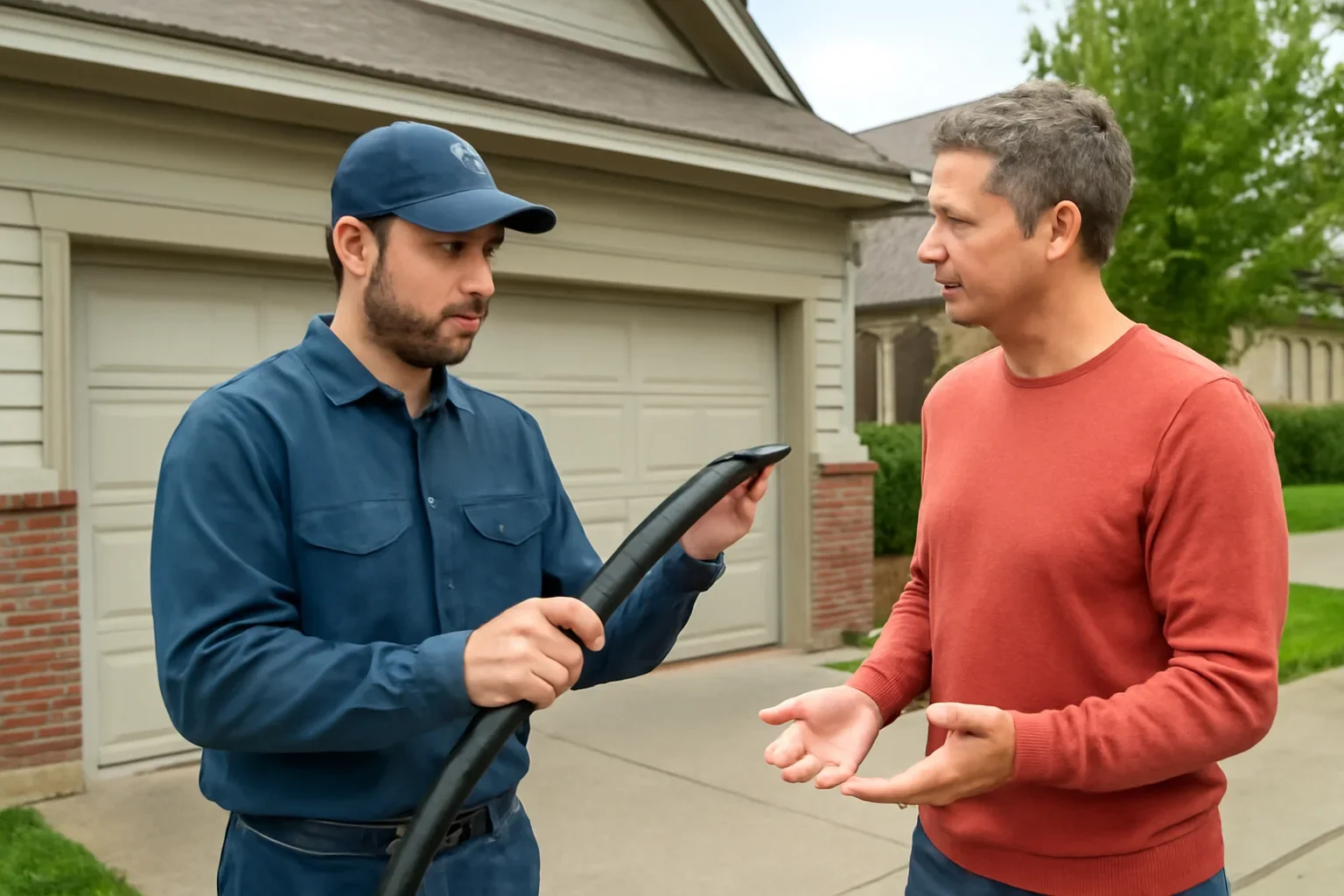
Review weather stripping basics when daylight, drafts, rain, or pests are getting through the edges.
If the door is crooked, binding, or not meeting the floor evenly, repair may be needed before sealing.
Use same-day repair when the door cannot close, will not secure, or leaves the garage open to weather or access.
A poor seal is not always caused by the rubber alone. The gap may come from worn weather stripping, a damaged retainer, uneven concrete, door misalignment, bent track, loose hardware, or a door that no longer closes squarely.
A visible gap along the floor may mean the bottom seal is worn, compressed, torn, or no longer matching the floor surface.
View weather stripping guideSide seals can harden, shift, crack, or separate over time, especially when the door has frequent daily use.
Check door repairIf the door is uneven, noisy, or rubbing, sealing alone may not solve the problem until the movement issue is reviewed.
View closing issuesBetter sealing can help reduce drafts, debris, leaves, moisture, and pest entry when the door and floor allow a proper fit.
Request seal serviceShare where you see the gap: bottom, sides, top, or one corner. Mention whether the door closes evenly, whether water enters, and whether the garage floor slopes toward the opening.
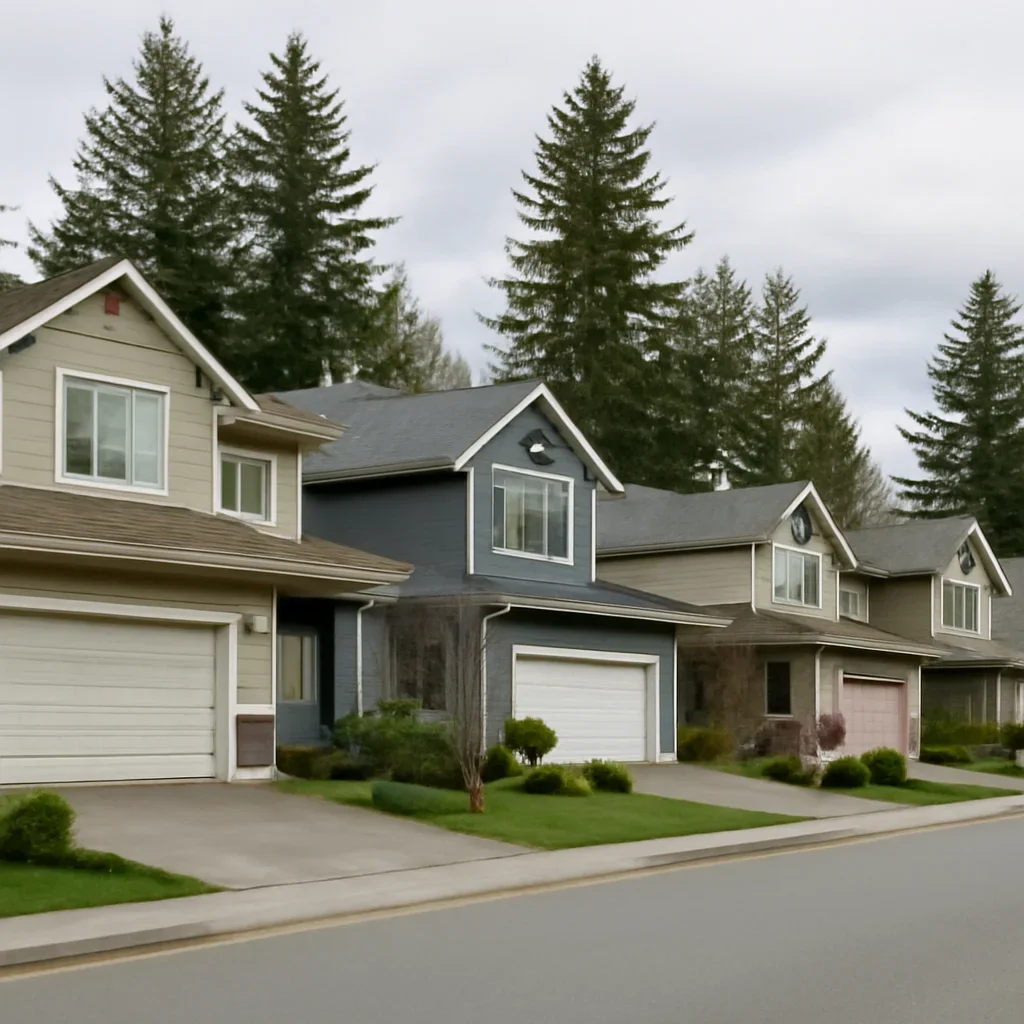
Murrayville garages are often used for more than parking. Many homeowners store tools, bikes, seasonal items, sports gear, freezers, and household supplies in the garage. When seals fail, drafts, moisture, dust, leaves, and pests can affect the space even when the door still opens and closes.
Local conditions can also make seal problems more noticeable. Rain, driveway debris, changing temperatures, attached garage comfort, older concrete, and daily door cycling can all affect how well the bottom, side, and top seals perform.
Weather seal replacement is usually worth considering when the seal is visibly damaged or the garage is no longer protected from outside air, water, debris, or pests.
Brittle, flattened, split, or missing rubber can stop the door from sealing properly against the floor or frame.
Light at the bottom, sides, top, or corners often points to worn seals, uneven closing, or alignment issues.
Water near the threshold may involve the seal, floor slope, door fit, drainage, or more than one condition.
Drafts, dust, leaves, insects, or cold air can indicate that one or more seals are no longer doing their job.
If the door is uneven, rubbing, heavy, or not closing squarely, do not treat weather stripping as the only issue. Door alignment, tracks, rollers, hinges, or opener travel may need to be reviewed before the seal can work properly.
A good seal replacement starts by checking where the gap is, how the door sits when closed, and whether the existing retainer and surrounding hardware can support a clean fit.
Check whether air, light, water, or debris is entering from the bottom, sides, top, corners, or one uneven section.
The door should close evenly enough for the seal to make contact without relying on excessive opener force.
The replacement depends on the seal type, retainer condition, door material, threshold area, and how the garage is used.
A few details can help identify whether the issue is simple weather stripping, a door-fit concern, or a broader repair need.
These related pages can help you understand whether your issue is a weather stripping problem, a door repair issue, or a broader service request.
These answers help separate normal seal wear from alignment, floor, opener, or door movement issues.
Replacement may make sense when the seal is cracked, torn, flattened, missing, or no longer reducing drafts, moisture, light gaps, debris, or pest entry. The door should also close evenly enough for the new seal to work.
A new seal may help when water is entering through a worn bottom seal or edge gap. If the driveway slopes toward the garage, the floor is uneven, or drainage is the main issue, sealing alone may not fully solve it.
Daylight may come from worn weather stripping, a compressed bottom seal, side seal gaps, a damaged retainer, uneven concrete, or a door that does not close squarely.
Not always. Seal replacement focuses on the weather stripping around the door. Garage door repair may be needed when the door is crooked, rubbing, misaligned, noisy, or not closing evenly.
Mention your Murrayville location, where the gap appears, whether water or pests are getting in, and whether the door closes evenly. Photos of the bottom seal, side gaps, and full door can also help.
Tell us where the gap appears, what is getting into the garage, and whether the door closes evenly. This helps route the request toward seal replacement, door adjustment, repair, or same-day service if the garage is exposed.