Install a new garage door
Suitable when you are choosing a new door for a home, detached garage, shop, or renovated opening.
Book installation planning
Plan a new garage door for a Salmon River home, detached garage, acreage shop, or workshop with practical guidance on fit, function, safety, and long-term use.
Garage door installation in Salmon River can involve more than choosing a door style. Acreage layouts, detached buildings, longer driveways, gravel, moisture, dust, larger openings, and workshop use can all affect the right door, track setup, spring system, opener compatibility, insulation, and weather sealing.
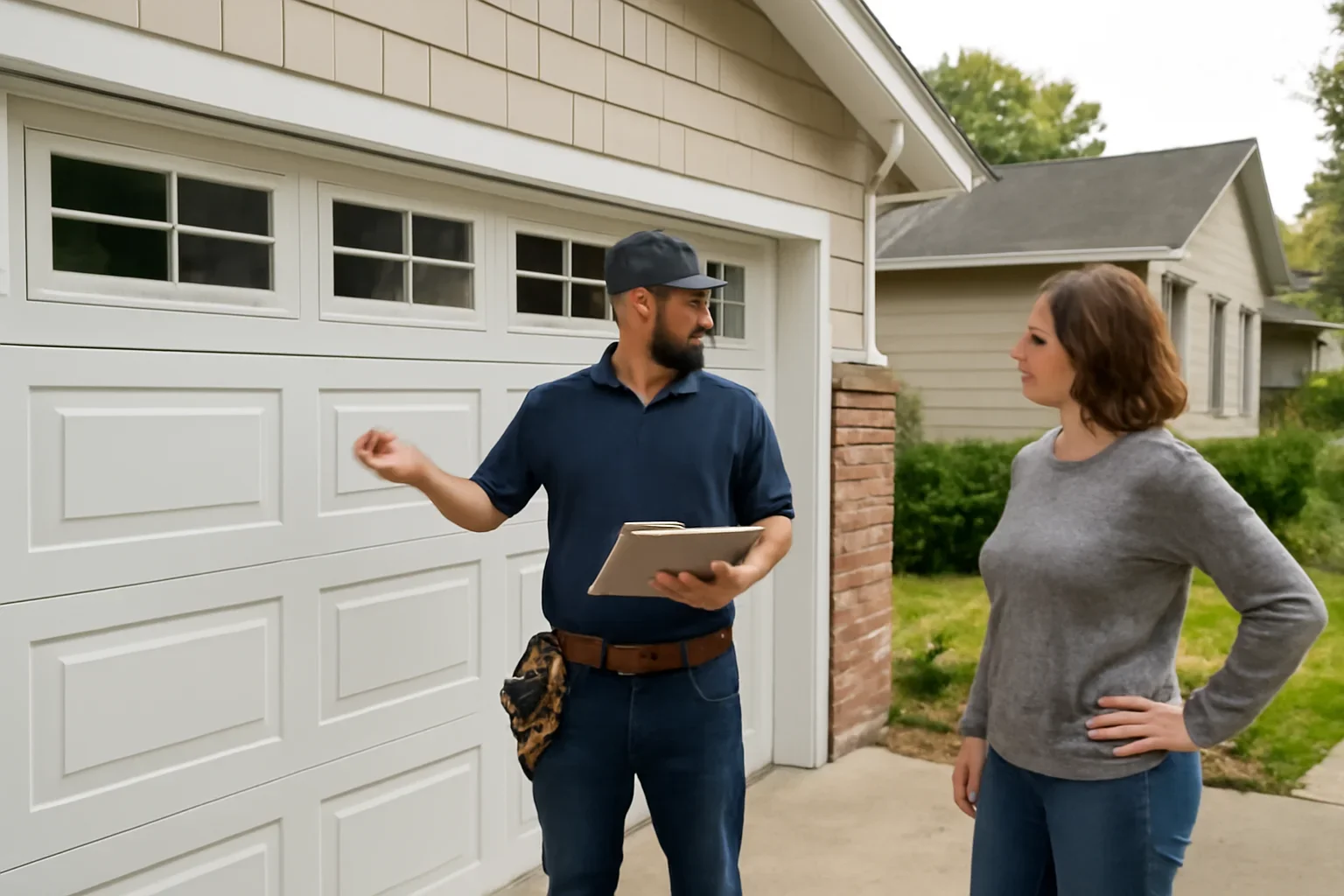
Start here when you are planning a new door for a home, detached garage, shop, or renovated opening.
Review replacement guidance when the current door is damaged, outdated, poorly sealed, noisy, or no longer reliable.
Choose repair first when the existing door is stuck, crooked, unsafe, unusually heavy, or blocking access.
A good installation plan should fit the opening, the building, the way the garage is used, and the connected opener and hardware. These starting points help clarify the next step before booking.
Suitable when you are choosing a new door for a home, detached garage, shop, or renovated opening.
Book installation planningReplacement may make sense when the current door has repeated repairs, poor sealing, panel damage, rust, or unreliable movement.
View replacement guidanceA new door may change weight, balance, track needs, and opener requirements. The opener should guide the door, not carry the full load.
Review opener serviceIf the current door is stuck, crooked, unsafe, or blocking access, a repair visit may be the right first step before installation planning.
View garage door repairShare photos of the opening, the current door, the inside tracks, the opener, and any visible damage. This helps separate a planned installation from a repair or replacement request.
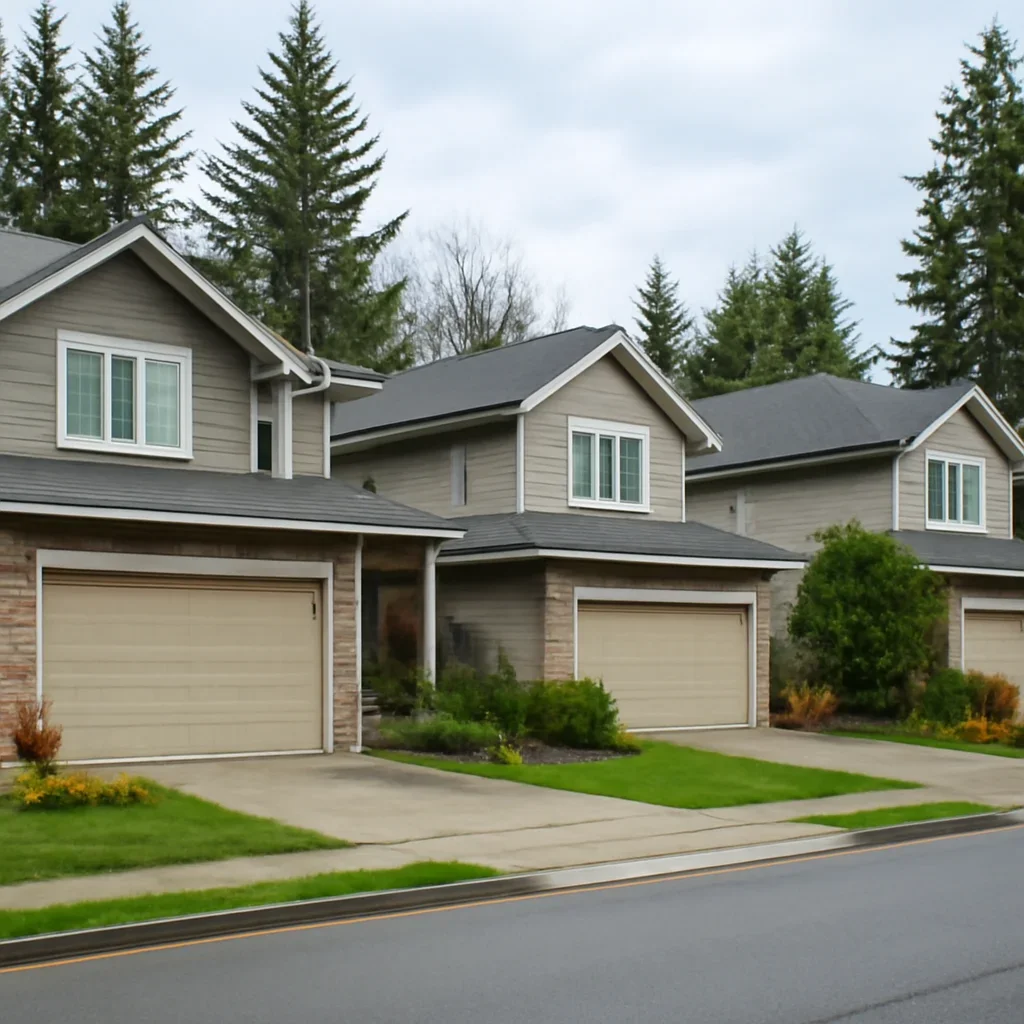
Salmon River properties may include larger lots, detached garages, workshops, storage buildings, and access routes that differ from compact suburban driveways. These conditions can affect product selection, work access, track layout, weather sealing, opener choice, and hardware requirements.
For a detached shop or acreage garage, durability, door size, wind exposure, moisture, dust, opener reach, and daily vehicle or equipment access may matter as much as curb appeal. For an attached residential garage, insulation, quiet operation, sealing, and the exterior style of the home may become more important.
The best installation plan starts with the actual opening and connected system. This helps avoid choosing a door that looks right but does not fit the track, ceiling, opener, or daily use.
Headroom, side room, backroom, ceiling obstructions, floor slope, and framing condition can all affect the installation plan.
Panel design, colour, window placement, insulation, privacy, natural light, and exterior appearance should be compared together.
A new door may require hardware that matches the door weight, opening size, track layout, and expected use.
Opener condition, rail length, controls, force behaviour, travel limits, and sensors should be reviewed before reuse.
Do not keep operating a badly damaged, unstable, off-track, or unusually heavy door while waiting for installation planning. If the current door is unsafe or blocking access, book repair or same-day support first.
A clear process helps compare options before work begins and keeps the installation focused on fit, function, safety, and long-term use.
Measure the opening, check the interior layout, review the current door or empty opening, and clarify how the garage is used.
Consider construction, insulation, panel style, windows, colour, hardware, opener compatibility, sealing, and property access.
After installation, the door should be checked for smooth travel, balance, hardware security, opener response, sensors, and sealing.
A new installation may be the right path when the property has a new opening, a renovated garage, a detached shop, or an existing door that no longer fits the way the space is used.
If the existing door has an active safety or access problem, repair may be needed before installation planning. If the door is old or damaged, replacement guidance may be the better starting point.
These answers help you prepare for a service request and avoid choosing a door before the opening, hardware, and opener requirements are understood.
Include your Salmon River location, property type, opening width and height if known, photos of the inside and outside of the opening, current opener details, and your goals for insulation, windows, colour, or durability.
It can be. Detached buildings may have different access, larger openings, heavier use, moisture exposure, dust, storage needs, or opener requirements than an attached residential garage.
It depends on the opener condition and compatibility with the new door. Door weight, balance, rail length, travel limits, safety reversal, controls, and sensor alignment should be checked before reuse.
Insulation may be more useful for attached garages, workshops, heated spaces, garages below or beside living areas, or properties where noise and temperature transfer matter.
Opening size, door construction, insulation, windows, track layout, headroom, side room, opener compatibility, framing condition, removal needs, and site access can all affect the final scope.
Book installation planning for a planned new door. Book repair or same-day service if the existing door is unsafe, stuck, off-track, unusually heavy, or preventing access.
Share your Salmon River location, photos of the opening, current door condition, opener details, and what you want the new door to improve. This helps route the request toward installation planning, replacement, repair, or same-day support when needed.