Sensor alignment repair
Start here when the door begins to close and then reverses, or when the sensor lights appear dim, blinking or misaligned.
Book sensor repair
Get local help when your garage door will not close, reverses unexpectedly, flashes sensor lights, or seems blocked even when the doorway is clear.
Salmon River homes often include detached garages, acreage driveways, workshops, storage buildings and doors exposed to dust, moisture, spider webs, gravel debris and outdoor traffic. Those conditions can affect safety sensor alignment, wiring, brackets and opener behaviour. The right service should confirm whether the issue is the sensor path, opener logic, door movement, track resistance or another connected part.
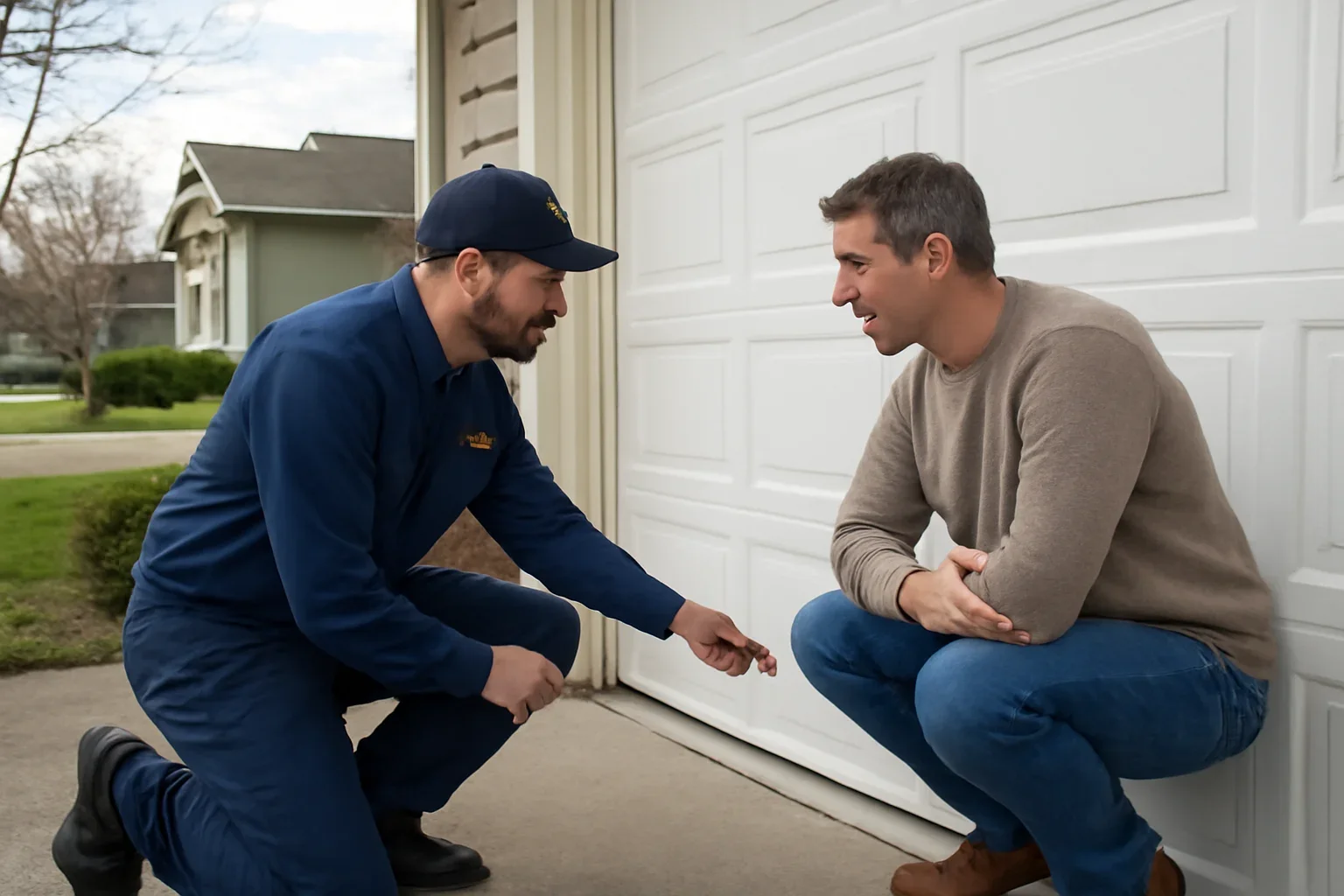
Book service when the door starts closing, reverses, clicks, flashes lights, or stops even when the opening looks clear.
Review the sensor guide for practical information about alignment, wiring, cleanliness and when service makes sense.
Review opener repair when the motor, controls, travel setting, wall button or remote behaviour may be connected.
A sensor issue can look simple, but the cause may involve dirty lenses, bumped brackets, moisture exposure, damaged wiring, opener settings, a blocked beam, door resistance or a failing sensor pair. The repair should confirm the cause before parts are replaced.
Start here when the door begins to close and then reverses, or when the sensor lights appear dim, blinking or misaligned.
Book sensor repairDetached garages and workshops can expose sensor wires and brackets to moisture, impact, pests, tools and general wear.
Read the sensor guideIf the opener flashes, clicks, strains, ignores controls or reverses at the same point, the sensor issue may overlap with opener service.
View opener repairIf the garage cannot be secured, the door is stuck open, or the issue is blocking access, request time-sensitive service guidance.
Check same-day serviceSend a short description of what happens when you press the wall button or remote. Photos of both sensors, the opener lights and the doorway can help separate sensor repair from opener or hardware issues.
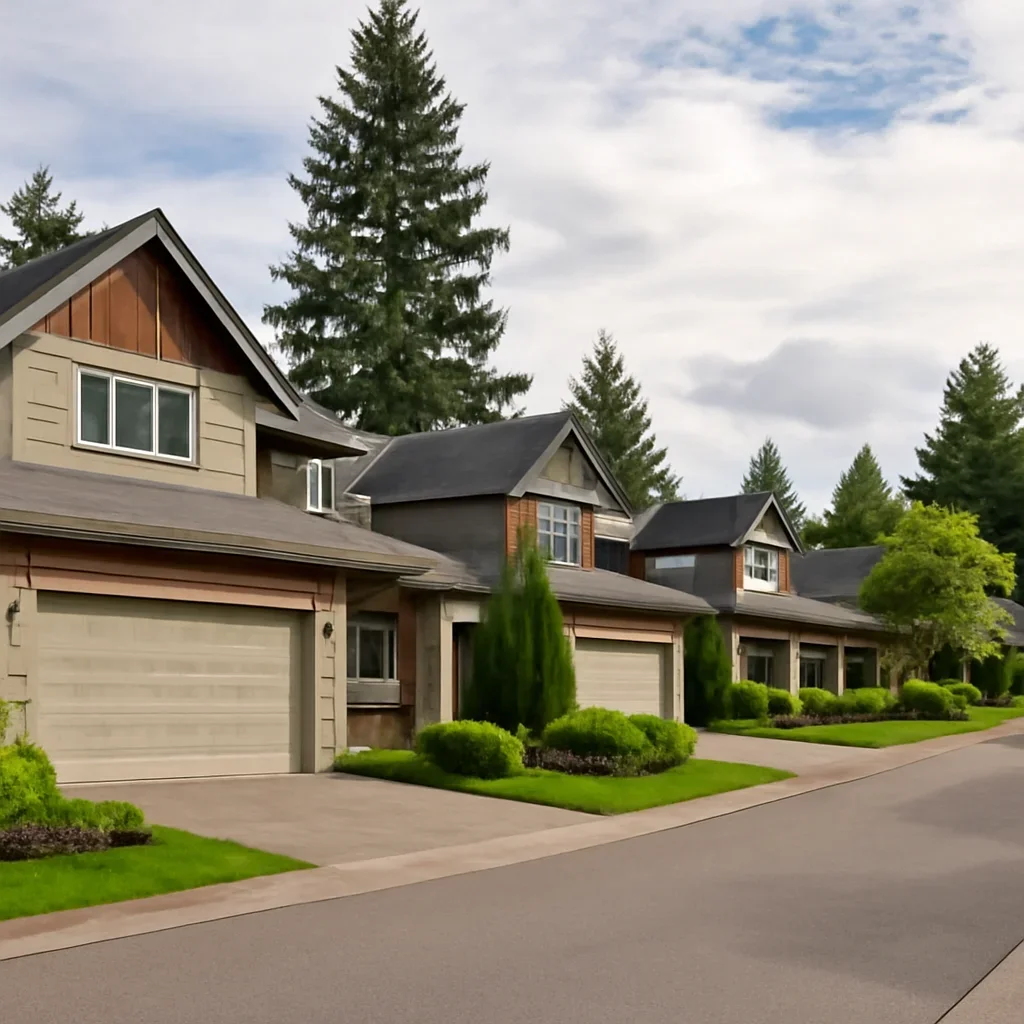
Salmon River properties can include long driveways, gravel areas, detached shops, storage garages, garden equipment areas and outbuildings where dust, moisture, tools and outdoor activity can affect low-mounted safety sensors.
A good recommendation should consider the sensor pair, wiring path, opener model, door balance and whether the door is reversing because of the sensor beam or because the door is meeting resistance in the tracks.
Include whether the garage is attached or detached, what the opener does, whether the sensor lights are solid or blinking, and whether the door closes when using the wall control. Only share what you can check safely.
Safety sensors are designed to help prevent the door from closing on an obstruction. If the system is not reading correctly, the door may refuse to close or reverse even when nothing appears to be in the way.
The door starts closing, then returns upward, often because the sensor beam is blocked, misaligned or not communicating properly.
Blinking or missing lights can point to alignment, power, wiring, bracket movement or sensor damage.
Some openers signal sensor or closing issues through light flashes, clicking sounds or repeated failed close attempts.
A sensor that works briefly and fails again may have loose wiring, shifting brackets, moisture exposure or a door movement issue.
Do not bypass, remove or disable garage door safety sensors. If the door will not close, keeps reversing, or the sensor lights will not stay steady, book service instead of forcing the system.
The goal is to confirm whether the problem is sensor alignment, wiring, opener communication, door resistance or another connected garage door issue.
Note whether the door reverses immediately, stops near the floor, only closes with the wall button held, or refuses to move at all.
Sensor lights, brackets, wiring, lens condition, opener flashes, controls and door movement should be reviewed together.
After the repair, the door should be tested for proper closing, reversing response, opener operation and safe movement.
Sensor repair may be the right path when the door moves smoothly, the opener responds normally, and the main issue is alignment, wiring, bracket position or sensor communication.
Sensor symptoms can overlap with opener, track, roller, spring, cable or door-balance issues. If the door is physically resisting movement, the repair should look beyond the sensors.
These answers help you decide whether to request sensor repair, opener repair, general garage door repair or time-sensitive service.
Sensor repair is more urgent when the door will not close, the garage is unsecured, the door reverses repeatedly, or the issue blocks access to a vehicle, workshop or storage area.
The cause may be sensor misalignment, a blocked beam, dirty lenses, wiring trouble, opener settings, track resistance or another door movement issue. The full closing cycle should be reviewed.
Yes. Low-mounted sensors can be affected by dust, moisture, cobwebs, leaves, tools, storage items or anything that blocks or weakens the sensor path.
No. Safety sensors should not be bypassed or disabled. If the door will not close because of sensor behaviour, request service so the cause can be corrected safely.
Share your Salmon River location, whether the garage is attached or detached, what happens when you press the remote or wall button, whether the sensor lights are blinking, and photos of both sensors if safe to take.
Yes. Sensor symptoms can overlap with opener logic, travel settings, control problems, wiring issues or door resistance. The opener and door movement should be checked before replacing parts.
Tell us where you are in Salmon River, whether the door is open or closed, what happens when you press the remote or wall button, and whether the sensor lights are solid, blinking or off. Photos help confirm whether the issue involves sensors, wiring, opener behaviour or door movement.