New or worsening noise
Squeaking, rattling, grinding or clicking near the sides of the door may point to dry, worn or damaged rollers.
- The sound follows the door as it moves
- One side is noticeably louder
- The noise continues after basic maintenance

A garage door that squeaks, grinds, shakes or moves unevenly may have a worn roller, but the roller is not always the only problem. We inspect the rollers, tracks, hinges, door balance and opener movement before recommending the right repair.
Request local help for cracked nylon rollers, worn bearings, loose roller stems, rough door travel or a roller that is no longer moving correctly inside the track.
Serving homeowners in Walnut Grove and the surrounding northwest Langley area.
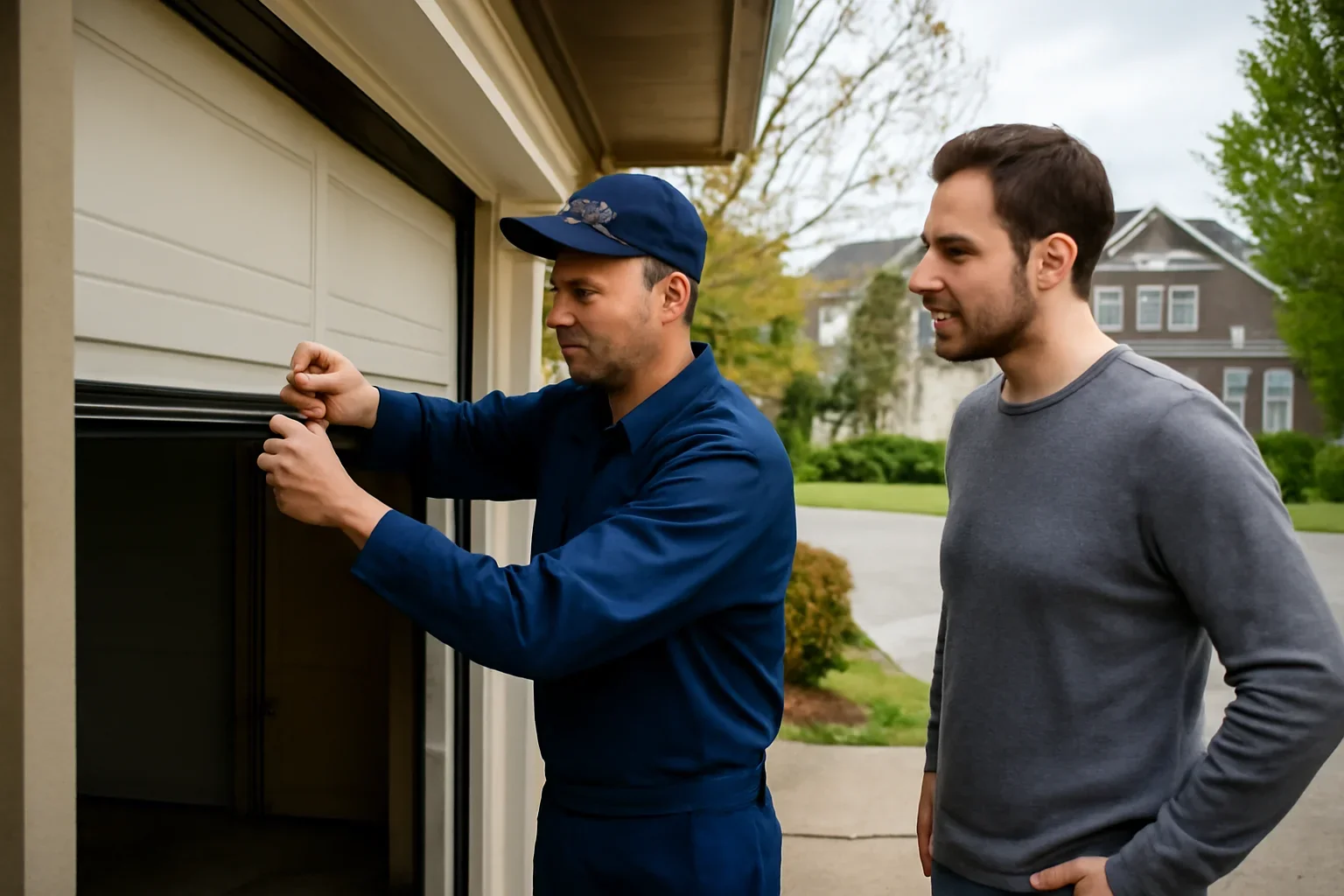
Roller problems usually become noticeable through a change in sound or movement. These signs can help you describe the issue when booking, but the full door system should still be inspected before parts are replaced.
Squeaking, rattling, grinding or clicking near the sides of the door may point to dry, worn or damaged rollers.
A roller that is binding or no longer turning smoothly can make the door shake, hesitate or move unevenly through part of its travel.
Cracked nylon, excessive side-to-side movement, a bent stem or a wheel that does not rotate properly can indicate that a roller needs attention.
Do not continue cycling the garage door if a roller has left the track, the door is hanging crooked, a cable appears loose, or the door may fall or jam. Leave the door in place and request professional service through the same-day garage door repair page.
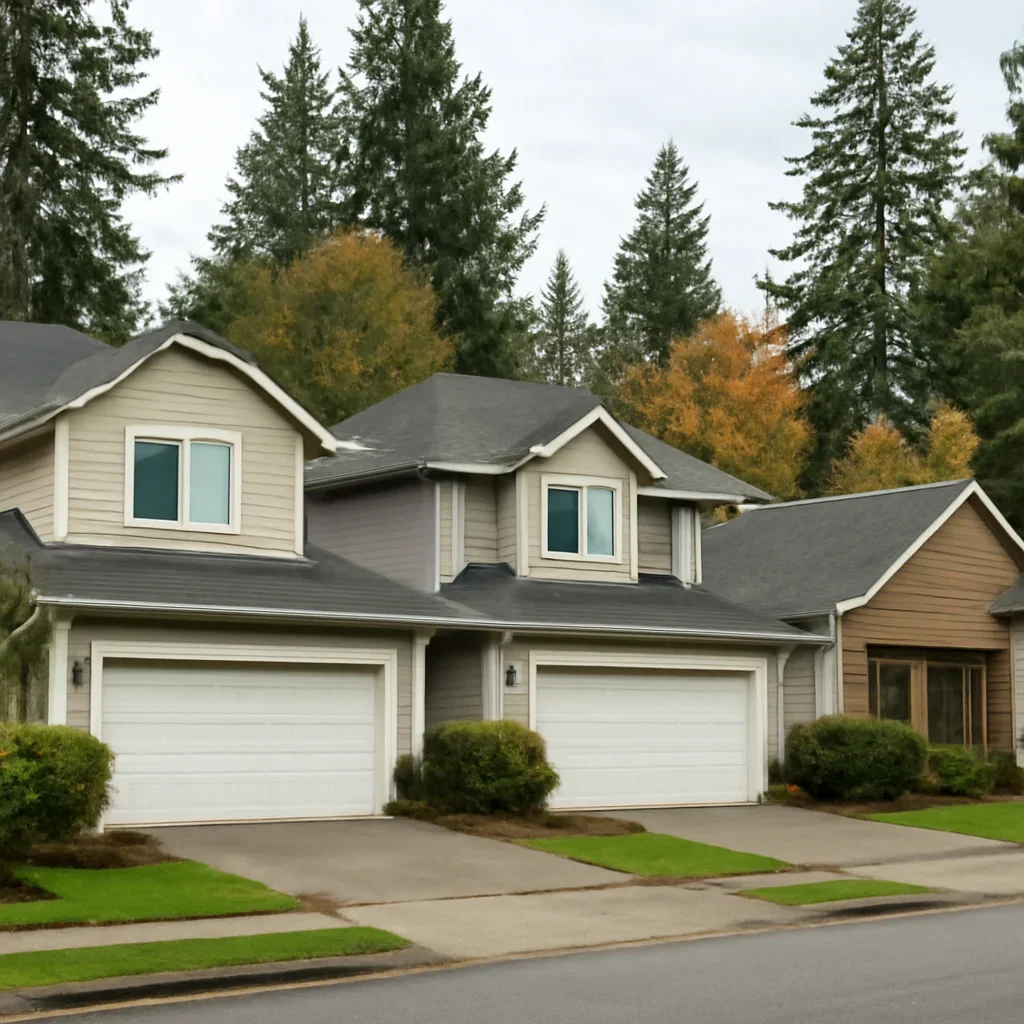
Walnut Grove is a residential community in northwest Langley, with local activity centred around Walnut Grove Drive and convenient access toward the Golden Ears Bridge. For households that rely on an attached garage for everyday entry, a rough or noisy door can quickly interrupt the normal routine.
Double-width doors and frequently used openers place repeated movement through every roller and hinge. When one roller begins to bind, the change may first sound minor but can also place additional resistance on the track and opener.
Garage door noise can travel through the door panels and metal hardware. The loudest location is not always the source, so replacing rollers without checking the rest of the system may leave the original issue unresolved.
The goal is to identify the cause of the rough movement, explain the available options and avoid replacing unrelated components.
The door is observed through its travel when it is safe to operate. Rollers, tracks, hinges, balance and opener movement are checked together.
We look for cracked wheels, worn bearings, bent stems, track interference, loose hardware and other conditions that may be creating the symptom.
You receive a practical recommendation based on the condition of the door, whether individual parts or a coordinated roller replacement is appropriate.
A minor squeak does not automatically mean the rollers have failed. Replacement is more likely when the roller is physically damaged, no longer rotates correctly or creates continued resistance after other causes are ruled out.
The rollers remain intact and turn normally, while the noise comes from dry hardware, loose fasteners, debris or another correctable adjustment.
The inspection should confirm that the tracks, hinges and door movement remain in suitable condition.
A roller is cracked, seized, badly worn, bent or unstable inside the track. Multiple rollers of similar age may also show comparable wear.
The recommendation should consider the roller condition, door weight, hardware compatibility and overall operation.
Use these pages to book roller service, review broader repair options or request help when the door cannot be used safely.
These answers cover common homeowner concerns about noise, urgency, inspection and roller replacement.
Common signs include grinding or squeaking that follows the door, visible cracking, a wheel that wobbles, a roller that does not rotate freely, or rough movement at the same point in the track. Because track, hinge and balance problems can create similar symptoms, an inspection is the most reliable way to confirm the cause.
No. Noise may come from worn hinges, loose hardware, track contact, door balance, the opener or another moving component. The complete system should be checked before assuming that every roller needs replacement.
Treat the problem as urgent when a roller has left the track, the door is hanging unevenly, the door may fall, a cable appears loose, or the opening cannot be secured. Stop using the door and request service rather than repeatedly testing it.
Yes. A binding or damaged roller can add resistance while the opener moves the door. Continued use may increase strain on the opener and other door hardware, especially when the door is already difficult to move.
It depends on their condition, age, compatibility and the cause of the problem. If one roller was physically damaged, an individual repair may be possible. If several matching rollers show similar wear, a coordinated replacement may provide more consistent movement.
Include your Walnut Grove location, the sound or movement you noticed, whether the door is open or closed, and whether a roller appears damaged or out of position. Photos can also help clarify the service request before the visit.
Tell us what the door is doing, where you are in Walnut Grove and whether the issue is routine or urgent. We can use those details to determine the appropriate next step.