Daylight beneath the door
Light showing under a closed garage door often indicates a compressed bottom seal, an uneven floor or a door that is not sitting level.
Replace a cracked, flattened or missing garage door seal before drafts, rain, dirt and insects continue entering around the opening.
We assess the bottom seal, side and top weatherstripping, door alignment and garage floor contact. This helps determine whether a new seal will close the gap or whether the door needs another adjustment first.
For residential garage doors in Walnut Grove and the surrounding northwest Langley area.
Weatherstripping should make consistent contact without folding, pulling away or leaving large open sections. Replacement may be appropriate when the material no longer closes the opening effectively.
Light showing under a closed garage door often indicates a compressed bottom seal, an uneven floor or a door that is not sitting level.
A failed seal can allow cold air, wind-driven moisture, leaves and fine debris to enter around the garage door opening.
Rubber and vinyl weatherstripping can harden, split, flatten or pull out of its retainer as it ages and moves against the opening.
A damaged weather seal is usually a maintenance issue rather than an emergency. Request more urgent help when the door will not close, has come off its track, is hanging unevenly or cannot secure the garage. Review the same-day garage door repair options for those situations.

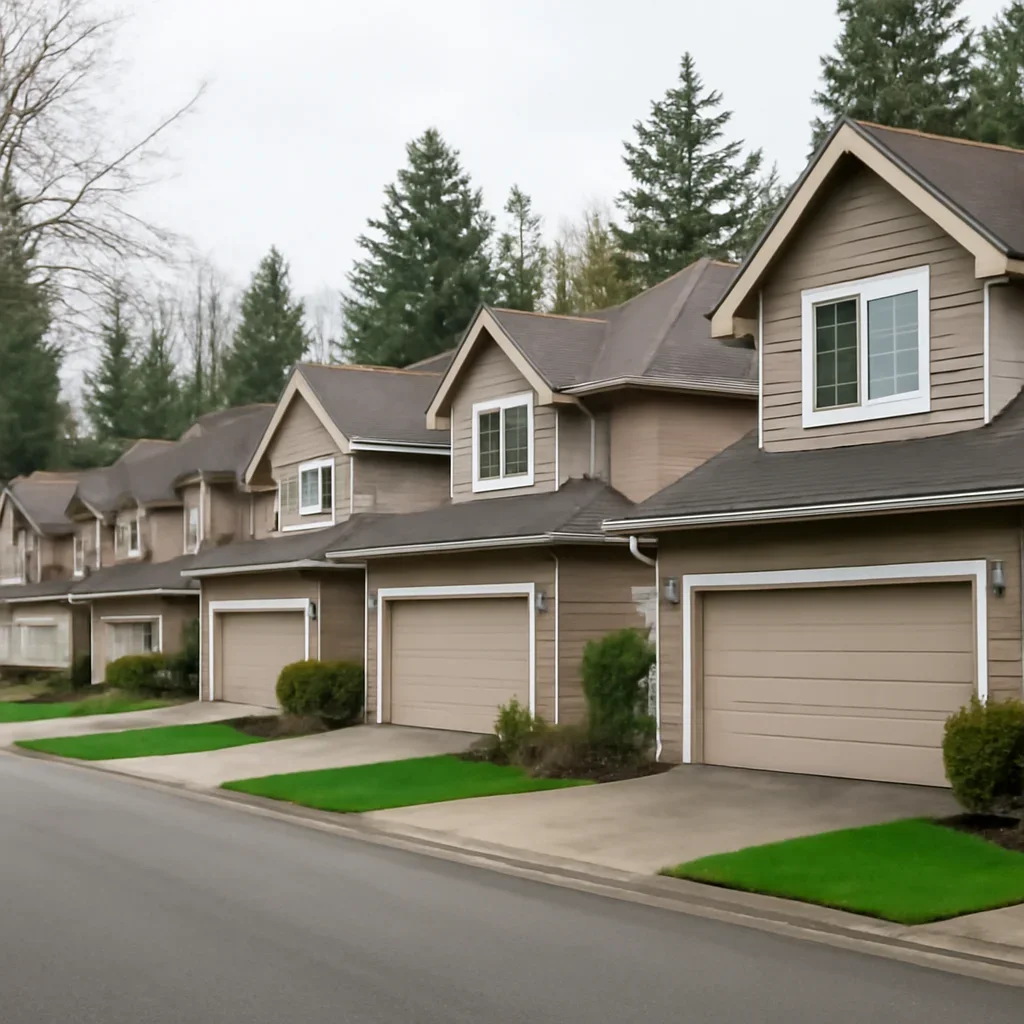
Walnut Grove is a residential neighbourhood in northwest Langley. For garages used for parking, household storage or regular family entry, an open gap can affect more than appearance.
Rainy conditions can expose weak points along the bottom corners and perimeter of the door. Debris may also collect where a compressed seal no longer meets the concrete evenly.
Replacing weatherstripping without checking the opening can leave the same gap behind. The condition of the door, retainer, floor and perimeter should be considered together.
The existing seal profile and the channel holding it in place help determine which replacement material will fit the door.
Perimeter trim should make light contact with the outside face of the closed door without binding against it.
The service should match the replacement material to the existing door and the actual shape of the opening.
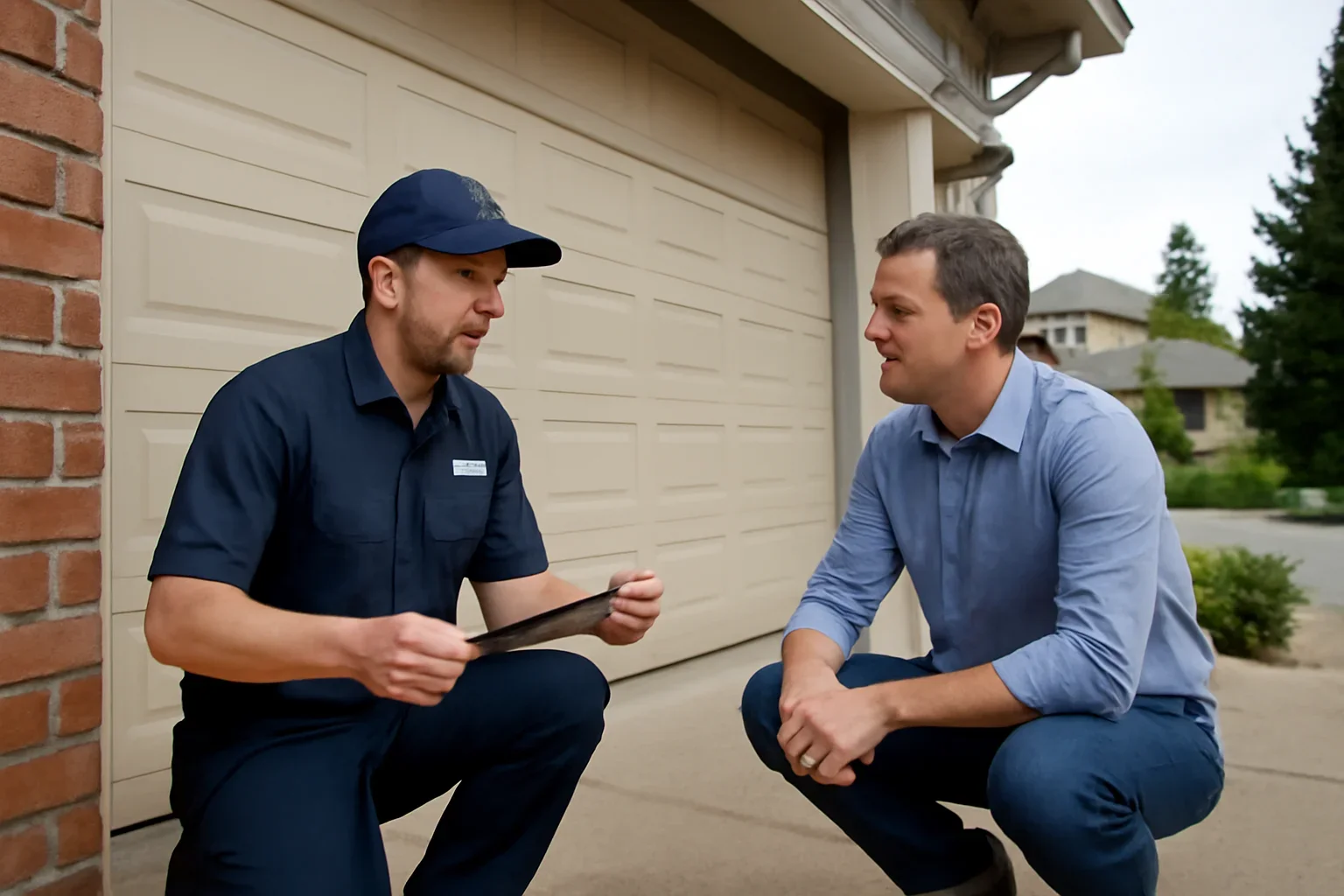
The closed door is checked for daylight, corner gaps, uneven contact, damaged trim and signs that the door is not sitting correctly.
The door width, retainer shape, existing seal and amount of compression needed are reviewed before choosing replacement material.
The new weatherstripping is fitted and the closed door is checked to confirm that the seal makes suitable contact across the opening.
A replacement seal can close ordinary perimeter gaps, but it cannot correct every source of water, air or daylight around a garage door.
Cracked or missing bottom rubber, flattened vinyl, loose side trim, ordinary daylight gaps, minor drafts and debris entering directly through the door perimeter.
It may also improve contact over small variations in the floor when the correct seal profile is selected.
The door is crooked, the track is misaligned, the bottom retainer is damaged, the concrete has a large low area or water is flowing toward the garage from the driveway.
In those cases, installing thicker weatherstripping alone may not resolve the underlying issue.
A weather seal may be one part of a larger door issue. Use these pages when the door also has movement, alignment, opener or security concerns.
These answers explain seal types, water gaps, replacement timing and what information helps before service.
Replacement may be appropriate when the material is cracked, hard, flattened, torn, missing or pulling out of its retainer. Daylight, drafts and debris beneath a closed door are also common warning signs, although the floor and door alignment should be checked too.
It can reduce water entering directly through ordinary gaps beneath or around the door. It may not stop water caused by driveway slope, drainage problems, deep concrete depressions or a garage door that is not closing evenly.
Yes. Weatherstripping can be installed around the top and side edges when the existing trim is cracked, loose, hardened or no longer making suitable contact with the closed door.
No. Doors may use different seal shapes and retainer channels. The door width, existing retainer and required amount of compression should be confirmed before replacement material is selected.
A deeper or more flexible seal may accommodate minor floor variation. It is not a reliable fix for a large low area, damaged concrete or an incorrectly aligned door. The opening should be inspected before choosing a thicker seal.
Include your Walnut Grove location, the approximate door width, where the gap appears and whether the problem involves the bottom, sides or top. Photos of the closed door from inside and outside can help show daylight, damaged material and floor contact.
Closing perimeter gaps can reduce drafts and outside air movement. The overall temperature also depends on the garage door construction, insulation, walls, ceiling and other openings in the space.
Include the location of the gap, the approximate garage door width and whether you can see cracked or missing material. Photos of the closed door can help identify the likely seal and service requirements.