One side hangs lower
The bottom edge may look crooked, or one side may rise ahead of the other when the opener starts.

Is your garage door hanging unevenly, stopping after a few inches or showing a loose, frayed or displaced cable? A cable problem can leave the door unbalanced and place extra strain on the tracks, rollers, springs and garage door opener.
We help Willoughby homeowners arrange an assessment for snapped, slipped, frayed and uneven garage door cables. The complete lifting system should be checked before deciding whether the problem requires cable replacement, drum correction, spring service or attention to another connected component.
Service requests are available for detached homes, row homes and townhouse garages throughout Willoughby. Scheduling depends on the address, urgency, access and required parts.
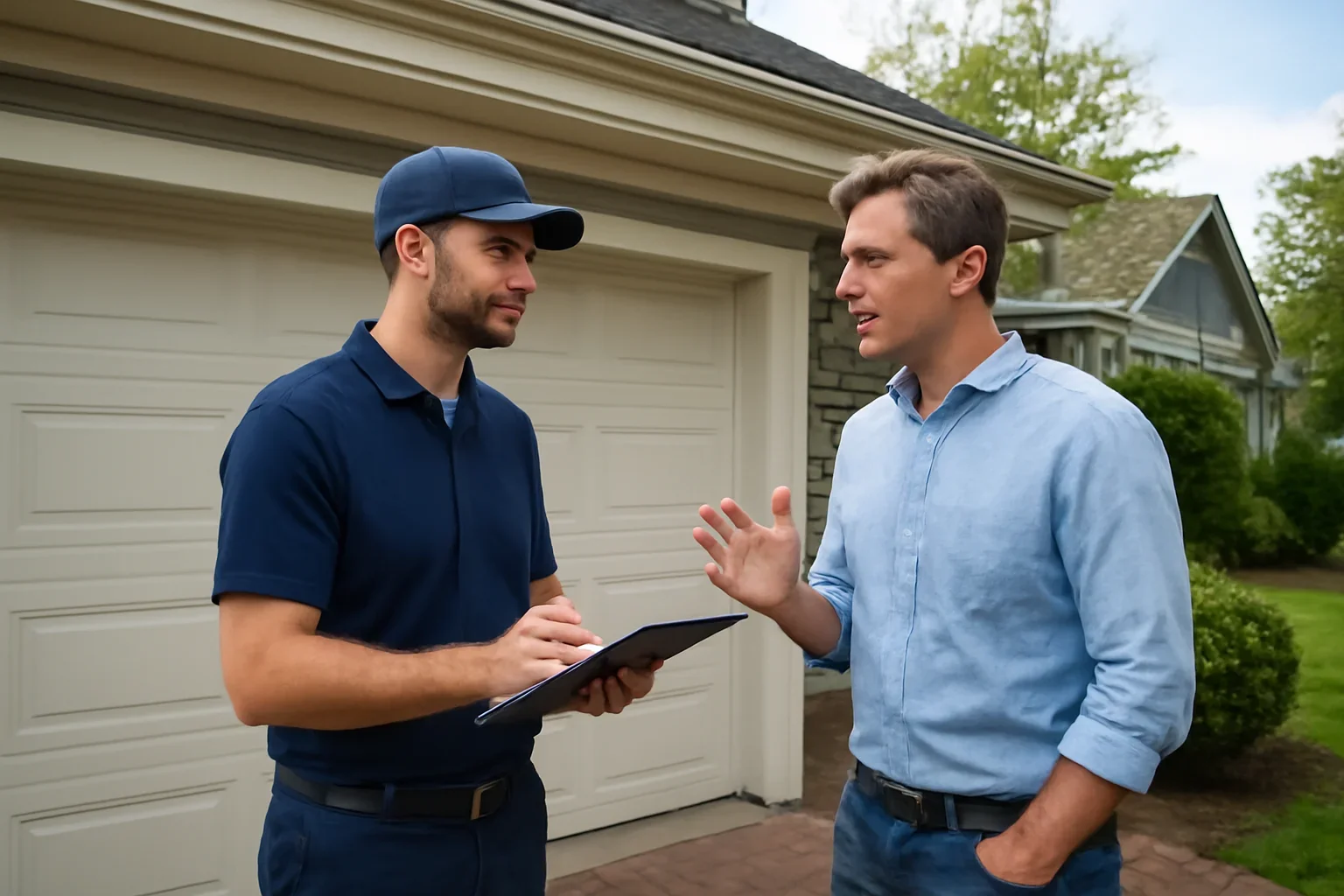
Continued use can pull the door farther out of position and add strain to the remaining cable, tracks, rollers and opener.
It may move briefly, but it should not be operated. The remaining cable may be carrying more load than intended, causing the door to lift unevenly, jam in the tracks or become unstable. The cables, drums, springs, rollers, brackets and door balance should be inspected before the system returns to normal use.
Cable problems usually affect the position, balance or movement of the door. Similar symptoms can also involve springs, drums, tracks or rollers, so the complete lifting system should be considered.
The bottom edge may look crooked, or one side may rise ahead of the other when the opener starts.
Individual strands may be separating, the cable may look slack or it may no longer sit correctly around the drum.
The opener may start lifting but stop when the door becomes crooked, heavy or restricted in the tracks.
A sudden sound followed by uneven movement, a hanging cable or a door that will not lift may indicate a cable or spring failure.
Garage door cables work with the spring system to control a heavy moving door. A loose cable does not mean the system is free of tension, and nearby components may shift unexpectedly.
Willoughby-Willowbrook is one of the Township of Langley’s growing residential areas, with newer neighbourhoods, detached homes, row homes, townhouses, parks, shopping areas and activity around the Langley Events Centre.
Many local garages are used as a regular household entrance rather than only for vehicle storage. Daily commuting, school schedules, deliveries and family routines can place frequent cycles on the garage door lifting system.
Newer construction does not prevent cable trouble. A cable can become damaged or displaced because of uneven spring tension, drum position, impact, track resistance, installation issues or another component affecting the door’s balance.
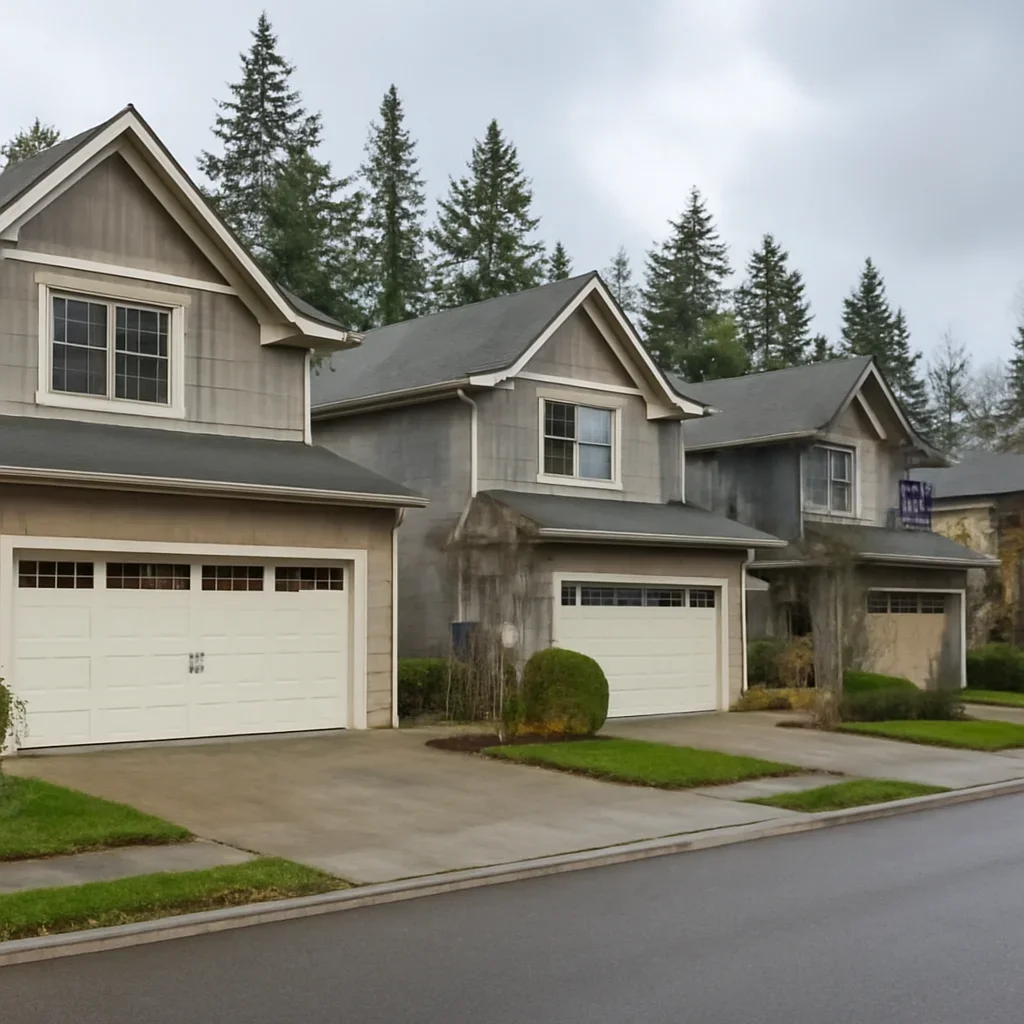
Replacing the visible cable may not solve the problem when spring balance, drum position, track resistance or worn hardware caused the cable to slip or fail.
Check both lifting cables for broken strands, corrosion, slack, incorrect routing, drum position and signs of uneven wear.
Review whether the spring system is supporting the door evenly or contributing to excessive load on one side.
Inspect the drums, lower brackets, rollers and attachment points for movement, wear, damage or incorrect positioning.
Determine whether track resistance, poor alignment or opener strain contributed to the cable moving out of position.
A cable can come off its drum when the door meets an obstruction, moves unevenly, has poor spring balance or is forced while partially open. The cause should be corrected before normal operation resumes. Broader door concerns can be reviewed through the garage door repair service.
Fraying, corrosion, stretching, a complete break or a cable that has slipped off the drum can lead to different repair requirements.
Both sides should be checked for comparable wear and proper operation rather than assuming only the visibly damaged side matters.
Cable dimensions, drum compatibility, spring balance and the existing door configuration affect which parts and adjustments are appropriate.
A tilted or dropped door may also damage rollers, tracks, brackets, hinges or panels and increase the required service scope.
The cables and springs work together. A spring problem can make the door unusually heavy and contribute to uneven cable loading.
Track, roller and bracket damage should be reviewed before the door is repositioned and returned to normal operation.
A motor that continues pushing against an uneven or restricted door may also require assessment through garage door opener repair .
When cables, rollers, springs and other hardware are deteriorating together, compare the immediate repair with longer-term reliability.
You do not need to touch the cable or diagnose the system. Share what you can observe safely from outside the door’s movement path.
Clear overview photos may help explain the situation, but do not stand beneath the door, move the cable or enter an unsafe area to obtain a closer image.
Do not attempt to move the door, reconnect the cable or remove hardware for a better photo. A safe overview is more useful than a close image that requires contact with the lifting system.
The process should begin with the symptoms, assess the connected lifting components and finish with controlled movement and balance checks.
Explain the door position, visible cable condition, sounds and whether access or security is affected.
Review both cables, springs, drums, brackets, rollers, tracks and the opener before confirming the cause.
Explain which components require service and whether related wear or damage changes the recommended work.
Check cable position, balance, track movement and opener operation before the door returns to regular use.
Cable symptoms can overlap with spring, track, roller, opener and general door-movement problems. These pages provide useful next steps.
These answers explain common cable symptoms, safety concerns and the information that helps when arranging a service assessment.
A cable may have broken, stretched, slipped off its drum or lost tension. Uneven spring operation, a damaged drum, track resistance or another lifting-system problem can produce a similar symptom. Stop operating the door and arrange an assessment.
Do not operate an uneven or unstable garage door. The remaining cable and other components may be carrying an uneven load, and the door could jam, shift or leave the tracks.
Yes. The second cable may show comparable age, corrosion or wear even when only one side has visibly failed. Both sides and the connected spring and drum system should be reviewed.
A cable may leave its drum when the door becomes uneven, meets an obstruction, is operated with poor spring balance or moves through a damaged or restricted track. The underlying cause should be found before normal use resumes.
Not always. A cable can fail independently, but a spring, drum, roller or balance problem may have contributed. The complete lifting system should be checked before identifying the required work.
The opener may attempt to move the door, but it is not designed to correct an unbalanced lifting system. Continued use can strain the motor and cause the door to tilt or bind.
The situation is more urgent when the door is hanging unevenly, partly open, blocking a vehicle, unable to secure the garage or showing a loose cable near an occupied area. Same-day availability depends on scheduling, location and the nature of the problem.
Include your Willoughby address, whether the door is open or closed, what the cable looks like, whether the door is uneven, whether the opener responds and whether access or property security is affected.
Townhouse service may require visitor parking, gate entry, clearance around the garage and coordination with strata or property management. Include those details when submitting the service request.
Tell us where the property is located, whether the door is open or closed, what the cable and door are doing and whether a vehicle, normal access or garage security is affected. You do not need to touch the cable or identify the exact failure yourself.