The door starts down and reverses
The sensor beam may be interrupted or the opener may be detecting resistance, incorrect travel or another closing problem.

Book sensor repair when your garage door starts down and reverses, refuses to close normally, shows blinking sensor lights or responds only when the wall button is held. The cause may involve alignment, dirty lenses, shifted brackets, damaged wiring, opener settings or resistance elsewhere in the door system.
Willoughby garages often serve as daily entrances and busy storage spaces. In townhomes, rear-lane homes and attached garages, bins, sports equipment, bikes, shelving and routine family traffic can affect the low-mounted sensor area. A useful diagnosis checks the sensors and confirms that the door itself is moving safely.
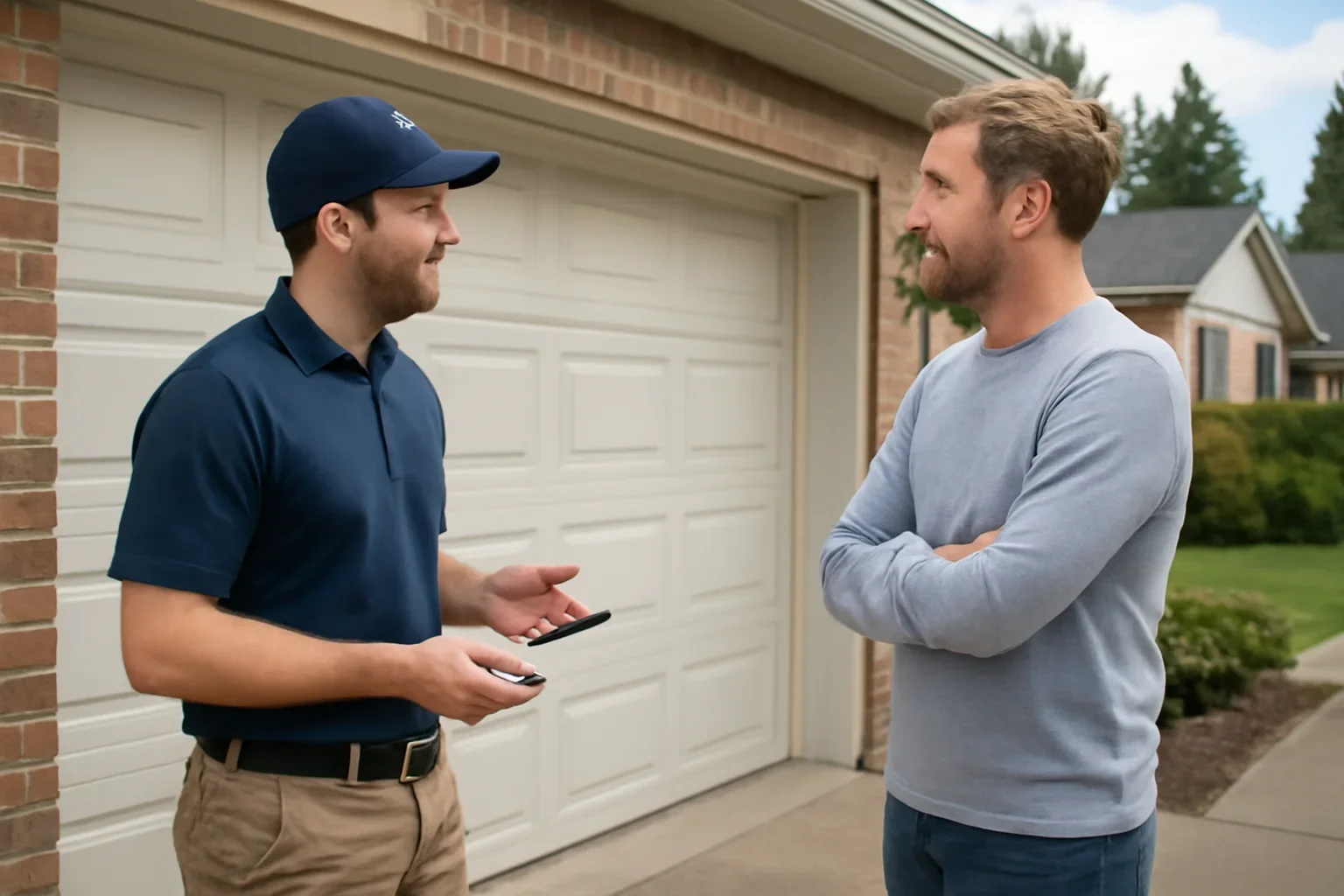
Safety sensors sit near the bottom of the tracks and communicate with the opener during closing. A sensor symptom can also be caused by wiring, controls, settings or a mechanical door problem, so the complete closing cycle matters.
The sensor beam may be interrupted or the opener may be detecting resistance, incorrect travel or another closing problem.
Blinking may point to misalignment, a loose bracket, wiring trouble, obstruction or a fault recognized by the opener.
Power, wire connections, damaged cable, sensor condition or the opener control circuit may need review.
Some systems respond this way when normal sensor confirmation is missing. It should not be treated as a permanent workaround.
Vibration, a loose mount, damaged wire, changing obstruction or intermittent connection may affect sensor reliability.
Bikes, bins, tools, tires and stored items can shift low-mounted brackets or place pressure on exposed wiring.
Unreliable closing may involve the sensors, opener settings, track resistance, poor balance or more than one condition.
Storage changes, track work, cleaning, impact or opener service may have altered bracket position, wiring or the sensor path.
You do not need to realign wiring, remove covers or change opener settings. These observations can make the service request more useful.
Move boxes, bins, tools and other stored items away from the opening without touching the tracks or wiring.
Note whether each light is steady, blinking, dim or completely off.
From a safe position, note whether the lenses are dusty, marked or wet. Do not apply sprays or lubricants.
Explain how far the door travels, whether lights flash and whether the problem occurs every time.
The sensors are one part of the closing system. A reliable repair should confirm their condition and rule out other reasons for reversal or incomplete closing.
The visible sensor may be intact even when the problem begins in its bracket, wire, opener connection or the door’s closing movement.
A bracket can be bumped or loosened so the two sensors no longer maintain a reliable line across the opening.
Stored items, debris, dust or moisture can interrupt the beam or reduce reliable sensor response.
Bent, loose or unstable mounts can allow the sensor position to change as the garage is used.
Pinched, cut, pulled, loose or deteriorated low-voltage wiring can interrupt power or communication.
The sensor may be working while the opener board, connections, travel or force settings create a similar symptom.
Track issues, rollers, poor balance or incorrect closing contact may cause reversal even when the sensor beam is clear.
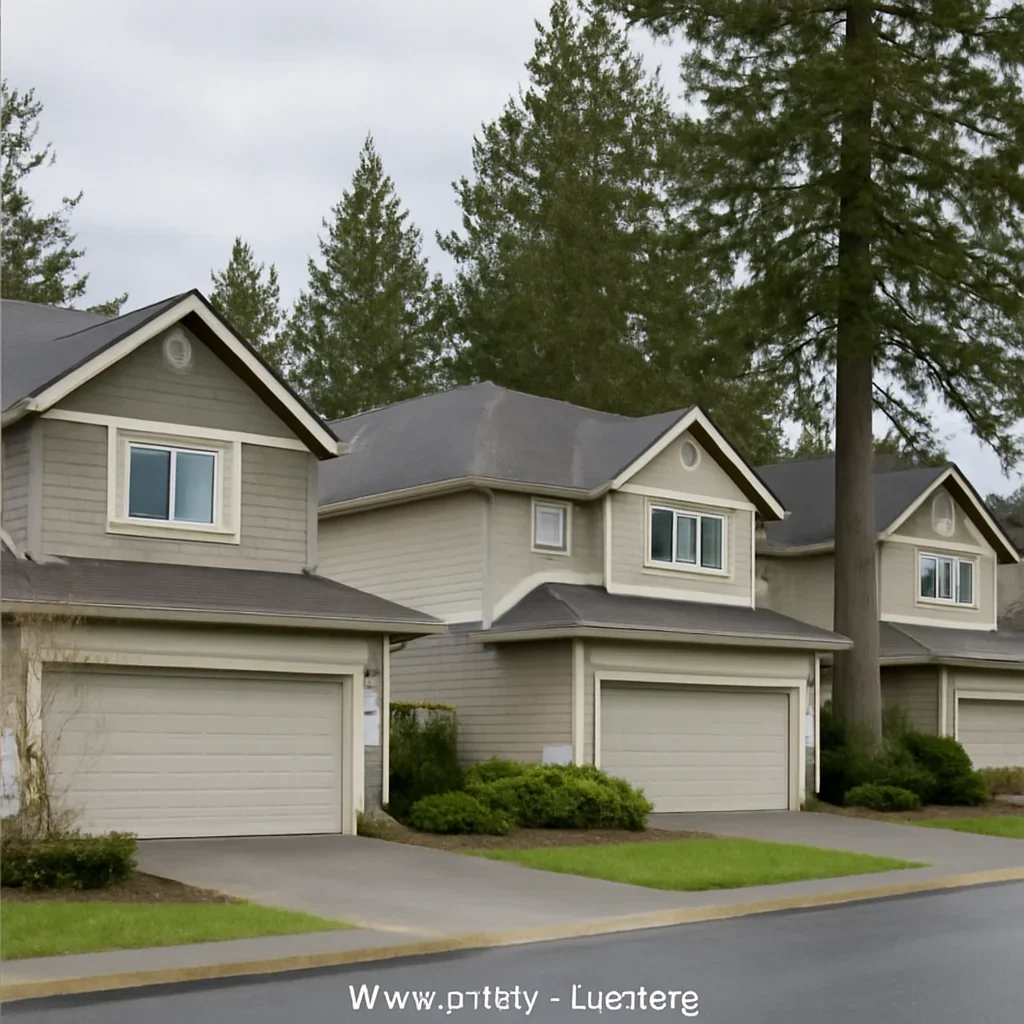
Willoughby includes established and growing neighbourhoods such as Yorkson, Smith, Williams and Gordon, along with the active 200 Street corridor. The area includes detached homes, townhomes and multi-family properties, so garage layouts and access conditions vary from one address to another.
In rear-lane homes and townhome developments, the service approach may need to account for narrow lane access, shared driveways, visitor parking, gates and limited space around the tracks. Mention the nearest major intersection, unit number and any strata instructions when booking.
For storage-heavy garages: note whether recycling bins, bikes, sports gear, tires, shelving or seasonal items sit close to either sensor. Even when the path looks clear, a bracket or wire may have been shifted by regular use.
For attached garages: tell us whether the door is the household’s main daily entrance and whether the closing problem is affecting vehicle access, security or the ability to leave the door unattended.
The goal is to restore dependable closing and confirm that the safety response works under normal operating conditions.
Observe the door position, indicator lights, opener response, stopping point and reversal pattern.
Review lenses, brackets, height, alignment, fasteners, wiring and the clear path between them.
Review opener diagnostics, travel, force, tracks, rollers, balance and closing contact as needed.
Correct the confirmed problem and test normal closing, reversal and repeated full operating cycles.
Sensor replacement is not the right answer when the closing fault actually comes from the opener, tracks, balance or damaged hardware.
Closing problems can overlap with opener controls, settings, balance and urgent access concerns. These pages help narrow down the next step.
Use this support guide for reversal, stoppage or incomplete closing when the exact cause is not yet clear.
Review closing troubleshootingChoose opener repair when the motor, rail, trolley, controls, settings or receiver may be involved.
Review opener repairA balance or mechanical problem can cause stopping and reversal that appears to be sensor-related.
Review balance adjustmentCheck availability when the door cannot close, the property cannot be secured or normal garage use is disrupted.
Check same-day repairRegular review can include sensor alignment, wiring, opener response, balance, hardware and closing behaviour.
Review garage door maintenanceSend the Willoughby location, sensor light behaviour, current door position and safe photos of both sensor areas.
Contact the service teamCost can depend on whether the work involves alignment, brackets, wiring, replacement sensors, opener controls or a broader door repair.
Request an estimate when sensor service is part of a larger opener upgrade, replacement or property improvement project.
These direct answers help explain closing reversal, indicator lights, safe checks and the information worth sharing before service.
The opener may be responding to a blocked or misaligned sensor, damaged wiring, an unstable bracket, incorrect travel or force, track resistance, poor balance or another obstruction. The sensors and complete closing movement should be checked together.
Blinking can indicate that the two sensors are not maintaining alignment, the beam is blocked, wiring is damaged or the opener has detected a sensor-related fault. Indicator patterns differ by opener, so the manufacturer and model are useful details.
You can visually check for dust or marks and gently wipe an accessible lens with a clean, dry, soft cloth when the door is stationary and the area is safe. Do not use lubricant, harsh cleaners or spray liquid onto the sensor or wiring.
Some opener systems allow this behaviour when normal safety-sensor confirmation is missing. It may point to alignment, wiring, power or sensor failure and should not be used as a permanent way to bypass the problem.
Bright light, moisture, dirt or an object crossing the beam can affect some systems. Stored bins, bikes, sports gear and shelving can also bump brackets or wiring even when the beam later appears clear.
No. The opener may reverse because of track resistance, poor balance, damaged rollers, incorrect settings, floor contact or other mechanical conditions. Replacing sensors without checking the full door may leave the real cause unresolved.
Share your address or nearest intersection, opener brand and model, whether each sensor light is steady or blinking, how far the door travels, whether the wall control must be held and safe photos of both sensor areas.
Availability can depend on the address, schedule, problem scope and required parts. Explain when the door cannot close, the garage cannot be secured or the issue is blocking normal access so the request can be reviewed appropriately.
Include your Willoughby location, opener brand, current door position, sensor light behaviour, stopping or reversal point, recent impact or storage changes and photos taken from a safe position.