Squeaking or grinding
Repeated squeaking, grinding or scraping near the sides of the door may point to worn wheels, rough bearings or track contact.

Get help with garage door rollers that squeak, grind, wobble, seize or cause the door to shake and move roughly through its tracks.
A roller problem may begin as extra noise and gradually develop into resistance, vibration or uneven movement. Because the rollers work with the tracks, hinges, cables, springs and opener, the complete moving system should be checked before the repair is confirmed.
Willowbrook includes townhomes, strata developments, mixed-use properties and attached garages near busy local routes. Quiet, dependable operation can be especially important where a garage is close to bedrooms, shared walls, parking lanes or a regular household entrance.
When booking, mention where the sound occurs, whether the door shakes, and whether it is currently open, closed or partway.
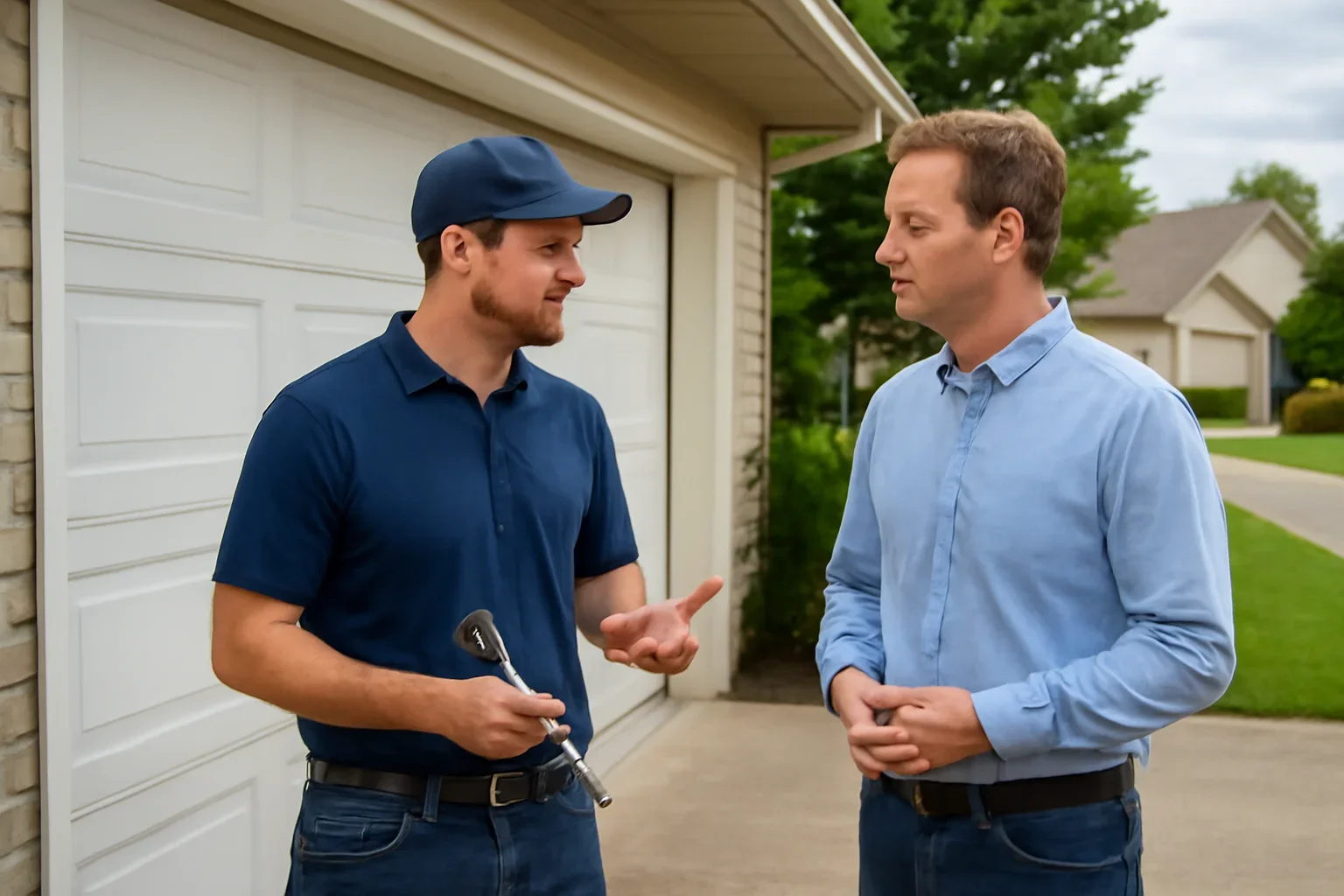
Roller wear is not always obvious from the driveway. Changes in sound, vibration and door travel are often the first signs of a developing problem.
Repeated squeaking, grinding or scraping near the sides of the door may point to worn wheels, rough bearings or track contact.
The door may hesitate, shake or appear to jump as the rollers move between the vertical and curved sections of the tracks.
A roller that tilts, shifts sideways or no longer turns smoothly may not be supporting and guiding the door correctly.
Marks along the track or roller stem can indicate misalignment, damaged hardware or a wheel that is no longer following its path.
Worn rollers, hinges or loose hardware can transfer extra sound into rooms above or beside an attached garage.
A displaced roller can leave the door crooked or unstable. Stop using the opener and keep people and vehicles away.
Describe where the sound seems to come from, how the door moves and whether the problem happens while opening, closing or both.
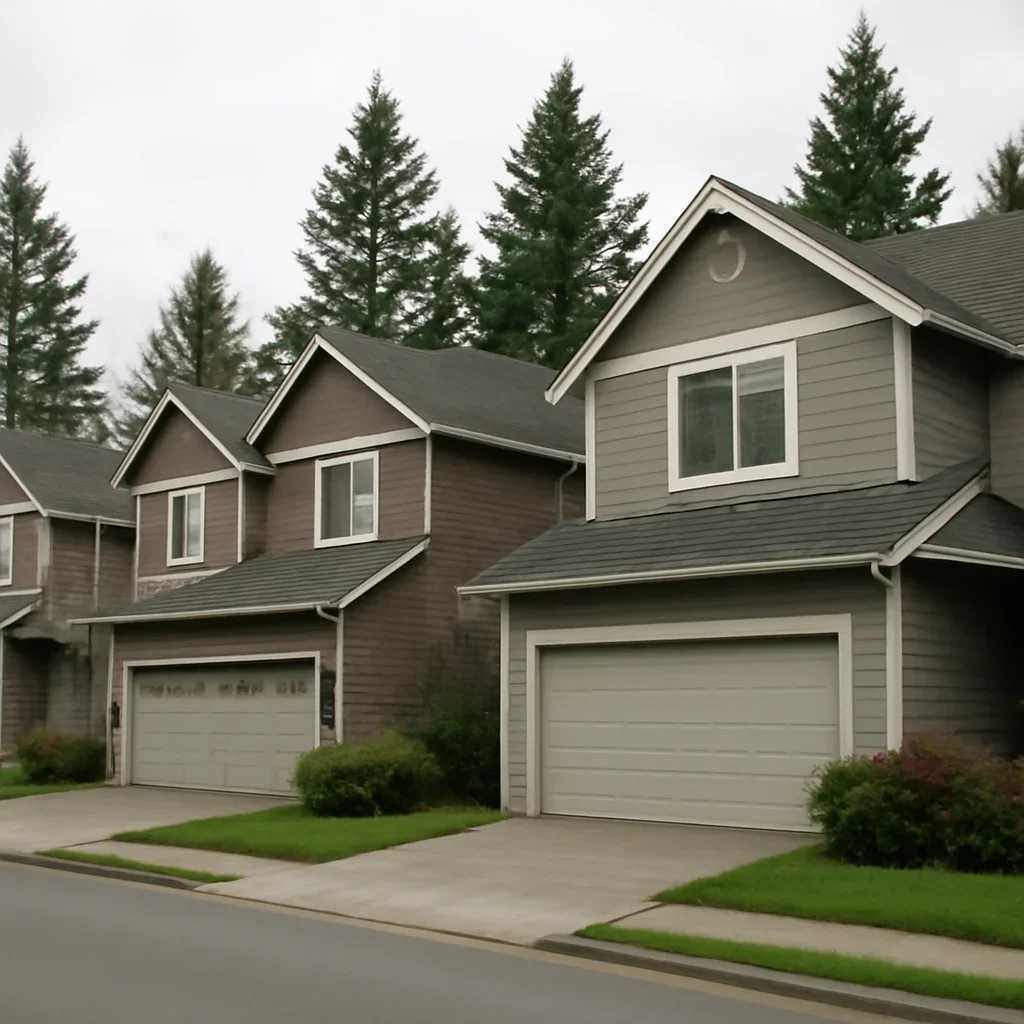
Willowbrook sits near the western edge of the Township of Langley, beside Langley City and Surrey. The area includes multi-family housing, commercial properties, mixed-use development and active transportation corridors.
Garage layouts can range from private attached garages to compact townhome bays and strata parking areas with shared drive aisles. Frequent use, limited working space and rooms close to the garage can make rough movement and roller noise more noticeable.
Replacing one visible roller may not correct the problem if track alignment, hinges, door balance or opener strain also contributed to the symptoms.
Each roller should turn freely, remain stable in its hinge and match the track and door configuration.
Rollers should pass through the vertical, curved and horizontal track sections without rubbing or binding.
A loose or damaged hinge can allow excessive roller movement even when the wheel itself remains usable.
A heavy or uneven door can place additional pressure on rollers, tracks and the opener during every operating cycle.
The opener should move a properly operating door rather than force damaged rollers through the tracks.
The appropriate scope depends on whether wear is isolated or present across several roller positions.
Some lower fixtures connect to garage door cables under substantial tension. Do not loosen lower brackets, cables or springs. Keep clear of a crooked door or a roller that has left the track.
The goal is to correct the source of rough travel rather than temporarily reduce the sound while a connected problem remains.
Note when the noise or resistance occurs, how the door moves and whether the condition has recently become worse.
Review the rollers, tracks, hinges, brackets, door balance and opener interaction before confirming the cause.
Determine whether the problem is limited to one or more rollers or whether related alignment and hardware work is required.
Use suitable components and correct connected conditions included in the agreed service scope.
Operate the door through complete cycles to check for remaining rubbing, shaking, noise or uneven movement.
Identify track, hinge, balance or opener concerns that should be monitored or addressed separately.
The number and condition of the rollers, track alignment, hinge damage, door size, door weight, property access and whether the door has become unstable can all affect the required work.
The visible symptom may involve more than one component. Use the broader repair or urgent-service path when the door is unstable, inaccessible or showing several problems at once.
Use these pages to review local coverage, broader repair information and urgent service options before submitting the request.
Review garage door service information for residential, strata and mixed-use properties throughout Willowbrook.
Browse Willowbrook servicesStart here when the rollers, tracks, hinges, springs, cables or opener may all be contributing to the problem.
Review garage door repairCheck availability when the door is off track, trapping a vehicle, blocking access or leaving the garage unsecured.
Review same-day repairUse the contact page to describe the noise, door movement, Willowbrook property type and preferred timing before booking.
These answers explain common roller symptoms, urgency, connected hardware and what information helps before service.
Common signs include squeaking, grinding, wobbling, shaking, rough travel and wheels that no longer turn freely. Tracks, hinges and door balance can create similar symptoms, so the moving system should be assessed together.
No. Noise can also come from hinges, tracks, loose hardware, door balance or the opener. The location and timing of the sound help narrow down the likely source.
It becomes more urgent when a roller leaves the track, the door hangs crooked, movement becomes uncontrolled, a vehicle is trapped or the garage can no longer be secured.
Yes. A roller that binds or moves incorrectly can increase resistance and place additional demand on hinges, tracks, the opener and other supporting hardware.
Not automatically. The decision depends on the age, condition and compatibility of the complete roller set and whether the wear is isolated or widespread.
Suitable rollers may reduce one source of noise, but overall sound also depends on the hinges, tracks, opener, door balance and how vibration transfers into the building.
Continued operation may increase track or hardware damage. Limit use when movement becomes rough, and stop operating the system if the door is crooked, binding or partly outside the track.
Include the Willowbrook address, property type, current door position, where the noise occurs, whether the door shakes or hangs unevenly, access instructions and safe photos of visible damage.
Share the property location, door position, sound, visible roller condition and whether the door is shaking, binding or leaving the track. You do not need to diagnose the failed part before booking.