Daylight is visible
Light under a corner or along an edge can point to a compressed seal, uneven floor, door-level issue or side-weatherstrip gap.

Replace cracked, flattened, loose or missing garage door seals that allow light, drafts, dust, leaves, insects or minor moisture into the garage. The right service starts by identifying whether the gap is at the bottom, sides or top—and whether the seal or the door position is actually causing it.
Willowbrook properties include detached homes, townhomes and managed residential buildings near busy commercial and transportation corridors. Garage use, floor condition, drainage, storage and strata requirements can all affect the correct sealing approach.
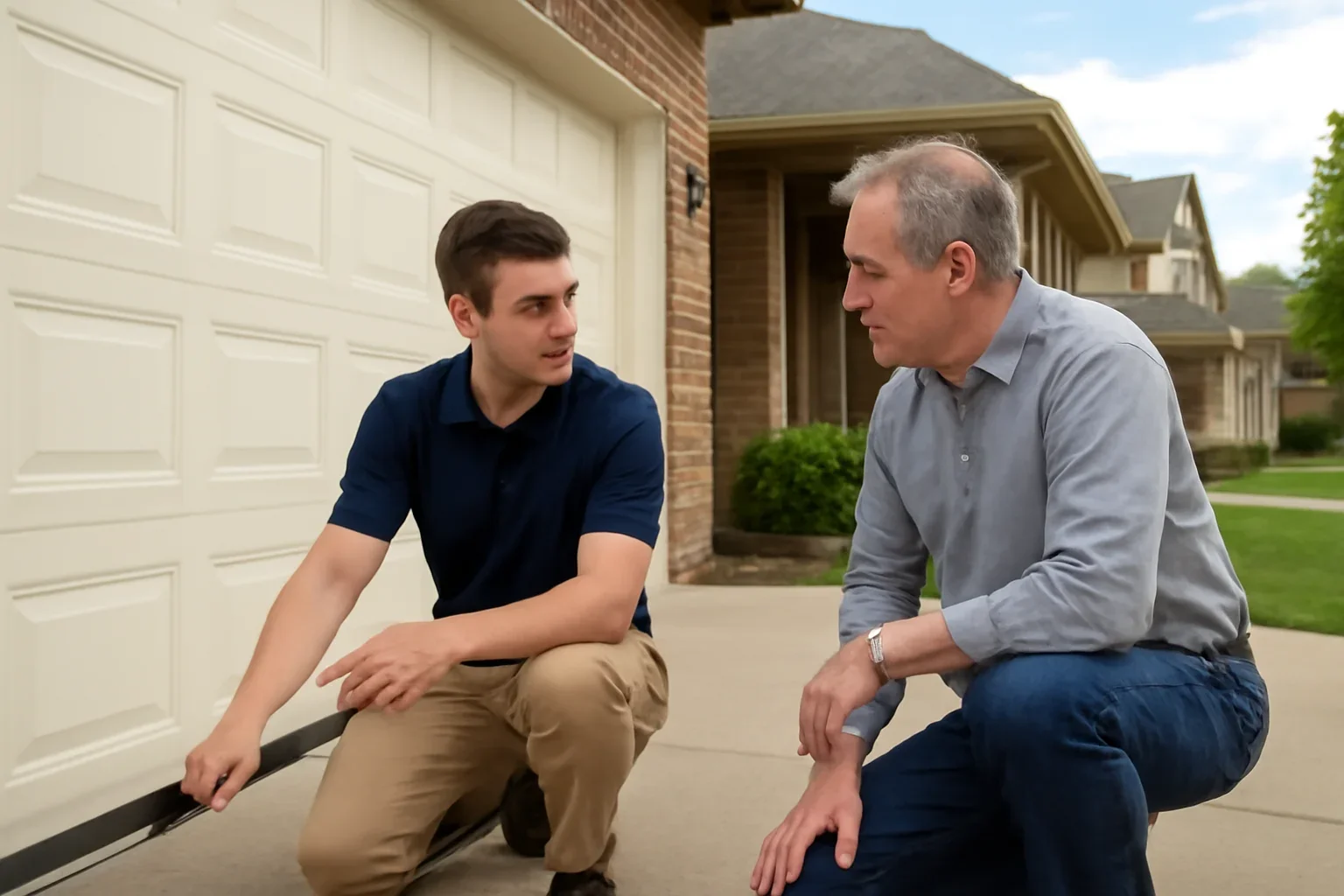
Weather stripping usually wears gradually. The first clue may be a visible gap, a flattened seal or a change in what enters the garage.
Light under a corner or along an edge can point to a compressed seal, uneven floor, door-level issue or side-weatherstrip gap.
A hardened, split, torn or permanently compressed seal may no longer conform to the slab or frame.
Loose perimeter seals and bottom gaps can allow wind-driven debris, dust and small insects into the space.
A damaged seal may contribute, but slope, drainage, wind direction and floor condition should also be considered.
A loose bottom seal can indicate wear, incorrect fit or damage to the retainer that holds it in place.
An uneven gap may involve the slab, door level, track position or bottom section—not only the seal material.
Loose, brittle or poorly positioned perimeter weatherstrip can leave visible light along the vertical frame.
Perimeter gaps may be part of the issue, especially in an attached garage, though other building openings can also contribute.
The bottom, sides and top perform different jobs. Correct replacement depends on the door, retainer or frame profile and the surfaces they contact.
The flexible material along the bottom edge compresses against the slab and must match the door or retainer profile.
Vertical seals contact the outer face of the closed door and should follow it without binding against movement.
The upper seal closes the space between the top section and frame. Its fit can be affected by upper-track position.
The channel holding the seal may be bent, corroded, loose or incompatible with available replacement profiles.
The slab may be worn, sloped, cracked or uneven. A seal should not be expected to bridge an excessive difference.
A seal may appear ineffective because the door does not close level or settle consistently against the frame and floor.
You do not need to pull weather stripping, loosen the retainer or adjust the door.
Include exterior and interior views so the complete opening and door position are visible.
Photograph light at the corners, sides or top without placing hands beneath the door.
Explain whether it enters across the width, at one corner or only during wind-driven rain.
Mention uneven closing, scraping, reversal or a door that does not settle level.
The assessment should identify the correct profile and confirm that the connected door and opening allow it to work properly.
Replacing weather stripping is useful when the sealing material or retainer is the real problem. It should not hide unsafe movement or incorrect door position.
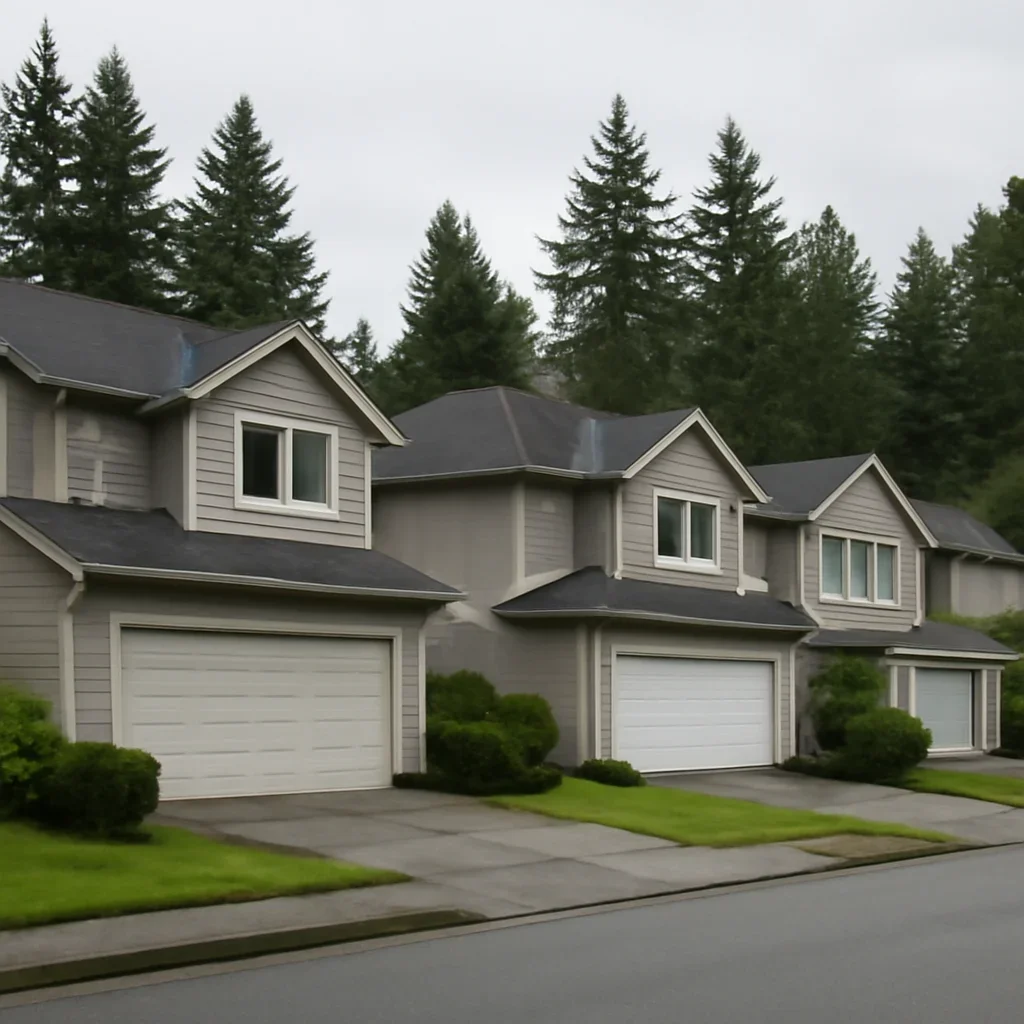
Willowbrook includes residential properties near 200 Street, Fraser Highway, 64 Avenue and Willowbrook Drive, alongside shopping, employment areas and continuing redevelopment. Detached homes, townhomes and multi-family properties can have very different garage layouts.
Wind-driven grit, leaves and roadside debris can make a weak perimeter seal more noticeable, while wet periods can reveal gaps at the bottom corners. Repeated water entry should also be considered in relation to the driveway slope, slab and drainage.
For strata and managed properties: include the unit number, visitor-parking or gate instructions and whether the exterior weatherstrip colour or profile must follow a property standard.
For properties near active road work: mention temporary access restrictions or alternate entrances that could affect service arrival.
The goal is a compatible seal with consistent contact—not excessive compression or a temporary cover for another problem.
Review the bottom, sides, top, corners, floor and visible path of moisture or debris.
Separate worn seal material from retainer damage, uneven flooring, alignment or closing-travel issues.
Confirm the profile, dimensions, retainer or perimeter application and connected repair needs.
Check contact across the opening, operate the door and confirm that the seal does not bind movement.
Weather-seal concerns can overlap with maintenance, door repair, replacement planning and time-sensitive access issues.
Review regular checks for seals, balance, tracks, rollers, hardware, sensors and opener performance.
Explore garage door maintenanceRequest an estimate when weather sealing is part of a larger door, panel, opener or property upgrade.
Request a free estimateScope may depend on seal type, door width, retainer condition, related adjustment, access and parts.
Review garage door pricingCompare replacement when poor sealing is one of several concerns involving sections, hardware, fit or recurring failure.
Review garage door replacementA worn seal alone is rarely an emergency, but a stuck, unstable or unsecured door may need a faster path.
Check same-day repairSend your Willowbrook location, gap location, moisture pattern, door movement and safe photos.
Contact the service teamThese answers explain what seals can solve, what may require a broader repair and what information helps before booking.
Replacement may be appropriate when the seal is cracked, torn, hardened, flattened, missing in sections or pulling out of the retainer. The door should also be checked for level closing and consistent floor contact.
It may reduce minor wind-driven moisture entering through a normal gap, but it cannot reliably correct standing water, a driveway sloping toward the garage, drainage problems, deep slab irregularities or a crooked door.
The cause may be an uneven floor, compressed seal, damaged retainer, poor door level, track position or another mechanical issue. A thicker seal is not always the correct solution.
Yes, when the perimeter material is brittle, loose, damaged or no longer contacting the closed door correctly. The frame, door position and clearance should be considered.
No. Profiles, widths, materials and retainers vary. The existing channel and door construction should be identified before choosing a replacement.
A properly fitted seal can reduce small perimeter gaps used by insects and wind-driven debris. It cannot guarantee pest exclusion when gaps exist elsewhere in the building.
A worn seal is usually planned maintenance. Service becomes more time-sensitive when the door itself is unstable, cannot close, is stuck open or leaves the property unsecured.
Share the address or nearest intersection, property type, door width if known, location of the gap, whether light, debris or moisture enters, how the door moves and safe photos of the full door, corners and floor contact.
Include your Willowbrook address, property type, gap location, moisture or debris pattern, current door movement, access instructions and safe photos of the closed door and floor contact.