Humming, clicking or no movement
The motor, capacitor, control board, gear, belt, chain, rail or trolley may be involved. A heavy or jammed door can create the same symptom.
Review opener repair
Get practical help when your garage door opener hums, clicks, stops partway, reverses unexpectedly, loses remote control, or runs without moving the door.
Glen Valley properties can include attached garages, detached shops, acreage access and larger door openings. A useful diagnosis should consider the motor and controls together with the door's springs, cables, tracks, rollers and balance before recommending a repair.
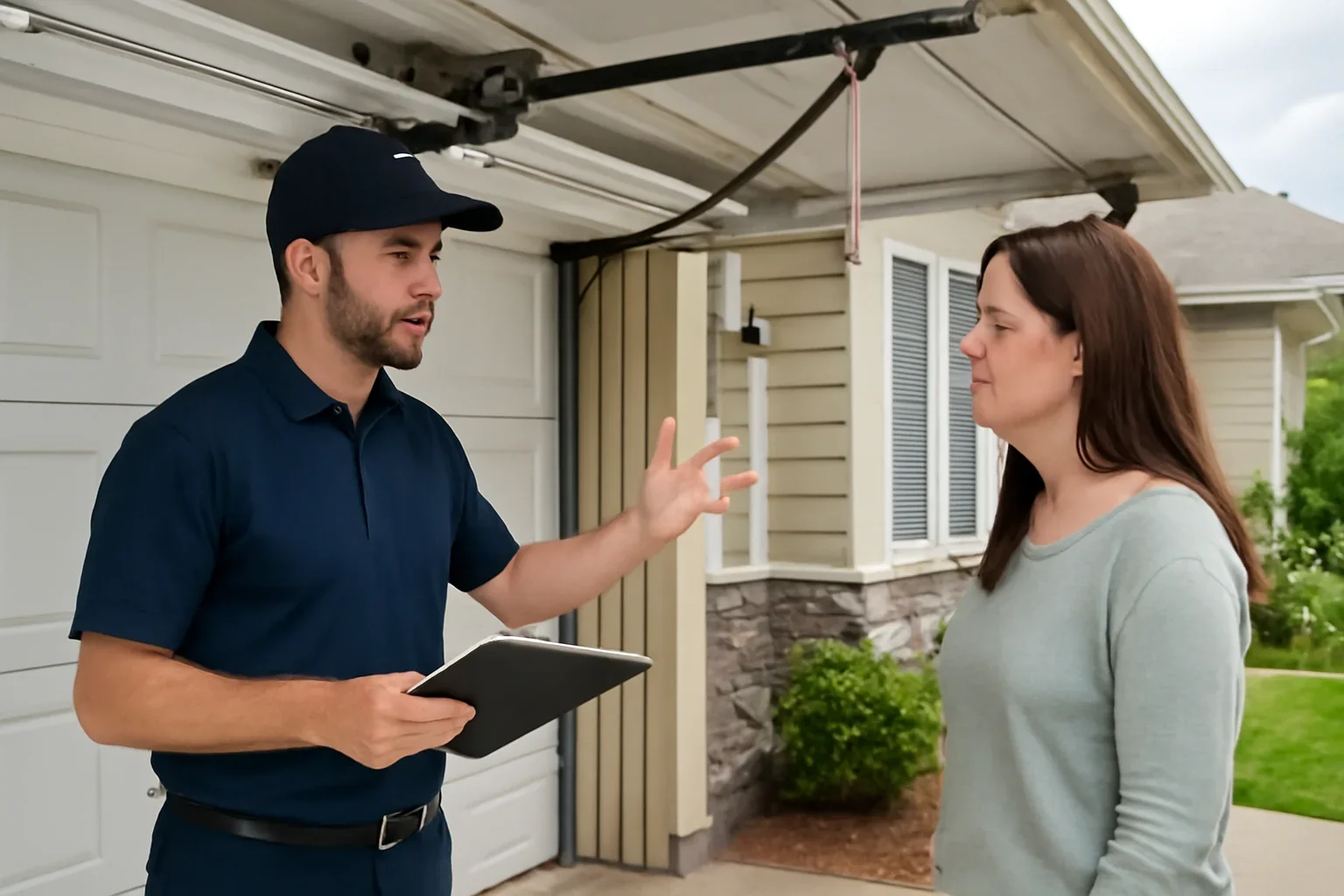
Review motor, rail, trolley, drive and door-balance causes before assuming the opener must be replaced.
Sensor alignment, wiring, travel settings or mechanical resistance may be interrupting safe closing.
Check same-day availability when the door is stuck open, access is blocked or continued use appears unsafe.
Similar symptoms can have different causes. The first step is separating an opener fault from a garage door problem that is placing extra load on the opener.
The motor, capacitor, control board, gear, belt, chain, rail or trolley may be involved. A heavy or jammed door can create the same symptom.
Review opener repairThe photo eyes, brackets, wiring, travel limits, force settings or resistance in the tracks may cause the door to stop or reverse.
Review sensor guidanceBattery condition, programming, lock mode, compatibility, receiver response and stored-device memory may need to be checked.
Review programming guidanceWorn rollers, track resistance, weak spring support, poor balance or damaged hardware can overload an opener that is otherwise working.
Review garage door repairDescribe what happens from the moment you press the wall button or remote. Include sounds, lights, door movement and whether the door can be operated manually without forcing it.
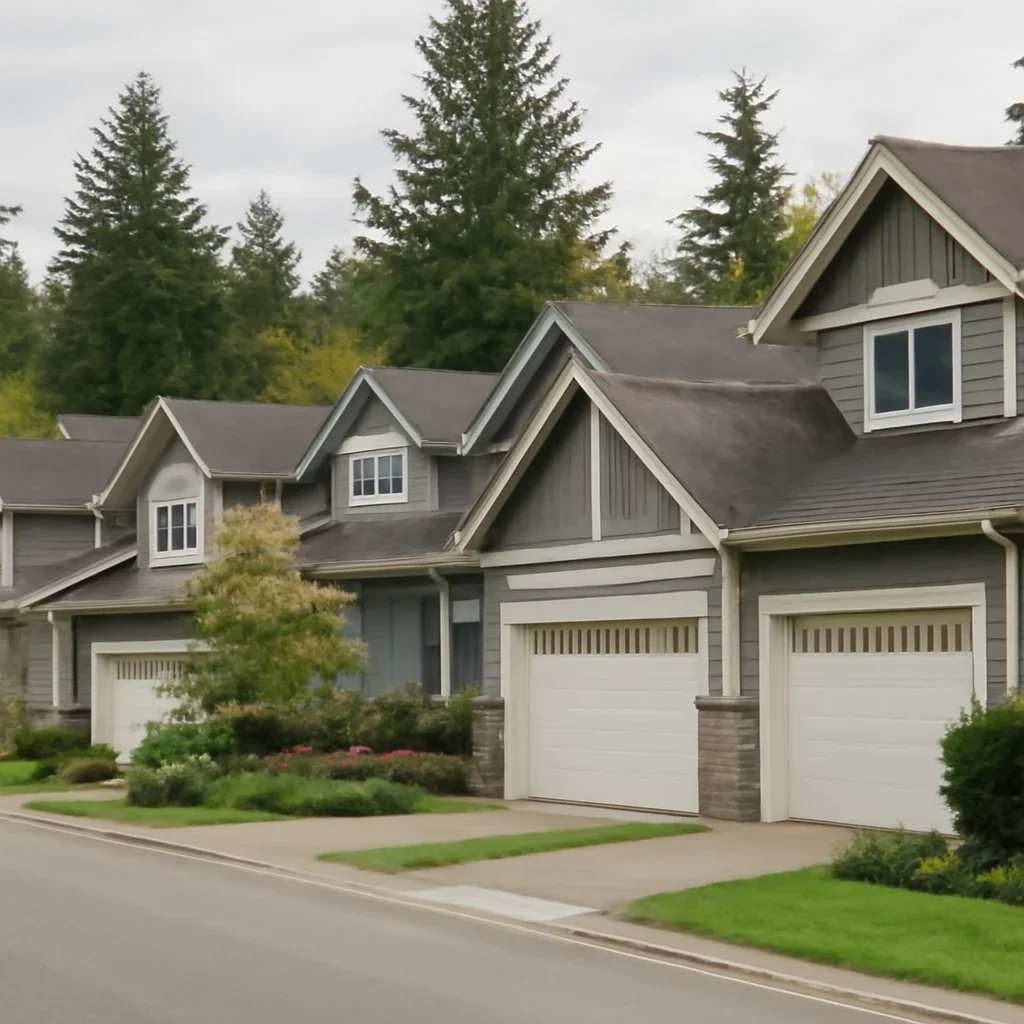
Glen Valley is part of the Township of Langley and includes rural residential and agricultural surroundings. Some service calls involve detached garages, workshops, longer driveways, gates or door openings that differ from a standard attached suburban garage.
These details can affect access, opener sizing, rail length, mounting, available power, wireless control range and the parts that may be needed. Sharing the setup before the visit helps avoid treating every Glen Valley garage as the same.
Mention the nearest cross-street or full service address, gate instructions, whether the opener is in a house or detached building, ceiling height, door size and whether a vehicle is blocking the work area.
Book an assessment when the problem repeats, automatic movement becomes unreliable or the opener appears to be working harder than before.
The trolley, drive system, release mechanism, door arm or door balance may prevent power from reaching the moving door correctly.
Travel settings, overheating, rail resistance, worn hardware or poor balance can interrupt opening or closing.
A remote, keypad or wall control may work only sometimes because of batteries, programming, lock mode, receiver or compatibility issues.
Grinding, rattling or shaking can come from the opener drive, rail, mounting points, rollers or other door hardware.
An opener is designed to guide a properly balanced door, not force damaged hardware or lift the full door weight. Stop using the system if the door is crooked, off track, supported by a loose cable or has a visibly broken spring. Do not adjust springs, cables or bottom brackets yourself.
The goal is to identify the actual source of the problem, explain the available options and avoid replacing opener components that are still serviceable.
Review what happens with the wall control, remote, keypad and app, including sounds, lights, stopping points and recent changes.
Inspect power, controls, motor, rail, trolley, drive, sensors and settings along with door balance, tracks, rollers, springs and cables.
Explain whether adjustment, programming, component repair, wider door repair or opener replacement is the most practical next step.
A focused repair may be practical when the door remains safe and balanced and the fault can be traced to a serviceable opener component, control or setting.
Replacement may deserve consideration when the opener has repeated internal failures, major compatibility limitations or no longer suits the size and use of the garage door.
A few clear details can help identify the likely service path and prepare for property access before the appointment.
State whether the door is open, closed, partly open, crooked or stuck, and whether a vehicle or essential equipment is blocked.
Mention the make and model when visible, plus any clicking, humming, flashing lights, error codes or response from each control.
Include gate instructions, driveway conditions, detached-building location, ceiling clearance and enough notice to move vehicles or tools.
Include a full view of the door, the opener motor label, the rail and trolley, both sensor areas and any visible damaged hardware.
These answers help separate common opener symptoms from wider garage door problems and clarify what information is useful before a visit.
The cause may involve the trolley, belt, chain, gear, rail, emergency release, door arm or opener connection. A broken spring, poor balance or jammed door can also prevent movement and should be checked before the opener is forced.
Reversal may be caused by blocked or misaligned sensors, damaged wiring, incorrect travel or force settings, track resistance, poor door balance or an obstruction near the floor.
Yes. A weak or broken spring can make the door too heavy for the opener, causing the motor to strain, stop or move the door only a short distance. The door's lifting system should be checked before blaming the motor.
Often, yes. Batteries, programming, lock mode, compatibility, receiver memory and control wiring should be checked before opener replacement is considered.
It can. Access, available power, wireless range, ceiling structure, door size and the distance from the main residence may affect diagnosis and parts planning. Share these details when booking.
Request prompt service when the door cannot close, the property cannot be secured, a vehicle is trapped, the door is hanging unevenly or continued operation could worsen visible damage. Same-day availability depends on scheduling, access and parts.
Share the Glen Valley service address, current door position, opener make and model, control behaviour, unusual sounds or lights, visible damage, access instructions, photos and preferred timing.
Tell us what happens when you use the wall button, remote or keypad. Include the door position, opener details, photos, property access and whether the issue affects security, vehicle access or daily use.