The opener appears completely dead
The cause may involve the electrical supply, outlet, wall control, wiring, control board or another internal opener component.

Get practical help when your garage door motor, remote, keypad, wall control, safety sensors or smart opener no longer works as expected.
An opener problem does not always begin inside the motor. A heavy or unbalanced door, worn rollers, track resistance, sensor obstruction or incorrect travel setting can make a working opener appear faulty.
Tell us what happens when you press the wall control, remote or keypad, whether the motor makes any sound, and how far the door moves before stopping or reversing.
Same-day availability depends on the Willowbrook address, current scheduling, the issue found and any required parts.
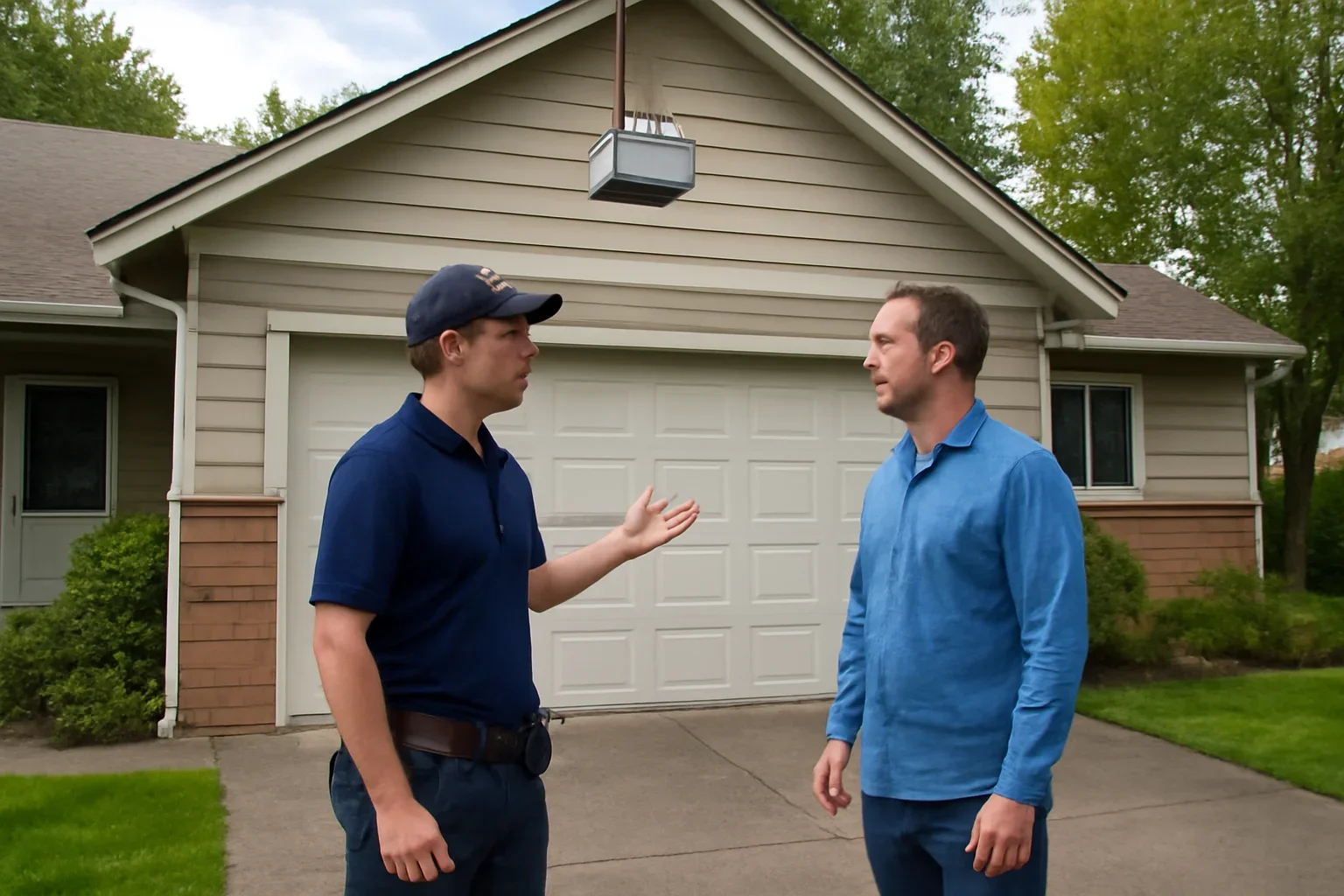
The opener may be disconnected from the trolley, the drive system may be worn, or the motor may be pulling against a heavy, jammed or poorly balanced garage door.
The door, springs, tracks, rollers, trolley, rail and opener should be considered together before replacing the motor. Continuing to run the opener against resistance can increase strain on the unit.
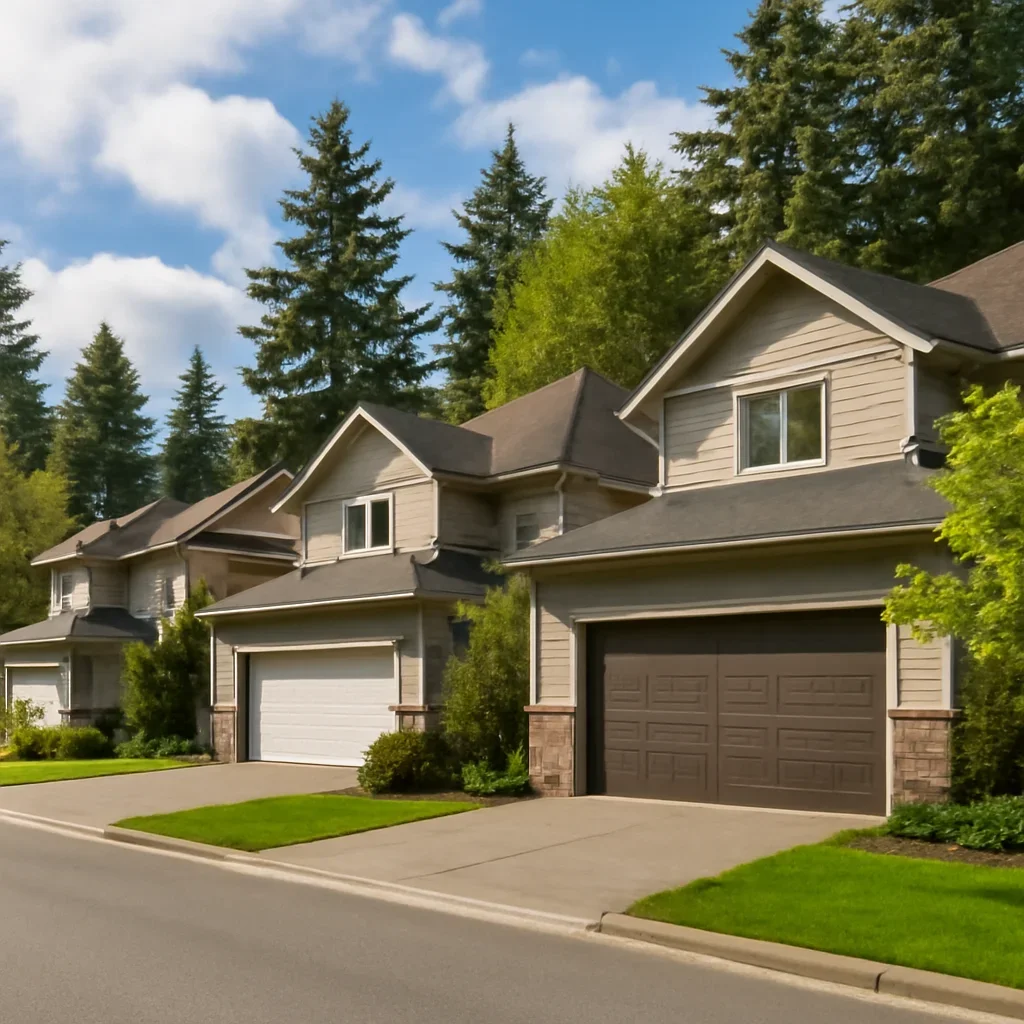
Willowbrook is part of the growing Willoughby-Willowbrook area near Langley City, major shopping destinations and the 200 Street corridor. Local residential properties include detached homes, townhomes, strata communities and compact garages near busy roads.
Households that use the garage as their main entrance may place more operating cycles on the opener, remotes and keypad. In townhome garages, bedrooms or living areas may also be close to the motor and rail, making vibration and operating noise more noticeable.
Short driveways, shared lanes, visitor-parking rules and strata access can affect appointment planning. Include these details with the full Willowbrook address rather than providing only “Langley.”
Start with what you can see, hear and test safely. Similar symptoms can have different causes, so avoid assuming that the motor has failed.
The cause may involve the electrical supply, outlet, wall control, wiring, control board or another internal opener component.
The trolley may be disconnected, the drive system may be damaged, or the opener may be pulling against a door problem.
Safety sensors, an obstruction, resistance, track alignment or travel and force settings may be involved.
Batteries, programming, lock mode, signal range, accessory compatibility or the opener receiver may need review.
The sound may come from the drive, rail, mounting points, trolley or strain created by the garage door itself.
The issue may involve Wi-Fi, account setup, a power interruption, accessory pairing or an opener control problem.
A motor can appear weak or unreliable when the door is heavy, uneven, obstructed or difficult to move.
Start with garage door repair when the door itself appears heavy, uneven or unstable.
A useful assessment should review the controls and motor as well as the door the opener is being asked to move.
Check the electrical supply, opener lights, wall control, lock mode, remote response and any visible control-board symptoms.
Review sensor alignment, cleanliness, indicator lights, mounting, wiring and whether the door reverses during closing.
Inspect the opener rail, trolley connection, belt, chain or screw drive and the bracket connecting the opener to the door.
Confirm where the door stops, whether it reaches the floor and whether resistance or settings are causing unexpected reversal.
Review batteries, programming, model compatibility, receiver response and whether one or several controls are affected.
The tracks, rollers, springs, cables and overall door movement should be considered before the opener is blamed for excess strain.
Stop troubleshooting when the door looks unstable, feels unusually heavy or involves damaged springs, cables, tracks or brackets.
The decision should consider the specific fault, the opener’s overall condition, accessory compatibility and how well it suits the garage door.
The issue is limited to a sensor, control, accessory, setting, trolley connection or serviceable drive component.
Repair may also make sense when the opener remains compatible with the door and still provides the controls and operating performance the household needs.
The opener has recurring failures, extensive internal wear, unavailable compatible parts or ongoing problems after other causes have been ruled out.
A new opener may also be considered when quieter operation, updated safety features, battery backup or smart controls are important to the household.
Review garage door opener options or compare chain-drive and belt-drive openers when replacement becomes part of the discussion.
You do not need to identify the failed component. A clear description of the controls, sounds and door movement is more useful.
Include the complete service address, postal code and any gate, visitor-parking, strata or shared-access details.
Explain what happens with the wall control, remote, keypad and mobile app.
Mention silence, clicking, humming, grinding or normal motor sound without door movement.
State whether it stays still, moves a few inches, stops midway or reverses before reaching the floor.
A safe photo of the motor-unit label can help identify the system and possible accessory compatibility.
Say whether a vehicle is trapped, the garage is stuck open or the garage serves as the household’s main entrance.
The process should identify whether the issue belongs to the opener, its controls or the garage door system the motor is moving.
Confirm the control response, sound, door position, movement and whether access or security is affected.
Consider the opener, rail, trolley, sensors, controls, door balance, tracks, rollers and supporting hardware.
Determine whether adjustment, programming, accessory replacement, component repair or another door service is appropriate.
Review travel, closing contact, control response, sensor operation and consistent movement after the agreed work.
Stop using the opener when the door appears unstable, hangs unevenly, has come off its tracks or shows a damaged spring or cable. The motor should not be used to force a mechanical door problem.
Keep people, pets and vehicles away from the operating area. If the door is stuck open, preventing access or trapping a vehicle, review same-day garage door repair and explain the current door position when booking.
Compare opener repair, programming, sensor, general repair and urgent service information.
These answers explain common control, motor and door-related concerns without requiring you to diagnose the opener yourself.
The cause may involve power, the wall control, lock mode, a remote battery, programming, wiring, the receiver or an internal opener component. Note which controls still respond before booking.
The trolley may be disconnected, the drive system may be damaged, or the opener may be pulling against a heavy, jammed or poorly balanced door. Stop repeated operation until the cause is clearer.
The safety sensors may be blocked or misaligned, or the opener may be detecting resistance. Travel settings, track alignment, floor contact and door movement may also affect closing.
Yes. A damaged spring can make the door too heavy for the opener, causing the motor to strain, stop or move the door only a short distance. Do not keep using the opener against a heavy door.
The remote battery, programming, signal range, compatibility or receiver may be involved. Testing the wall control helps separate a remote problem from a complete opener failure.
Some problems can be corrected through cleaning, alignment, mounting or wiring repair. Damaged or incompatible sensors may need replacement. The closing path should also be checked for resistance.
Repair may be practical when the problem is limited and compatible parts remain available. Replacement may be worth comparing when failures keep returning or the unit no longer provides the safety, noise level or control features you need.
It becomes more urgent when a vehicle is trapped, the garage is stuck open, normal household access is blocked or the door appears unstable. State the current door position when requesting service.
Send a safe photo of the opener unit and model label, the wall control, sensor indicator lights and a full view of the closed door. Do not stand beneath an unstable door to take a photo.
Include the property address, opener brand if known, which controls still work, what sound the unit makes, how far the door moves and whether access or security is affected.
Appointment timing and repair completion depend on current availability, diagnosis and required parts.