Chain Drive vs Belt Drive Garage Door Openers
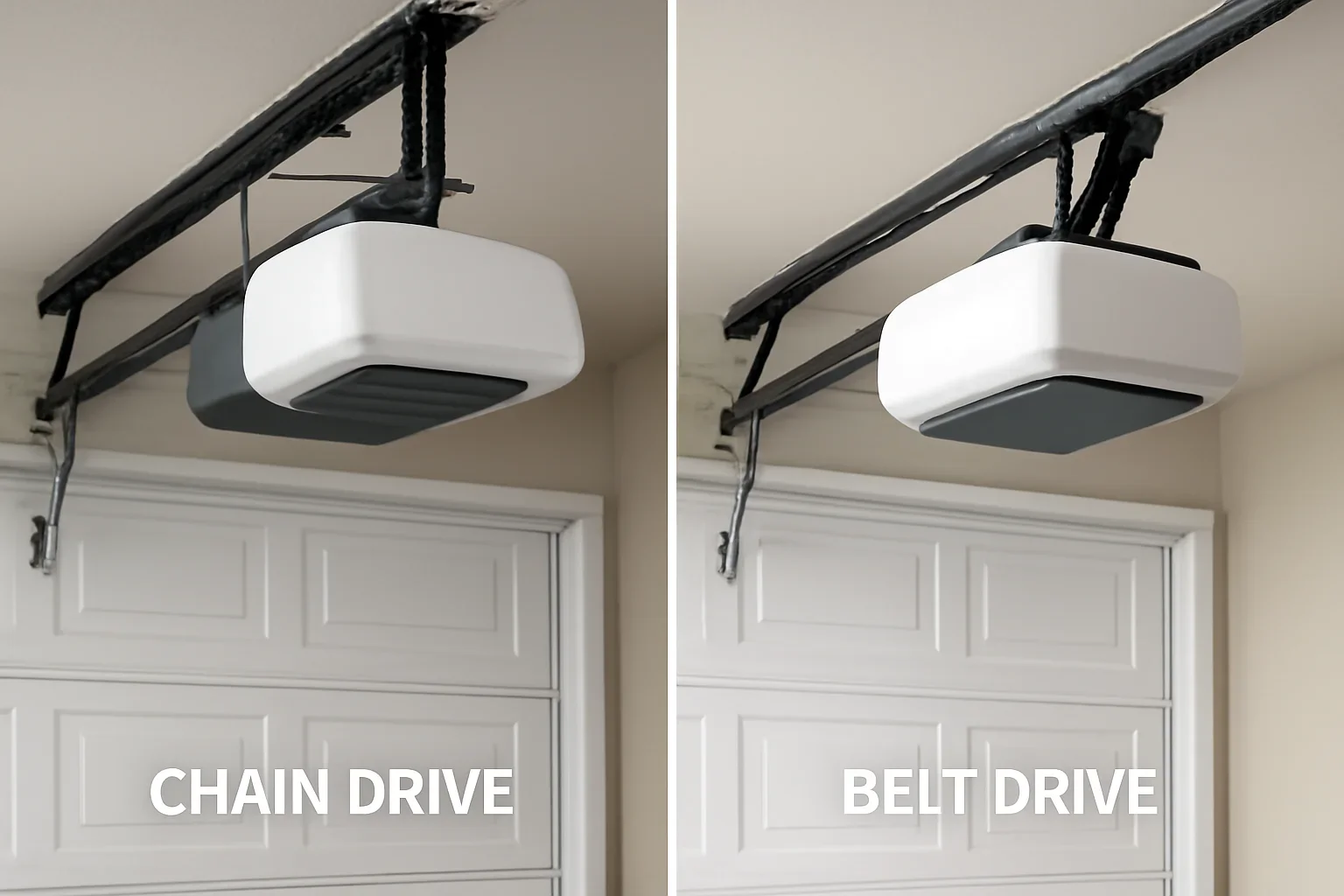
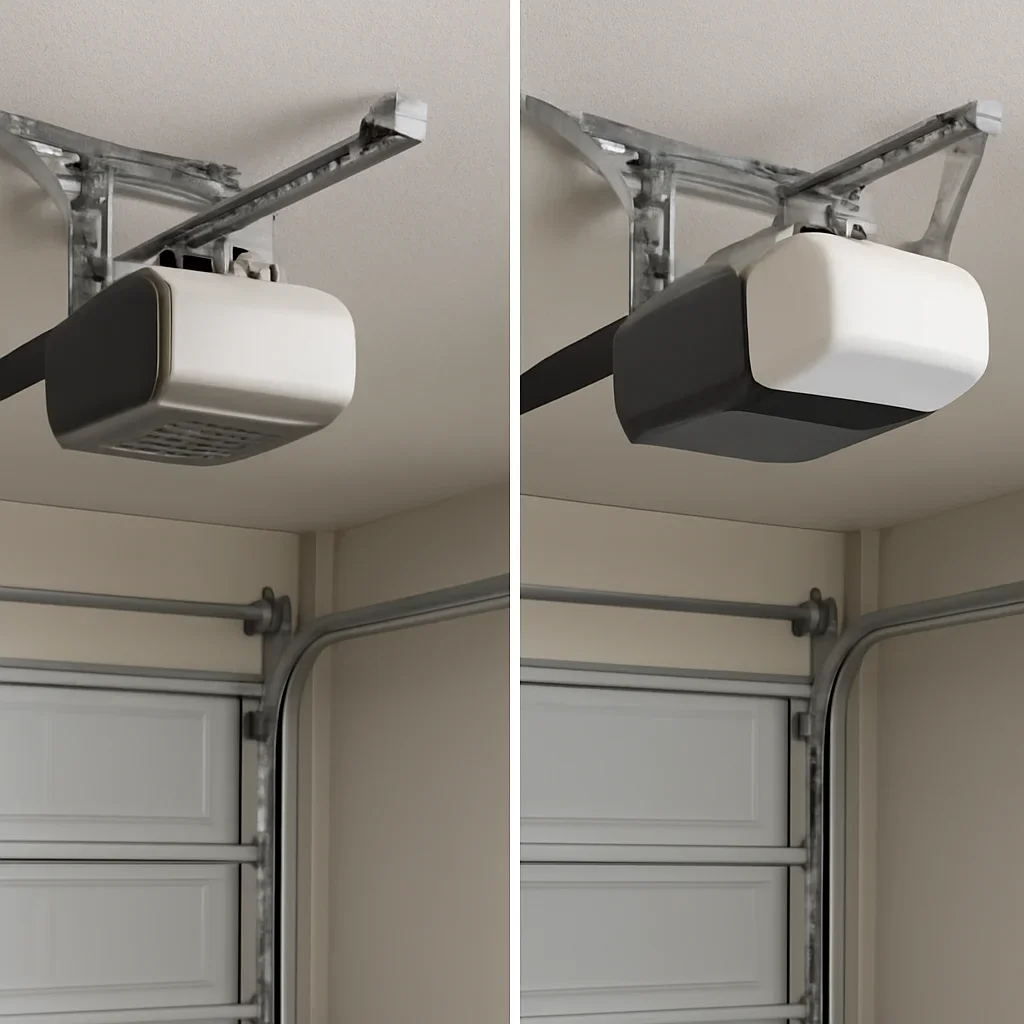
Compare two common opener drive systems based on sound, vibration, maintenance, cost and the location of the garage.
Choosing a garage door or opener is easier when the differences are connected to the property, daily use and budget. These guides compare practical tradeoffs such as noise, insulation, drive type, controls, installation needs and long-term serviceability.
There is rarely one option that is best for every Langley garage. A quiet opener may matter more beside a bedroom, while insulation, ceiling clearance, backup access or part compatibility may be more important at another property.
Compare the complete system rather than choosing from one feature alone. Door condition, opener compatibility and installation requirements can change the final recommendation.
Compare the garage opening, door construction, insulation, hardware, opener drive, noise, controls, safety features, compatibility, installation scope and expected daily use. For attached garages, comfort and sound may carry more weight. For detached garages or workshops, durability, access and value may be higher priorities.
Each guide focuses on a different buying question. Open the comparison that most closely matches the choice in front of you.
Compare two common opener drive systems based on sound, vibration, maintenance, cost and the location of the garage.
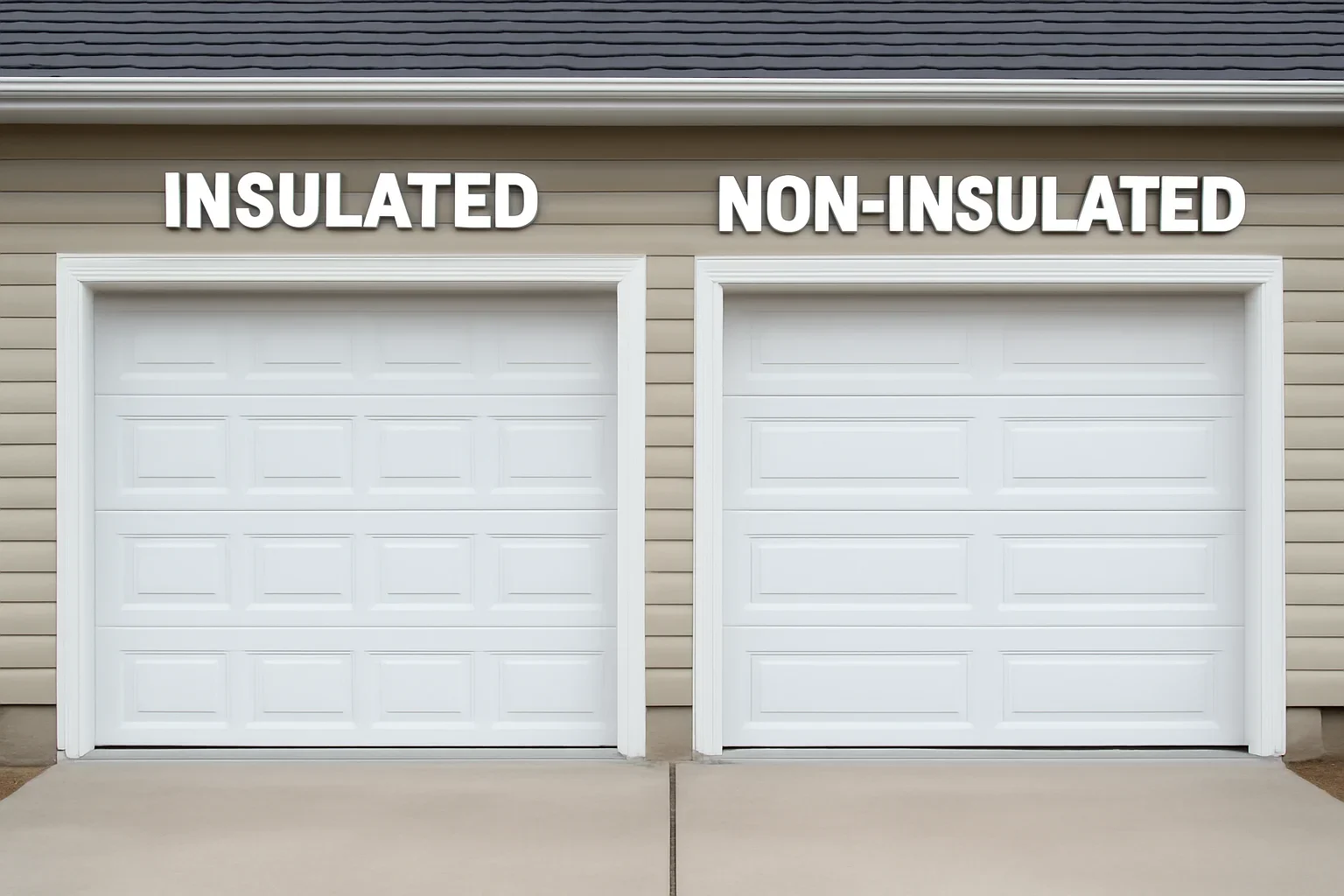
Compare comfort, door feel, sound, construction and cost for attached garages, detached garages and other common layouts.
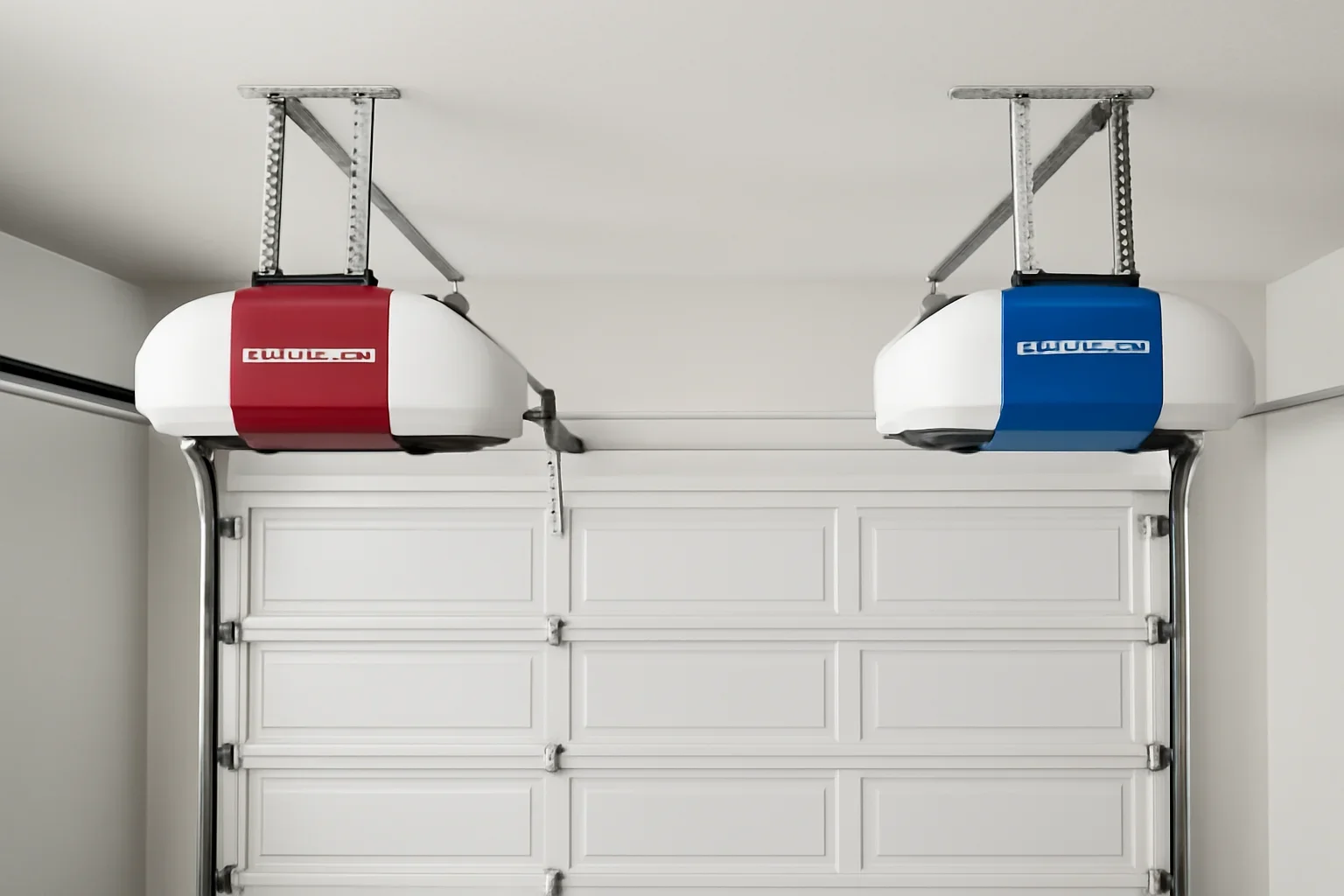
Compare opener lines based on model selection, access features, controls, installation route and how the product will be serviced.
Start with the part of the garage system that is actually changing. This prevents unrelated features from distracting from the decision.
Focus on drive type, noise, controls, lighting, backup access, smart features and compatibility with the existing door.
Focus on size, material, construction, insulation, windows, weather sealing, hardware and opener compatibility.
Compare the failed part, age, wider wear, parts availability, repeat problems and the cost of restoring dependable operation.
Compare scope clarity, response process, compatible products, communication, warranty terms and what is included in the quote.
Langley includes compact townhouse garages, attached suburban garages, detached workshops and rural outbuildings. The property layout can change which features provide real value.
The comparison should account for where the garage sits, how often the door cycles, whether there is living space nearby, and how the household normally enters the home.
Limited ceiling room, living space near the garage, frequent daily use and shared-lane access can make quiet operation, compact controls and dependable keyless entry important.
A garage beside or beneath living space may place greater value on smooth opener operation, insulation, sealing and reduced vibration.
Existing framing, older opener systems, non-standard door sizes and previous repairs may affect compatibility and replacement scope.
Detached garages and workshops may prioritize reliable access, durable construction, network reach, ceiling clearance and value over the quietest available system.
A lower purchase price may not be the better fit when installation, noise, energy performance, compatibility or future servicing are considered.
Review door size, headroom, side clearance, ceiling conditions, electrical access, driveway layout and whether the garage is attached or detached.
Consider operating noise, cycling frequency, lighting, controls, backup access, smart features and whether the garage is a main household entrance.
Compare compatible parts, accessory support, warranty details, maintenance needs and whether one failed component can be replaced without changing the whole system.
Use this overview to choose the most relevant guide before reviewing the full side-by-side details.
| Comparison | Main decision | Important factors | Often relevant for |
|---|---|---|---|
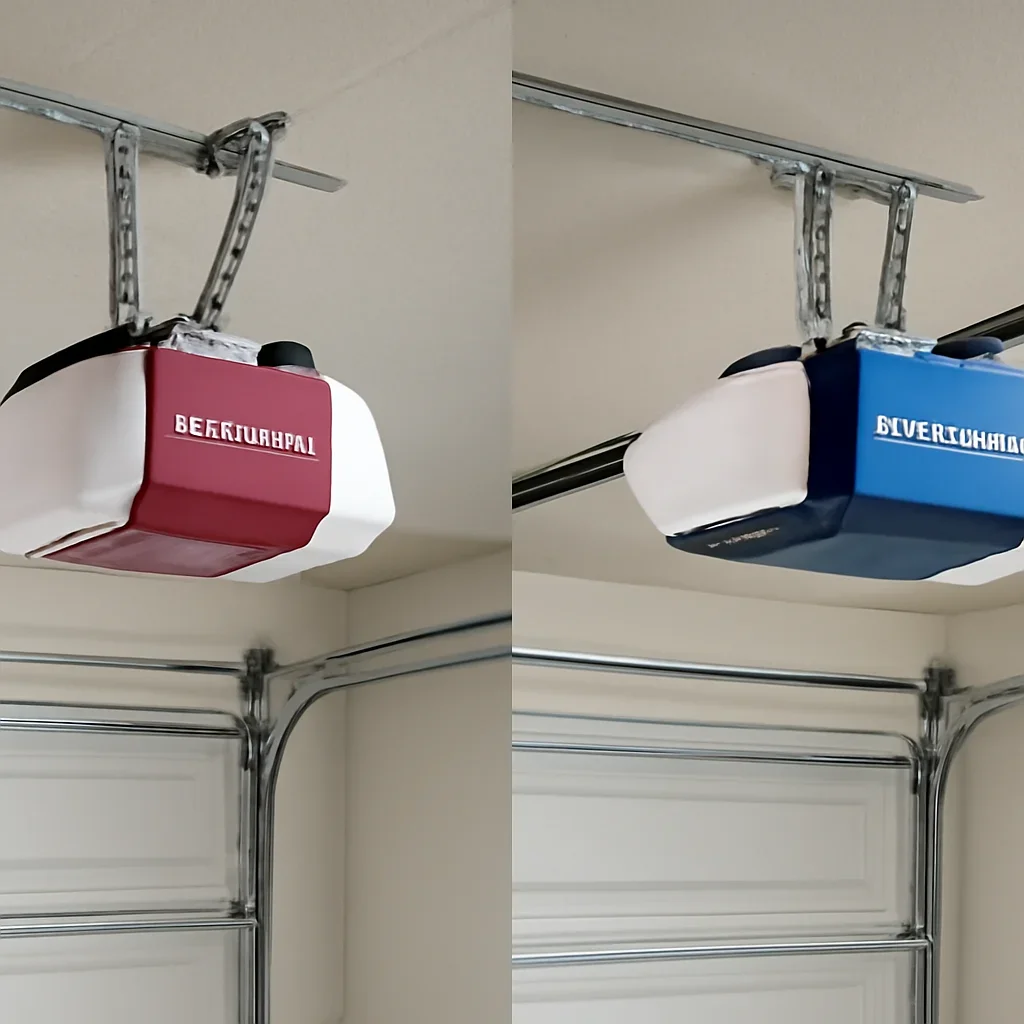
| Chain vs belt drive | Which opener drive better fits the garage and noise priorities? | Sound, vibration, maintenance, purchase price and living-space location. | Attached garages, bedrooms above garages and opener replacements. |
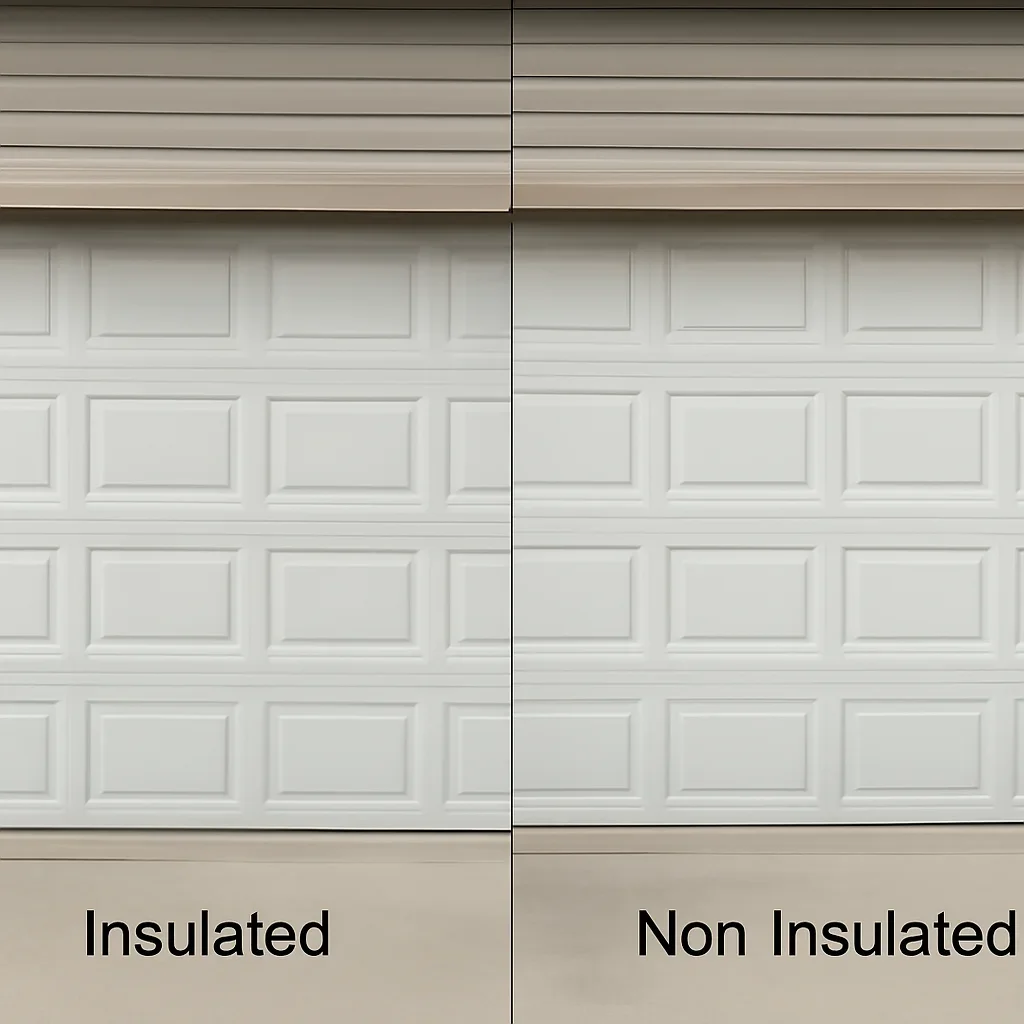
| Insulated vs non-insulated | Whether added door construction and insulation provide useful value. | Garage use, comfort, door feel, sound, climate separation and budget. | Attached garages, workshops, frequently used spaces and full door replacement. |
| LiftMaster vs Chamberlain | Which opener model and purchasing route better match the project. | Actual model features, controls, smart access, backup, parts and service path. | Homeowners comparing familiar opener product families. |
Provider comparisons should focus on the service scope, local availability, products, quote details and whether the proposed work matches the actual condition of the door.
Review another service option when comparing providers, coverage, project approach and the information included before booking.
Use the alternatives section when you are researching service options rather than comparing one door, opener or technical feature.
Price becomes more useful once the likely door, opener or repair scope is understood. These guides help connect product comparisons with realistic project planning.
You do not need to know the final product before reaching out. A few property and system details can help narrow down realistic options.
Include the Langley neighbourhood and whether the garage is attached, detached, part of a townhouse or used as a workshop.
Explain whether the project involves the complete door, opener, controls, insulation, hardware or an uncertain repair.
Include the door size, material, opener brand, model, age and any existing problems when known.
Identify what matters most: lower noise, insulation, appearance, smart access, backup power, value or long-term serviceability.
Include the complete door from inside and outside, the opener, tracks and any visible label or clearance concern.
Use these pages when the project has moved beyond comparison and into product selection, pricing or service planning.
These answers explain how to compare doors, openers, brands and project costs without reducing every decision to one universal winner.
The best fit depends on the opening, garage use, construction, insulation goals, appearance, hardware, budget and whether the garage is attached to living space. A product should be matched to the property rather than selected from one feature alone.
No. Belt drives are often compared for quieter operation, while chain drives may appeal to homeowners focused on conventional performance and purchase value. The garage location, door condition and specific opener model also matter.
Insulation may provide greater value when the garage is attached, regularly used, located near living space or expected to feel more substantial and controlled. A simple detached storage garage may have different priorities.
Begin with the brand for general product context, but make the final comparison between actual models. Features, construction, warranties, controls and compatibility can vary within the same brand.
Repair may fit when the issue is limited and compatible parts are available. Replacement may be more practical when failures repeat, the opener is poorly suited to the door or several newer features are needed.
Opener sound, vibration, door rollers, hardware condition and mounting can all affect what is heard in the room. Insulation and sealing may also matter when the garage shares surfaces with living space.
Not always. Installation scope, compatibility, operating noise, energy performance, included controls, maintenance and parts availability can affect long-term value.
It may, but the door size, weight, balance, track arrangement, safety system and opener condition should be checked before the existing unit is reused.
Compare the exact product or repair scope, included hardware, opener work, removal, installation, finishing, warranty terms, exclusions and whether additional work may be required.
Include the Langley location, garage type, door size, opener model, current condition, project goal, preferred features and clear overview photos.
Share your Langley location, garage type, current door or opener, the options you are comparing and the priorities that matter most. These details help narrow down a practical product or service path.