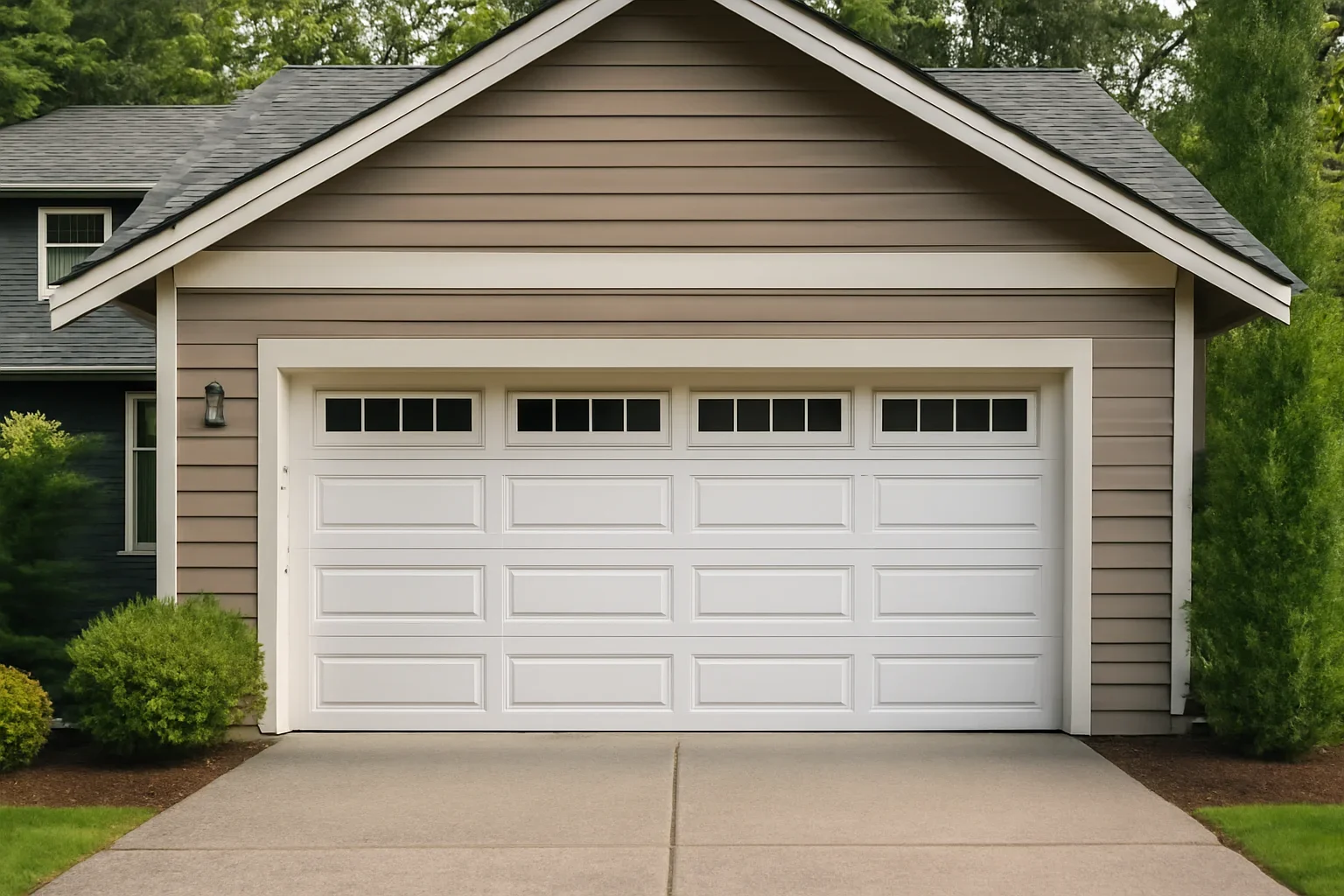
Standard single garage door
Often applies to a standard-size steel door with a straightforward residential installation and no major opening changes.
A residential garage door replacement in Langley can range from a straightforward standard steel-door project to a custom installation involving insulation, windows, new tracks, upgraded hardware, opener changes and work around an older opening.
The useful question is not only, “How much is the door?” It is, “What complete work is included?” This guide explains realistic planning ranges, major cost drivers, local property considerations and the details to compare before approving an estimate.
Updated July 2026. All prices on this page are broad CAD planning ranges, not a property-specific quote.
Compare the door product with the labour, tracks, springs, hardware, removal, disposal, seals, opener work and final testing.
A standard single residential steel door may be broadly budgeted around $1,200 to $2,500 installed. A standard double door may fall around $2,000 to $4,500 installed. Premium wood-look, custom, oversized or full-view glass projects can reach $5,000 to $10,000 or more. The final amount depends on the exact door, opening, hardware, labour and included work.
These ranges help with early planning. Product quality, installation conditions and quote inclusions can place a project above or below the examples shown.
Often applies to a standard-size steel door with a straightforward residential installation and no major opening changes.
A wider door uses more material and may require heavier springs, reinforcement and additional installation planning.
Specialty materials, glass, custom sizes, premium finishes and opening modifications can move a project into a higher range.
A quote can change based on measurements, taxes, door availability, existing damage, opener requirements, electrical work, framing, property access, disposal and optional features. Ask for the complete written scope before comparing totals.
The door itself is only one part of the project. Size, construction, hardware, opening conditions and selected upgrades all affect the final estimate.
Single, double, oversized and custom doors use different amounts of material and lifting hardware. Two single doors also require two separate track and hardware systems.
Single-layer steel, insulated steel, multi-layer construction, wood, composite and glass differ in weight, finish and hardware requirements.
Window layouts, decorative hardware, custom colours, panel patterns and premium finishes can increase product and lead-time costs.
The new door must use components matched to its size and weight. Existing tracks and lifting hardware are not automatically suitable.
Low headroom, ceiling storage, ducts, framing, uneven floors and non-standard openings can require different tracks or added labour.
The existing opener may be reused, adjusted or replaced depending on its condition and suitability for the new door.
Removing the old sections, tracks and hardware and transporting them for disposal may be included or listed separately.
Bottom seals, perimeter weather stripping, retainers, trim and floor conditions affect how the finished opening seals.
Shared lanes, limited parking, stored items, strata access, rural travel and restricted working space can affect project planning.
A complete replacement estimate should make it clear which products, labour and finishing tasks are included. Two quotes can look similar while covering very different work.
Do not assume the tracks, springs, opener setup, removal or weather seals are included because the estimate uses the words “new garage door.”
A written estimate should separate included work from optional or additional work so the total can be compared fairly.
| Quote item | What to confirm | Why it matters |
|---|---|---|
| Door product | Exact size, construction, insulation, panel design, colour, windows and manufacturer. | Products with similar appearances can have different layers, hardware requirements and warranties. |
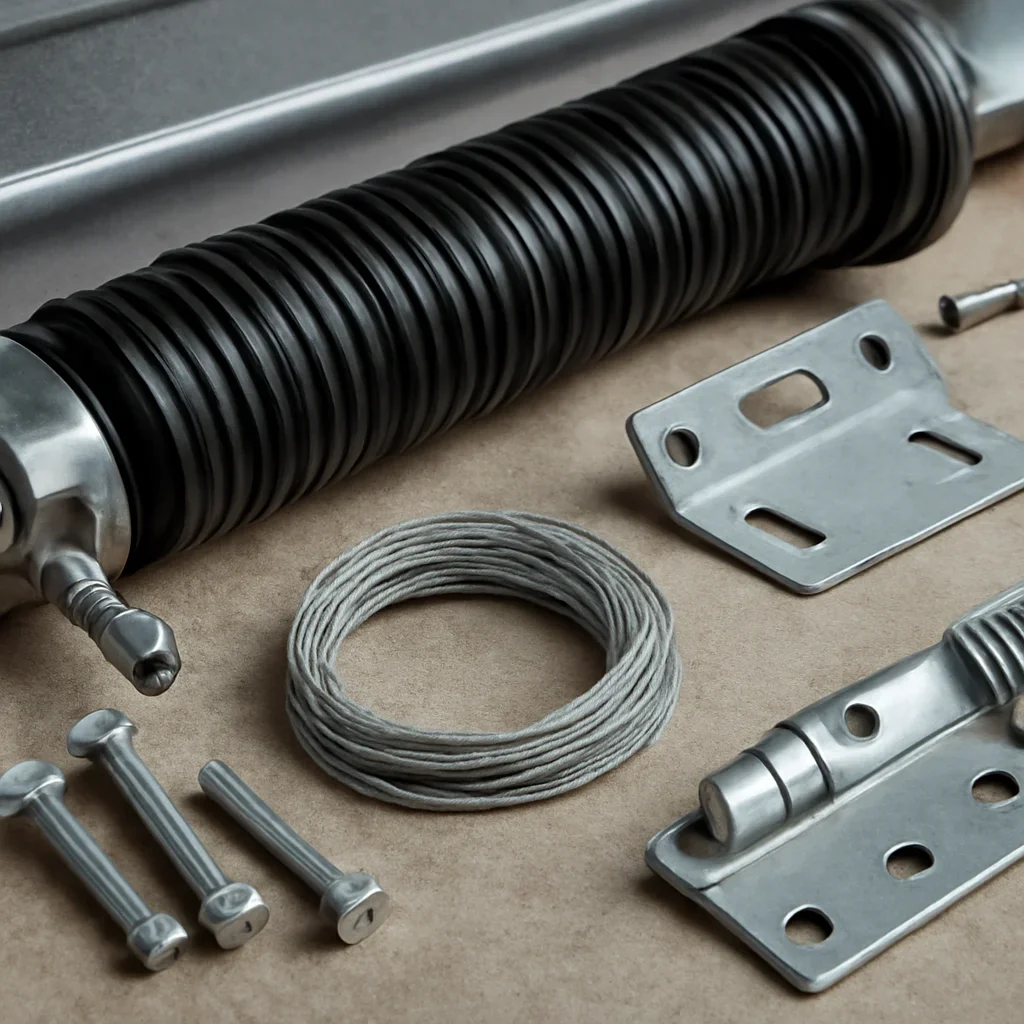
| Tracks and hardware | Whether new tracks, springs, rollers, hinges, cables, drums and brackets are included. | Reusing unsuitable or worn hardware can affect performance and leave future repair costs. |
| Removal and disposal | Whether the old door, tracks and hardware will be removed and disposal fees are included. | A lower quote may exclude removal or leave disposal to the property owner. |
| Installation labour | Included labour, site preparation, adjustments, balancing and final testing. | Product-only pricing does not represent a completed installation. |
| Weather sealing | Bottom seal, perimeter seal, retainer, trim and work around an uneven floor. | The new door may still leave air, light or water gaps when finishing is excluded. |
| Garage door opener | Reconnection, adjustment, controls, sensors, programming or complete replacement. | The existing opener may not be suitable for the new door or may require separate work. |
| Additional work | Framing, electrical supply, structural changes, unusual access and property-approval requirements. | These conditions may not be included in a standard replacement allowance. |
| Taxes and warranty | Whether taxes are included and what parts and labour warranty terms apply. | Final totals and long-term coverage can differ even when the starting prices look similar. |
Langley includes compact townhouse garages, established detached homes, custom properties, acreages and workshops. The opening, access and performance priorities can differ between them.
A useful estimate should reflect the actual property rather than applying the same package to every address.
Approved colours or styles, shared lanes, limited visitor parking, garage storage and coordination with strata rules may affect selection, access and scheduling.
Homes with living space beside or above the garage may place more value on insulation, quieter operation, weather sealing and a compatible belt-drive opener.
Previous alterations, older tracks, uneven floors, older wiring and non-standard framing can create work beyond a basic product-for-product replacement.
Architectural styling, windows, wood finishes, custom sizes and design coordination may increase product and installation costs.
Detached workshops, larger doors, high ceilings, vehicle clearance, electrical access and longer property approaches may change the required equipment and labour.
Corroded hardware, worn perimeter seals, drainage concerns and moisture around the opening may add finishing or repair work to the replacement scope.
A lower immediate repair cost is useful only when the remaining door and hardware can continue operating reliably.
One repairable component or a localized hardware issue is causing the problem.
The panels are not widely rusted, cracked, separating or damaged across several sections.
The required hardware, opener components or matching section can still be sourced.
The remaining system can be balanced and tested without leaving major connected wear unresolved.
Panels, tracks, springs, cables, rollers and opener equipment may all require significant work.
Multiple sections are bent, rusted, cracked or no longer maintaining the door’s shape.
A section-only repair may not provide a practical visual or mechanical match.
Insulation, sealing, reliability, appearance or opener compatibility may all improve through planned replacement.
Approximate measurements and photos can support early planning. Final product selection and installation pricing may still require the opening and site conditions to be confirmed.
Include the Langley community and whether the property is a detached home, townhouse, strata unit, acreage or workshop.
Provide the approximate width and height and explain whether the project involves one door, two single doors or one double door.
Mention insulation, windows, colour, panel style, wood-look, glass or other appearance priorities.
Include the opener model when visible and note any track, clearance or ceiling-storage concerns.
Explain whether the door is still operating and whether panels, tracks, seals or hardware are visibly damaged.
Include the complete door from outside, the opening from inside, the opener and any visible damage without touching springs or cables.
These questions help reveal differences in products, labour, exclusions and long-term service value.
Confirm the manufacturer, model or collection, construction, insulation, windows, finish, tracks, springs and other hardware.
Confirm removal, disposal, installation, balancing, seals, opener reconnection, programming and final safety testing.
Ask about taxes, travel, framing, electrical work, structural changes, special-order parts and unexpected opening conditions.
Separate essential replacement work from windows, premium finishes, smart controls, upgraded lighting and other preferences.
Review warranty duration, registration requirements, exclusions and which company handles future service questions.
Confirm the amount used for comparison includes the same work, products and assumptions as the other estimates.
These pages help compare installation, repair, sizing, opener and troubleshooting considerations before requesting a final estimate.
A door that will not open or close does not automatically require complete replacement. Use the relevant guide when the main issue is still unclear.
These answers cover budgeting ranges, quote inclusions, openers, insulation, repair decisions and local property considerations.
A standard single steel door may be broadly budgeted around $1,200 to $2,500 installed, while a standard double door may fall around $2,000 to $4,500. Premium custom, wood-look or glass projects can cost $5,000 to $10,000 or more.
The quotes may include different door products, insulation levels, tracks, springs, labour, removal, disposal, seals, opener work, warranties and assumptions about the existing opening.
It may, but this should be confirmed. Some prices describe only the door product, while others include removal, hardware, installation, balancing, seals and final testing.
They may be included when the quote covers a complete door system. Do not assume existing tracks or springs will be reused. Components should be matched to the new door’s size and weight.
An opener is often a separate part of the quote. The existing unit may be reused, adjusted or replaced depending on its age, condition and suitability for the new door.
Insulated and multi-layer doors usually cost more than basic single-layer products because of their materials, construction, weight and hardware needs. The added value depends on how the garage is connected to and used with the home.
It can be because two single doors use two sets of tracks, springs, hardware and installation work. The final comparison also depends on product style and whether two openers are involved.
Photos and approximate measurements may support an initial estimate. Final pricing may still require the opening, clearances, floor, hardware and product choices to be confirmed.
Repair may offer better value when the failure is limited and the remaining panels and hardware are sound. Replacement should be compared when damage, wear or obsolete parts affect several major areas.
They may. Door colour, panel design, windows, exterior appearance, access, parking and scheduling may need to match property or strata requirements.
Include the Langley location, property type, approximate opening size, number of doors, desired construction, windows, opener model, visible damage and clear photos from inside and outside.

Share your neighbourhood, property type, approximate door size, desired insulation and design, opener details and clear photos. The estimate should explain the product, hardware, labour, removal, disposal, optional upgrades and conditions that could change the final amount.