The door starts down and goes back up
The sensor path, sensor alignment, wiring or another monitored closing condition may be interrupting the command.

A garage door that starts down and reverses, stops partway or refuses to move can involve the safety sensors, doorway obstruction, opener controls, travel settings or resistance in the moving door.
This guide helps you describe the symptom, check a few safe and visible causes and recognize when the problem needs professional diagnosis. Do not force a door that is crooked, unusually heavy, off track or moving unpredictably.
Serving Langley City and Township communities. Appointment timing depends on the location, current schedule, door condition, access and required parts.
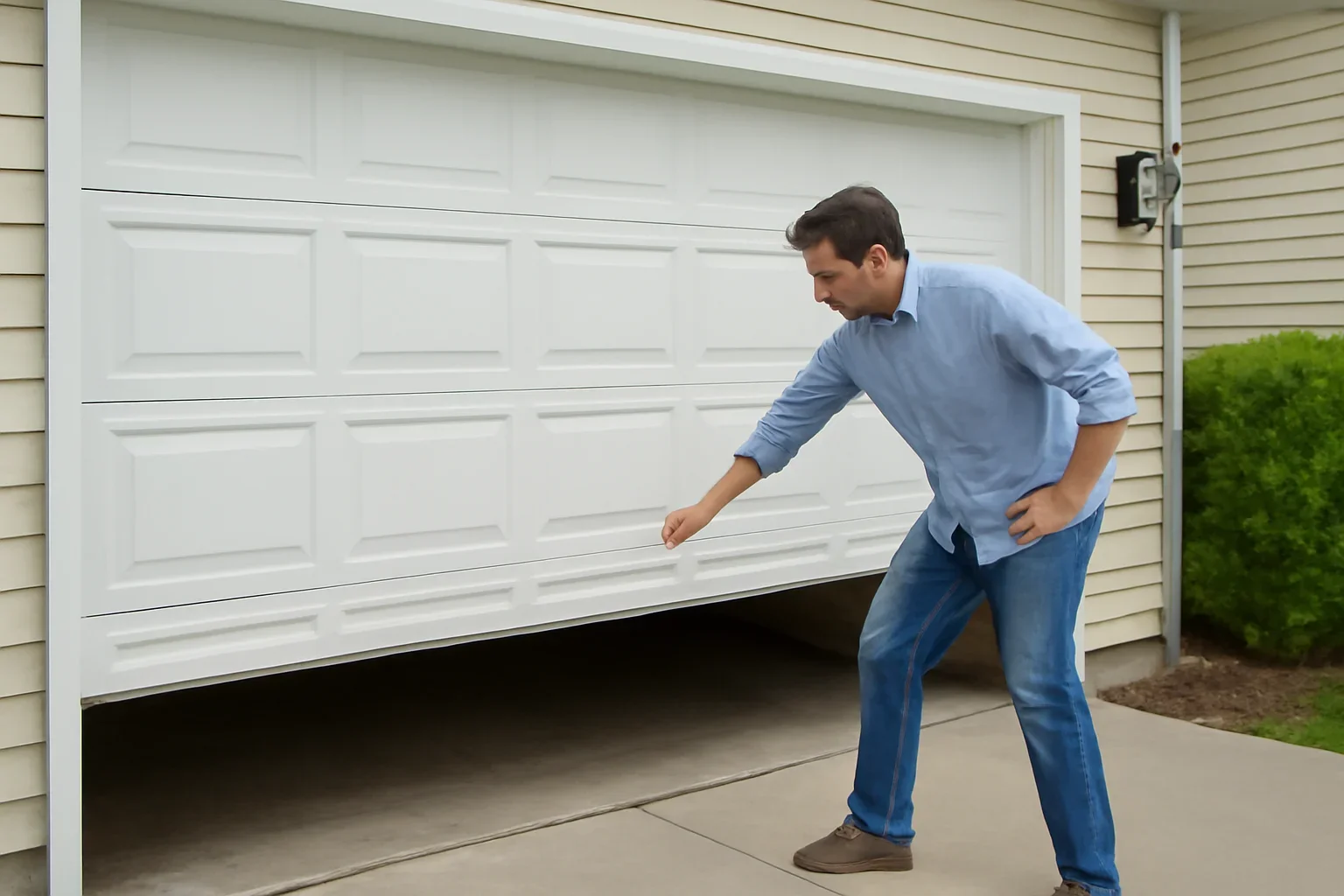
A closing problem is not always an opener-setting issue. Springs, cables, rollers, tracks or door balance may be placing resistance on the system.
Common causes include an object blocking the doorway or sensor beam, dirty or misaligned safety sensors, damaged sensor wiring, direct sunlight interference, an opener control problem, incorrect travel settings or mechanical resistance in the tracks and moving door. The exact cause is easier to narrow down by noting where the door stops and what the opener and sensor lights do.
Where the door stops can help separate sensor and control problems from floor contact, track resistance and wider mechanical concerns.
The sensor path, sensor alignment, wiring or another monitored closing condition may be interrupting the command.
Track resistance, rollers, hinges, door balance, travel settings or a shifting sensor connection may be involved.
The bottom seal, floor shape, debris, travel position or mechanical resistance near the bottom may need review.
Power, wall-control lock mode, remote response, opener diagnostics, manual locks or another control problem may be involved.
These checks do not require opening the motor housing, changing force settings or touching springs, cables and other high-tension parts.
Look for a vehicle tire, bicycle, storage bin, garden tool, cobweb, leaf, snow, mud or other item crossing the opening near the floor.
Note whether each light is steady, blinking, flickering or off. Avoid loosening or moving the brackets when the alignment is uncertain.
Dust, moisture or residue can affect the beam. A lens can be inspected and gently wiped without disconnecting wiring or changing its mounted position.
Note whether the wall control, remote and keypad behave differently. Do not treat a model-specific override as a permanent solution to a sensor or safety fault.
Flashing main lights, arrow indicators, beeps or a wall-control message can help identify the system’s diagnostic category.
Stop the checks if the door shakes, scrapes, tilts or strains. Those symptoms may point beyond the sensors to the moving door.
More force does not correct a blocked sensor, damaged roller, bent track, heavy door or poor balance. It may place additional strain on the opener and reduce dependable reversal.
These are cause areas, not a confirmed diagnosis. More than one condition can create the same symptom.
Many openers use flashing lights or diagnostic indicators to report a safety-sensor, wiring, control or travel concern.
Record the exact pattern and opener model before service.The cause may involve obstruction, alignment, bracket movement, damaged wiring, loss of power or a failed sensor.
Do not replace a sensor until opener compatibility is confirmed.Direct morning or evening sunlight can interfere with some receiving sensors. Moisture and temperature-related movement may also make an existing weak connection more noticeable.
Mention the direction of the garage and time the failure occurs.The sensor circuit may be preventing normal remote closing, or the issue may involve lock mode, programming, remote compatibility or opener controls.
Explain whether the wall control and keypad behave differently.Floor contact, a compressed bottom seal, debris, travel position or resistance near the lower track area may be involved.
Include a photo of the floor line and bottom of the door.Cable, spring, drum, roller, track or balance trouble may be supporting the door unevenly.
Stop operating the door and keep the opening clear.A door-closing problem can involve heavy moving sections and high-tension lifting components. Keep the area clear when the door is unstable or its movement is no longer controlled.
Langley garages range from compact townhouse bays and attached suburban garages to detached workshops and rural outbuildings. Storage, weather exposure, opener age and access conditions can all change the likely cause and service approach.
Low-mounted sensors are especially exposed to bicycles, tires, recycling bins, leaves, mud and moisture. A closing problem may appear suddenly even when the opener worked normally earlier in the day.
The direction of the garage can also matter. Direct low-angle sunlight may affect a receiving sensor on some systems, while older openers may use different indicator lights, wiring and compatible replacement parts.
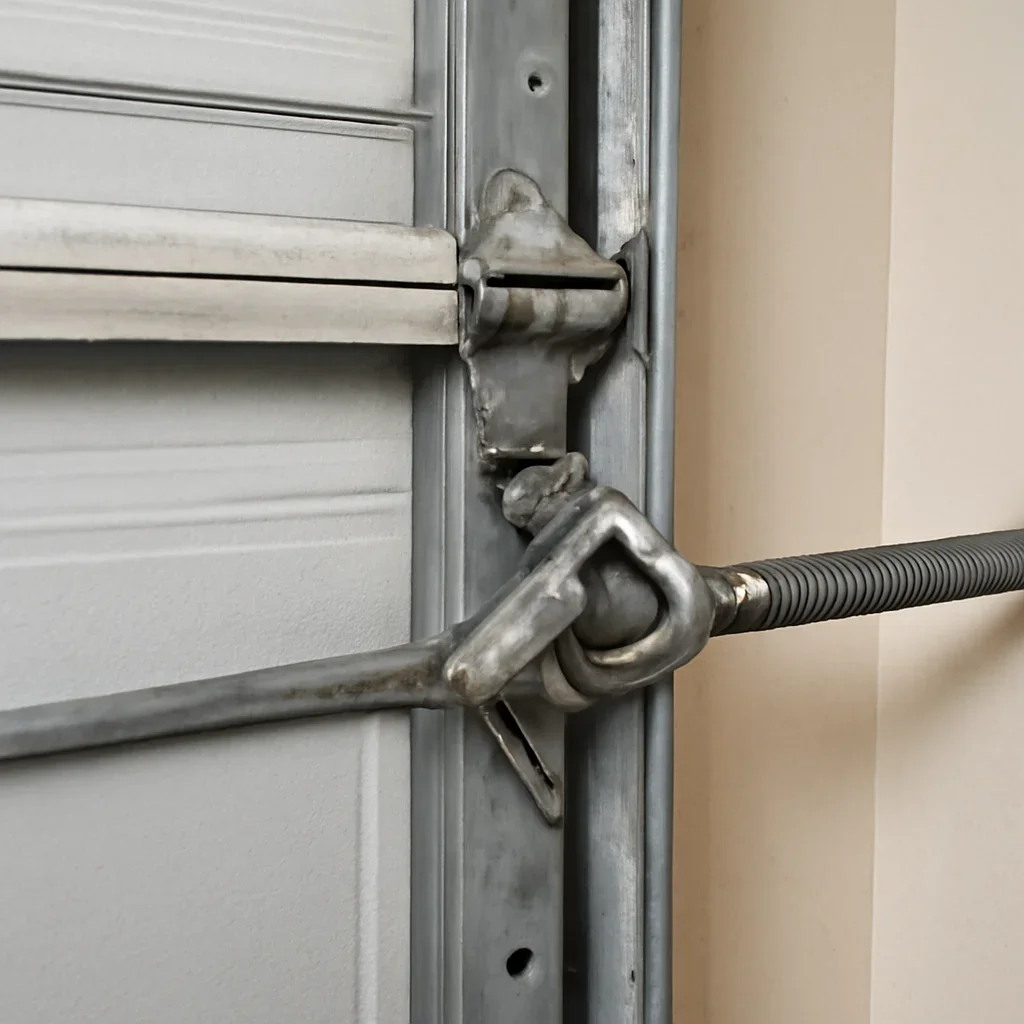
Closing failure can begin with a control or sensor issue, but the opener also responds to physical resistance and movement problems in the garage door.
The right page depends on whether the fault appears limited to the sensor system, the opener and controls or the complete moving door.
Use the sensor guide when one indicator is blinking or off, the door reverses immediately or the problem changes with obstruction, light or bracket position.
Review sensor troubleshootingOpener service may be appropriate when the motor, wall control, remote, travel, receiver, wiring or electronic system remains unreliable.
Review opener repairGeneral repair should assess the tracks, rollers, hinges, springs, cables, balance and opener together when the moving door is part of the symptom.
Review garage door repairYou do not need to identify the failed part. Describe what happens during a normal closing attempt and include what you can safely see.
Include the Langley neighbourhood and whether the garage belongs to a detached home, townhouse, strata property or workshop.
Explain whether it reverses immediately, stops partway, reaches the floor or does not begin moving.
Note whether both indicators are steady or whether one is blinking, flickering or off.
Mention what happens with the wall control, remote and keypad and record any flashing-light pattern or message.
Include scraping, shaking, uneven movement, heavy operation or visible concerns around tracks, rollers, cables and panels.
Explain whether the garage is unsecured, a vehicle is trapped, the problem is intermittent or strata access affects the visit.
These pages cover the opposite opening problem, urgent access needs, pricing and service coverage.
These answers cover sensor lights, reversal patterns, sunlight, controls and signs that the moving door needs service.
Look for a visible object in the doorway or across the sensor path. Then observe both sensor lights, the opener lights and where the door stops. Do not force the door when it is uneven or binding.
The sensor beam may be blocked or unstable, but travel settings, floor contact, track resistance and poor door balance can produce a similar reversal.
A blinking light may indicate obstruction, misalignment, bracket movement, damaged wiring or a sensor fault. Indicator meanings vary by opener model.
Direct sunlight can interfere with the receiving sensor on some systems. A problem that happens around the same time each day may be related to sunlight, alignment or an already weak sensor signal.
This may indicate a safety-sensor or monitored closing problem on some opener systems. The behaviour should not be treated as a permanent workaround, and the sensor circuit should be checked.
The bottom seal, floor shape, debris, travel position or resistance near the lower tracks may be affecting the final part of the closing cycle.
Moisture, tracked-in debris, dirty sensor lenses, stiff seals and changes in existing weak connections can make a closing problem more noticeable. The complete symptom should still be diagnosed.
A reset may remove stored controls or change setup without repairing the cause. Record the model and diagnostic behaviour first, especially when sensor, wiring or mechanical problems are possible.
Stop when the door is crooked, off track, unusually heavy, shaking or supported unevenly, or when a cable, spring, track or lower bracket appears damaged.
Include the Langley address, property type, where the door stops, sensor-light behaviour, opener response, visible damage, unusual sounds and whether access or security is affected.
Share your Langley location, where the door stops, what the sensor and opener lights do, which controls still work and whether the garage is unsecured or a vehicle is trapped. You do not need to diagnose the failed part before booking.