Remote does not respond
The issue may involve the remote battery, programming, accessory compatibility, opener memory or the receiver system.

Get practical help with Craftsman garage door opener motors, rails, trolleys, remotes, keypads, wall controls, sensors, programming and replacement planning.
Craftsman openers have been sold across different product generations, so the brand name alone is not enough to confirm which remote, keypad, logic board or accessory will work. The model number, opener age, control system and learn-button details may all matter.
The opener should also be checked together with the garage door. Broken springs, worn rollers, poor balance, damaged tracks or loose cables can make a working motor appear weak or place unnecessary strain on the drive system.
You do not need to diagnose the failed component. Share the opener model if visible, what each control does, and how the garage door moves.
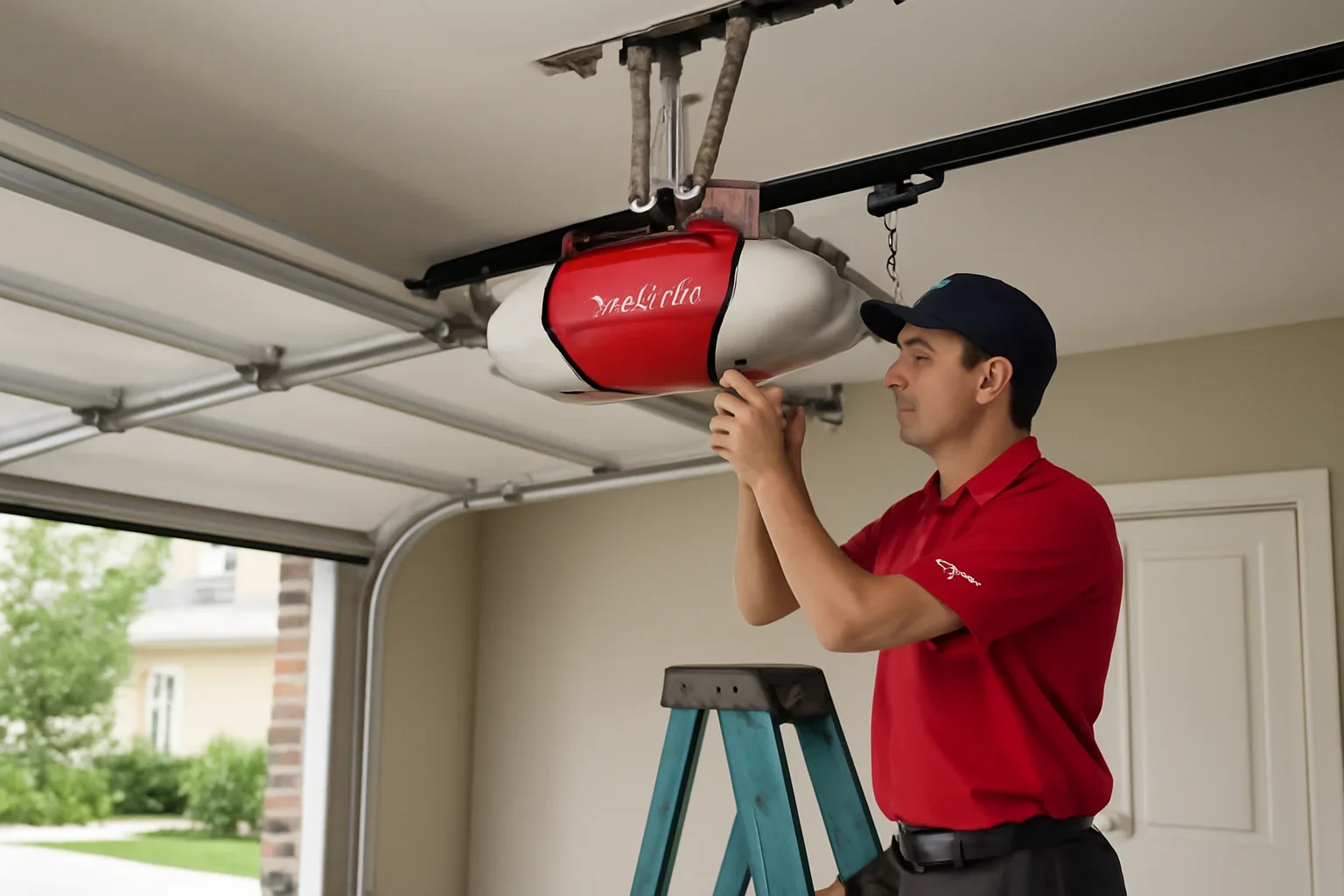
Similar symptoms can come from controls, electronics, the rail, drive components, safety sensors or the garage door itself.
The issue may involve the remote battery, programming, accessory compatibility, opener memory or the receiver system.
A depleted battery, lost programming, damaged keypad or receiver problem may prevent exterior keyless entry from working.
The motor may be receiving power while the drive system, trolley, rail or garage door prevents normal movement.
Sensor alignment, wiring, travel settings, an obstruction, track resistance or poor door balance may be involved.
Flashing lights may point to a sensor, programming or diagnostic condition that should be interpreted for the specific model.
Noise may come from the opener drive and rail, but rollers, hinges, tracks and spring balance should also be considered.
Describe which controls work, what sounds you hear and whether the door moves smoothly when the opener tries to operate it.
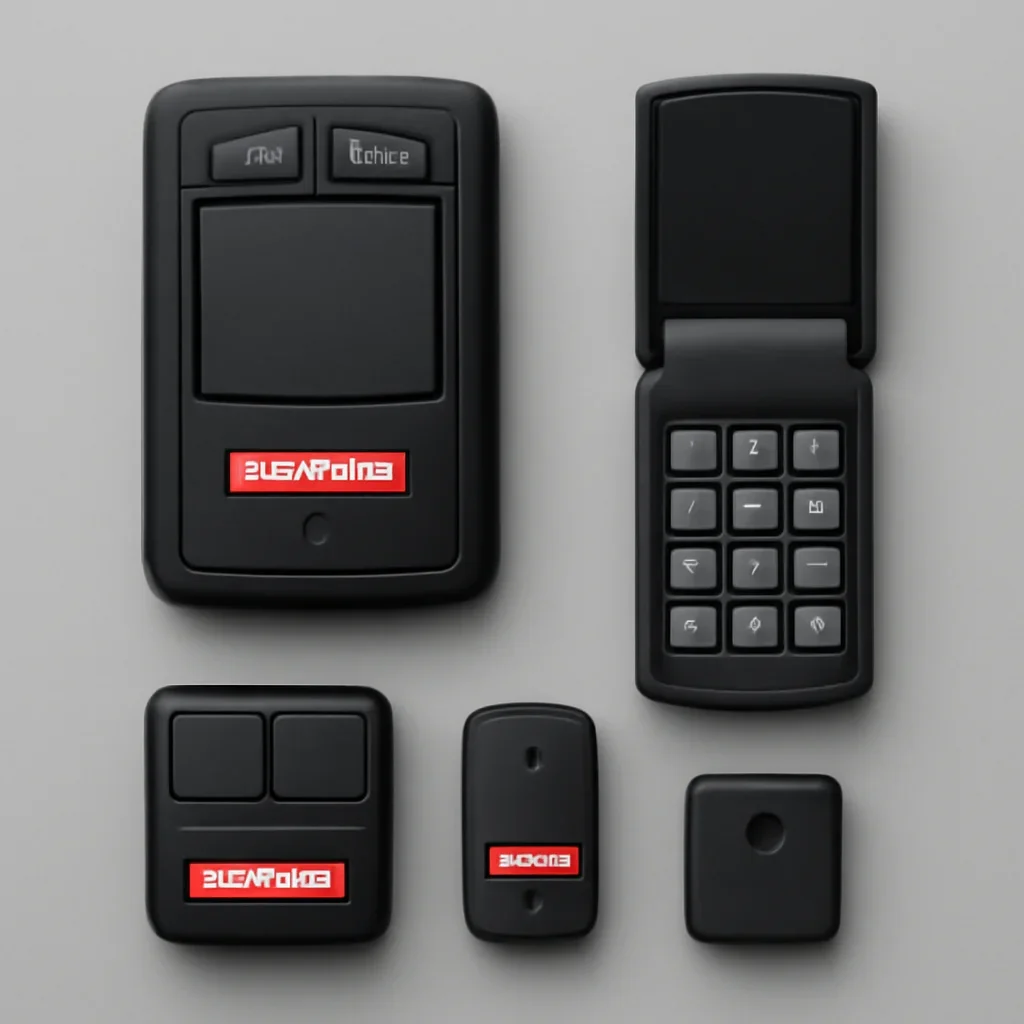
Craftsman opener systems span different ages and control technologies. A clear photo of the opener label and nearby controls is usually more useful than the brand name by itself.
Do not remove the opener cover or touch internal electrical parts. The useful identification details can normally be photographed from the exterior of the motor unit and accessories.
Effective diagnosis separates control and opener faults from resistance or damage within the garage door system.
The assessment may begin with the outlet, opener response, lights, sounds and visible diagnostic behaviour.
A running motor cannot move the door correctly if the trolley, drive mechanism, release or door connection has failed.
Sensor alignment, obstruction, mounting, wiring or electrical problems can affect closing and reversal.
Each control should be tested separately because one accessory can fail while another continues to operate the opener.
Incorrect settings may affect stopping and closing, but settings should not be used to hide a heavy or binding door.
Mechanical resistance can overload the opener or create symptoms that appear to be a motor problem.
Garage layout, frequency of use, shared walls and property access can influence whether repair, quieter operation or replacement features matter most.
Shared walls, bedrooms near the garage, visitor parking and gate access can make noise and service-entry details especially important.
Legacy Craftsman units may have older controls, rails and accessories. Model identification helps determine whether a compatible repair path remains practical.
Households may prioritize quieter operation, keypad access, multiple remotes, connected controls or backup access during an outage.
Garages used as the main family entrance place repeated demand on remotes, keypads, door hardware and the opener drive system.
Longer driveways, detached structures and limited secondary access can make dependable controls and manual-release planning more important.
Include the unit, gate, parking and access instructions required to reach the garage when arranging service.
The answer depends on the confirmed fault, opener age, compatible parts, door condition and the features the household now needs.
A replacement comparison should consider the garage door, ceiling layout, drive noise, controls, power-outage access, accessory availability and the household’s daily routine.
Explore broader product considerations on the garage door openers page.
The goal is to confirm the cause before recommending programming, accessory replacement, opener repair or a complete new system.
Note which controls work, what sounds or lights appear and what the door does when the opener is activated.
Review the opener label, learn-button area, current accessories and available product information.
Inspect balance, springs, cables, tracks, rollers and visible hardware before assuming the motor is responsible.
Review power, controls, sensors, rail travel, trolley operation, settings and reversal behaviour.
Compare programming, compatible accessory replacement, opener repair or complete replacement based on the confirmed condition.
Check door travel, controls, safety reversal, closing position and any newly paired accessories.
Model age, accessory compatibility, door balance, rail condition, electronic faults, required parts, property access and whether the issue can be reproduced can all affect the next step.
For general cost-planning information, review the pricing page.
Do not operate the opener when the door is off track, hanging unevenly, supported by a loose cable, unusually heavy or visibly damaged around the spring system. Keep the opening clear until the door can be assessed.
Use these pages to compare programming, compatible integrations, general troubleshooting and other garage door features.
Review practical setup guidance when the opener works but a remote or keypad needs to be paired or reset.
Review programming guidanceCompare account, accessory, control and compatibility considerations before planning connected access.
Explore integrationsBrowse practical guidance about troubleshooting, controls, sensors, maintenance and common owner questions.
Visit supportCompare wider garage door and opener features when planning a repair, replacement or upgrade.
Browse featuresThese answers cover model identification, remotes, keypads, sensors, repair decisions and replacement planning.
Many symptoms may be repairable, but the practical option depends on the model, confirmed fault, opener condition, compatible parts and whether the garage door itself moves correctly.
Photograph the product label on the motor unit without removing the cover. Include the model and serial information, learn-button area, wall control, remote and keypad.
No. Compatibility can depend on the opener’s model, age, receiver technology and learn-button system. Confirm compatibility before purchasing a replacement remote.
The remote battery, programming, remote compatibility, opener memory or receiver may be involved. Testing each control separately helps narrow down the cause.
Possible causes include a depleted battery, lost programming, incompatible replacement equipment, keypad failure or a receiver problem within the opener.
The trolley may be disconnected, the rail or drive system may be damaged, or the garage door may have a spring, cable, balance or hardware problem.
Replacement may be worth comparing when failures repeat, compatible parts or controls are limited, operation is too noisy, or the existing system no longer provides the access features the household needs.
Include the Langley location, model-label photo, current door position, controls that work, sounds or flashing lights, sensor behaviour, access details and safe photos of the complete system.
Share the model label, which controls work, what the motor does and how the garage door moves. You do not need to know whether the final answer will be programming, repair, accessories or replacement.
Craftsman is a trademark of its respective owner. This independent local service-information page does not claim manufacturer authorization, endorsement or affiliation.