Damaged or dented panel
A section may be bent, cracked, creased or damaged by a vehicle. Panel replacement depends on the model, size, design, colour and compatibility with the remaining sections.

Get practical help identifying, repairing, maintaining or replacing a Wayne Dalton residential garage door in Langley.
Wayne Dalton doors can differ by model, panel construction, insulation, track arrangement, window design and counterbalance system. Some use conventional exposed springs, while others use an enclosed TorqueMaster system above the door.
Before ordering a panel, spring, cable, roller, seal or other part, the complete system should be identified. A component that looks similar may not match the original door dimensions, hardware or operating setup.
Include photos of the complete door, product labels, spring area, tracks, visible damage and the opener connection.
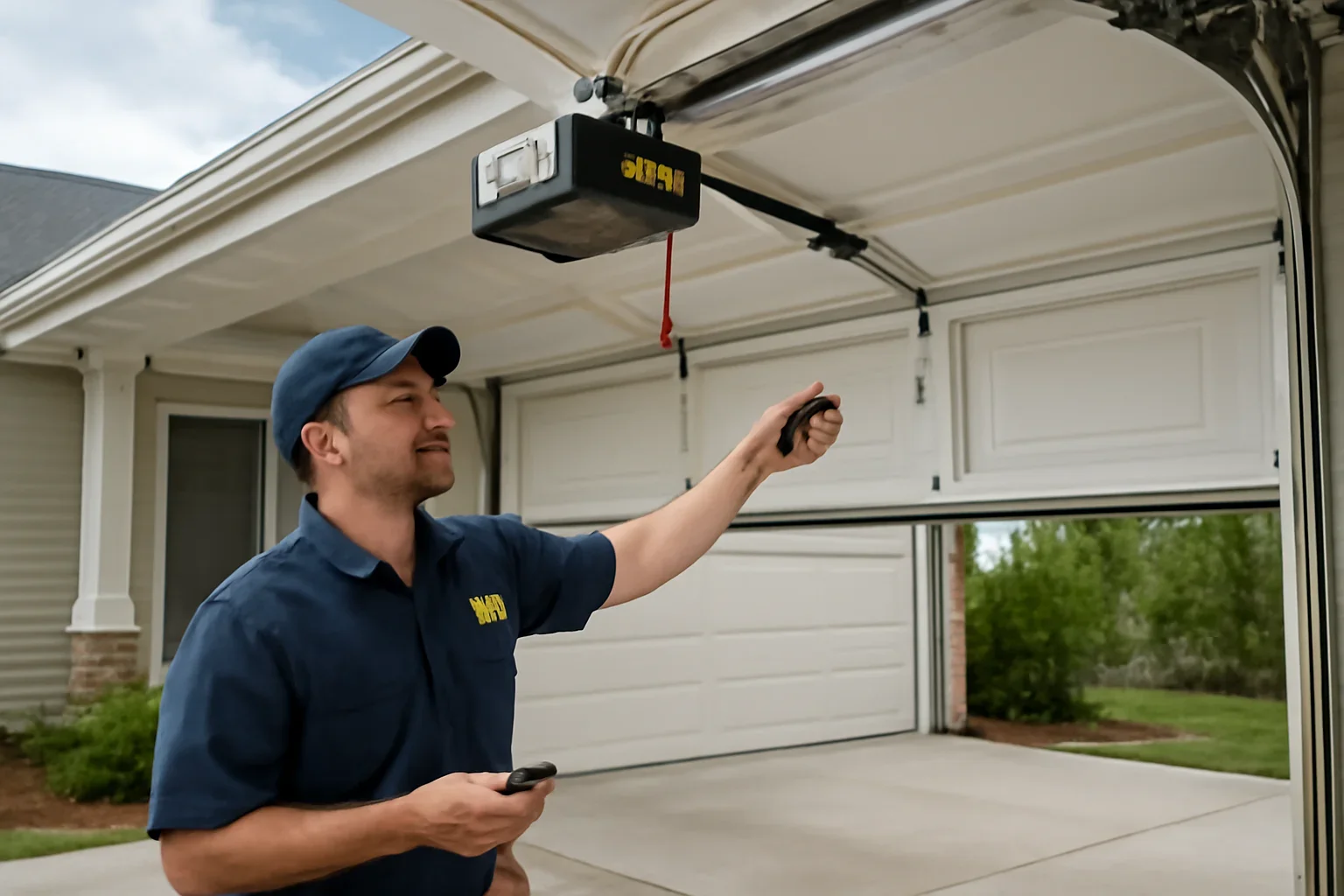
The visible symptom may involve one component or several connected parts. These common situations help narrow down the appropriate service path.
A section may be bent, cracked, creased or damaged by a vehicle. Panel replacement depends on the model, size, design, colour and compatibility with the remaining sections.
The door may feel unusually heavy, stop lifting or sit unevenly. The counterbalance system must be identified before repair options are confirmed.
Cable problems can leave one side lower than the other and may be connected to the spring, drum, bottom fixture or track system.
Grinding, shaking, rubbing or a roller leaving the track may involve worn rollers, bent tracks, loose brackets or poor door balance.
Worn bottom seals, perimeter trim, uneven floors or closing alignment can allow light, moisture, debris and cold air into the garage.
Replacement may be worth comparing when the existing door is repeatedly failing, poorly insulated, heavily damaged or visually dated.
Clear photos and a description of the symptom can help determine which labels, measurements and system details are still needed.
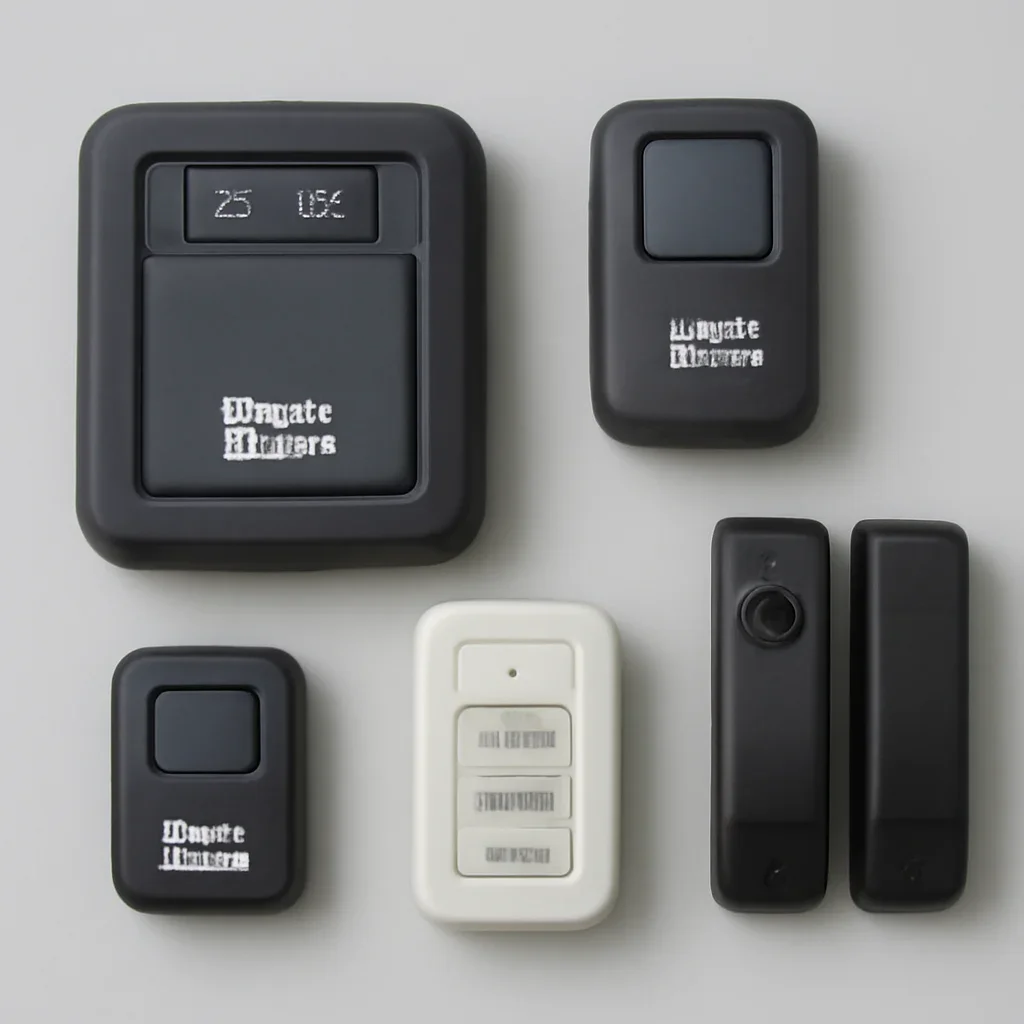
Brand identification is only the first step. Wayne Dalton has produced different steel, wood, vinyl, fiberglass and aluminum-glass doors with different panel profiles and hardware systems.
Photograph visible information from a safe position. Do not loosen covers, springs, cables, lower brackets or counterbalance hardware to find a label.
Similar-looking doors can use different construction, hardware and counterbalance components. Matching the complete system reduces the risk of choosing an unsuitable part.
Some Wayne Dalton doors use springs enclosed inside a tube above the opening. Others may use a different torsion or extension configuration.
A replacement section must match more than its colour. Height, thickness, edge profile, embossing and hinge locations can matter.
Track radius, roller size, jamb brackets and overhead supports must work with the complete door and available ceiling space.
Wayne Dalton doors range from single-layer steel to insulated multi-layer construction. Performance depends on the complete door, joints and perimeter seals.
Window inserts, glass, panel embossing and factory finishes can make matching an older damaged section more difficult.
The opener should connect to suitable reinforcement and move a properly balanced door rather than compensate for damaged mechanical parts.
Product lines and availability can change. These examples help explain why the model number is more useful than appearance alone.
These model numbers may be associated with entry-level steel construction, with differences in layering and insulation.
These model numbers may appear on insulated steel doors offered with several traditional and contemporary panel designs.
These models are associated with multi-layer insulated construction and several panel, colour and window choices.
This model combines an insulated steel door with carriage-inspired embossed designs and optional window configurations.
This model uses larger embossed sections and an insulated steel construction intended for a more distinctive exterior appearance.
Material, section construction, finish care and replacement options can be different from standard residential steel doors.
A discontinued model does not automatically mean that the complete door must be replaced. It does mean that panel, hardware and counterbalance compatibility should be confirmed before work is approved.
The best repair or replacement choice depends on the garage layout, home style, daily use and access conditions rather than the brand name alone.
Newer detached homes and townhome garages may place more emphasis on quiet operation, insulation, exterior consistency and strata approval.
Single and double attached garages may have doors from different construction periods, making model and track identification important before panel work.
Older residential garages may contain previous repairs, changed openers or discontinued door components that need to be assessed as a complete system.
Traditional, carriage-inspired and heritage-sensitive exteriors may make panel pattern, window layout and colour coordination especially important.
Wider driveways, detached garages, workshops and less common opening sizes may require additional measurement and access planning.
Perimeter seals, bottom retainers, finish condition, surface corrosion and driveway drainage should be considered during repair or replacement planning.
The appropriate choice depends on safety, model compatibility, overall condition and whether a focused repair is likely to restore dependable operation.
A replacement door should be assessed as a complete system. Tracks, springs, cables, rollers, brackets, seals and opener reinforcement should suit the selected door and opening.
The process starts with identification and door condition before compatible repair or replacement options are compared.
Explain what happened, how the door moves and whether the issue affects safety, security or vehicle access.
Review visible labels, panel design, dimensions, construction, windows and available installation information.
Determine whether the system uses TorqueMaster or another spring and cable arrangement.
Check panels, tracks, rollers, hinges, cables, seals, brackets and opener reinforcement together.
Review focused repair, compatible component replacement, panel work or complete door replacement.
Check full travel, balance, closing position, seals, hardware and opener interaction after approved work.
Door model, dimensions, spring system, panel availability, finish, windows, track condition, connected damage, property access and opener requirements can all change the final scope.
Review the pricing page for general planning before requesting a property-specific estimate.
Enclosed and exposed counterbalance systems can remain under substantial tension. Do not loosen tubes, winding hardware, cables, drums or lower brackets. Keep clear of a door that is crooked, unsupported or partly outside its tracks.
These pages help with complete door selection, repair planning, insulation and wider product decisions.
Compare complete door styles, materials, panel designs, windows and construction options.
Explore garage doorsReview insulation, sealing and comfort considerations for attached or frequently used garages.
Compare insulated doorsCompare drive systems and controls when the opener may also need to be changed with the door.
Explore garage door openersA garage door and opener work together. Use these resources when the motor, controls or connected-access features also need attention.
Review opener repair when the motor, rail, sensors, wall control, remote or keypad is not operating correctly.
Review opener repairCompare replacement when the existing opener is aging, noisy, unreliable or unsuitable for the selected door.
Review opener replacementExplore compatibility considerations for connected controls, access systems and other supported integrations.
Explore integrationsThese answers cover model identification, TorqueMaster systems, panel matching, repairs and replacement planning.
Check visible labels, original paperwork and the interior surface of the door without dismantling any hardware. Include photos of the full door, panel design, tracks, spring area and windows.
TorqueMaster is an enclosed counterbalance design used on some Wayne Dalton doors. Its springs are contained inside a tube above the opening rather than remaining exposed.
Sometimes, but compatibility must be confirmed. The replacement section may need to match the model, width, height, thickness, joint profile, panel design, windows, colour and remaining door hardware.
Appearance alone does not confirm compatibility. Section joints, hinge positions, thickness, construction and counterbalance requirements may differ even when two panels look similar.
A conversion may be possible in some situations, but it requires an assessment of the door, tracks, headroom, weight, cables, brackets and available mounting conditions.
Reuse should not be assumed. A replacement door should have tracks and hardware suited to its dimensions, weight, rollers, spring system and installation requirements.
It may be when the problem is focused, suitable parts are available and the rest of the system remains in good condition. Wider replacement may be more practical when damage and wear are extensive.
Include the Langley location, property type, full-door photos, visible labels, opening size if known, current door position, spring-system photo, damaged area and opener information.
Share photos of the door, model information, spring area, visible damage and how the system is moving. You do not need to know whether the final answer will be a part, panel, repair or complete replacement.
Wayne Dalton and TorqueMaster are trademarks of their respective owner. This local service-information page does not by itself establish manufacturer authorization, affiliation or warranty eligibility. Confirm warranty requirements before approving work.