Opener installation
Choose this path when you need a properly matched opener installed for a residential door, detached garage or daily-use garage entrance.
Book installation
Install a garage door opener that matches your door weight, garage layout, daily use, safety sensors and control preferences.
Milner properties can include attached garages, detached garages, workshops, older openings and newer residential builds. The right opener should be matched to the door, not chosen in isolation. Door balance, rail clearance, opener location, ceiling space, power access, sensor placement and how often the garage is used all affect the installation path.
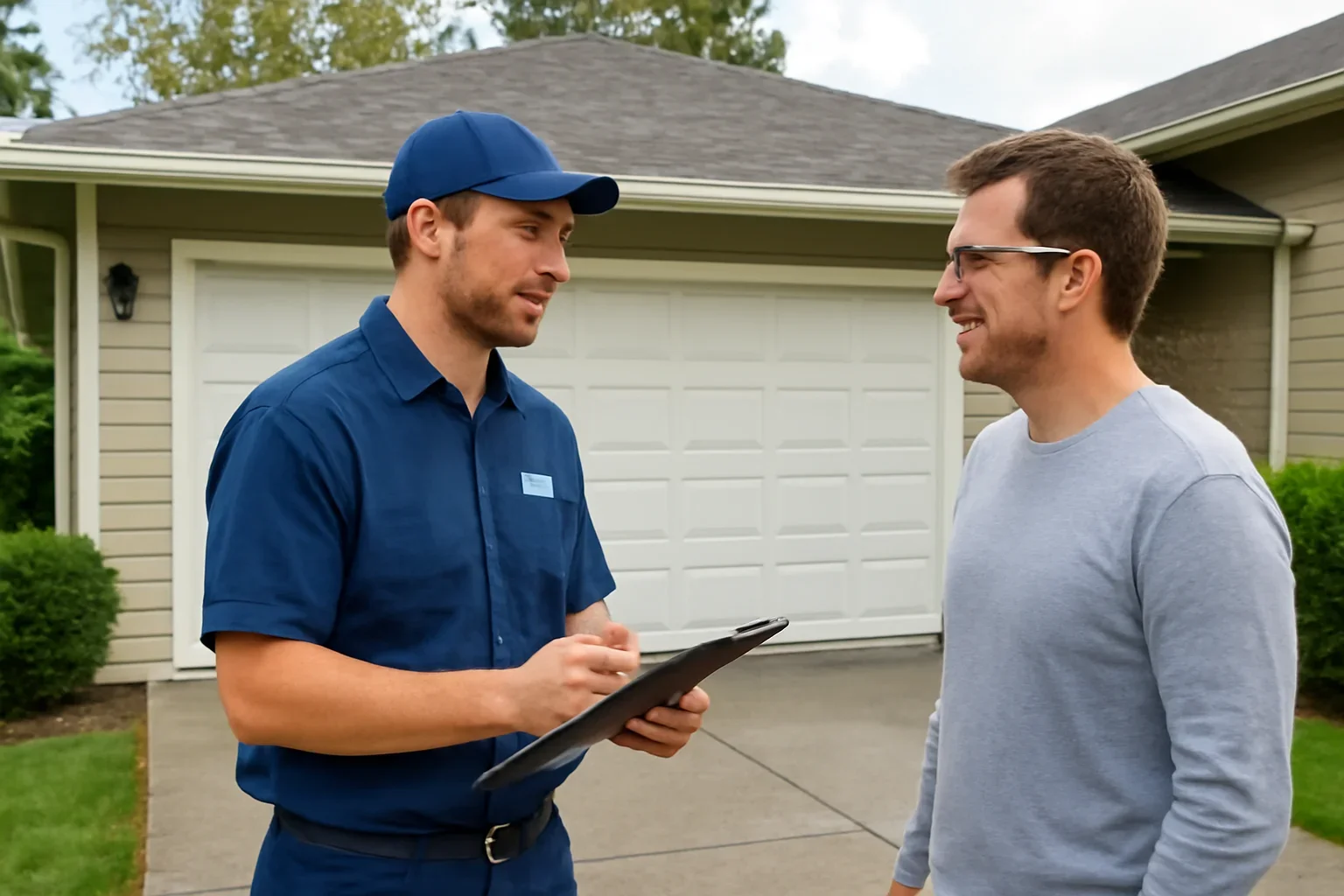
Start here when the current opener is missing, outdated, unreliable or no longer suitable for the door.
Review opener repair when the motor, remote, keypad, wall control, sensors or travel settings may be the issue.
Compare what can affect installation scope before requesting service or an estimate.
A new opener should not be installed just because the motor stopped working. The door itself needs to move safely and smoothly first, because the opener is designed to guide a balanced door, not force a heavy or damaged one.
Choose this path when you need a properly matched opener installed for a residential door, detached garage or daily-use garage entrance.
Book installationRepair may be worth checking first if the opener responds inconsistently, reverses, clicks, strains or has control issues.
View opener repairIf the door is heavy, crooked, noisy, stuck, off track or hard to lift manually, repair should be reviewed before opener installation.
View garage door repairIf the door is damaged, poorly balanced or near the end of its useful life, compare replacement before installing a new opener.
Compare replacementDescribe the opener brand if known, what happens when you press the remote or wall control, and whether the door moves smoothly by hand. This helps separate a motor issue from a door balance or hardware issue.
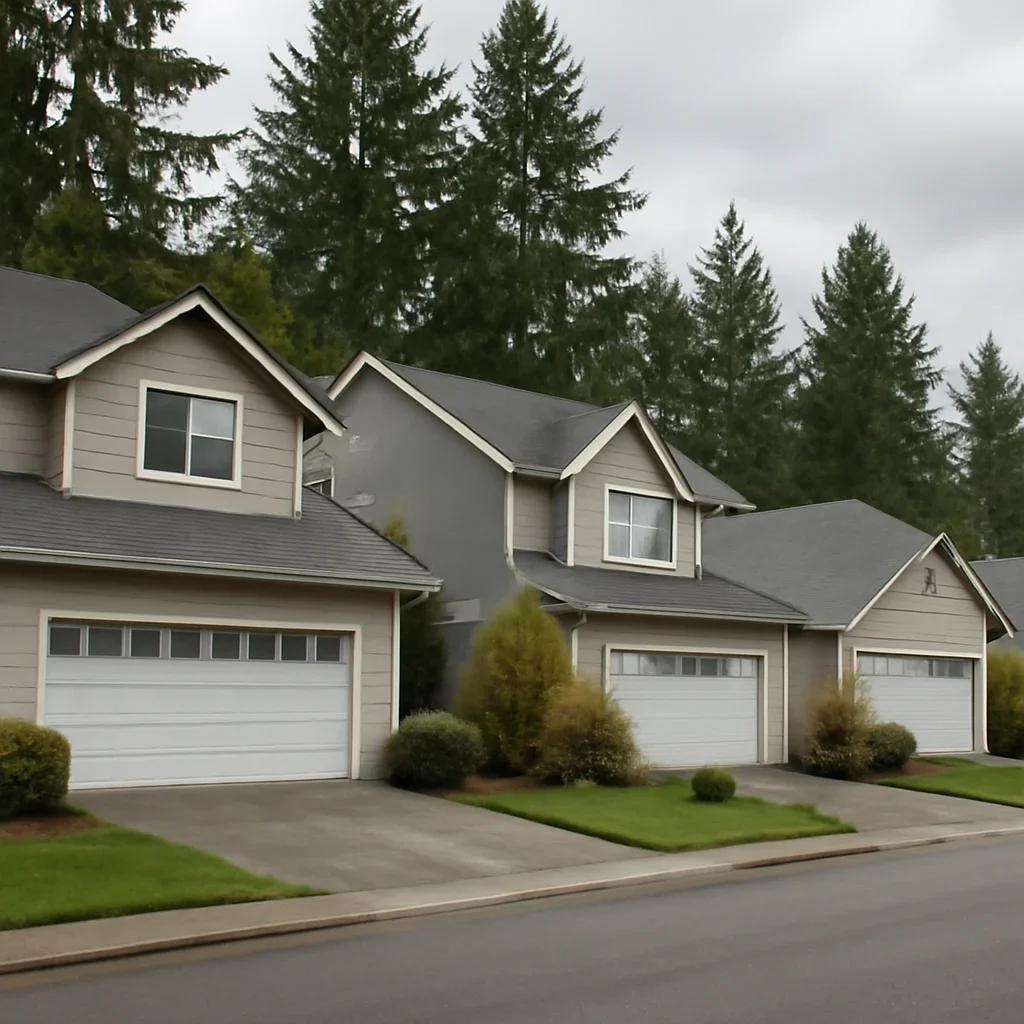
Milner is not limited to one type of garage. Some homes use the garage as a main daily entrance. Others have detached structures, workshops, older framing, taller doors or access conditions that make opener placement and setup more important.
A practical opener installation should consider the full door system, not just horsepower or brand. The opener rail, ceiling clearance, spring balance, sensor placement, power access, remote use, keypad needs, smart-control goals and backup access should all fit the property.
Include your Milner address or postal code, garage type, current opener brand if known, and whether the door is attached, detached or part of a workshop.
Installing an opener on a door with balance, hardware or alignment problems can lead to poor performance and added strain. These checks help avoid matching a new motor to a door that needs repair first.
A door that feels unusually heavy, drops, rises unevenly or sticks may need service before an opener is installed.
Rough travel, scraping, rattling or binding can increase opener strain and should be reviewed before setup.
Wall controls, remotes, keypads, safety sensors and smart-control setup should match how the garage is used.
Ceiling space, opener rail length, outlet location, door height and storage around the opener area can affect installation.
Do not install or keep using an opener to force a door that is jammed, crooked, unusually heavy, off track or visibly damaged. The door should be safe and balanced before the opener is relied on.
A responsible opener recommendation should be based on the door condition, daily use, garage layout and control preferences.
Door size, weight, balance, track condition, rollers, spring setup and manual movement should be considered before opener selection.
Opener type, rail setup, ceiling clearance, noise goals, access needs, keypad use and smart-control preferences are compared.
The installation should include safe travel settings, sensor alignment, remote or keypad setup and clear guidance on normal use.
New opener installation may be appropriate when the current unit is outdated, unreliable, missing features, poorly matched to the door or not worth repairing.
A new opener may not fix the problem if the door itself is heavy, crooked, jammed, damaged or poorly balanced. The door system should be reviewed before installing a new motor.
You do not need to know the perfect opener model before reaching out. A few property and door details can help route the request properly.
Mention whether it is a single, double, tall, attached, detached, shop or daily-use garage door.
Share the opener brand if known and whether it clicks, hums, strains, reverses, flashes or does not respond.
Explain whether you need remotes, keypad access, wall control setup, smart control or help programming the opener.
Note low ceiling clearance, storage near the ceiling, unusual door height, outlet location or detached garage access.
Useful photos include the inside of the door, the current opener if present, ceiling area, tracks, outlet location, wall control and safety sensor area.
These answers help narrow down whether you need opener installation, opener repair, door repair or replacement planning.
Opener installation may be needed when there is no opener, the current opener is unreliable, the motor is outdated, controls no longer suit the home, or the opener is not properly matched to the door.
Yes. The door should be balanced, aligned and able to move smoothly before a new opener is installed. If the door is heavy, uneven or jammed, repair should be reviewed first.
Usually no. A hard-to-lift door may involve spring balance, rollers, tracks, cables or door weight. The opener should not be used to force a door that has a mechanical problem.
In many cases, control options can be discussed during opener installation. Mention whether you want keypad access, remote setup, wall control, smart-control support or help programming the opener.
Door size, door balance, opener type, rail setup, ceiling clearance, outlet access, safety sensor placement, wall control location, keypad needs and existing hardware can all affect the scope.
Repair may be worth checking when the opener is newer and the issue is limited to controls, sensors, settings or a specific component. Replacement may be more practical when the opener is outdated, unreliable or poorly matched to the door.
Share your Milner location, door size, garage type, current opener brand if known, what happens when the opener runs, and whether you need remotes, keypad access or smart-control setup.
These pages help separate opener installation from opener repair, door repair, same-day service, cost questions and programming support.
Use the booking page when you are ready to arrange opener installation or need the current system reviewed. Use the contact page if you want to send photos, confirm Milner coverage or ask whether the opener should be repaired first.
Send your Milner location, door size, current opener details, control needs and whether the door moves smoothly. This helps route the request toward opener installation, opener repair, garage door repair or replacement planning.