Full garage door replacement
Consider replacement when panels are badly damaged, the door has recurring issues, seals are failing, the system is outdated or the door no longer suits how the garage is used.
Review replacement planning
Replace an aging, damaged, noisy or poorly sealed garage door with a system that fits the opening, opener, daily use and property layout in Milner.
Milner properties can include established homes, detached garages, shops, rural-style lots and newer residential pockets. That mix matters because a replacement door should be planned around more than the outside appearance. Door size, track layout, spring setup, opener condition, ceiling clearance, driveway access and weather exposure can all change the right recommendation.
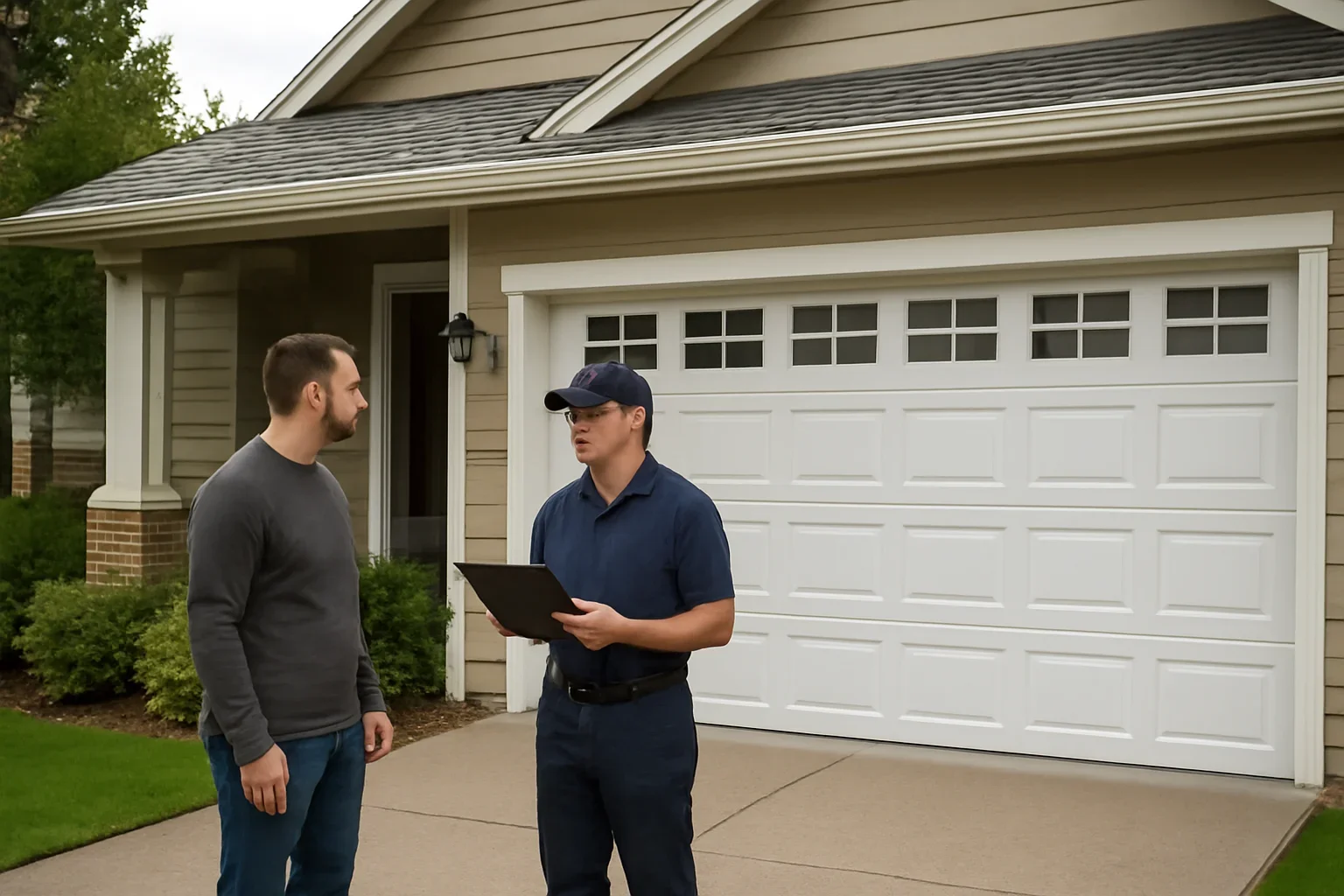
Start here for planned door replacement, design updates, insulation improvements or larger garage door projects.
Compare repair first when the door may only need hardware, alignment, spring, cable, roller or track service.
Use the urgent repair path if the door cannot secure the opening, blocks access or appears unstable.
A garage door replacement should solve the actual problem. Sometimes the right path is a full new door. Other times, the issue may be limited to the opener, tracks, springs, rollers, seals or controls.
Consider replacement when panels are badly damaged, the door has recurring issues, seals are failing, the system is outdated or the door no longer suits how the garage is used.
Review replacement planningRepair may be enough when the door sections are still usable and the problem is isolated to a replaceable part, adjustment, cable, roller, track or spring-related issue.
Compare repair serviceIf the door itself is in reasonable condition but the motor, remote, keypad, wall control, sensors or reversing behaviour is the issue, opener service may be the better first step.
Review opener repairDoor size, insulation, windows, finish, hardware, track layout, opener compatibility and site access can all affect the replacement scope.
View cost factorsSend photos of the inside, outside, tracks, opener and visible damage when possible. A clear description helps separate a planned replacement from a focused repair or urgent safety concern.
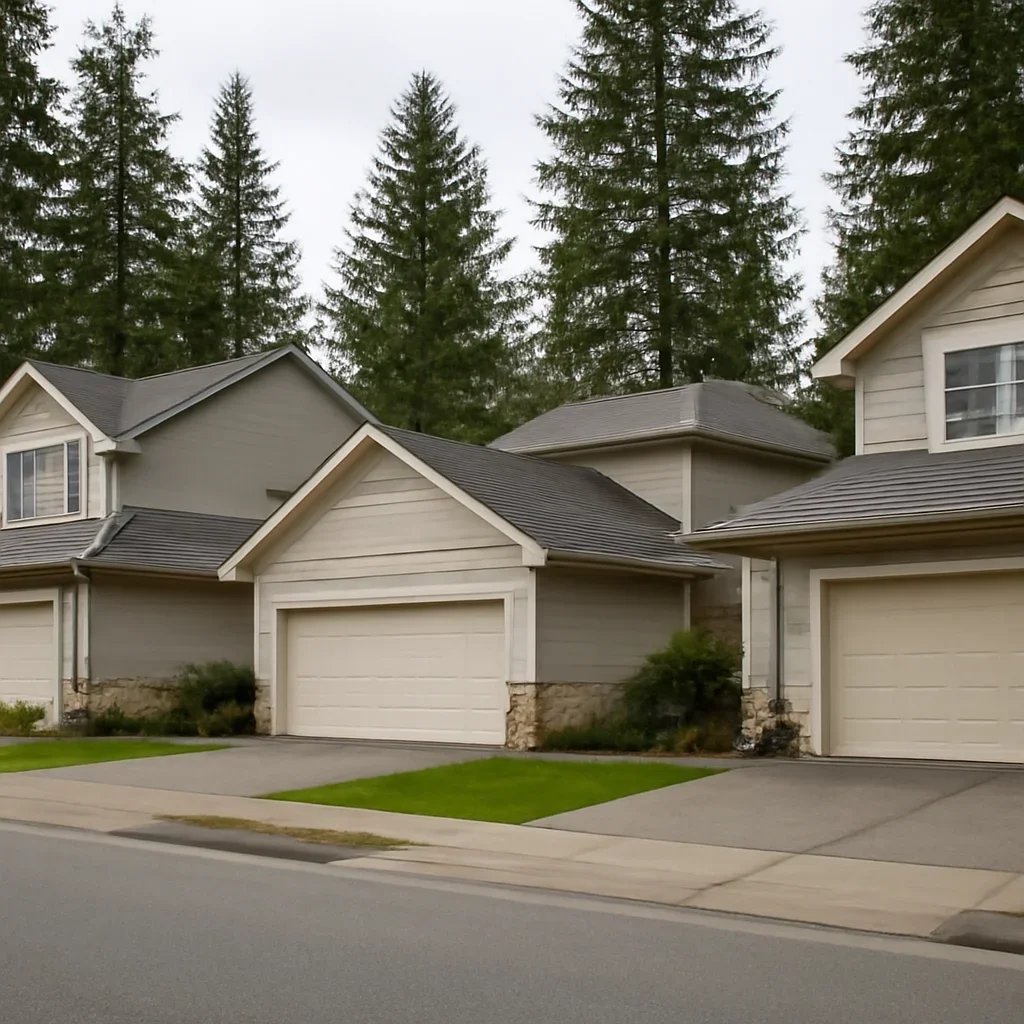
Milner is not a one-size-fits-all service area. Some properties need a standard residential replacement. Others may involve detached garages, workshop doors, rural access, older framing, non-standard openings or a door that has been repaired several times already.
A better replacement plan should look at the full system before recommending a door. The opening, door weight, opener strength, track style, ceiling space, driveway slope, weather seals and daily use all affect whether the new door will operate smoothly after installation.
Include your Milner address or postal code, property type, door size if known, and any access details when requesting service or an estimate.
One noisy part does not automatically mean a full replacement is needed. Replacement becomes more practical when multiple concerns affect safety, reliability, appearance, sealing or long-term use.
Multiple bent, cracked, rusted, rotted or separating panels can affect how the door hinges, seals and moves through the tracks.
If rollers, hinges, cables, springs, panels and seals are all showing age, replacing one part at a time may not solve the broader system wear.
Poor sealing, thin construction, road noise, rain exposure or temperature swings can matter more when the garage is attached or used often.
A garage used as a main entrance, workspace, storage area or shop may need better durability, quieter movement, insulation or access control.
Do not keep operating a garage door that is hanging unevenly, folding, off track, unusually heavy or unable to secure the opening. Do not adjust springs, cables, drums or bottom brackets yourself.
A planned replacement should confirm that the new door can travel correctly, balance properly, seal reasonably and work with the opener and available space.
Measurements, visible damage, framing, headroom, side room, floor condition, track layout and clearance are checked before comparing options.
Springs, cables, rollers, tracks, hinges, seals, opener rail, safety sensors and controls should be reviewed before assuming they can be reused.
Door construction, insulation, window placement, panel style, colour, hardware, opener fit and long-term use are compared before approval.
A focused repair may be the better first step if the door sections are still in serviceable condition and the issue is limited to a specific component or adjustment.
Replacement may be more sensible when the existing door has widespread wear, repeated failures, poor sealing, outdated construction or no longer works well for the property.
You do not need technical knowledge. A simple description of the property, door condition and goals can make the next step clearer.
Share the Milner address, postal code, driveway access, gate details if relevant, parking limits and whether the garage is attached or detached.
Mention whether it is a single, double, tall, custom, workshop or older door, and describe dents, rust, gaps, rot, panel damage or seal problems.
Explain whether the opener works, reverses, strains, flashes, disconnects, or has issues with the remote, keypad, wall control or app.
Note whether the priority is safety, quieter movement, better sealing, insulation, curb appeal, security, smart controls or long-term reliability.
Use the estimate path for planned door replacement, style updates, insulation changes or larger projects. Use booking if the door is currently stuck, unsafe or blocking access.
These answers help narrow down whether you should request a replacement estimate, book repair service or ask for urgent support.
Replacement planning becomes more urgent when the door is badly damaged, unstable, cannot secure the opening, blocks access, hangs unevenly or appears unsafe to operate. If the issue is active and affects access or safety, use the service booking path first.
Not always. The opener should be reviewed for lifting capacity, rail condition, safety reversal, sensor alignment, control response and compatibility with the new door. If the opener is unreliable or poorly matched, it may be worth comparing during the same planning stage.
Sometimes. A single panel or focused hardware issue may be repairable when the rest of the door is in serviceable condition and compatible parts are available. Replacement becomes more practical when damage, wear or compatibility concerns affect several parts of the system.
Door size, insulation, window layout, panel style, finish, track layout, spring setup, opener compatibility, framing condition, weather seals, removal needs and site access can all affect the scope.
Helpful photos include the outside of the door, inside of the door, tracks, opener, visible damage, bottom seal, side seals and the area around the ceiling where the tracks and opener are installed. Only take photos from a safe position.
They can. Milner properties may involve detached garages, older openings, shops, rural-style access or different ceiling and driveway conditions. Newer townhouse areas may involve strata appearance rules, shared access or tighter garage layouts. The actual property should guide the recommendation.
Use the free estimate page for planned replacement, design changes, insulation upgrades or larger garage door projects. Use the contact page if you need to confirm service-area coverage before choosing a service path.
These pages help separate a whole-door replacement from a focused repair, opener issue, urgent service request or estimate enquiry.
Choose an estimate when the door is usable and you are planning a replacement. Choose service booking when the door is stuck, unsafe, blocking access, open, unable to close or creating a security concern.
Send your Milner location, door photos, visible damage, opener details and replacement goals. This helps confirm whether you need a planned estimate, repair-first review or urgent service path.