Belt drive openers
A belt drive opener may be worth comparing for attached garages, bedrooms near the garage, or households that value quieter daily use.
Compare opener drives
Get help choosing and installing a garage door opener that fits your door size, daily use, noise expectations, control preferences, and Murrayville home setup.
A good opener installation is not just about mounting a new motor. The door should be suitable for opener use, the hardware should move smoothly, and the controls should match how your household uses the garage every day.
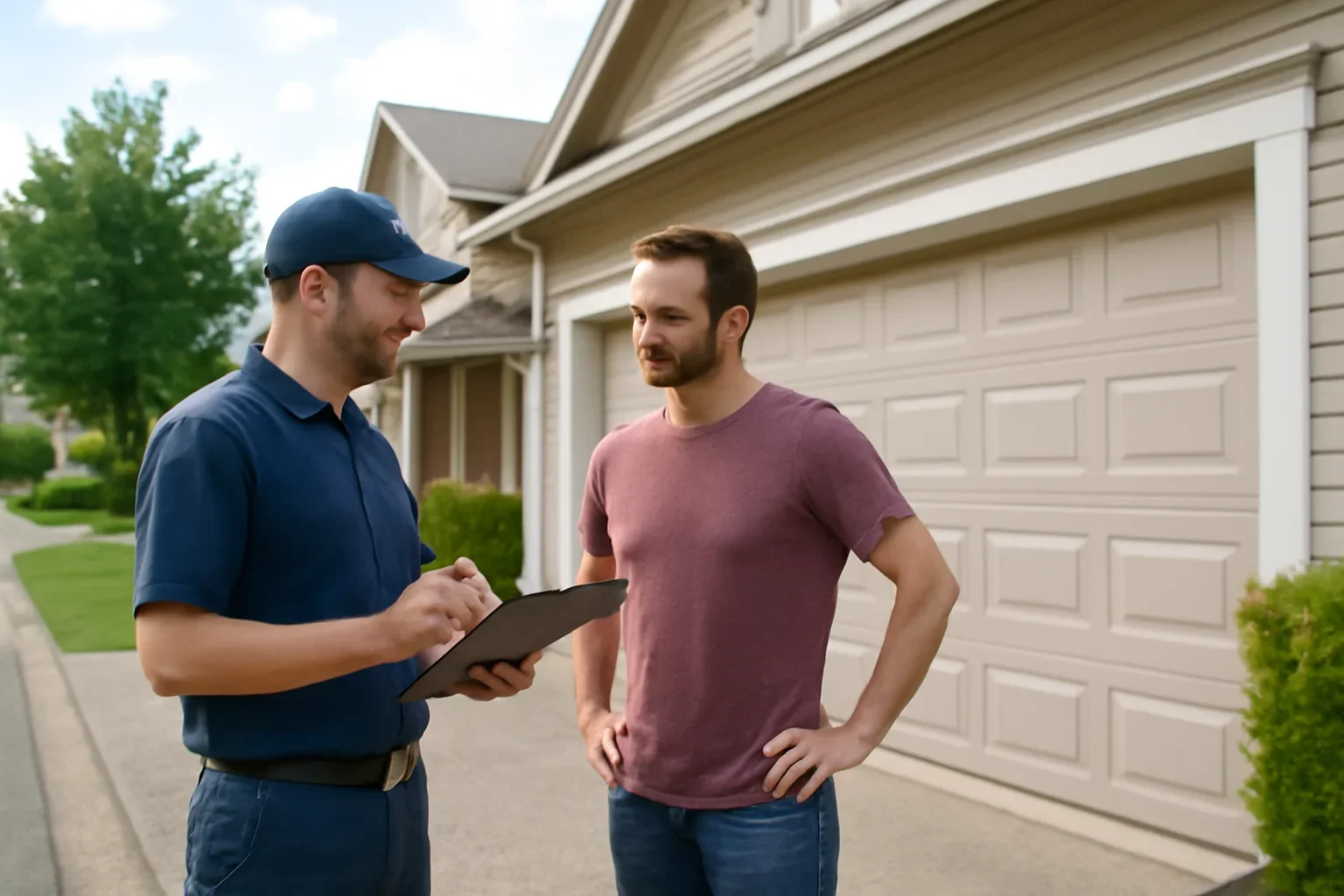
Review chain drive and belt drive considerations before choosing an opener for a Murrayville home.
Understand the factors that can affect installation planning, parts, setup, and final service scope.
If your current opener still works sometimes, compare whether repair or replacement makes more sense.
Murrayville homeowners may use the garage as the main family entry, a workshop, storage space, parking area, or security point. The right opener should match the door weight, door condition, noise needs, control preferences, and how often the door cycles each day.
A belt drive opener may be worth comparing for attached garages, bedrooms near the garage, or households that value quieter daily use.
Compare opener drivesA chain drive opener may suit some homes where practical function, familiar hardware, and straightforward operation are the priority.
Review chain vs beltInstallation should include control setup so the opener works properly with the wall button, remotes, keypad, and household access needs.
View opener programmingThe opener should not be expected to compensate for a heavy, unbalanced, damaged, or poorly moving door system.
Check door repairShare how you use the garage, whether it is attached to the home, and what matters most: quieter operation, basic reliability, keypad access, remote setup, or smart control features.
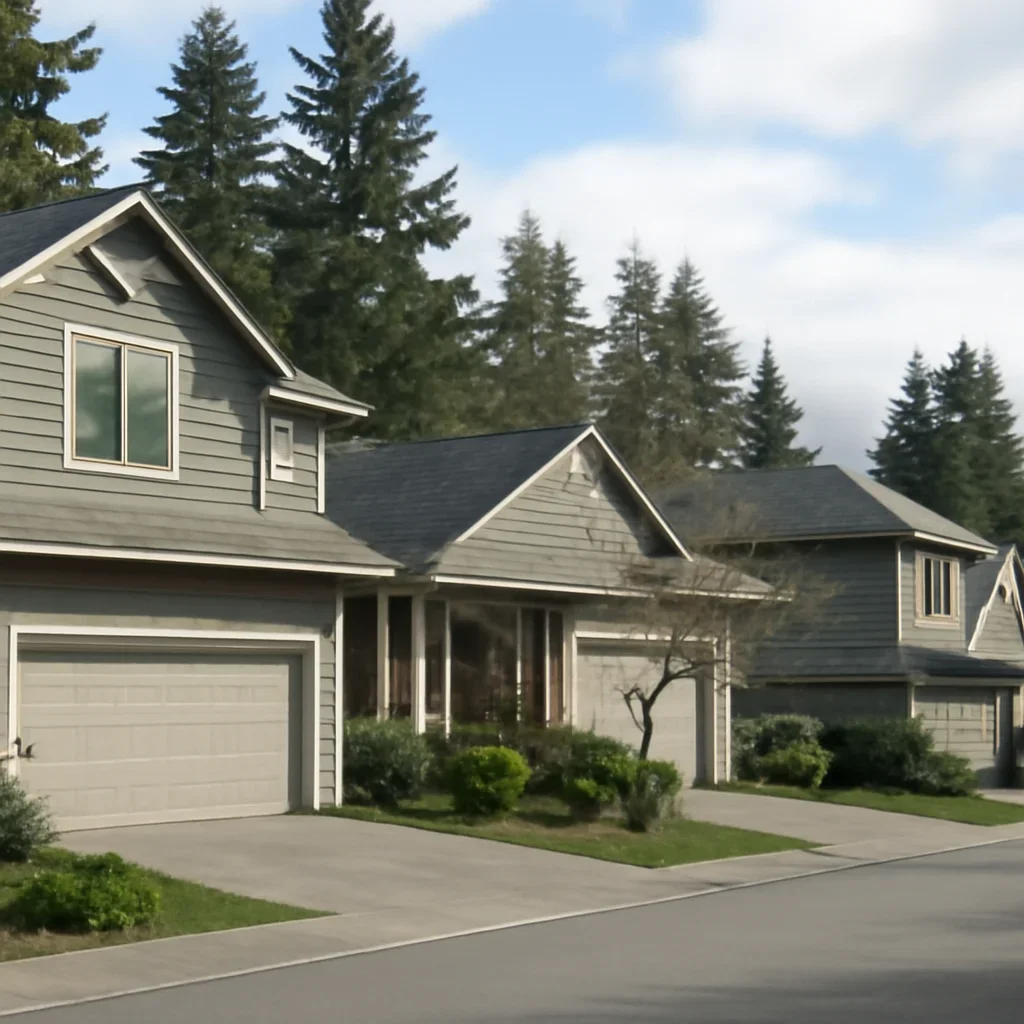
Murrayville includes established residential streets, family homes, attached garages, and properties where the garage is used multiple times per day. A noisy or underpowered opener can become frustrating quickly when the garage is close to living areas or used as the main entry point.
For older garage doors, opener installation may also reveal worn rollers, tired hardware, poor balance, damaged weather seals, or a door that needs attention before a new opener is expected to lift it reliably. That is why the door and opener should be considered as one system.
A new opener works best when the door is balanced, the hardware is in usable condition, and the installation plan accounts for the way the garage is used.
If the door feels unusually heavy or uneven, the opener may strain even after a new unit is installed.
Worn rollers, bent tracks, loose hardware, or binding movement can shorten opener life and create unreliable operation.
Consider who needs remote access, keypad access, wall control use, or smart control features before installation.
Safety sensors should be positioned and tested properly so the door reverses when it should and closes when it is safe.
Do not install or adjust an opener to force a garage door that feels heavy, crooked, jammed, or unstable. Springs, cables, and door balance should be handled with proper training and safety procedures.
A responsible opener installation starts with matching the opener to the door, checking the surrounding hardware, and setting up the controls in a way that fits the household.
The door size, weight, condition, balance, track alignment, rollers, springs, and daily use should be considered before choosing an opener.
Compare drive type, noise level, control needs, keypad use, remote access, safety sensors, and any smart control preferences.
The opener, rail, controls, travel limits, force settings, remotes, keypad, and safety sensors should be tested before regular use.
You do not need to know the exact opener model before reaching out. A few practical details about your garage and current setup are usually enough to start the right conversation.
These internal pages can help you compare opener type, installation planning, repair alternatives, and booking details.
These answers help narrow down the decision without pushing a specific opener before the door and household needs are understood.
Installation may make sense when the current opener is older, noisy, unreliable, missing the access features you need, or affected by repeated problems. Repair may still be worth comparing if the issue is isolated and the opener is otherwise suitable.
Many homeowners with attached garages compare quieter opener options, especially when bedrooms or living areas are near the garage. The right choice also depends on door size, door condition, budget, and control preferences.
No. A new opener should not be used to overcome a door that is heavy, uneven, or binding. The door system should be checked first because opener performance depends on proper door balance and smooth movement.
Yes. Opener installation should include practical control setup, which may involve wall control operation, remotes, keypad access, travel limits, force settings, and safety sensor testing.
Mention your Murrayville location, whether the garage is attached, whether the existing opener works, what control features you want, and whether the garage door currently moves smoothly.
Tell us about your current opener, your door condition, and how your household uses the garage. This helps narrow down the right opener setup, control options, and installation path.